Are You F**king Kidding?
🔗 **Source:** [Are You F**king Kidding?](https://www.youtube.com/watch?v=1HeALnI-gVg)
> [!note]+ Document Notes
> tags: #age-verification #privacy #california #colorado #open-source
> author: Theo - t3.gg
> source: YouTube
> reference: https://www.youtube.com/watch?v=1HeALnI-gVg
> date created: 2024-12-19 14:30
>
> # 🏷️ Title: Are you f**king kidding?
>
<!-- deep-read:sections start -->
## 🧰 Action Inbox
- [H1] Contact state representatives about age verification laws — immediate action needed #advocacy
- [H2] Monitor open-source projects for licensing changes excluding California — ongoing tracking #open-source
- [H3] Prepare enterprise SSO infrastructure using WorkOS — business readiness #enterprise
## 🧭 Table of Contents
- [[#📝 Summary]]
- [[#📖 Main Content]]
- [[#🗒️ Notes]]
- [[#📚 References]]
- [[#🗣️ Paraphrase]]
- [[#📰 Newsletter]]
- [[#✅ Action Items]]
- [[#🧪 Hypotheses]]
- [[#📊 Methodology]]
- [[#❓ Questions]]
- [[#🔮 Future Research]]
- [[#💡 Implications]]
- [[#🧠 Learning Styles Assessment]]
- [[#📊 Accessibility Assessment]]
- [[#🌍 DEIB Assessment]]
- [[#✅ Logical Validity]]
- [[#🛡️ DARVO Analysis]]
- [[#🎯 Conclusion]]
### 🔗 References
- [ContactRep.org](https://contactrep.org)
- [California SOS Representative Finder](https://sos.ca.gov)
## 📝 Summary
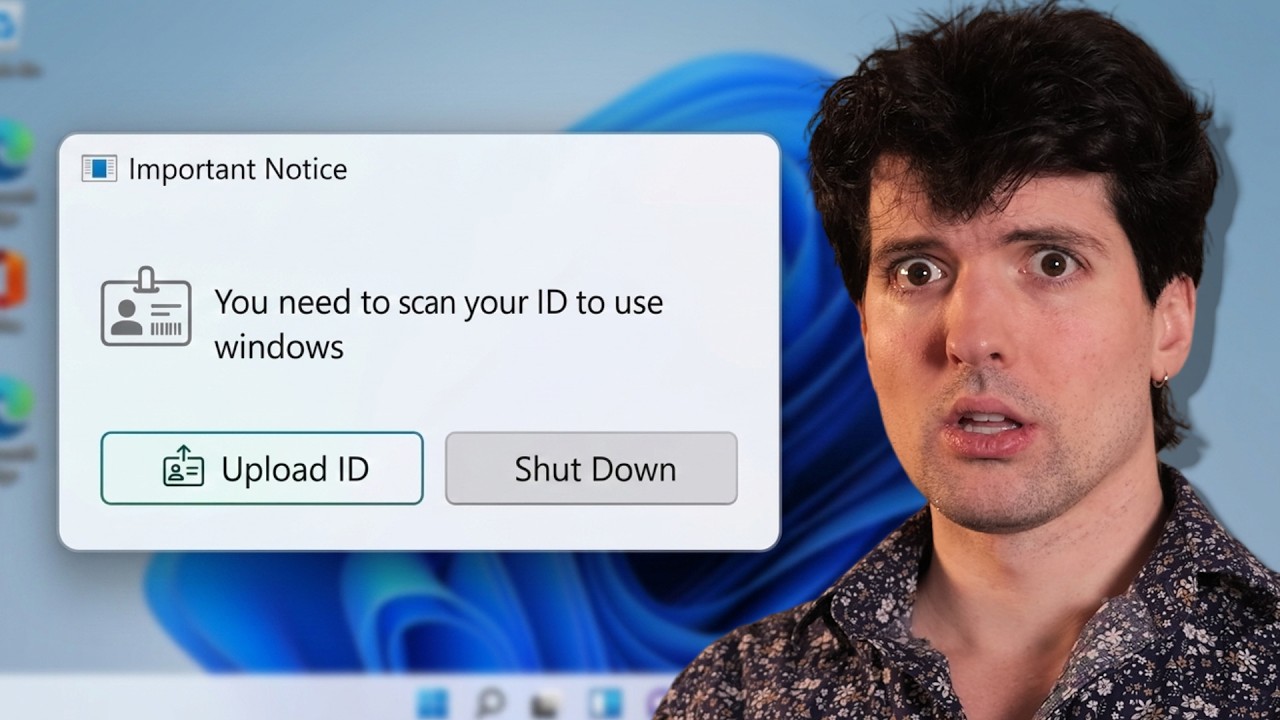
- California and Colorado are implementing laws requiring age verification for operating systems and applications
- Fines range from $2,500 per minor affected to $7,500 for intentional violations
- Open-source projects are already excluding California residents from their licenses
- The laws create logistical nightmares for developers and compromise user privacy
- State-level software regulation creates fragmentation and compliance burdens
- Immediate action needed: contact representatives to prevent proliferation
## 📖 Main Content
New legislation in California and Colorado mandates age verification systems for operating systems and applications, creating unprecedented compliance burdens for software developers. The laws require operating system providers to collect age information during account setup and provide age bracket signals to applications downloaded from covered app stores.
The California Assembly Bill, effective January 1st, 2027, applies to both new installations and existing devices, requiring accessible interfaces for age declaration. Similar Colorado legislation mirrors these requirements with identical fee structures.
Open-source projects are responding by excluding California residents entirely. Midnight BSD has already updated their license to ban California users, and calculator applications are following suit. This exclusionary approach may become standard practice for projects unable to implement age verification systems.
The legislation creates multiple technical and privacy concerns. Applications will gain access to user age brackets automatically, undermining Apple's privacy protections that previously prevented app identification of users. The data collection requirements expose users to new security risks as software vendors must handle sensitive age information.
Enterprise implications include fragmented compliance requirements across states, increased development costs, and potential service restrictions. Canonical, Ubuntu's parent company, acknowledges awareness of the legislation but has no concrete implementation plans, highlighting the uncertainty facing open-source maintainers.
## 🗒️ Notes
#### ⏱️ [00:00](https://youtu.be/1HeALnI-gVg?t=0) — [H1] Nostalgia for simpler computing times
- Key idea: Windows XP era required no network connection or real license verification
- Evidence: "FCGKW key or whatever we would use to activate Windows XP back in the day"
#### ⏱️ [01:15](https://youtu.be/1HeALnI-gVg?t=75) — [H1] California and Colorado age verification laws
- Key idea: Multiple states requiring ID verification before operating system use
- Evidence: "fees as high as $2,500 for every minor affected and fees of $7,500 for every minor affected with intentional violations"
#### ⏱️ [02:30](https://youtu.be/1HeALnI-gVg?t=150) — [H2] Laws written by people who don't understand technology
- Key idea: Legislation demonstrates fundamental misunderstanding of software development
- Evidence: "This is a great example of one of those laws that was written by people who just don't understand technology"
#### ⏱️ [04:45](https://youtu.be/1HeALnI-gVg?t=285) — [H1] California Assembly Bill requirements
- Key idea: Operating systems must provide age verification interface by July 2027
- Evidence: "provide an accessible interface that allows an account holder to indicate their birth date, age, or both"
#### ⏱️ [06:20](https://youtu.be/1HeALnI-gVg?t=380) — [H2] Problems with state-level software regulation
- Key idea: Different state laws create impossible compliance scenarios for developers
- Evidence: "Now you have to create different versions of the same device in order to comply with different laws in different states"
#### ⏱️ [08:10](https://youtu.be/1HeALnI-gVg?t=490) — [H1] Open-source projects excluding California
- Key idea: Midnight BSD and other projects banning California residents from using software
- Evidence: "Midnight BSD, which is a BSD flavor, has already updated their license to exclude residents of California"
#### ⏱️ [09:45](https://youtu.be/1HeALnI-gVg?t=585) — [H2] Privacy implications of age bracket sharing
- Key idea: Apps gain automatic access to user age information, undermining existing privacy protections
- Evidence: "Now, I can identify the age group that you're in just by you opening my app the first time"
#### ⏱️ [11:30](https://youtu.be/1HeALnI-gVg?t=690) — [H2] Ubuntu community response
- Key idea: Canonical has no concrete plans for compliance despite community proposals
- Evidence: "The company does not yet have a solution to announce for age declarations in Ubuntu"
#### ⏱️ [12:45](https://youtu.be/1HeALnI-gVg?t=765) — [H2] Impact on open-source maintainers
- Key idea: Legislation creates unnecessary burden for volunteer developers building free software
- Evidence: "such a comm's problem, and as chat is already pointing out, an absurd waste of time for these poor devs"
#### ⏱️ [13:15](https://youtu.be/1HeALnI-gVg?t=795) — [H3] Scope includes app stores
- Key idea: Requirements extend beyond operating systems to all application distribution platforms
- Evidence: "This applies to app stores like FlatHub or Snap Store or iOS's App Store or the Android Google Play Store"
#### ⏱️ [14:00](https://youtu.be/1HeALnI-gVg?t=840) — [H1] Discord requiring face scans
- Key idea: Platforms already implementing invasive verification methods
- Evidence: "Discord starting to require face scans or IDs to have full access to Discord going forward"
#### ⏱️ [15:30](https://youtu.be/1HeALnI-gVg?t=930) — [H1] Call to action: contact representatives
- Key idea: Developer voices can influence policy if representatives understand the technical implications
- Evidence: "You'd be amazed at how much a single phone call or email can do if you come in and explain that you're an experienced software developer"
## 📚 References
- [ContactRep.org](https://contactrep.org)
- [California Secretary of State](https://sos.ca.gov)
- [House.gov Representative Finder](https://house.gov)
## 🗣️ Paraphrase
- California and Colorado are implementing laws that require age verification systems for operating systems and applications, with significant financial penalties for non-compliance
- The legislation creates technical fragmentation as different states may implement conflicting requirements, forcing developers to create multiple versions of software
- Open-source projects are responding by excluding residents of states with these requirements rather than implementing costly compliance systems
## 📰 Newsletter
California's new age verification requirements for operating systems represent a significant challenge for the open-source community and software developers. Starting in 2027, operating systems must collect user age information and share age brackets with applications, fundamentally changing how software handles user privacy.
For WordPress developers, this could impact plugin distribution, user onboarding flows, and privacy compliance strategies. The fragmented regulatory landscape may require different implementations across states, increasing development complexity.
The open-source community is already responding with exclusionary licensing, which could fragment the global nature of collaborative development. Consider how these requirements might affect your projects and engage with representatives to ensure technology expertise informs policy decisions.
Resources: [Learn WordPress](https://learn.wordpress.org/), [Developer Docs](https://developer.wordpress.org/), [WP-CLI](https://wp-cli.org/)
## ✅ Action Items
#### Community
- Maintainers: Review project licensing for potential geographic restrictions, assess age verification implementation costs
- Contributors: Monitor state legislation affecting open-source development, document compliance alternatives
- Sponsors: Evaluate funding priorities for projects facing regulatory compliance burdens
#### WordPress
- Core: Assess age verification requirements impact on WordPress installation and user onboarding
- Plugins: Develop guidance for plugin developers on age bracket data handling and privacy compliance
- Community: Create advocacy resources for community members to engage with representatives on technology policy
- Documentation: Prepare compliance documentation for age verification requirements across jurisdictions
## 🧪 Hypotheses
- State-level software regulation will fragment the open-source ecosystem as projects exclude residents of regulated jurisdictions
- Age verification requirements will create new privacy vulnerabilities as more applications gain access to demographic data
- Compliance costs will disproportionately impact small developers and open-source projects compared to large technology companies
- Geographic exclusion will become a standard practice for projects unable to implement age verification systems
### 📊 Methodology
- Survey open-source projects to track licensing changes excluding specific jurisdictions
- Analyze compliance cost estimates across different software categories and project sizes
- Monitor representative communications to measure developer advocacy effectiveness
- Track privacy policy changes as applications begin handling age bracket data
### ❓ Questions
- How will federal preemption interact with conflicting state software regulations?
- What happens when age verification requirements conflict with international privacy laws like GDPR?
- Can technical standards bodies create unified approaches to reduce compliance fragmentation?
### 🔮 Future Research
- Constitutional challenges to state-level software regulation under interstate commerce doctrine
- Technical implementation standards for privacy-preserving age verification systems
- Economic impact analysis of regulatory compliance costs on open-source sustainability
### 💡 Implications
- Practice: Developers must factor compliance costs and geographic restrictions into project planning
- Policy: Need for federal coordination to prevent state-level software regulation fragmentation
- Security: Age data collection creates new attack surfaces and privacy risks for software vendors
- Education: Representatives need technology expertise to craft effective and implementable legislation
- Funding: Open-source projects may require additional funding to handle compliance requirements
### 🧠 Learning Styles Assessment
Reading level estimate: 8th Grade (accessible to general technology audience)
#### 👀 Visual learners
- Present: None identified in video content
- Improve: Regulatory timeline diagrams, compliance flowcharts, state-by-state requirement comparisons
#### 🔊 Aural learners
- Present: Video format with clear narration and passionate delivery
- Improve: Podcast version, audio summary of key action items
#### 🗣️ Verbal learners
- Present: Clear analogies (charger regulations, European requirements), defined technical terms
- Improve: Glossary of regulatory terms, comparison stories from other industries
#### 🧩 Kinesthetic learners
- Present: Specific action items (contact representatives, find zip codes)
- Improve: Step-by-step advocacy guide, template emails, compliance checklists
#### 🧠 Logical learners
- Present: Clear cause-effect relationships between laws and technical impacts
- Improve: Decision trees for compliance options, cost-benefit analysis frameworks
#### 🧑🤝🧑 Social learners
- Present: Call to collective action, community response examples
- Improve: Coordinated advocacy campaigns, developer discussion forums
#### 🧘♀️ Solitary learners
- Present: Individual action items, personal reflection prompts
- Improve: Self-assessment tools for compliance needs, individual advocacy planning worksheets
#### 🌿 Naturalistic learners
- Present: None identified
- Improve: Software ecosystem analogies, regulatory environment metaphors
### 📊 Accessibility Assessment
#### Screen reader semantics
- Present: Video format limits accessibility for screen reader users
- Improve: Full transcript with proper heading structure, descriptive timestamps
#### Keyboard navigation
- Present: Standard YouTube player controls
- Improve: Chapter markers, keyboard shortcuts for key sections
#### Contrast and readability
- Present: Standard YouTube interface
- Improve: High-contrast transcript version, large text options
#### Text resizing and reflow
- Present: YouTube's responsive design
- Improve: Standalone transcript page with text customization options
#### Media and captions
- Present: Auto-generated captions available
- Improve: Professional captions, downloadable transcript, audio descriptions for visual elements
#### Forms and interactions
- Present: Standard YouTube engagement (likes, comments)
- Improve: Accessible feedback forms for advocacy actions
### 🌍 DEIB Assessment
#### Cultural breadth
- Present: US-focused content with California/Colorado emphasis
- Improve: International regulatory comparison, global open-source impact analysis
#### Inclusive language
- Present: Technical jargon explained, conversational tone
- Improve: Plain-language summary, avoid assumption of prior regulatory knowledge
#### Neurodiversity support
- Present: Clear structure with distinct sections, passionate but organized delivery
- Improve: Content warnings for strong language, structured summary sections
#### Representation
- Present: Single male perspective, tech-industry focused
- Improve: Diverse voices on regulatory impact, broader stakeholder perspectives
#### Psychological safety
- Present: Strong emotional reactions may overwhelm some viewers
- Improve: Content warnings, balanced emotional tone, constructive framing
### ✅ Logical Validity
#### Strong reasoning
- Deductive strength: Strong logical progression from law requirements to implementation challenges
- Inductive strength: Good use of specific examples (Midnight BSD, Discord) to support broader claims
- Causal reasoning: Clear cause-effect relationships between regulation and developer responses
- Analogical strength: Effective charger regulation analogy for explaining compliance fragmentation
#### Fallacies
- Appeal to emotion: Excessive use of profanity and inflammatory language may distract from substantive arguments
- Hasty generalization: Assumes all lawmakers lack technology understanding without evidence
#### Tone of voice
- Overall tone: Passionate, urgent, occasionally inflammatory but informative and action-oriented
### 🛡️ DARVO Analysis
- Deny: No denial patterns identified - acknowledges child protection as legitimate concern
- Attack: Attacks lawmakers' competence but focuses on policy rather than personal characteristics
- Reverse victim/offender: No reversal patterns - maintains focus on regulatory impact
- Emotional cues and rhetoric: Uses urgency and frustration to motivate action rather than deflect responsibility
## 🎯 Conclusion
California and Colorado's age verification requirements represent a fundamental shift in how operating systems and applications handle user data. The legislation creates compliance burdens that disproportionately impact open-source projects and small developers, leading to geographic exclusions that fragment the global nature of collaborative software development.
The immediate priority is engaging with elected representatives to ensure technology expertise informs policy decisions. Developers have unique insights into the technical implications of these requirements and should leverage their expertise to prevent similar legislation from proliferating across other states.
Long-term solutions require federal coordination to prevent conflicting state requirements and technical standards development to minimize privacy risks while achieving child protection goals.
## 🧱 Refactor Appendix
### 📚 Literature Split Pad
Purpose: Stage CEE units that become Literature notes.
Split level: H3
### [H1] State-level software regulation creates compliance fragmentation
> [!quote] [Are you f**king kidding?](https://www.youtube.com/watch?v=1HeALnI-gVg) by [[Theo - t3.gg]] via [[YouTube]]. Published 2024-12-19. Accessed 2024-12-19.
> "Now you have to create different versions of the same device in order to comply with different laws in different states."
Demonstrates how conflicting state requirements force developers into costly multi-version development strategies.
[view highlight](https://youtu.be/1HeALnI-gVg?t=380#H1) #xref #articleseed ID:rw_state_fragmentation
### [H2] Open-source projects exclude regulated jurisdictions
> [!quote] [Are you f**king kidding?](https://www.youtube.com/watch?v=1HeALnI-gVg)
> "Midnight BSD has already
---
## Full Transcript
[00:00] Recently, I found myself reminiscing on<br>[00:01] the good old days of getting into<br>[00:02] computers when I was a kid. It was a<br>[00:04] whole different world. I still remember<br>[00:06] the FCGKW key or whatever we would use<br>[00:09] to activate Windows XP back in the day.<br>[00:11] Not only did we not need a network<br>[00:13] connection, we didn't even need a real<br>[00:15] license. Everything was so fun and free<br>[00:17] and easy. And if it ever wasn't, you<br>[00:19] could just go install Linux. Nowadays,<br>[00:21] things have changed. I had to do two<br>[00:23] Windows installs a few days ago, and<br>[00:24] getting them set up without a network<br>[00:26] cuz I didn't have the driver was nearly<br>[00:28] impossible because they basically force<br>[00:30] you to sign into Windows when you're<br>[00:32] setting them up. I wish that was the<br>[00:34] only problem. It seems like a Windows<br>[00:35] account is not all you're going to need<br>[00:37] anymore. Thanks to these new laws,<br>[00:39] you're going to have to verify your<br>[00:41] identity when you set up your computer.<br>[00:43] That's really sketchy, but at the very<br>[00:46] least, you can go use Linux, right?<br>[00:48] About that. It's looking like multiple<br>[00:51] states, specifically California and<br>[00:53] Colorado, are going to start requiring<br>[00:56] all computer users to verify their age<br>[00:59] through their ID before they are allowed<br>[01:01] to use the operating system. This will<br>[01:04] include fees as high as $2,500<br>[01:07] for every minor affected and fees of<br>[01:10] $7,500 for every minor affected with<br>[01:13] intentional violations. So, the producer<br>[01:16] of the software knowingly letting<br>[01:18] younger users use the software. That's<br>[01:21] insane.<br>[01:22] This is a great example of one of those<br>[01:24] laws that was written by people who just<br>[01:27] don't understand technology and the<br>[01:29] potential implications this has are<br>[01:31] insane. I can't believe this actually<br>[01:33] passed and we're already starting to see<br>[01:35] some of the effects of it. We need to do<br>[01:37] something about this one. This isn't<br>[01:39] going to be my usual video where I'm<br>[01:41] just reading people's articles and<br>[01:42] giving my thoughts. This one's a call to<br>[01:44] action. We need to go out of our way to<br>[01:47] make sure the people who write and<br>[01:49] enforce these laws understand how tech<br>[01:51] works or at the very least are willing<br>[01:53] to bring people in who do to prevent<br>[01:55] this type of [ __ ] from happening because<br>[01:57] it is clear these guys just do not<br>[01:59] understand software or how it works or<br>[02:01] developers and what they're building at<br>[02:03] all. Do you know who absolutely does<br>[02:05] understand developers though? Today's<br>[02:07] sponsor. The big AI companies can't<br>[02:08] agree on anything. Between OpenAI,<br>[02:11] Anthropic, Cursor, Fallon, all of these<br>[02:13] businesses, it just seems like they're<br>[02:14] all fighting each other constantly. But<br>[02:16] there is one thing they all agree on.<br>[02:18] That work OS is the right way to manage<br>[02:20] your OT. That's why all of those<br>[02:21] companies and more use Work OS today.<br>[02:24] Rolling your own O is really easy until<br>[02:25] it isn't. Once you have actual<br>[02:27] enterprise customers with specific<br>[02:29] expectations that are super common<br>[02:31] across the industry, things get really<br>[02:33] hard. And I want you to be honest with<br>[02:35] me. If you had Microsoft come to you<br>[02:37] today saying, "Hey, we want to sign up<br>[02:38] for your product. Can you integrate with<br>[02:40] our O system? Are you actually prepared<br>[02:42] to do that? Do you have the<br>[02:43] infrastructure in place to handle<br>[02:45] external SSO with whatever weird<br>[02:47] requirements other companies have or<br>[02:49] need?" We didn't because we weren't<br>[02:51] using work OS and then we moved to it<br>[02:53] and suddenly those enterprise deals make<br>[02:54] a ton of sense. The admin portal is<br>[02:56] incredible. You literally just get a<br>[02:58] link you send over to the team that<br>[03:00] you're trying to onboard and they can<br>[03:02] set up whatever O providers they like to<br>[03:04] use or they have set up at their<br>[03:05] business and then they can sign into<br>[03:07] your app with their off. If you just<br>[03:09] want a simple sign in with Google button<br>[03:10] for your site, this is probably not<br>[03:12] going to be super interesting to you.<br>[03:14] But if you want to make real money from<br>[03:16] real business customers, there is no<br>[03:18] better place than work OS. And that's<br>[03:19] why more and more of the startups I work<br>[03:21] with are making the move now. Don't wait<br>[03:23] until a big business shows up and you're<br>[03:24] not ready to take them on. And also<br>[03:26] don't worry about the cost because your<br>[03:28] first million users are free. If you<br>[03:30] want enterprise ready quality O without<br>[03:32] compromise, look no further than soy.<br>[03:35] OOS. Sorry about the ad break. As y'all<br>[03:37] might know, I aspire to make an<br>[03:38] operating system someday. And I got to<br>[03:40] find some way to pay these absurd fees<br>[03:42] because this law, it's absurd. It's<br>[03:45] going to mandate that operating systems<br>[03:46] and app devs implement age verification<br>[03:49] measures to protect miners online. This<br>[03:51] miners online protection thing has been<br>[03:53] the guys for all sorts of [ __ ]<br>[03:55] legislation for over a decade now in the<br>[03:58] tech world. We just finished fighting<br>[04:00] this awful proposal in the EU that would<br>[04:02] effectively outlaw encryption because<br>[04:04] encrypted messages could hide things<br>[04:06] that hurt kids. So, we shouldn't have<br>[04:09] encryption, right? Then the kids will be<br>[04:11] safe. The only reason you would ever<br>[04:13] want to encrypt a message is because<br>[04:15] you're doing something illegal. Sure. I<br>[04:17] already did my video on the online<br>[04:18] safety act. I think that one's absolute<br>[04:20] [ __ ] [ __ ] And I think this goes<br>[04:22] even further. And as somebody who loves<br>[04:24] to take every opportunity that they have<br>[04:26] to [ __ ] on the EU and its [ __ ]<br>[04:27] legislation, it would be incredibly<br>[04:29] unfair of me to not do the same for my<br>[04:31] current state, California, because this<br>[04:33] is [ __ ] absurd. I cannot believe that<br>[04:36] the state of Silicon Valley is the same<br>[04:38] state that thought this [ __ ] was a<br>[04:39] good idea. This is the official assembly<br>[04:41] bill for this ruling in California from<br>[04:44] October. This digest is only three pages<br>[04:47] and it's actually only like three<br>[04:48] paragraphs because the rest is just<br>[04:51] defining specific terms.<br>[04:55] With respect to a device for which<br>[04:56] account setup was completed before<br>[04:58] January 1st, 2027, an operating system<br>[05:00] provider shall before July 1st, 2027<br>[05:03] provide an accessible interface that<br>[05:05] allows an account holder to indicate<br>[05:07] their birth date, age, or both or the<br>[05:09] user of that device for the purpose of<br>[05:11] providing a signal regarding the user's<br>[05:13] age bracket to applications. is<br>[05:15] available in a covered application<br>[05:16] store. So that's going to affect iOS as<br>[05:18] well. You're going to have to tell your<br>[05:19] phone how old you are as you set it up<br>[05:21] and it will have to change what's<br>[05:23] available to you in the operating system<br>[05:24] depending on your age. And very<br>[05:25] interesting, they have the exact same<br>[05:27] fee structure as the Colorado law. One<br>[05:29] of the concerns I have about these<br>[05:31] things, and this is like not even in the<br>[05:32] details of the bill itself, which I<br>[05:34] think are [ __ ] I generally am<br>[05:36] really really against state level<br>[05:39] software laws like this. So before we<br>[05:41] even get into the child protection side<br>[05:43] of this, I want to talk about why I<br>[05:45] don't like this style of law in the<br>[05:48] first place. State laws about software<br>[05:50] are generally quite bad. I know, I know<br>[05:53] states rights and I also know the<br>[05:54] Europeans are going to be confused<br>[05:56] because you're thinking about states<br>[05:58] very differently from how we do because<br>[06:00] states are the equivalent here of<br>[06:01] effectively how countries work in the<br>[06:03] EU. States have a lot of their own<br>[06:05] rights, but we also have a federal<br>[06:06] government. And to be clear, I think<br>[06:08] states should absolutely be allowed to<br>[06:10] govern themselves. The problem is the<br>[06:13] logistical complications that come when<br>[06:16] you have different laws across different<br>[06:18] groups and demographics. Let's use<br>[06:21] chargers as an example. Imagine a world<br>[06:24] where California preempted the norms and<br>[06:27] enforced that all devices sold in<br>[06:29] California that can reasonably provide a<br>[06:32] standard charger do. Imagine they<br>[06:34] implemented this in like the mid2010s.<br>[06:36] That would have been a law that enforces<br>[06:39] micro USB on all devices sold in<br>[06:41] California. Now imagine another state<br>[06:43] introduces a similar law later on when<br>[06:45] USBC is a thing and this other state<br>[06:48] enforces USBC. Now you have to create<br>[06:50] different versions of the same device in<br>[06:52] order to comply with different laws in<br>[06:55] different states. That is insane. This<br>[06:58] is already the case for some things<br>[06:59] around internationalized hardware where<br>[07:01] certain countries have specific<br>[07:02] restrictions. And for example, all<br>[07:05] iPhones sold in the EU have to have a<br>[07:08] trash can with an X on it printed on<br>[07:10] them somewhere because the European<br>[07:12] Union enforces that all users are<br>[07:14] informed of the fact that they shouldn't<br>[07:15] throw away their thousand phone. And<br>[07:17] obviously Apple hates this. So they only<br>[07:19] put it on the European phones and have a<br>[07:21] whole separate pipeline for<br>[07:22] manufacturing in order to make sure the<br>[07:24] European phones get this emblem and the<br>[07:26] US ones don't. and a lot of other<br>[07:28] manufacturers just gave up and leave it<br>[07:30] on all of the phones because it's much<br>[07:31] cheaper to handle the logistics. If you<br>[07:34] have to serve special versions of your<br>[07:36] software or your hardware or your<br>[07:38] charging ports depending on which<br>[07:40] country or state or city your users are<br>[07:44] from. Your software becomes way more<br>[07:46] complex and way worse. And what you're<br>[07:48] left for with options as the developer<br>[07:50] of the software is figure out how to<br>[07:52] comply with all of these different<br>[07:53] states and countries and their unique<br>[07:55] [ __ ] ignore the requirements and<br>[07:57] deal with the potential of a huge fee<br>[07:59] later on, which is funny enough what<br>[08:00] most startups do nowadays. They just<br>[08:02] ignore these things. In particular,<br>[08:03] European tax law, it's just not worth<br>[08:05] the hassle. I am not giving advice here.<br>[08:07] I'm not encouraging this. I'm just<br>[08:08] observing that from my experience<br>[08:10] talking to a lot of earlystage<br>[08:11] companies, it is easier to just ignore<br>[08:13] this and deal with it when it hits you.<br>[08:15] And the third option, which I'm scared<br>[08:16] is going to become much more common,<br>[08:18] just banning the places that have these<br>[08:20] rules. If it turns out these laws are<br>[08:22] going to require me to agegate T3 chat<br>[08:25] and check your age before you can send<br>[08:26] prompts, I might have to rethink whether<br>[08:29] or not we serve T3 chat in California.<br>[08:32] And funny enough, this is what a lot of<br>[08:34] projects are already doing. Midnight<br>[08:36] BSD, which is a BSD flavor, has already<br>[08:38] updated their license to exclude<br>[08:40] residents of California from using<br>[08:42] Midnight BSD. This is a much easier<br>[08:44] method for an open- source project to<br>[08:46] verify someone's age reasonably because<br>[08:48] you can't verify someone's age<br>[08:50] reasonably. So instead, they're going to<br>[08:51] do this. I even saw a calculator app<br>[08:53] that made this change. And I suspect<br>[08:55] there will be many more open- source<br>[08:57] projects that choose to go this route. I<br>[08:59] want to be clear about one more thing<br>[09:01] with this change before we go too much<br>[09:03] further. The legislation does not<br>[09:05] require that you do ID scanning. The way<br>[09:07] it is currently written, it should be<br>[09:09] okay for them to just put in a tell us<br>[09:12] how old you are field. But that's these<br>[09:14] two pieces of legislation from these two<br>[09:16] states. Now that these are going to<br>[09:18] happen, other states are going to<br>[09:20] implement their own versions. And<br>[09:21] they're going to implement things that<br>[09:23] are different, like actual ID<br>[09:25] verification, which has already become a<br>[09:26] thing for porn sites in various states.<br>[09:29] Terrifying. And this is all data that<br>[09:31] you shouldn't have to trust all software<br>[09:33] vendors with. As great as a corn<br>[09:36] companies are at software, I don't want<br>[09:38] them to have my ID. I also, as much as I<br>[09:41] love these Linux maintainers, don't want<br>[09:43] them necessarily to have my exact age,<br>[09:46] much less my license if I have to scan<br>[09:48] it because I happen to move to a state<br>[09:49] that enforces that. It changes the like<br>[09:51] security surface area of that you have<br>[09:53] to worry about, like the area of concern<br>[09:55] massively. If you have to worry about<br>[09:57] that type of data and a lot of these<br>[09:59] projects don't want that. Let's be real,<br>[10:02] no one under 18 is installing Linux. And<br>[10:05] if they are, they've already chosen to<br>[10:07] inflict that harm themselves. As much as<br>[10:09] I think the government should probably<br>[10:10] protect people from Linux, I think the<br>[10:12] government should be putting more effort<br>[10:13] into protecting us from Windows. That OS<br>[10:14] is [ __ ] cursed.<br>[10:16] You get the idea, though. This will<br>[10:18] require including collecting age<br>[10:20] information during account setup and<br>[10:21] providing age bracket signals to devs<br>[10:23] when apps are downloaded. What that<br>[10:25] means is if you install an app on the<br>[10:26] iPhone, the app should be able to see<br>[10:29] the age bracket a user is in so that it<br>[10:32] can enforce different things in the app.<br>[10:34] like maybe they have a different mode<br>[10:35] like on YouTube, the YouTube Kids<br>[10:37] version versus the normal version. This<br>[10:39] also means that apps now have way more<br>[10:41] information on you than they might<br>[10:43] before. Apple's put a lot of work into<br>[10:45] making it hard for apps to identify you,<br>[10:47] which is why every app has a sign-in<br>[10:49] screen now, cuz there's almost no other<br>[10:50] way they could figure out who you are.<br>[10:51] They can't get info from other apps and<br>[10:53] metadata on your phone anymore. Now, I<br>[10:55] can identify the age group that you're<br>[10:56] in just by you opening my app the first<br>[10:59] time. That is that's scary. That's one<br>[11:01] of the many scary things here. An Ubuntu<br>[11:03] dev proposed a debus interface<br>[11:05] orfreeestop.<br>[11:07] One. So this is an open standard for<br>[11:10] doing this inside of Linux operating<br>[11:13] systems in particular in this case<br>[11:14] Ubuntu which could be implemented by<br>[11:15] arbitrary applications as a distra sees<br>[11:17] fit. But Canonicle the company that<br>[11:19] makes Ubuntu responded today. The<br>[11:21] company does not yet have a solution to<br>[11:22] announce for age declarations in Ubuntu.<br>[11:25] Canonical is aware of the legislation<br>[11:27] and is reviewing it internally with<br>[11:28] legal counsel, but there are currently<br>[11:30] no concrete plans on how or even whether<br>[11:33] Ubuntu will change in response. The<br>[11:35] recent mailing list proposal is an<br>[11:36] informal conversation among Ubuntu<br>[11:38] community members, not an announcement.<br>[11:41] While the discussion contains<br>[11:42] potentially useful ideas, none have been<br>[11:44] adopted or committed to by Canonicle.<br>[11:46] This is going to be such a [ __ ] show for<br>[11:48] open-source maintainers, such a comm's<br>[11:50] problem, and as chat is already pointing<br>[11:52] out, an absurd waste of time for these<br>[11:55] poor devs who are just trying to build<br>[11:57] useful things for free. If this was only<br>[11:59] affecting big companies like Microsoft<br>[12:01] and Apple, I'd be slightly less annoyed,<br>[12:04] but this is such a waste of time and<br>[12:06] mental energy for the maintainers of all<br>[12:09] of these things, and this discourages<br>[12:11] potential future innovation. This is yet<br>[12:12] another reason I won't do an operating<br>[12:14] system. And as much as I'm sure you guys<br>[12:16] don't want yet another JS Soy boy<br>[12:18] pretending you can make an OS, I did<br>[12:19] have fun ideas and I'm not going to<br>[12:21] bother exploring them now. But remember,<br>[12:22] this isn't just operating systems. This<br>[12:24] applies to app stores like FlatHub or<br>[12:26] Snap Store or iOS's App Store or the<br>[12:28] Android Google Play Store, as well as<br>[12:30] the Mac Store and the Windows Store, but<br>[12:32] no one uses either of those. Let's be<br>[12:33] real. I have a really bad feeling this<br>[12:34] isn't going to be a one-off thing that<br>[12:36] Colorado's proposal and California's<br>[12:38] enforced law aren't going to just happen<br>[12:41] and then get revoked and then we move on<br>[12:42] with our lives. This is going to become<br>[12:44] a theme. We already saw this earlier<br>[12:46] with Discord starting to require face<br>[12:47] scans or IDs to have full access to<br>[12:50] Discord going forward. That is bad. I I<br>[12:54] love Discord. I trust them with a lot of<br>[12:56] my company secrets. I run my businesses<br>[12:57] through Discord. I do not trust them<br>[12:59] with my [ __ ] ID. I don't even trust<br>[13:01] them with my API keys. This is horrible.<br>[13:03] And this is going to keep getting worse<br>[13:05] before it gets better. This is one of<br>[13:07] those times where it's really important<br>[13:09] that we have our voices heard. For a lot<br>[13:11] of the people who represent us in<br>[13:12] government, they just don't know better.<br>[13:15] They don't have access to this<br>[13:16] information in a way that they know how<br>[13:18] to get it. You would be amazed at how<br>[13:21] much a single phone call or email can do<br>[13:24] if you come in and explain that you're<br>[13:26] an experienced software developer. I<br>[13:28] know you guys are devs and I know a lot<br>[13:29] of y'all live in California. Go to the<br>[13:31] state representative finder. I have it<br>[13:33] linked in the description below. It's<br>[13:35] contactrep.org.<br>[13:36] You can put in your zip code. It will<br>[13:38] tell you who your representatives are<br>[13:39] and then you can contact them and give<br>[13:42] them your thoughts and your thoughts are<br>[13:44] more valuable than you might think. The<br>[13:45] fact that you are an actual citizen that<br>[13:47] is represented by these people and you<br>[13:50] have useful information about what<br>[13:52] software is, how it works, and why this<br>[13:55] is bad. You should take advantage of<br>[13:57] that. You'd be amazed at how many of<br>[13:58] these people just don't talk to<br>[14:01] developers. Hit them up. It's worth a<br>[14:03] shot. and you might just might be able<br>[14:06] to prevent these things from happening.<br>[14:08] You'd be amazed how many terrible laws<br>[14:10] got stopped by a single email from the<br>[14:11] right person. Just learned that the<br>[14:13] state representative finder might be out<br>[14:15] of date. So, if you are in California<br>[14:16] and you want to do this, I'll put<br>[14:17] another link in for SOS California.<br>[14:19] Makes it easier to find your specific<br>[14:21] representatives. There's also a house<br>[14:23] gov site for doing this in general. And<br>[14:25] if you're not in California, I still<br>[14:26] recommend doing this with your senators<br>[14:28] and legislators because you don't want<br>[14:30] your state to have a similar law. And if<br>[14:32] your email is on the mind of a random<br>[14:35] person representing your state, when<br>[14:37] someone brings something like this up,<br>[14:38] they can step in and say, "Hey, I talked<br>[14:40] to a developer about this. I got a bunch<br>[14:42] of emails about this. I don't think it's<br>[14:44] as simple as California made it out to<br>[14:46] be. Maybe we should reconsider." And you<br>[14:47] might stop it before it even happens.<br>[14:49] So, if you are in the US, I highly<br>[14:51] recommend contacting representatives.<br>[14:52] And if you're not, you probably still<br>[14:53] should. We need to take advantage of the<br>[14:55] fact that we understand technology and<br>[14:58] help these people either understand or<br>[15:00] at least let them know that they're<br>[15:01] screwing up because they don't<br>[15:02] understand. And that's all I have to say<br>[15:04] on this one. I really hate these types<br>[15:05] of laws that interfere with how software<br>[15:07] is made and distributed. Obviously, we<br>[15:10] should be doing everything we can to<br>[15:11] make the internet and software as safe<br>[15:13] as possible for everyone. But doing this<br>[15:15] type of enforcement at a state level<br>[15:17] that can fundamentally break the way<br>[15:18] open source software is produced, that's<br>[15:21] not okay at all. The California version<br>[15:23] is a terrible law. The proposal in<br>[15:24] Colorado is just as bad, and we need to<br>[15:26] stop these things before they become<br>[15:28] more prolific. Let me know how y'all<br>[15:29] feel. And please hit up your senator and<br>[15:31] your representatives about this. It's so<br>[15:33] important. You have no idea. Let me know<br>[15:35] how y'all feel. And until next time,<br>[15:37] peace nerds.
<!-- deep-read:sections end -->
📄 **Full text:** ![[Full Document Contents/Articles/Are You Fking Kidding|Are You F**king Kidding?, YouTube]]
## Highlights
- want enterprise ready quality O without compromise, look no further than soy. OOS. Sorry about the ad break. As y'all might know, I aspire to make an operating system someday. And I got to find some way to pay these absurd fees because this law, it's absurd. It's going to mandate that operating systems and app devs implement age verification measures to protect miners online. This miners online protection thing has been the guys for all sorts of [ __ ] legislation for over a decade now in the tech world. We just finished fighting ([View Highlight](https://read.readwise.io/read/01kkaf4g85d7d49wmbwzagq54g))
- Tags: 👻 ai highlighted
- things, and this is like not even in the details of the bill itself, which I think are [ __ ] I generally am really really against state level software laws like this. So before we even get into the child protection side of this, I want to talk about why I don't like this style of law in the first place. State laws about software are generally quite bad. I know, I know states rights and I also know the Europeans are going to be confused because you're thinking about states very differently from how we do because ([View Highlight](https://read.readwise.io/read/01kkaf4g912kjz22f3pf1h0qaa))
- Tags: 👻 ai highlighted
- at least let them know that they're screwing up because they don't understand. And that's all I have to say on this one. I really hate these types of laws that interfere with how software is made and distributed. Obviously, we should be doing everything we can to make the internet and software as safe as possible for everyone. But doing this type of enforcement at a state level that can fundamentally break the way open source software is produced, that's not okay at all. The California version is a terrible law. The proposal in Colorado is just as bad, and we need to stop these things before they become more prolific. Let me know how y'all feel. And please hit up your senator and ([View Highlight](https://read.readwise.io/read/01kkaf4gcg3acqpvktvpf49wzd))
- Tags: 👻 ai highlighted