How to Measure Developer Experience
[[3. Resources/Readwise/Full Document Contents/Articles/How to Measure Developer Experience|Full Document Contents]]
## Document Notes
# Title: Understanding and Measuring Developer Experience
- - -
tags: #DeveloperExperience #DX #Measurement
Author: Adam DuVander
Source: EveryDeveloper Blog
Reference: N/A
date created: 2023-10-16T08:30
- - -
## Table of Contents:
1. Summary
2. Main Content
- Notes
3. References
4. Paraphrase
5. Hypotheses
- Methodology
- Implications
- Future Research
- Implications
- Logical Validity
6. Conclusion
## Index Creation:
- Developer Experience (DX)
- DX measurement
- Intangible aspects
- Quantifying DX
- Challenges in measuring DX
- Components of great DX
- Developer journey
- Analytics data
- Improving DX
## 📝 Summary:
In this article, Courtney Robertson explores the importance of Developer Experience (DX) in the success of tech products. She delves into the challenges of quantifying the intangible aspects of ease, satisfaction, and enjoyment that developers derive from using a product. Courtney emphasizes the need to define what aspects of DX to measure and discusses various methods to understand and improve DX, including watching real developers use your product and analyzing analytics data.
## 📖 Main Content:
### 🗒️ Notes:
- Measuring Developer Experience (DX) is crucial for tech product success.
- DX encompasses ease, satisfaction, and enjoyment.
- Challenges in quantifying intangible aspects.
- Methods to measure DX at different levels.
- Define what aspect of DX to measure.
- Identify common DX problems.
- Suggested metrics: Time to Hello World, success percentage.
- High-level view of DX before detailed measurements.
- Components of great DX.
- Use a Developer Experience Index.
- Importance of language support, guides, self-service, pricing, free tier, questions, documentation, and more.
- Encourage team discussion on DX components.
- Watch real developers using the product.
- Example tasks at each stage of the developer journey.
- The importance of unbiased feedback.
- Reviewing analytics data for patterns.
- Using data to improve DX.
- Continuous measurement and improvement.
## 📖 References:
N/A
## 🗣️ Paraphrase:
1. Developer Experience (DX) is the key to a tech product's success. It encompasses the intangible aspects of ease, satisfaction, and enjoyment that developers derive from using a product. Quantifying these aspects can be challenging, but it's essential.
2. Measuring DX is not straightforward. It requires defining what aspects of DX to measure and using various methods to understand and improve it. This article explores these methods, including watching real developers use the product and analyzing analytics data.
## 🧪 Hypotheses:
- Future studies can explore the impact of different DX components on developer trust and success.
- Methodologies such as user surveys, usability studies, and A/B testing can be employed to investigate DX further.
- Understanding DX can lead to better product design, increased developer adoption, and higher satisfaction.
- Future research can focus on specific industries or products to uncover unique DX challenges.
- Measuring DX is essential for ongoing product improvement and ensuring it aligns with developer expectations.
### 📊 Methodology:
- Conduct user surveys to gather feedback on specific DX components.
- Organize usability studies to observe how developers interact with the product.
- Implement A/B testing to measure the impact of changes on DX.
- Analyze customer support data to identify common DX issues.
- Collaborate with developers and teams to gain insights into their DX priorities.
### 💡 Implications:
- Improving DX can lead to increased customer retention and product success.
- Enhancing DX components like documentation and language support can boost developer trust.
- Understanding and addressing DX challenges can differentiate a product in the market.
- DX-focused initiatives can result in more satisfied developers and higher product adoption rates.
- Ongoing measurement and improvement of DX are crucial for long-term success.
### 🔮 Future Research:
- Investigate the relationship between specific DX components (e.g., documentation quality) and developer satisfaction.
- Explore how DX impacts the decision-making process of developers when choosing a product or platform.
- Examine the role of DX in the onboarding process for new developers.
- Research the influence of DX on open-source contributions and community engagement.
- Analyze the economic impact of DX improvements on product sales and revenue.
### ❓ Implications:
- Enhancing DX can lead to better user experiences and increased customer loyalty.
- Prioritizing DX can drive product adoption and word-of-mouth recommendations.
- Effective DX measurement requires a holistic approach that considers multiple components.
- DX improvements should align with developer needs and preferences.
- DX initiatives should be data-driven and continuously evaluated for effectiveness.
### ✅ Logical validity:
The article presents a logical and coherent argument about the importance of measuring Developer Experience (DX). It identifies common DX challenges, suggests methods to measure DX, and emphasizes the need for ongoing improvement. The tone is informative and encourages a data-driven approach to DX enhancement.
## Conclusion:
Understanding and measuring Developer Experience (DX) is essential for the success of tech products. While quantifying intangible aspects can be challenging, defining what to measure and using various methods, including watching real developers and analyzing analytics data, can lead to improved DX. Prioritizing DX components like documentation and language support can boost developer trust and product adoption, ultimately contributing to long-term success.
> [!note]+ Document Notes
> # Title: Understanding and Measuring Developer Experience
>
> - - -
> tags: #DeveloperExperience #DX #Measurement
> Author: Adam DuVander
> Source: EveryDeveloper Blog
> Reference: N/A
> date created: 2023-10-16T08:30
>
> - - -
>
<!-- deep-read:sections start -->
## Table of Contents:
1. Summary
2. Main Content
- Notes
3. References
4. Paraphrase
5. Hypotheses
- Methodology
- Implications
- Future Research
- Implications
- Logical Validity
6. Conclusion
## Index Creation:
- Developer Experience (DX)
- DX measurement
- Intangible aspects
- Quantifying DX
- Challenges in measuring DX
- Components of great DX
- Developer journey
- Analytics data
- Improving DX
## 📝 Summary:
In this article, Courtney Robertson explores the importance of Developer Experience (DX) in the success of tech products. She delves into the challenges of quantifying the intangible aspects of ease, satisfaction, and enjoyment that developers derive from using a product. Courtney emphasizes the need to define what aspects of DX to measure and discusses various methods to understand and improve DX, including watching real developers use your product and analyzing analytics data.
## 📖 Main Content:
### 🗒️ Notes:
- Measuring Developer Experience (DX) is crucial for tech product success.
- DX encompasses ease, satisfaction, and enjoyment.
- Challenges in quantifying intangible aspects.
- Methods to measure DX at different levels.
- Define what aspect of DX to measure.
- Identify common DX problems.
- Suggested metrics: Time to Hello World, success percentage.
- High-level view of DX before detailed measurements.
- Components of great DX.
- Use a Developer Experience Index.
- Importance of language support, guides, self-service, pricing, free tier, questions, documentation, and more.
- Encourage team discussion on DX components.
- Watch real developers using the product.
- Example tasks at each stage of the developer journey.
- The importance of unbiased feedback.
- Reviewing analytics data for patterns.
- Using data to improve DX.
- Continuous measurement and improvement.
## 📖 References:
N/A
## 🗣️ Paraphrase:
1. Developer Experience (DX) is the key to a tech product's success. It encompasses the intangible aspects of ease, satisfaction, and enjoyment that developers derive from using a product. Quantifying these aspects can be challenging, but it's essential.
2. Measuring DX is not straightforward. It requires defining what aspects of DX to measure and using various methods to understand and improve it. This article explores these methods, including watching real developers use the product and analyzing analytics data.
## 🧪 Hypotheses:
- Future studies can explore the impact of different DX components on developer trust and success.
- Methodologies such as user surveys, usability studies, and A/B testing can be employed to investigate DX further.
- Understanding DX can lead to better product design, increased developer adoption, and higher satisfaction.
- Future research can focus on specific industries or products to uncover unique DX challenges.
- Measuring DX is essential for ongoing product improvement and ensuring it aligns with developer expectations.
### 📊 Methodology:
- Conduct user surveys to gather feedback on specific DX components.
- Organize usability studies to observe how developers interact with the product.
- Implement A/B testing to measure the impact of changes on DX.
- Analyze customer support data to identify common DX issues.
- Collaborate with developers and teams to gain insights into their DX priorities.
### 💡 Implications:
- Improving DX can lead to increased customer retention and product success.
- Enhancing DX components like documentation and language support can boost developer trust.
- Understanding and addressing DX challenges can differentiate a product in the market.
- DX-focused initiatives can result in more satisfied developers and higher product adoption rates.
- Ongoing measurement and improvement of DX are crucial for long-term success.
### 🔮 Future Research:
- Investigate the relationship between specific DX components (e.g., documentation quality) and developer satisfaction.
- Explore how DX impacts the decision-making process of developers when choosing a product or platform.
- Examine the role of DX in the onboarding process for new developers.
- Research the influence of DX on open-source contributions and community engagement.
- Analyze the economic impact of DX improvements on product sales and revenue.
### ❓ Implications:
- Enhancing DX can lead to better user experiences and increased customer loyalty.
- Prioritizing DX can drive product adoption and word-of-mouth recommendations.
- Effective DX measurement requires a holistic approach that considers multiple components.
- DX improvements should align with developer needs and preferences.
- DX initiatives should be data-driven and continuously evaluated for effectiveness.
### ✅ Logical validity:
The article presents a logical and coherent argument about the importance of measuring Developer Experience (DX). It identifies common DX challenges, suggests methods to measure DX, and emphasizes the need for ongoing improvement. The tone is informative and encourages a data-driven approach to DX enhancement.
## Conclusion:
Understanding and measuring Developer Experience (DX) is essential for the success of tech products. While quantifying intangible aspects can be challenging, defining what to measure and using various methods, including watching real developers and analyzing analytics data, can lead to improved DX. Prioritizing DX components like documentation and language support can boost developer trust and product adoption, ultimately contributing to long-term success.
<!-- deep-read:sections end -->
## Highlights
- The components of a great Developer Experience include:
1. Support for popular languages or frameworks
2. In-depth getting started guides
3. A self-serve option
4. A clear pricing page
5. A free tier or trial
6. An obvious place for questions
7. System status information
8. Accurate reference documentation
9. Sample applications for download
10. Recent technical blog posts
11. Interactive documentation
12. Prominently featured documentation
13. Example command line or dev tool usage ([View Highlight](https://read.readwise.io/read/01hcwds7jnw088pbm3cc7sz8ab))
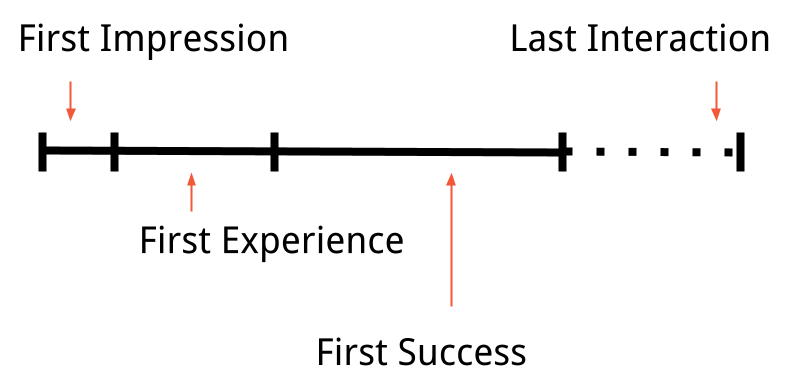
- Here are some example tasks at each stage of the developer journey:
• First impression: from the home page, answer whether the product can retrieve specific data
• First experience: from the documentation, implement an API call in your preferred programming language
• First success: from the documentation, customize a sample app in your staging environment to share with a teammate
• Last interaction: from a migration document, upgrade an application to use the latest product version ([View Highlight](https://read.readwise.io/read/01hcwdsq29h0v8accaaxkwwbgt))
- First, identify the outcomes you want, and the roadblocks developers face on that journey. Then, use these methods to **measure something**—that gives you a benchmark to beat. ([View Highlight](https://read.readwise.io/read/01hcwdxgq1hgtztcd1jenb79yx))
- Note: 1. What are the key components of a great Developer Experience, according to the EveryDeveloper's DX Index?
2. What are some ways to measure Developer Experience?
3. How can watching real developers use a product help improve Developer Experience?
Question: What are the components of great Developer Experience?
Answer: The components of great Developer Experience include support for popular languages or frameworks, in-depth getting started guides, a self-serve option, a clear pricing page, a free tier or trial, an obvious place for questions, system status information, accurate reference documentation, sample applications for download, recent technical blog posts, interactive documentation, prominently featured documentation, and example command line or dev tool usage.
Question: What are some example tasks at each stage of the developer journey?
Answer: Some example tasks at each stage of the developer journey include answering whether the product can retrieve specific data from the home page for the first impression, implementing an API call in your preferred programming language from the documentation for the first experience, customizing a sample app in your staging environment to share with a teammate from the documentation for the first success, and upgrading an application to use the latest product version from a migration document for the last interaction.
Question: What should you do before diving into detailed measurements of Developer Experience?
Answer: Before diving into detailed measurements, you should get an idea of how a developer sees your overall Developer Experience by looking at the components of great DX. You should also identify the outcomes you want and the roadblocks developers face on that journey.