How to Stay Christian When Everything Seems Awful
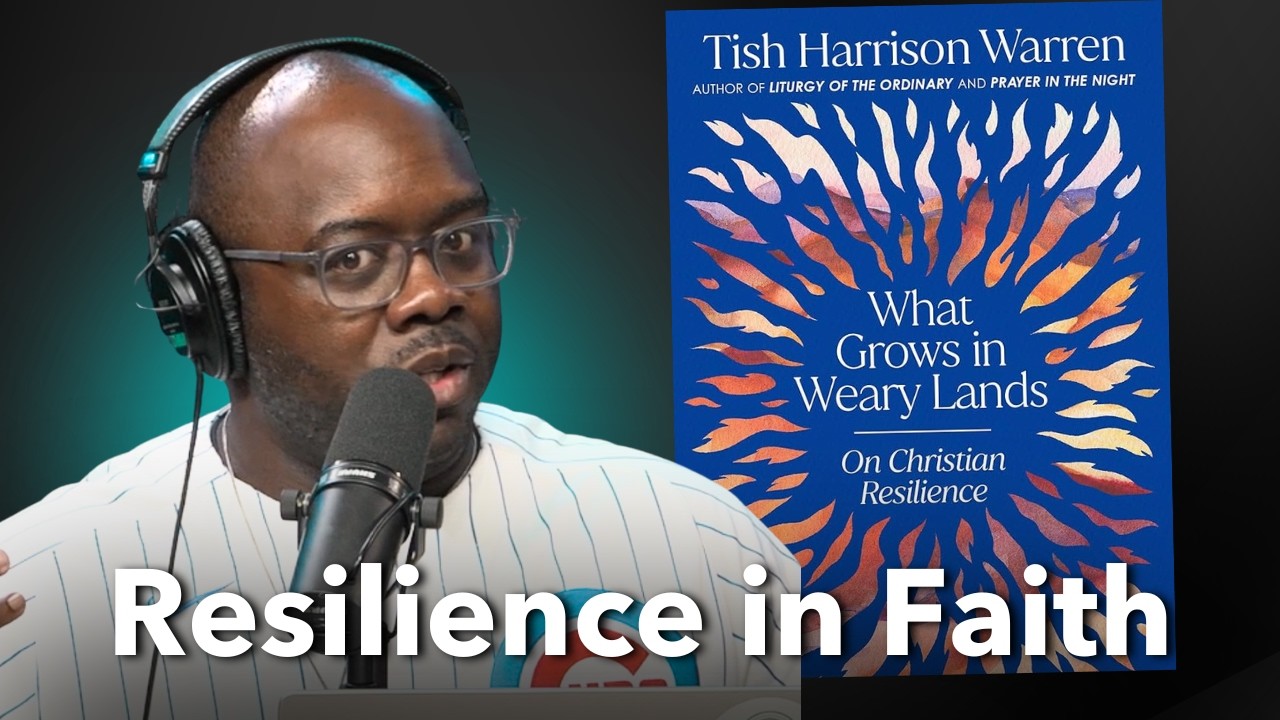
🔗 **Source:** [How to Stay Christian When Everything Seems Awful](https://www.youtube.com/watch?v=0KeaGJ4uwWg)
> [!note]+ Document Notes
> tags: [christian-resilience, spiritual-formation, middle-faith-journey]
> author: Esau McCauley
> source: Esau McCauley Podcast
> reference: https://www.youtube.com/watch?v=0KeaGJ4uwWg
> date created: {{date:YYYY-MM-DD}} {{time:HH:mm}}
>
> # 🏷️ Title: How to Stay Christian When Everything Seems Awful
>
<!-- deep-read:sections start -->
## 🧭 Table of Contents
- [📝 Summary](#-summary)
- [📖 Main Content](#-main-content)
- [🗒️ Notes](#️-notes)
- [📚 References](#-references)
- [🗣️ Paraphrase](#️-paraphrase)
- [📰 Newsletter](#-newsletter)
- [✅ Action Items](#-action-items)
- [🧪 Hypotheses](#-hypotheses)
- [📊 Methodology](#-methodology)
- [❓ Questions](#-questions)
- [🔮 Future Research](#-future-research)
- [💡 Implications](#-implications)
- [🧠 Learning Styles Assessment](#-learning-styles-assessment)
- [📊 Accessibility Assessment](#-accessibility-assessment)
- [🌍 DEIB Assessment](#-deib-assessment)
- [✅ Logical Validity](#-logical-validity)
- [🛡️ DARVO Analysis](#-darvo-analysis)
- [🎯 Conclusion](#-conclusion)
## 📝 Summary
- Tish Harrison Warren discusses her new book "What Grows in Weary Lands" about Christian resilience during difficult seasons
- The conversation explores burnout from high-profile ministry work and the spiritual challenges of constant public engagement
- Warren emphasizes the importance of "staying in yourself" rather than deconverting or constantly seeking change
- The discussion centers on stability, community commitment, and finding God in ordinary, weary seasons
- Both hosts reflect on how middle-aged Christianity requires different wisdom than conversion or end-of-life faith stories
## 📖 Main Content
Tish Harrison Warren, author of "What Grows in Weary Lands," joins hosts Esau McCauley and Mike to discuss Christian resilience during seasons of spiritual weariness. Warren's book emerges from her own experience of burnout after two years writing a weekly newsletter for the New York Times.
The conversation reveals the unique challenges facing Christians in high-profile ministry positions. Warren describes how writing about God professionally while managing criticism from multiple sides led to spiritual exhaustion and a sense of God's distance. She left the Times despite it being a prestigious platform, choosing instead to focus on local church ministry and slower-paced writing.
The book addresses what Warren calls "middle stories" in Christian faith—the experiences between conversion and spiritual maturity that often go unexamined. Rather than promoting dramatic change or deconstruction, Warren advocates for "staying in yourself" and practicing stability even when faith feels difficult.
Key themes include the monastic practice of stability, which involves committing to place, people, and practices over long periods rather than seeking external solutions to internal spiritual challenges. Warren contrasts this with contemporary culture's emphasis on hypermobility and constant change.
### 🗒️ Notes
#### ⏱️ [00:03:12](https://www.youtube.com/watch?v=0KeaGJ4uwWg&t=192) Introduction and friendship context
- McCauley introduces Warren as "one of my best friends"
- They've done family vacations together and influenced each other's writing
- Both worked independently at the New York Times
#### ⏱️ [00:08:45](https://www.youtube.com/watch?v=0KeaGJ4uwWg&t=525) McCauley's graduation reflection
- Emotional experience at son's high school graduation
- Realization about "18 years of persistence in the real context of fatigue"
- Connection between parental persistence and spiritual resilience
#### ⏱️ [00:12:30](https://www.youtube.com/watch?v=0KeaGJ4uwWg&t=750) Warren's New York Times experience
- Wrote weekly newsletter for two years
- 48 pieces in 51 weeks the first year
- Faced criticism from both progressive and conservative Christians
- Experienced spiritual burnout and sense of God's distance
#### ⏱️ [00:18:42](https://www.youtube.com/watch?v=0KeaGJ4uwWg&t=1122) The challenge of writing about God professionally
- God reduced to "sociological artifact that we fight about"
- Felt like "God was a corpse on the table that medical examiners debate about"
- Difficulty maintaining separate devotional life when God becomes your job
#### ⏱️ [00:25:15](https://www.youtube.com/watch?v=0KeaGJ4uwWg&t=1515) Book writing process
- Hardest book Warren has written
- Transition from 1,000-1,200 word weekly pieces to book-length reflection
- Importance of getting quiet and taking time with words
#### ⏱️ [00:32:08](https://www.youtube.com/watch?v=0KeaGJ4uwWg&t=1928) Local vs. platform ministry
- Both hosts chose to step back from large platforms
- Value of "grounded goods" - caring for real people with individual problems
- Contrast between fighting about God and fighting for God
#### ⏱️ [00:35:45](https://www.youtube.com/watch?v=0KeaGJ4uwWg&t=2145) Target audience: "seasoned spiritual travelers"
- Book about "the middle" rather than conversion or end-of-life stories
- Addresses Christians who've been in the faith long enough to experience disappointment
- Not necessarily about age but about years in Christianity
#### ⏱️ [00:42:20](https://www.youtube.com/watch?v=0KeaGJ4uwWg&t=2540) "Stay in yourself" chapter
- Core concept that became crucial during Warren's difficult season
- Alternative to both stoic endurance and dramatic life changes
- Contrast with "eat, pray, love" model of starting over
#### ⏱️ [00:48:30](https://www.youtube.com/watch?v=0KeaGJ4uwWg&t=2910) The challenge of "stay Christian" stories
- Compared to Superman stories - harder to write compelling narratives about persistence
- Cultural preference for dramatic conversion or deconversion stories
- Difficulty of making perseverance sound inspiring
#### ⏱️ [00:55:12](https://www.youtube.com/watch?v=0KeaGJ4uwWg&t=3312) Stability as spiritual practice
- Benedictine concept applied to contemporary life
- Problem of "externalizing" spiritual issues through constant change
- Need to "get stuck" in order to face internal spiritual work
#### ⏱️ [01:02:45](https://www.youtube.com/watch?v=0KeaGJ4uwWg&t=3765) Mike's question about weariness
- Metaphor of building a fire that won't light
- "In the end, it all feeds the flame. In the end, nothing will be wasted"
- Encouragement for those feeling like nothing they're doing matters
## 📚 References
- "What Grows in Weary Lands: On Christian Resilience" by Tish Harrison Warren
- "Liturgy of the Ordinary" by Tish Harrison Warren
- "How Far to the Promised Land" by Esau McCauley
- New York Times (Warren's former workplace)
- Benedictine monasticism and the practice of stability
## 🗣️ Paraphrase
Tish Harrison Warren's conversation reveals the hidden challenges of high-profile Christian ministry and offers wisdom for navigating spiritual weariness. After burning out from writing weekly for the New York Times while facing criticism from all sides, Warren chose to step back and focus on local ministry. Her resulting book addresses the often-ignored "middle" of Christian experience - the long seasons between dramatic conversions and end-of-life wisdom where persistence feels mundane rather than inspiring. Rather than promoting dramatic change or deconstruction, Warren advocates for the monastic practice of stability: committing to place, people, and spiritual practices even when they feel ineffective. The conversation emphasizes how contemporary culture's preference for mobility and constant change can prevent the deep internal work that spiritual maturity requires.
## 📰 Newsletter
**Finding God in the Weary Middle: Lessons from Tish Harrison Warren**
This week's conversation with Tish Harrison Warren offers profound insights for anyone feeling spiritually exhausted by the demands of Christian life and ministry. Her journey from New York Times columnist to advocate for monastic stability provides a compelling alternative to our culture's obsession with platform-building and constant change.
Warren's concept of "staying in yourself" particularly resonates in our hypermobile world where every spiritual challenge seems to demand geographic or career solutions. For WordPress professionals juggling client demands, community involvement, and personal faith, her wisdom about committing to place and people over long periods offers practical guidance for sustainable ministry and work.
The discussion of "middle stories" in Christian faith feels especially relevant as many in our community navigate the gap between youthful enthusiasm and mature wisdom. Warren's fire-building metaphor reminds us that seemingly unproductive seasons often provide the kindling for future growth.
**Resources:**
- "What Grows in Weary Lands" by Tish Harrison Warren
- Consider how stability principles might apply to your local WordPress meetup involvement
- Reflection questions about the difference between fighting about faith and fighting for faith
## ✅ Action Items
#### DevRel
- Develop content series on sustainability in developer advocacy roles
- Create resources for tech workers experiencing professional burnout while maintaining faith commitments
- Host discussions on balancing platform ministry with local community involvement
#### Community
- Facilitate conversations about long-term commitment vs. hypermobility in tech careers
- Develop mentorship programs pairing experienced community members with those facing "middle" challenges
- Create space for sharing ordinary faithfulness stories rather than just dramatic conversion/success narratives
#### WordPress
- Design meetup formats that emphasize depth and stability over constant innovation
- Develop resources for WordPress professionals integrating faith and work
- Consider how community building can reflect monastic principles of stability and commitment
## 🧪 Hypotheses
- Christians in high-profile ministry roles experience unique spiritual challenges that require different pastoral care approaches
- The cultural preference for dramatic spiritual narratives leaves many believers without language for ordinary faithfulness
- Practicing stability in place and community provides better spiritual formation than constantly seeking new opportunities
- Professional writing about faith can create spiritual distance from personal devotional practices
- "Middle" seasons of spiritual weariness are formative rather than obstacles to overcome
- Contemporary evangelical culture inadequately prepares believers for the long, ordinary work of spiritual maturity
### 📊 Methodology
- Longitudinal studies tracking spiritual health of high-platform ministers versus local church leaders
- Analysis of spiritual autobiography genres to identify narrative patterns and gaps
- Comparative studies of community stability versus mobility in spiritual formation outcomes
- Ethnographic research on monastic practices adapted for contemporary secular professions
### ❓ Questions
- How can Christian institutions better support leaders experiencing platform-related spiritual burnout?
- What specific practices help maintain spiritual intimacy while writing professionally about faith?
- How might churches celebrate and teach "middle" faithfulness alongside conversion and missions stories?
- What role should geographic and career stability play in spiritual formation curricula?
- How can technology workers integrate monastic principles without abandoning professional growth?
### 🔮 Future Research
- Development of spiritual formation models specifically for content creators and platform ministers
- Exploration of how hypermobility affects church community health and individual spiritual development
- Investigation of monastic practices most adaptable to contemporary professional life
- Study of how different Christian traditions approach "middle" spiritual seasons
### 💡 Implications
- **Pastoral Care**: Ministers need specialized support for platform-related spiritual challenges
- **Spiritual Formation**: Church curricula should include preparation for ordinary, weary seasons of faith
- **Community Building**: Emphasis on stability and commitment over constant growth and change
- **Professional Ethics**: Consider spiritual costs of high-visibility Christian work
- **Educational Policy**: Seminaries and Christian colleges should address hypermobility's spiritual implications
### 🧠 Learning Styles Assessment
Reading level estimate: Flesch-Kincaid Grade 11.2 - accessible to educated general audience
#### 👀 Visual learners
- Present: Conversation format provides relational context
- Improve: Add chapter diagrams, timeline of Warren's career transition, infographic of stability vs. mobility concepts
#### 🔊 Aural learners
- Present: Full podcast audio available on original platform
- Improve: Provide shorter audio summaries of key concepts, meditation guides based on stability practices
#### 🗣️ Verbal learners
- Present: Rich conversational language, clear definitions of terms like "stability" and "middle stories"
- Improve: Glossary of monastic terms, comparison charts between different spiritual narrative types
#### 🧩 Kinesthetic learners
- Present: Practical examples like fire-building metaphor, parenting experiences
- Improve: Exercises for practicing stability, journaling prompts for identifying "middle" experiences
#### 🧠 Logical learners
- Present: Clear progression from problem (burnout) to solution (stability), cause-and-effect relationships
- Improve: Decision trees for choosing stability vs. mobility, frameworks for evaluating platform opportunities
#### 🧑🤝🧑 Social learners
- Present: Friendship context, discussion of community commitment
- Improve: Discussion guides for small groups, questions for exploring stability in community contexts
#### 🧘♀️ Solitary learners
- Present: Personal reflection opportunities, individual spiritual journey focus
- Improve: Self-assessment tools for spiritual weariness, private retreat guides based on monastic principles
#### 🌿 Naturalistic learners
- Present: Fire-building metaphor connects to natural processes
- Improve: Additional nature metaphors for spiritual seasons, connection between place-based stability and environmental stewardship
### 📊 Accessibility Assessment
#### Screen reader semantics
- Present: Clear heading structure, descriptive timestamp formatting
- Improve: Add ARIA labels for podcast controls, ensure timestamp links have descriptive text
#### Keyboard navigation
- Present: Standard navigation available
- Improve: Skip links to major sections, keyboard shortcuts for timestamp navigation
#### Contrast and readability
- Present: Standard text formatting meets basic contrast requirements
- Improve: Ensure timestamp links maintain sufficient contrast, consider dark mode compatibility
#### Text resizing and reflow
- Present: Responsive text formatting
- Improve: Test at 200% zoom, ensure transcript formatting remains readable
#### Media and captions
- Present: Full transcript provided
- Improve: Time-synced captions for video version, audio descriptions for visual elements
#### Forms and interactions
- Present: Basic link interactions
- Improve: Clear focus indicators, accessible sharing controls
### 🌍 DEIB Assessment
#### Cultural breadth
- Present: American evangelical perspective well-represented
- Improve: Connect stability concepts to other cultural traditions, acknowledge non-Western approaches to spiritual formation
#### Inclusive language
- Present: Generally inclusive, avoids exclusionary Christian jargon
- Improve: Define terms like "deconversion" and "evangelical," consider non-denominational perspectives
#### Neurodiversity support
- Present: Clear structure, consistent formatting
- Improve: Content warnings for discussion of spiritual crisis, clearer topic transitions
#### Representation
- Present: Both male and female voices, discussion of different life stages
- Improve: Acknowledge that stability looks different across economic circumstances, include diverse family structures
#### Psychological safety
- Present: Validates spiritual struggle, non-judgmental tone toward doubt
- Improve: Clearer acknowledgment that leaving faith can be necessary for some, resources for crisis support
### ✅ Logical Validity
#### Strong reasoning
- **Analogical reasoning**: Fire-building metaphor effectively illustrates how apparent spiritual stagnation contributes to eventual growth
- **Inductive reasoning**: Personal experiences generalized to broader principles about spiritual formation
- **Causal reasoning**: Clear connection drawn between hypermobility and inability to address internal spiritual work
#### Fallacies
- **Potential selection bias**: Focus on successful navigation of spiritual weariness may not account for those who needed to leave faith for legitimate reasons
- **False dilemma**: Some presentation of "stay vs. leave" could acknowledge more nuanced middle positions
#### Tone of voice
- Conversational and vulnerable, with appropriate humor and personal disclosure that builds trust and relatability
### 🛡️ DARVO Analysis
- No evidence of DARVO patterns in this conversation
- Participants acknowledge legitimate criticisms and challenges rather than deflecting
- Vulnerable sharing about failures and struggles rather than attacking accusers
## 🎯 Conclusion
This conversation offers valuable wisdom for anyone experiencing spiritual weariness or questioning the sustainability of high-visibility Christian work. Warren's emphasis on stability over mobility provides a compelling alternative to contemporary culture's solutions for spiritual malaise. The practical insights about "staying in yourself" and finding God in ordinary seasons speak directly to the challenges facing many Christians in professional and ministry contexts.
For readers navigating their own "middle" seasons of faith, the conversation validates the difficulty while offering hope that apparent stagnation often provides necessary preparation for future growth. The fire-building metaphor serves as a particularly powerful reminder that "nothing will be wasted" in God's economy.
## 🔄 Refactor Appendix — How to Stay Christian When Everything Seems Awful
### 📚 Literature Atoms (H3)
#### Platform ministry creates unique spiritual hazards requiring specialized pastoral care
> [!quote] ID:rw_001
> God is essentially reduced in our culture, I think, in our discourse to a sociological artifact that we fight about... it felt like God was on like a corpse on the table that we like medical examiners like debate about instead of this like living being that we can know.
**Context & use**:
- Warren describing her experience writing for the New York Times
- Critical insight for anyone doing public faith work
- Connects professional platform pressures to personal spiritual life
**Tags**: #platform-ministry #spiritual-formation #xref
**Highlight**: [view highlight](https://www.youtube.com/watch?v=0KeaGJ4uwWg&t=1122)
<!-- atomicity: 1 idea ✓ -->
#### Hypermobility prevents the spiritual work that stability enables
> [!quote] ID:rw_002
> The temptation with hypermobility that the monks the desert fathers and mothers are constantly talking about is that we can externalize the problems in our life... And what it's doing is it's um locating uh the real battle of our spiritual life outside of us.
**Context & use**:
- Core argument for monastic practice of stability
- Challenges contemporary solutions to spiritual problems
- Applies beyond geography to job changes, church shopping, etc.
**Tags**: #stability #monastic-practices #spiritual-formation #xref
**Highlight**: [view highlight](https://www.youtube.com/watch?v=0KeaGJ4uwWg&t=3312)
<!-- atomicity: 1 idea ✓ -->
#### Middle faith stories lack cultural narratives and support
> [!quote] ID:rw_003
> We really love stories of newness in in the United States, like young love, romcoms, whatever... but we just don't have a lot of stories about the middle.
**Context & use**:
- Identifies gap in Christian discipleship and spiritual formation
- Explains why many believers feel isolated in ordinary seasons
- Points to need for different pastoral approaches
**Tags**: #middle-faith #spiritual-formation #narrative-theology #xref
**Highlight**: [view highlight](https://www.youtube.com/watch?v=0KeaGJ4uwWg&t=2145)
<!-- atomicity: 1 idea ✓ -->
### 🧠 Permanent Candidates (H4)
#### Spiritual weariness as formative rather than obstacle
**Claim**: Seasons of spiritual weariness and apparent stagnation serve essential formative purposes rather than indicating spiritual failure or need for dramatic change.
**Evidence pointer**: [[#Platform ministry creates unique spiritual hazards requiring specialized pastoral care]]
**Scope & conditions**: Applies when basic spiritual practices continue despite lack of felt experience; does not apply to situations requiring therapeutic intervention or legitimate faith transitions
**Links**:
- [[Monastic spiritual formation]] — because extends
- [[Dark night of the soul]] — because applies-in similar spiritual seasons
- [[Burnout vs spiritual formation]] — because contrasts productive vs destructive weariness
<!-- atomicity: 1 idea ✓ -->
### ✏️ Fleeting Queue
- Research Benedict's Rule on stability for contemporary applications #fleeting #research
- Compare stability practices across different religious traditions #fleeting #comparative-religion
- Interview others who left high-profile ministry for local work #fleeting #methodology
### → Things 3 (max 2 actions)
- [ ] Order "What Grows in Weary Lands" to read full argument about stability practices #things
- [ ] Reflect on own patterns of externalizing spiritual problems through change #things
---
## Full Transcript
[00:06] Hello everyone. Welcome to the Esau<br>[00:08] McCaulay podcast. I'm your host, Esau<br>[00:10] McCaulay. Today we're joined by producer<br>[00:12] Mike. Mike, it's good to have you on the<br>[00:13] podcast again.<br>[00:14] >> It's great to be here.<br>[00:15] >> I say it's good to have you on the<br>[00:16] podcast. Like you I'm not here every<br>[00:18] single week.<br>[00:18] >> I think I have a I don't have a choice.<br>[00:20] >> And we're blessed with probably having<br>[00:21] one of my best friends on the podcast.<br>[00:23] Tish Harrison Warren.<br>[00:24] >> Whoa, whoa, whoa, whoa, whoa, whoa,<br>[00:25] whoa, whoa, whoa, whoa. Best. I thought<br>[00:26] I was your best friend. I said one of<br>[00:29] >> I mean<br>[00:30] >> I said one of I didn't say I didn't say<br>[00:32] >> we'll talk about this after the podcast.<br>[00:34] >> She she's in the top. I mean like she's<br>[00:36] high.<br>[00:37] >> Yeah, I agree.<br>[00:37] >> But can we talk about her book?<br>[00:38] >> Yes.<br>[00:39] >> I'm in the circle of trust.<br>[00:40] >> In the circle of trust. Author of the By<br>[00:43] the way before we start though cuz you<br>[00:45] got you. So me and Tisha well our<br>[00:47] families. So the the Warren and the<br>[00:50] colleagues we've done vacations<br>[00:51] together. We've been to Florida.<br>[00:53] >> Wow.<br>[00:55] and she came and they came and they<br>[00:57] stayed with us for a couple of days when<br>[00:59] they um were in the um wherever we are<br>[01:01] in the Midwest. But anyways, she's this<br>[01:03] is Tish Harrison Warren, author of the<br>[01:05] book What Grows and Weary Lands on<br>[01:07] Christian Resil. I got to say this<br>[01:09] again. What grows in we I can never<br>[01:11] read. What grows in re I can't say the<br>[01:14] word weary. Tish wrote a new book y'all.<br>[01:16] Can I just say that?<br>[01:18] >> Can I say the title?<br>[01:19] >> Can Yes. Hey Tish, what what's the title<br>[01:21] of your new book? The W's get me weary.<br>[01:24] Weary. Sorry. Go ahead. Tish. What is<br>[01:26] the name of your new book?<br>[01:28] >> My My new book, for those searching for<br>[01:31] it,<br>[01:33] >> have no idea what Esau just said, is um<br>[01:36] What Grows in Weary Lands.<br>[01:38] >> Yes.<br>[01:39] >> And the subtitles on Christian<br>[01:41] resilience.<br>[01:41] >> Yes. Can I speak to you about like an<br>[01:43] unrelated um like portion of Christian<br>[01:46] resilience for me?<br>[01:47] >> Yeah. Mhm.<br>[01:48] >> So,<br>[01:49] >> saying my title, it requires me.<br>[01:52] >> Amen.<br>[01:52] >> You keep going.<br>[01:53] >> So, I don't know what you all have<br>[01:55] planned for your the last couple of<br>[01:57] weeks, but you know where I was? Well,<br>[01:58] it'll be a week by the time this podcast<br>[02:00] comes out. You know where I was<br>[02:01] yesterday?<br>[02:01] >> Where's that?<br>[02:02] >> I was at my son's graduation.<br>[02:05] >> This is the first time we had a kid who<br>[02:08] graduated from high school. So, I'm<br>[02:09] going to I asked you this before, but I<br>[02:11] want to have the people hear this<br>[02:12] before. When your ch When your child was<br>[02:14] born,<br>[02:15] >> Uhhuh.<br>[02:15] >> did you cry?<br>[02:16] >> My My eyes got watery. Okay. I cried. I<br>[02:18] cried. I cried when my wife told me she<br>[02:20] was pregnant. For all of each of our<br>[02:21] four kids, I've cried at four births. So<br>[02:24] that's like eight That's eight times,<br>[02:25] right? Tish, did you cry when your child<br>[02:28] was born? When you looked When you first<br>[02:30] looked at Who's the oldest? Rain.<br>[02:32] >> Yeah.<br>[02:32] >> When you first looked at Rain, did you<br>[02:34] cry or were you like had it together?<br>[02:37] >> Uh I don't remember. I I had just<br>[02:41] birthed a child. I was going to say so<br>[02:43] it's a slightly different experience on<br>[02:46] that side.<br>[02:46] >> I think there were<br>[02:48] >> I think I cried.<br>[02:49] >> Okay. I'm going to I'm going to<br>[02:51] >> It's very blurry. You get these literal<br>[02:53] hormones that make you forget.<br>[02:55] >> Oh. Oh, I didn't know that.<br>[02:58] I'm good at this. Don't worry about it.<br>[03:00] Don't worry about I'm sure the women of<br>[03:01] the who listen to this podcast are going<br>[03:03] to love these last 90 seconds. The<br>[03:05] reason I say this is because<br>[03:07] >> I was not ready for graduation. The<br>[03:11] waterworks got me. At the beginning it<br>[03:13] was misty.<br>[03:14] >> So it was like a little bit of mist<br>[03:16] >> and then they get to the end where they<br>[03:18] the they read they said his name and he<br>[03:21] walked across and I was starting to get<br>[03:23] a little bit there. Then it's a<br>[03:25] Christian school, those little<br>[03:26] manipulative people. And they had a<br>[03:28] worship song before the final song.<br>[03:31] >> Uhhuh.<br>[03:31] >> And I was talking to God and I was like,<br>[03:35] "Oh my goodness.<br>[03:38] We raised me, you and my wife. We raised<br>[03:41] a whole human being and he's going off<br>[03:43] to college. And I just cried and cried<br>[03:46] and cried because I thought<br>[03:47] >> and Luke is amazing. You did so good.<br>[03:50] You did so well.<br>[03:51] >> And the thing about it was it was the 18<br>[03:54] years of I know it's not done, but it<br>[03:57] was the 18 years of persistence in the<br>[04:01] real context of fatigue. And I was like<br>[04:05] it was worth. It was this one moment<br>[04:07] where like it felt like these 18 years I<br>[04:10] saw it all coales and like this young<br>[04:12] emerging adult walking across the stage<br>[04:15] and I was crying and I have one set of<br>[04:17] kids on this side and the other and my<br>[04:19] wife was looking at the other side and I<br>[04:20] didn't want to look at anybody<br>[04:23] and I just cried and talked through it<br>[04:25] to God. But anyways, we're not here to<br>[04:26] talk.<br>[04:26] >> Mandy cried.<br>[04:27] >> Oh yeah, Mandy. Mandy that that song you<br>[04:30] you think it's just a song? What's the<br>[04:31] little march in song? Got her. like she<br>[04:34] cried before she even saw her kid. She's<br>[04:37] just crying with a random kid walking<br>[04:39] by. So yeah, it got Mandy too. And I I<br>[04:42] don't I don't know what happened at the<br>[04:43] end cuz during my cry moment, I wasn't I<br>[04:45] didn't want any I didn't want to look at<br>[04:47] anybody. It was just me and the Lord.<br>[04:48] And so I have no idea.<br>[04:49] >> So sweet as someone<br>[04:50] >> I will say we when we dropped off our<br>[04:55] middle child on for kindergarten at the<br>[04:59] time we thought she was our last child.<br>[05:01] >> Yeah.<br>[05:02] We sobbed both my husband and I<br>[05:05] kindergarten. We missed they had a<br>[05:07] little breakfast for the parents that<br>[05:09] dropped their kids off to kindergarten<br>[05:11] and we missed the breakfast because we<br>[05:13] were like we can't we like we were<br>[05:15] crying significantly enough. So we were<br>[05:17] like we can't go we can't have muffins<br>[05:19] with strangers.<br>[05:21] >> So you have no chance at graduation.<br>[05:23] Okay. Me and you we've known each other<br>[05:25] for a long time. One of the things that<br>[05:27] that we did together is that we both<br>[05:31] worked for the New York Times. I know<br>[05:33] it's odd. We're both really good<br>[05:35] friends, but independently of each<br>[05:36] other, we both got this job at the New<br>[05:38] York Times. Now, my job was different. I<br>[05:40] wrote maybe once a month, but you had a<br>[05:45] weekly newsletter. How long did you<br>[05:46] write it, Tish?<br>[05:48] >> Two years.<br>[05:48] >> Two years. And part of this book comes<br>[05:51] out of having done that for two years.<br>[05:54] But can you say a little bit of what it<br>[05:55] was like for you to work at the New York<br>[05:57] Times? What made you decide to leave?<br>[05:59] >> It was a pretty tortured decision to<br>[06:01] leave. It was a difficult decision in<br>[06:03] the sense that the New York Times was a<br>[06:05] good job. Like as a writer on faith,<br>[06:07] like I'm not going to get a bigger<br>[06:09] outlet than writing for the New York<br>[06:10] Times every week. So it I knew it was um<br>[06:15] like a super rare opportunity. And um so<br>[06:19] making the decision to leave was was<br>[06:21] incredibly hard. And in in the end, I<br>[06:25] mean, it was a lot of things that led to<br>[06:27] that decision.<br>[06:28] Um, but I mean, one of them is I I<br>[06:33] really was running hard. And when I<br>[06:35] started at the New York Times, our<br>[06:37] youngest son was he was not yet two. He<br>[06:39] was only one. So, I had I I had little<br>[06:43] kids, uh, mom with Alzheimer's, and, um,<br>[06:47] this big job. And so uh when I left I<br>[06:52] was tired. Um but it was deeper than<br>[06:56] that. It was like uh it was spiritually<br>[06:58] I was I was in this season where God<br>[07:00] felt very distant. Um I was struggling<br>[07:04] with discouragement and doubt and I was<br>[07:08] disoriented. I think um even on I mean<br>[07:13] the American church is struggling and<br>[07:14] and we were feeling that on a local<br>[07:16] level in a lot of really hard ways. I<br>[07:20] was just in deep burnout like I was very<br>[07:24] cynical and I was very tired but I also<br>[07:27] just had this like profound sense of<br>[07:29] God's distance.<br>[07:30] >> Well was part of the cynicism coming<br>[07:33] from like the criticism. One of the<br>[07:35] things that's really difficult is that<br>[07:37] people tend to when you produce content,<br>[07:41] it sounds weird, but they can begin to<br>[07:43] think of you as a part of the content.<br>[07:45] >> And so the discussion isn't just about<br>[07:47] like your ideas, it becomes who you<br>[07:49] represent. And so one of the hard things<br>[07:51] is because the New York Times is such a<br>[07:53] large platform, it feels like everybody<br>[07:56] wants it. And it and it it can sometimes<br>[07:58] feel that they can take you down. they<br>[08:00] can then replace you<br>[08:01] >> if not with actually themselves but like<br>[08:05] with someone who fits their ideological<br>[08:08] um kind of desires for the church. And<br>[08:10] so it feels like<br>[08:11] >> fighting about what what you were<br>[08:13] writing in the New York Times became a<br>[08:14] proxy for people fighting about what<br>[08:16] they thought Christianity in America<br>[08:18] should be. Did you ever feel that as a<br>[08:20] writer?<br>[08:21] >> Yeah. Yeah. I mean there there were<br>[08:23] people there was a website that was kind<br>[08:25] of devoted<br>[08:27] to sort of tearing apart or<br>[08:30] deconstructing whatever I wrote and and<br>[08:32] getting me fired. I mean this happened<br>[08:34] on two levels. Some of this was kind of<br>[08:36] like more progressive Christians that<br>[08:39] were angry that I was at the times even<br>[08:43] though I'm like pro-life and am<br>[08:47] traditional in marriage and they were<br>[08:49] like mad. Um,<br>[08:51] >> even though I am<br>[08:54] >> I am not a political conservative. I<br>[08:58] mean, I am politically um well, I I<br>[09:02] didn't vote for Trump. I'll say that.<br>[09:03] But, um,<br>[09:04] >> this is the same space. Um so uh and<br>[09:11] yeah, but still it it was tribalism in<br>[09:14] the sense that um you know because I had<br>[09:16] a I had a whole series on reparations<br>[09:19] and racial justice that that lasted uh<br>[09:22] four weeks. I had um I had a piece<br>[09:26] called The Culture Where We Should Be<br>[09:27] Fighting that kind of went through 2,000<br>[09:30] years of Christian language around<br>[09:34] economic justice and um care for the<br>[09:37] poor. And the people that, you know,<br>[09:39] would yell at me about u whatever<br>[09:42] writing about um whole life prolife<br>[09:47] stances, they never then like turn<br>[09:49] around and like shared the economic<br>[09:51] justice stuff or were like shared the<br>[09:53] like racial justice stuff. It was like<br>[09:55] >> if you have those views, you are<br>[09:58] anathema. At the same time, there is<br>[10:02] also just at the times some folks that<br>[10:04] are um<br>[10:08] that don't believe in God and just think<br>[10:09] it's ridiculous. I mean, it would be<br>[10:11] language like why do in the paper of<br>[10:13] record, why do we have a newsletter<br>[10:16] dedicated to the sky fairy every week?<br>[10:19] >> Yeah, this is like so this is funny.<br>[10:21] This is Young Naive Esau. Um, when I I<br>[10:24] think it was the first year I got the<br>[10:26] job, I was so excited about it that you<br>[10:28] know how you can do like the screenshot<br>[10:30] of like the contract, but I just had<br>[10:32] like New Year's announce that had like<br>[10:33] my name, not all of the other stuff in<br>[10:35] it. And I just posted it on the internet<br>[10:37] with like genuine joy and I never forget<br>[10:40] there was um like a thread that started<br>[10:42] and there was a white guy who said, "I<br>[10:44] don't think that this black guy should<br>[10:46] have the job." and he suggested like<br>[10:49] they suggested, "Oh, there should be<br>[10:50] another black guy who should have the<br>[10:52] job." And they like tagged the black<br>[10:54] person in the like thread and it was<br>[10:56] this conversation. I was like, "Well,<br>[10:57] hold on." It was like a white guy trying<br>[11:00] to take a black man's job by like<br>[11:02] suggesting other black people. I was<br>[11:04] like, "That's kind of racism." And and<br>[11:06] and it was the first time I was<br>[11:08] introduced to like this struggle for<br>[11:10] power. And I think and it's not just<br>[11:13] that. It's because even like maybe me I<br>[11:15] don't know if this is true for Tish you<br>[11:18] can then like you talked about this like<br>[11:19] like God becomes your job<br>[11:21] >> and so how did the fact that like it was<br>[11:23] your cuz I I had the advantage of I<br>[11:26] could kind of disappear for like a month<br>[11:27] or I could go and do other things but<br>[11:29] you were writing every week. What was it<br>[11:31] like spiritually? You talked about it<br>[11:33] being burned out but does writing about<br>[11:36] God make it harder to have a separate<br>[11:38] devotional life to God with God?<br>[11:41] >> That's interesting.<br>[11:43] Um<br>[11:45] yeah, I I think a few things happened.<br>[11:47] First of all, there was the sheer like<br>[11:50] pace of of life and production that I<br>[11:53] was doing. It made it really difficult<br>[11:56] to um practice silence or Sabbath or I<br>[12:01] mean I remember I I've I've kept the<br>[12:03] Sabbath for many decades, but my piece<br>[12:06] came out on Sunday. that was not, you<br>[12:09] know, that wasn't a<br>[12:10] >> Yeah,<br>[12:11] >> that was the New York Times choice and I<br>[12:13] I didn't have a say in that. And um so I<br>[12:16] would I would desperately try to ignore<br>[12:18] it on Sunday. I would try to not look at<br>[12:21] it until Monday<br>[12:22] >> and then I would text you about it.<br>[12:23] >> It was it was such a struggle and<br>[12:25] especially Yeah. If it not you<br>[12:28] necessarily, but like if if it was a<br>[12:30] piece that got a lot of buzz or a lot of<br>[12:33] controversy, I mean my phone would be<br>[12:35] like pinging bing bing bing bing and you<br>[12:36] can turn it off to some extent. I mean<br>[12:38] you can I did but um there were also<br>[12:42] times where there were like pretty<br>[12:43] significant typos or problems that<br>[12:45] needed to be like I would there were<br>[12:47] thing it was hard. I'll say that. And<br>[12:49] then um so there was that level just the<br>[12:53] pa pace and the having to um produce at<br>[12:58] that level every week. I mean I wrote<br>[13:01] the first year that I was there I wrote<br>[13:04] um 48 pieces in 51 weeks.<br>[13:07] >> Oh my goodness. I had three weeks off<br>[13:09] and that counts like holidays like<br>[13:11] getting sick like so at that and it has<br>[13:14] to be good obviously because it's New<br>[13:18] York Times but there's a there's a um a<br>[13:21] a rigor that has to come to writing when<br>[13:24] your audience or large part portions of<br>[13:27] your audience don't necessarily share<br>[13:29] your priors or don't necessarily share<br>[13:32] your worldview. There's a there's a<br>[13:34] special care that has to go into<br>[13:36] writing. So it was a lot just like on on<br>[13:41] that level and on you know if my pieces<br>[13:44] were always due Tuesday and my kids if<br>[13:46] they had a lot of school holidays fall<br>[13:48] on Mondays and it was just kind of like<br>[13:51] >> I mean the piece is still due on<br>[13:53] Tuesday. Nope.<br>[13:54] >> Sorry. Sorry, President. Sorry,<br>[13:57] President's Day. Let me let me ask you<br>[13:58] this cuz before this might actually help<br>[14:00] the transition to this part.<br>[14:02] >> You were talking to me. Tell me about<br>[14:04] your opinion about like this book<br>[14:06] because the book that you write comes<br>[14:07] out of this place of burnout. What did<br>[14:09] you think about the writing in this<br>[14:10] book? You were talking to me about this.<br>[14:12] >> Well, Tish, I'll be honest to you. I<br>[14:15] just started reading your book this<br>[14:17] morning uh in preparation for our<br>[14:19] interview and I I get a lot of books<br>[14:22] sent to me um and and they all many of<br>[14:25] them just kind of all fall into the same<br>[14:27] category of like that's fine okay yeah<br>[14:30] and rarely does a book come across my<br>[14:32] desk and I'm like holy cow this is<br>[14:33] incredible and I am only about 30 pages<br>[14:36] into the book but holy cow it's<br>[14:38] incredible it it is just so well written<br>[14:41] and it I was joking with Esau like I<br>[14:43] don't know if like I've had a book come<br>[14:45] across my desk. No offense to all the<br>[14:47] books that have come across my desk<br>[14:48] since since Esau's memoir, How Far to<br>[14:50] the Promised Land, that has just spoken<br>[14:53] to me in ways that was just so<br>[14:54] beautifully written cuz one of the<br>[14:56] things that I learned from Tish because<br>[15:00] I'm not our friendship has made me into<br>[15:02] a better writer. And I used to just kind<br>[15:05] It sounds weird. I used to just write<br>[15:06] sentences and if the sentence was good,<br>[15:08] it was good. If it was bad, it was bad.<br>[15:11] But when I began to hang out with her<br>[15:13] and she sees some she's someone who sees<br>[15:15] writing as a vocation and so the<br>[15:18] crafting of sentences and paragraphs is<br>[15:20] this thing that can actually be<br>[15:21] beautiful. I'd always known it as<br>[15:23] someone who loved great literature but<br>[15:25] never thought it was something that you<br>[15:26] could actually do. And so it was so I'm<br>[15:29] glad that you said that you that you<br>[15:30] know our books reminded one remind you<br>[15:33] of one another because I've learned and<br>[15:35] been inspired by her own pros. But I'll<br>[15:37] say this, one of the other things that<br>[15:39] is difficult then is that because you<br>[15:42] had to write weekly, you didn't have<br>[15:44] space to create something that is kind<br>[15:46] of reflective and prayerful. And so may<br>[15:48] I want to ask you what was the process<br>[15:50] like of coming out of that difficult<br>[15:53] season and then having time to sit with<br>[15:56] um writing an entire book instead of an<br>[15:58] opinion piece?<br>[15:59] >> Yeah, it was a few things. It was<br>[16:02] interesting. So I had the exhaustion<br>[16:04] that we talked about. On top of that,<br>[16:06] um, there was a spiritual<br>[16:10] reality. God is essentially reduced in<br>[16:13] our culture, I think, in our discourse<br>[16:15] to a sociological artifact that we fight<br>[16:19] about.<br>[16:19] >> Yeah. And so it can become<br>[16:23] um I felt like I wanted<br>[16:26] well what I say in the book is that God<br>[16:28] it felt like God was on like a corpse on<br>[16:31] the table that we like medical examiners<br>[16:33] like debate about instead of this like<br>[16:36] living being that we can know.<br>[16:38] >> And so I think that was partly the<br>[16:41] times. I think that was partly just I<br>[16:43] was in a season of what I call in the<br>[16:45] book aridity or a desert season in my<br>[16:48] life. Um<br>[16:51] and then um I had gotten<br>[16:55] about the process of the book. I when<br>[16:57] you write you know 1,00 to,200 words<br>[17:01] week after week after week after week<br>[17:03] for years your brain starts thinking in<br>[17:06] a th00and to 1200 words like this.<br>[17:09] >> Yeah.<br>[17:09] >> Which is partly um you know this book is<br>[17:12] divided into smaller like um sections<br>[17:16] within the and they all come together.<br>[17:18] Don't worry, they accumulate. I promise.<br>[17:21] Just stay with me. But um someone was<br>[17:23] like, "It feels like a series of short<br>[17:26] essays," which I don't think would be<br>[17:28] wrong because I do think like<br>[17:30] >> I I became an essaist at the New York<br>[17:33] Times. I mean, I think that it does kind<br>[17:35] of like literally like train your<br>[17:37] neurons to kind of like deal with the<br>[17:39] world in 1200word fragments. But um I<br>[17:45] mean a lot of what I did before in the<br>[17:47] process of this book is get very quiet<br>[17:50] and um I mean people I've done podcast<br>[17:54] again and people have been saying things<br>[17:55] like tish you're alive.<br>[17:58] Um when I left the times I did not know<br>[18:00] I was going to be so quiet. I have<br>[18:03] published some things. I put out a book<br>[18:05] uh an introduction to a book on how was<br>[18:07] I. I have written a little bit for<br>[18:10] outlets here and there. Um, but I have<br>[18:13] been much more in a place of like my<br>[18:16] local church and real human beings and<br>[18:20] my children and um, and I've been<br>[18:24] writing. So, it was just it was a lovely<br>[18:27] experience. Not I'm not because Esau's<br>[18:31] here, he will know that I cannot just<br>[18:33] say this book has been so easy and<br>[18:34] lovely. It was this is the hardest book<br>[18:37] I have written. It was the hardest labor<br>[18:39] >> like by far. But um it was really nice<br>[18:44] to get to like take time with words<br>[18:46] again<br>[18:47] >> and take space with words. It was also<br>[18:50] nice to not have to share my opinion on<br>[18:51] everything.<br>[18:52] >> Yeah. What would it be like to have to<br>[18:53] have a take every week?<br>[18:54] >> I know it's the worst. It's funny<br>[18:56] because in different ways and maybe<br>[18:59] people can hopefully hear some of like<br>[19:01] we we influence one another in different<br>[19:03] ways and Tish probably in a in a<br>[19:06] slightly more radical way than I I did.<br>[19:09] People think that the goal is to get to<br>[19:11] like the the the biggest platform<br>[19:13] possible and to kind of be omnipresent.<br>[19:16] And the idea is that to be to do big<br>[19:19] things from God is have the largest<br>[19:20] audience possible. But at the height and<br>[19:23] and like at the height of that what she<br>[19:26] did is she said no I'm going to step<br>[19:28] away for two years. And and like what<br>[19:31] she did in her life is actually<br>[19:33] reflected in the book. She went, she<br>[19:34] didn't go to the desert, right? But she<br>[19:36] stepped away to actually try to find<br>[19:38] some place for silence. And I was in a<br>[19:41] similar place where there's this thing<br>[19:44] that maybe it's hard to understand and<br>[19:46] it's part of um it's why I can actually<br>[19:48] do the podcast. It's funny how we cope<br>[19:50] in different ways. It's that you can do<br>[19:53] like this kind of amorphous good that is<br>[19:55] hard to articulate. You're talking about<br>[19:58] God. You hopefully you're saying true<br>[19:59] things about God and it just goes<br>[20:01] somewhere. And people sometimes send you<br>[20:04] an email and they'll say thank you, but<br>[20:06] you don't like know those people and you<br>[20:08] can't. It feels like when I say you<br>[20:09] can't touch the good that you do. And<br>[20:11] one of the things that I did at that<br>[20:14] point is to say, you know what, I really<br>[20:15] want to go back into the local church. I<br>[20:17] want to be able to have space and time<br>[20:19] in my life to care for real people who<br>[20:22] have real problems that are individual.<br>[20:24] I was thinking about this the other day.<br>[20:26] Someone just came to me. there's a<br>[20:28] pastoral problem and I spent two or<br>[20:31] three hours just, you know, talking<br>[20:32] talking through and praying and doing<br>[20:34] these things and nobody's ever going to<br>[20:36] know about that. You know, a couple of<br>[20:38] years ago, I would have taken those same<br>[20:40] three hours and wrote an opinion piece.<br>[20:42] But there is something deeply, I think,<br>[20:44] Christian and human about saying even<br>[20:47] more than a podcast. I hope you keep<br>[20:49] listening to the podcast. There was a<br>[20:51] individual human being with a particular<br>[20:53] problem that nobody else cares about in<br>[20:55] the sense of like it wouldn't make the<br>[20:56] news. It was like a real grounded good.<br>[21:00] And it has been those grounded goods<br>[21:02] that have kept me from losing my mind<br>[21:04] because I and and she talked about this.<br>[21:06] I didn't want God to be the thing that I<br>[21:08] fight about. As a matter of fact, I<br>[21:10] don't even have the energy to fight<br>[21:11] about God. And in the sense of like the<br>[21:14] people I'm fighting with aren't when I<br>[21:15] say they're not real, I'm not saying<br>[21:16] they're not human. They're also kind of<br>[21:18] avatars on the other side of of a<br>[21:20] computer screen. And so I actually felt<br>[21:22] like I wanted to fight for God like on<br>[21:24] the ground in the actual world that we<br>[21:27] inhabit. And Tess, you did that by like<br>[21:29] stepping away. And so the book then is<br>[21:31] kind of a metaphor for<br>[21:36] taking the time to actually be useful<br>[21:38] for God instead of fighting for God. But<br>[21:40] let me tell you this question.<br>[21:42] I sometimes as I was thinking about what<br>[21:45] who this book is for and Tish, I'm not<br>[21:47] trying to shriek your audience. So trust<br>[21:49] me, this will get back broad again. I<br>[21:51] was wondering, is this a book for<br>[21:53] middle-aged Christians? And by<br>[21:55] middleage, I don't mean like Christians<br>[21:57] who are like between like 35 and what is<br>[22:00] middle age? 35 and 45 or whatever 50 is<br>[22:03] not 35.<br>[22:04] >> I don't know much.<br>[22:05] >> I am not middle 35 to 55.<br>[22:06] >> Okay, whatever. I'm actually talking<br>[22:08] about Christians<br>[22:10] >> who have been Christian for a long<br>[22:12] enough time to get to this kind of place<br>[22:14] of disappointment. there's kind of like<br>[22:16] a stage in in in your spiritual journey<br>[22:20] um that you have to get to before this<br>[22:22] book kind of really resonates. Do you<br>[22:24] think that's an accurate description?<br>[22:26] >> Yeah, it's interesting. So,<br>[22:29] uh<br>[22:30] Martin Shaw endorsed the book, which is<br>[22:33] super kind. I don't have a relationship<br>[22:35] with Martin Shaw. I don't know him well.<br>[22:37] So, there was no he there was no reason<br>[22:39] he did this other than just like<br>[22:41] generosity and he liked the book. But he<br>[22:44] said in the endorsement something like<br>[22:46] wisdom for the seasoned spiritual<br>[22:48] traveler. And when I saw that I was<br>[22:51] like, "Huh?" Like I didn't necessarily<br>[22:53] write this for the seasoned spiritual<br>[22:55] traveler. And again, like my publisher<br>[22:58] would want me to say like even if you<br>[23:00] don't think you're seasoned,<br>[23:02] but it is it is a book that um<br>[23:07] not necessarily middle age, but it's a<br>[23:10] book about the middle and really<br>[23:14] intentionally like I was kind of<br>[23:15] desperate to write like middle stories.<br>[23:17] We really love stories of newness in in<br>[23:20] the United States, like young love,<br>[23:23] romcoms, whatever. We like we like<br>[23:25] youth. We like energy. We like startups.<br>[23:28] And um and we like as evangelicals, we<br>[23:32] like conversion stories. We like change.<br>[23:35] We like people coming to faith. And I<br>[23:37] felt like there was there's a lot of<br>[23:39] focus on that and passion and being on<br>[23:41] fire for God. And then there's lots of<br>[23:44] like there's some stories fewer but<br>[23:47] there can be the gurus the people<br>[23:49] entering into glory the end of their<br>[23:51] life still faithful you know the like<br>[23:55] and and kind of the heroes you know we<br>[23:57] talk about this like what if it's like<br>[23:59] Eugene Peterson or Tim Keller Fleming<br>[24:03] Rutled you know people who are sort of<br>[24:04] wise and sagelike and um but we just<br>[24:10] don't have a lot of stories about the<br>[24:12] middle.<br>[24:13] >> Yeah.<br>[24:13] >> And even even in the church, we have<br>[24:16] conversion stories where increasingly<br>[24:17] have decon conversion stories, right,<br>[24:19] where people kind of like<br>[24:20] >> I'm going to ask you about that in a<br>[24:21] second.<br>[24:22] >> But we don't have the sort of coming<br>[24:24] back to Jesus again and again and what<br>[24:26] that looks like<br>[24:28] in in in this middle um journey. And um<br>[24:36] and when we do hear these stories, there<br>[24:38] is kind of a genre of kind of women<br>[24:40] getting about my age and life not<br>[24:42] working and kind of blowing up your life<br>[24:45] and starting over. You know, this is<br>[24:46] like the eat, pray, love, go to Tibet,<br>[24:48] leave your husband, pray through, you<br>[24:49] know, find some cool tribal<br>[24:53] um tattoo or something. And um and I<br>[24:58] think but that becomes a rebirth story,<br>[25:01] you know, a new a new and so we just<br>[25:03] don't we don't have a lot of stories<br>[25:05] about this kind of long middle and we<br>[25:08] don't have a lot of patience for them.<br>[25:09] We montage them in movies. Um, and so I<br>[25:13] I was like just desperate to talk about<br>[25:16] the middle and and I'm one of the most<br>[25:20] gratifying things about the book is that<br>[25:22] people have said, "Oh, this name<br>[25:25] something for me. This names an<br>[25:27] experience I'm having." And I I think<br>[25:28] it's because we don't talk about this<br>[25:30] enough.<br>[25:31] >> Yeah.<br>[25:32] >> And um so so that sometimes is related<br>[25:36] to age. It's not always. I've had some<br>[25:38] 20somes that that<br>[25:40] >> connect with the book deeply, but I it<br>[25:43] I'll just say I wrote this book in my<br>[25:45] mid-4s and I wrote Liturgy the ordinary,<br>[25:49] my first book, which is like my<br>[25:52] bestseller in the in my early 30s and it<br>[25:58] feels like a it feels like an older book<br>[26:00] to me. Well, I I I would say like I<br>[26:03] think that sometimes you can have um<br>[26:06] like an intensity of experience that can<br>[26:08] actually I don't think this that's what<br>[26:10] I said years of Christianity rather than<br>[26:13] I think of it being just about age<br>[26:16] because I I feel like um even people<br>[26:21] who've just like been in the Christian<br>[26:22] spotlight. Now, this might seem like an<br>[26:24] odd analogy, but this is what I was<br>[26:26] thinking about um when I was trying to<br>[26:28] make sense of like what I liked about<br>[26:29] this book, and it was actually Superman.<br>[26:32] So, if anybody actually knows about<br>[26:34] comic books and things, like Batman<br>[26:36] movies are much easier to make because<br>[26:38] Batman has limitations. And so, Batman's<br>[26:42] kind of superpower is that he's smart<br>[26:44] and he has a lot of money. And so, it's<br>[26:46] just easy to kind of like create a plot<br>[26:48] where he can have real villains. One of<br>[26:50] the difficult parts about Superman is<br>[26:52] that he's kind of invulnerable and he's<br>[26:55] kind of a good guy. And so developing a<br>[26:57] plot around a good guy is kind of hard<br>[27:01] to do. And one of the things that you<br>[27:03] talked about, you mentioned it earlier,<br>[27:05] is that it's really popular in the<br>[27:06] current moment. And I don't want to make<br>[27:08] I want to make sure I say this well so<br>[27:09] people don't clip this out of context.<br>[27:12] We understand that there are people who<br>[27:13] go through a real spiritual crisis and<br>[27:15] that the loss of faith can be things<br>[27:17] that are traumatic and that there's a<br>[27:18] lot of emotional upheaval. But what I<br>[27:20] want to say is that like there is a<br>[27:22] certain kind of audience interest in<br>[27:25] stories of deconversion. There's also an<br>[27:28] interest in someone just simply<br>[27:31] demonizing<br>[27:32] like all of these decon conversion<br>[27:34] people are just woke libs, right? But<br>[27:36] you actually had to write a story that<br>[27:39] said stay Christian.<br>[27:42] Like that's like and I was saying that's<br>[27:44] kind of like a Superman like story where<br>[27:46] you're trying to say it's not as<br>[27:48] interesting to say to someone the world<br>[27:51] is kind of complicated. You're tired.<br>[27:54] Stay Christian. And so and I think and<br>[27:57] that was like one of my my favorite<br>[27:58] chapter in the book is actually stay in<br>[27:59] yourself. That's like and I'm not just<br>[28:00] saying it because it's the first part of<br>[28:01] the book. It's I just there was<br>[28:03] something about that chapter that spoke<br>[28:05] with me. Did you Were you afraid? Was it<br>[28:07] hard? I guess I want to say is to write<br>[28:10] a story that effectively said keep doing<br>[28:12] what you're doing.<br>[28:14] >> Yes, it was it was so hard. So stay in<br>[28:17] yourself is one is part of the reason I<br>[28:19] wrote the book because that idea that<br>[28:21] concept became so important to me in my<br>[28:24] own saying. I mean there was there's an<br>[28:27] alternative universe. I mean, I don't<br>[28:30] actually believe in alternative<br>[28:31] universes, but that there's a way this<br>[28:33] could have gone where I left the times<br>[28:35] and was like, I'm out and I left the<br>[28:37] faith and, you know, Esau would be sad<br>[28:40] and we would but I wouldn't and and I<br>[28:43] wrote a different book. I wrote a, you<br>[28:45] know, decon conversion book essentially<br>[28:48] and um it it probably would do better.<br>[28:51] So,<br>[28:52] but I think um<br>[28:54] >> we we we'd have more money but like less<br>[28:57] faith.<br>[28:58] But I think um I I I also didn't want<br>[29:04] this to so I want to I wanted to share<br>[29:07] that idea that became so important to me<br>[29:10] which feels so much well is so much more<br>[29:13] robust and I get into why than kind of<br>[29:16] the like the kind of evangelical you<br>[29:19] know just keep having your quiet time<br>[29:20] like just the sort of thinness of that<br>[29:24] >> um at at the same time I didn't it it. I<br>[29:28] did not want it to be a book um about<br>[29:30] just kind of like just be stoic, just<br>[29:33] stay in, just don't feel your feelings,<br>[29:35] don't you know, just like this kind of<br>[29:38] um John Wayne sort of uh pull yourself<br>[29:42] up by your bootstraps kind of thing. And<br>[29:45] and and that was what I was wrestling<br>[29:47] with is that the idea of perseverance,<br>[29:49] the idea of resilience, it just sounds<br>[29:51] really boring and uninspiring. In the<br>[29:53] book, I say it feels like the eat your<br>[29:54] vegetables of the Christian life. Well,<br>[29:56] you made eat your vegetables sound<br>[29:58] really, really cool.<br>[30:00] >> Well, and so part of what I wanted to do<br>[30:02] in the book is kind of I mean the the<br>[30:05] the historic church just talks about the<br>[30:07] idea of fortitude, which I kind of<br>[30:10] translate as resilience. Um,<br>[30:13] so much it talks about the place of<br>[30:15] patience and perseverance and not just<br>[30:19] that we kind of have to do these things<br>[30:21] because the world is hard,<br>[30:23] >> but because this is actually<br>[30:26] the the sort of key ingredient in in<br>[30:29] maturation and like humans becoming who<br>[30:32] they are meant to become. And so I I<br>[30:36] wanted to kind of like show the beauty<br>[30:39] of that I think and and and kind of like<br>[30:42] reveal the the goodness in that um and<br>[30:46] trouble. It's not an anti-deconstruction<br>[30:48] book in the sense that I I espec I wrote<br>[30:50] a chapter on faith and doubt and I've<br>[30:52] never written on doubt in a book form<br>[30:55] >> and I it was one of my favorite<br>[30:57] chapters. I think it might have been my<br>[30:59] favorite chapter to write or stay in<br>[31:00] yourself. Those were both. But I think<br>[31:02] um I Yeah, deconstruction can be really<br>[31:09] useful. It It's just a term that means<br>[31:11] too many things. It can mean like asking<br>[31:14] honest intellectual questions. It can be<br>[31:15] like<br>[31:16] >> teasing out how<br>[31:19] uh you know, Jesus isn't a white<br>[31:20] Republican. It can be it can be dealing<br>[31:23] with church hurt. Or it can just be like<br>[31:25] I I don't want the Bible to have to tell<br>[31:27] me what to do. I mean there there's all<br>[31:30] kinds of things that it can be and to<br>[31:33] the extent that I don't think one word<br>[31:36] is particularly helpful.<br>[31:37] >> Yeah. I I I think I think this is where<br>[31:39] your book and like deconstruction if I<br>[31:42] can say it in this way like touch a<br>[31:44] similar pain and I think the reason that<br>[31:47] so many deconstruction stories or<br>[31:49] reflections are so compelling to people<br>[31:52] is because it's naming the thing that<br>[31:53] you name in this book that like<br>[31:56] Christianity is hard and the story that<br>[31:59] we were told at the beginning doesn't<br>[32:00] feel like it holds in the way in the<br>[32:02] middle<br>[32:03] >> each<br>[32:05] I wanted to normalize that there are<br>[32:08] times of struggle and unfulfillment. I<br>[32:10] think<br>[32:11] >> evangelicalism in particular and<br>[32:14] revivalism in particular can sell Jesus<br>[32:17] like a product so that we're promising<br>[32:20] like your life's going to be great. And<br>[32:22] maybe that doesn't look like the<br>[32:23] prosperity gospel. Maybe we we kind of<br>[32:25] know like it's not like we're going to<br>[32:28] get a yacht or something, but we um we<br>[32:32] think that if I put these inputs in, God<br>[32:34] will show up for me. And then when you<br>[32:36] get to this point in your life, you feel<br>[32:38] like he has it. One of the things that<br>[32:39] been really surprising for me, and this<br>[32:41] sounds weird,<br>[32:42] >> each year of my life that I go through,<br>[32:45] it makes me more afraid uh for my<br>[32:47] children. Not in like this like sense of<br>[32:50] like afraid of like what's happening in<br>[32:52] society. It's just that when I was like<br>[32:56] when I first became a parent, I had this<br>[32:59] idea cuz at the time I'm like 25 or I'm<br>[33:01] young myself, right? And I'm thinking,<br>[33:03] oh, if I could just get and and I'm<br>[33:04] thinking back on my teen years and my<br>[33:07] college years and say, "Okay, if I can<br>[33:09] help my kids navigate all of the<br>[33:11] spiritual trauma of like being picked on<br>[33:13] in middle school and high school and<br>[33:15] then you get them through college and<br>[33:16] they can kind of graduate from college<br>[33:17] and they still have their faith, you<br>[33:19] kind of feel like, oh, I've done it."<br>[33:21] And so, in my brain, it's not that I had<br>[33:22] a period in which I thought I would ever<br>[33:24] stop caring about my kids. I thought I<br>[33:27] would come to this place in life where I<br>[33:29] could say, I have succeeded like the kid<br>[33:31] is safe. But then the hardest part of my<br>[33:34] Christian faith has been post college,<br>[33:37] right? That I'm into my mid30s into my<br>[33:40] mid I like well I'm not my mid50 mid-4s<br>[33:42] and I thought oh it should be easier by<br>[33:45] now. Why am I having so much trouble<br>[33:47] making sense of being Christian in the<br>[33:48] world and that means like oh no if it's<br>[33:51] going to be hard for me in my 40s then<br>[33:54] my kid is going to have to go through<br>[33:55] their 30s too and they're going to call<br>[33:57] me and go what's going on? And so in<br>[33:59] some sense I think that your book does<br>[34:02] it's like what do you do if you<br>[34:04] graduated and you thought Christianity<br>[34:06] was going to be easy and you've been<br>[34:08] doing it a decade post college<br>[34:10] >> and you realize that things are tricky.<br>[34:13] I want to ask you about one other one or<br>[34:14] two other things. We're running out of<br>[34:16] time but I want to ask you about a<br>[34:17] couple of them and I want to see if Mike<br>[34:18] wants to toss this some stuff in there.<br>[34:20] You had this thing called like build<br>[34:23] pledge your body to the walls. That's<br>[34:24] that's the third chapter. I'm sorry so<br>[34:26] much to say. I can only do the first<br>[34:27] part of the book.<br>[34:28] stability um in community. Now, one of<br>[34:32] the things that the monks did is they<br>[34:33] just went somewhere and they just kind<br>[34:35] of stayed there and they made<br>[34:36] commitments to a community.<br>[34:39] >> You went back<br>[34:41] um to your hometown and you've kind of<br>[34:44] decided to make your life there. What do<br>[34:46] you think that like we get wrong and are<br>[34:48] kind of moving from place to place? I<br>[34:50] know people have to make jobs and all of<br>[34:51] those things, but what did you want to<br>[34:52] say about stability, community, and<br>[34:54] place in this book that you thought it<br>[34:55] was important for Christians to hear?<br>[34:57] Yeah, I'm introducing in the book the<br>[35:02] idea of stability as a practice and it<br>[35:05] is a practice the church has um the<br>[35:09] church has embraced for a long time<br>[35:12] >> and but if you're not a Benedicting monk<br>[35:14] you probably we don't talk about it a<br>[35:16] lot and so I I do feel like um there is<br>[35:21] a kind of interest and formation that<br>[35:23] we're seeing again in churches and<br>[35:25] practices. I think my first book is part<br>[35:27] of this John Mark people are like<br>[35:29] wanting like formation and practices<br>[35:32] which is great<br>[35:34] >> but I worry I mean I think that's all to<br>[35:37] the good I'm for it but I worry that we<br>[35:39] tell people you know pray be in church<br>[35:42] >> whatever to keep the Sabbath and we<br>[35:45] without introducing this notion of<br>[35:47] stability<br>[35:49] that the idea is that these things are<br>[35:50] cumulative so it's not that every you're<br>[35:53] it's always going to feel blissful to<br>[35:55] keep the Sabbath or to pray. It's that<br>[35:59] that we take these up for long long long<br>[36:01] periods of time. And the desert fathers<br>[36:03] and mothers who I draw from in the book,<br>[36:05] there are times maybe they're having<br>[36:07] like visions. There's times this is<br>[36:09] amazing, but there are decades where<br>[36:11] it's like, what's happening? Is anything<br>[36:13] happening with this?<br>[36:14] >> Um, so I'm introducing stability in<br>[36:17] general. And one of the things I talk<br>[36:18] about in chapter 3 is kind of the<br>[36:21] hypermobility of our world. Yes. And I<br>[36:24] I'm not saying like you said you saw<br>[36:26] like you can never take another job.<br>[36:27] Obviously I've taken or you know there's<br>[36:31] no circumstance where you shouldn't<br>[36:33] change churches cuz you should and I<br>[36:35] address that in the book. But there's<br>[36:37] times you should. But um but I do think<br>[36:41] if we're to look to learn from<br>[36:44] Christians in history,<br>[36:46] this notion of um stability, committing<br>[36:49] yourself to people, place, taking vows<br>[36:54] really seriously. Um and friendships<br>[36:58] seriously and the habits and practices<br>[37:01] of our faith seriously like the rhythms<br>[37:04] of our faith, the rule, the rule of life<br>[37:06] seriously. over time has been um<br>[37:12] this thing that Christians have<br>[37:14] recommended for basically all of history<br>[37:17] and it's we are so displaced and<br>[37:21] disintegrated as people now um that I<br>[37:25] spend a lot of time in the book kind of<br>[37:27] talking about what it means to live the<br>[37:30] life you're at the the temptation with<br>[37:33] hypermobility that the monks the desert<br>[37:36] fathers and mothers are constantly ly<br>[37:37] talking about is that we can externalize<br>[37:40] the problems in our life. So if I if if<br>[37:44] you know I look at the problems of my<br>[37:45] life and I go, you know, if I just was<br>[37:47] with better people, I had better<br>[37:49] community, had better friends, if I<br>[37:52] just, you know, if my kids were nicer or<br>[37:54] my house was bigger or my whatever it<br>[37:58] is, you know, the the I lived in a place<br>[38:00] with better weather, like whatever it<br>[38:01] is, then I would be holy. And what it's<br>[38:04] doing is it's um locating<br>[38:08] uh the real battle of our spiritual life<br>[38:11] outside of us.<br>[38:12] >> Yeah.<br>[38:13] >> And the monks were really into getting<br>[38:15] stuck so that we would turn in and deal<br>[38:18] with essentially what's inside of us.<br>[38:21] But I'm starting to think we don't<br>[38:22] really ever deal with what's inside of<br>[38:24] us until we we we we can no longer run<br>[38:29] from it until we have to get stable and<br>[38:32] still enough to face it.<br>[38:34] >> One of our regulars on um the podcast,<br>[38:37] Malcolm, blames everything on<br>[38:38] capitalism.<br>[38:40] >> And I do think in like the ways in which<br>[38:42] the church can broadly be captured by<br>[38:45] the culture and be unreflective on it.<br>[38:47] And I will say if there's one thing that<br>[38:50] I feel like I was not discipled well or<br>[38:53] formed well into appreciating was<br>[38:56] precisely the issue of stability. Like<br>[38:58] we were Christians and we were going to<br>[38:59] go out and do good things for God. And<br>[39:02] basically as long as you weren't sinning<br>[39:04] it was like go for it. And so you were<br>[39:06] kind of introduced into following the<br>[39:08] same<br>[39:10] for me it was the academy the same kind<br>[39:12] of cultural competition and fight your<br>[39:16] way to the top. you just trying to get<br>[39:17] to the top for the glory of God. And so<br>[39:20] no one actually said like, and it's<br>[39:22] funny because I was a pastor. I've said<br>[39:24] this so many times. I've known so many<br>[39:27] Christians who left some place for a<br>[39:30] career and they they they figured they<br>[39:33] could figure they they assume they could<br>[39:35] figure out the spiritual part later. And<br>[39:37] the idea that being stable in a<br>[39:39] Christian place is a virtue. And the def<br>[39:43] the default um Christian idea is to stay<br>[39:48] is the opposite. I mean almost anytime I<br>[39:51] would get an opportunity someone would<br>[39:52] go, "Oh, you'd be a fool not to take<br>[39:54] that." And so you're you're always like<br>[39:57] to me I think drawn towards the new<br>[39:59] thing and the idea of being anchored in<br>[40:03] a place is to me spiritually formative<br>[40:05] and hopefully we have people who listen<br>[40:07] to it. Now, we have a a portion of the<br>[40:09] podcast called Mike's Corner, and you've<br>[40:11] been quiet for most of the podcast, and<br>[40:13] so this might be Mike's Alley. I don't<br>[40:15] know what's smaller than the Mike's<br>[40:17] smaller. Yeah, Mike, we call it Mike<br>[40:19] Snook. If there's something you wanted<br>[40:20] to ask Tish before you get off the<br>[40:22] podcast,<br>[40:22] >> what's in here? I think this will be a<br>[40:24] note of encouragement. I Tish, I think<br>[40:26] the reason why I was so captivated by<br>[40:27] your book from the beginning is in the<br>[40:29] prologue, you just describe a feeling of<br>[40:31] weariness that I think many of us can<br>[40:34] relate to right now. whether it's the<br>[40:36] weariness of our politics, of the<br>[40:38] constant horrible news stories, of the<br>[40:40] the bickering of of and and that this<br>[40:43] extends to our churches as well. But<br>[40:45] then it's also just the weariness like<br>[40:48] for me it's like a the weariness of<br>[40:49] changing diapers day after day after day<br>[40:51] of trying to teach my kids the same<br>[40:53] lessons every single day of of even<br>[40:56] within my faith in the church of just<br>[40:58] feeling like I've I've heard all of<br>[40:59] these sermons. I've read all these Bible<br>[41:01] stories. Like nothing<br>[41:02] >> is new and it's just hard kind of at<br>[41:04] this stage of life to feel like what's<br>[41:06] the point of it all? It just feels like<br>[41:08] everything's the same. Nothing's ever<br>[41:10] going to get better.<br>[41:11] >> And you describe this this metaphor,<br>[41:13] this experience of you trying to light a<br>[41:15] fire in a cabin and failing over and<br>[41:18] over again and and it was building up<br>[41:20] kindling that none of it was lighting<br>[41:22] until it finally did. And you wrote this<br>[41:25] just real briefly and the metaphor<br>[41:27] wasn't lost on me. All that kindling,<br>[41:29] all those logs, logs and twigs and<br>[41:31] shreds of newspaper that had piled up<br>[41:33] over empty hours fed the flame. All that<br>[41:36] time it had felt like nothing was<br>[41:38] happening. But every bit of kindling I<br>[41:41] piled up in frustration fed the fire<br>[41:44] before me. And you end the prologue with<br>[41:46] this. In the end, it all feeds the<br>[41:48] flame. In the end, nothing will be<br>[41:51] wasted. And just could you just offer a<br>[41:54] final word of encouragement to our<br>[41:55] audience who feels like ah nothing I'm<br>[41:58] doing right now is accomplishing<br>[42:00] anything. What what would you say to<br>[42:01] them?<br>[42:03] >> Yeah.<br>[42:05] Yeah. So um<br>[42:09] I would talk about in the prologue to<br>[42:11] focus on the prologue about um trying to<br>[42:14] light this fire and just my frustration<br>[42:17] at not being able to light it. Then um a<br>[42:21] mentor of mine, Marca, to whom I<br>[42:23] dedicate the book and has kind of helped<br>[42:26] me discover I was a writer. Um I called<br>[42:30] her and she said um the creative life<br>[42:32] and the spiritual life are the same.<br>[42:35] They're not in the burst of flame, this<br>[42:38] the spark of inspiration, but in the<br>[42:41] slow tending of a fire, the laying on of<br>[42:44] the logs over time. And so I think in<br>[42:47] the middle of that slow tending, it can<br>[42:50] feel like what's happening? Like what is<br>[42:52] all this for? Is is God like what is<br>[42:55] this exactly what you described? And I<br>[42:58] um<br>[42:59] and we live in a world of<br>[43:01] discouragement. There's so much<br>[43:02] discouragement to be had. And so if<br>[43:05] anything, I want this book to encourage<br>[43:07] and um give people eyes to see that um<br>[43:12] the place God is working is exactly in<br>[43:15] the place they're at in their weariness,<br>[43:19] in their sense of um maybe I don't know<br>[43:22] what's happening or disorientation<br>[43:24] that that is the the cell, the place in<br>[43:29] which God meets them and is growing<br>[43:32] things in them. And so the these times<br>[43:35] of of weariness or uncertainty, they're<br>[43:37] not to be hurried through. They're not<br>[43:39] like to do the five steps to get out of<br>[43:41] them. I actually think like right now<br>[43:44] God is building something in you um<br>[43:48] through the diapers and through the<br>[43:50] repeated conversations that is a<br>[43:52] absolutely necessary part of not just<br>[43:54] who you will become in the future, which<br>[43:56] it is, but but who you will eternally<br>[43:59] be. that this participates in who you<br>[44:02] are becoming and who are you you're<br>[44:04] being made for all of eternity. And it's<br>[44:08] just it seems so small and so<br>[44:10] insignificant, but it ends up being<br>[44:14] it ends up being the kindling that God<br>[44:16] sets ablaze at just the right moment.<br>[44:19] >> Tish, thank you so much for this book. I<br>[44:21] want to encourage everyone to go and get<br>[44:23] a copy. And I'm going to say the title<br>[44:24] correctly this time. What grows in Weary<br>[44:27] Lands on Christian Resilience. It is<br>[44:29] actually and I and I and I<br>[44:33] I was well this this is the tricky part<br>[44:35] because she wrote liturgy the ordinary<br>[44:38] and I did like prayer in the night<br>[44:40] better than liturgy the ordinary and I<br>[44:43] do like what grows in weary land better<br>[44:45] than the first two but I won't say that<br>[44:46] every book that you write is your best<br>[44:48] book but I will say this one actually is<br>[44:50] my favorite of the three and it's a real<br>[44:52] blessing. I was just thinking about<br>[44:54] maybe maybe one day we'll write a book<br>[44:55] together on like spiritual friendship or<br>[44:57] something. So, if maybe if a million<br>[44:59] people comment, then we'll do it.<br>[45:02] >> Thank you so much for coming on the<br>[45:03] podcast. Please, please like and<br>[45:05] subscribe to this video if you want to<br>[45:07] see me, Mike, and the rest of the team<br>[45:10] continue to think through Christianity<br>[45:12] and popular culture.
<!-- deep-read:sections end -->
📄 **Full text:** ![[Full Document Contents/Articles/How to Stay Christian When Everything Seems Awful.md|How to Stay Christian When Everything Seems Awful by YouTube]]
## Highlights
- interesting. So I had the exhaustion that we talked about. On top of that, um, there was a spiritual reality. God is essentially reduced in our culture, I think, in our discourse to a sociological artifact that we fight about. >> Yeah. And so it can become um I felt like I wanted well what I say in the book is that God it felt like God was on like a corpse on
the table that we like medical examiners like debate about instead of this like living being that we can know. >> And so I think that was partly the times. I think that was partly just I was in a season of what I call in the book aridity or a desert season in my life. Um and then um I had gotten about the process of the book. I when you write you know 1,00 to,200 words ([View Highlight](https://read.readwise.io/read/01ksq9g7wd8sc3wq2nkynfmwvd))
- Note: The "corpse on the table" metaphor: in cultural discourse God has become a sociological artifact medical examiners debate, not a living being to know. Names the spiritual hazard of platform-mediated faith.
- Tags: spiritual-aridity, platform-faith, atom/literature/h1
- but it is it is a book that um not necessarily middle age, but it's a book about the middle and really intentionally like I was kind of desperate to write like middle stories. We really love stories of newness in in the United States, like young love, romcoms, whatever. We like we like youth. We like energy. We like startups. And um and we like as evangelicals, we ([View Highlight](https://read.readwise.io/read/01ksq9gy83fahybzmqvmq4t7gp))
- Note: "Middle stories" gap: US culture (and evangelical sub-culture) loves newness — young love, romcoms, startups — but lacks narratives for the long middle of faith, marriage, work.
- Tags: middle-stories, atom/literature/h2, narrative-theology
- life you're at the the temptation with hypermobility that the monks the desert fathers and mothers are constantly ly talking about is that we can externalize the problems in our life. So if I if if you know I look at the problems of my life and I go, you know, if I just was with better people, I had better community, had better friends, if I just, you know, if my kids were nicer or my house was bigger or my whatever it is, you know, the the I lived in a place with better weather, like whatever it
is, then I would be holy. And what it's doing is it's um locating uh the real battle of our spiritual life outside of us. >> Yeah. >> And the monks were really into getting stuck so that we would turn in and deal with essentially what's inside of us. But I'm starting to think we don't really ever deal with what's inside of us until we we we we can no longer run from it until we have to get stable and ([View Highlight](https://read.readwise.io/read/01ksq9gqcj5fykkp7jxb8w29pc))
- Note: Hypermobility as the modern temptation the desert fathers warned about: externalizing the spiritual battle ("if my house/community/weather/kids were better, I'd be holy") prevents the inner work that requires staying put.
- Tags: desert-fathers, hypermobility, atom/literature/h1