Painful Mistakes in EPHESIANS in the Passion Translation
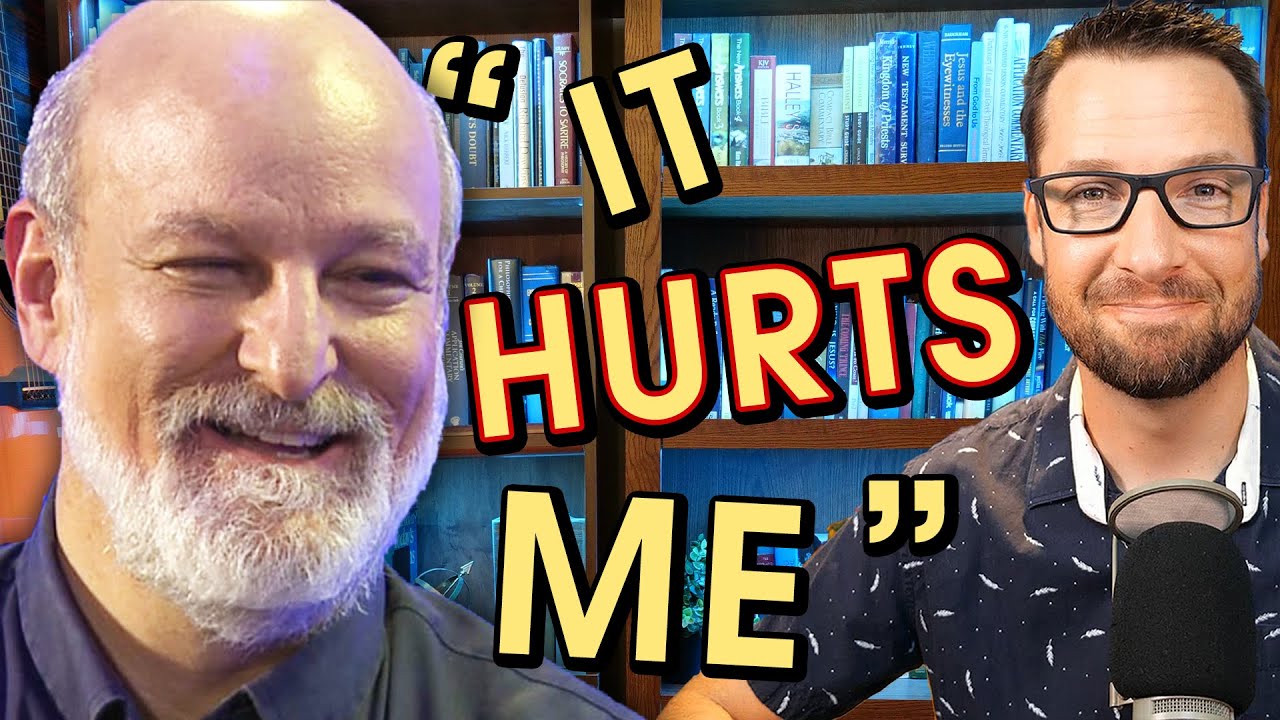
🔗 **Source:** [Painful Mistakes in EPHESIANS in the Passion Translation](https://www.youtube.com/watch?v=Dz9PxplAsfE)
> [!note]+ Document Notes
> tags: [bible-translation, biblical-scholarship, passion-translation]
> author: Dr. Darrell Bock
> source: Mike Winger
> reference: https://www.youtube.com/watch?v=Dz9PxplAsfE
> date created: {{date:YYYY-MM-DD}} {{time:HH:mm}}
>
> # 🏷️ Title: Painful Mistakes in EPHESIANS in The Passion Translation (Dr. Darrell Bock)
>
<!-- deep-read:sections start -->
## 🧭 Table of Contents
- [📝 Summary](#-summary)
- [📖 Main Content](#-main-content)
- [🗒️ Notes](#️-notes)
- [📚 References](#-references)
- [🗣️ Paraphrase](#️-paraphrase)
- [📰 Newsletter](#-newsletter)
- [✅ Action Items](#-action-items)
- [🧪 Hypotheses](#-hypotheses)
- [📊 Methodology](#-methodology)
- [❓ Questions](#-questions)
- [🔮 Future Research](#-future-research)
- [💡 Implications](#-implications)
- [🧠 Learning Styles Assessment](#-learning-styles-assessment)
- [📊 Accessibility Assessment](#-accessibility-assessment)
- [🌍 DEIB Assessment](#-deib-assessment)
- [✅ Logical Validity](#-logical-validity)
- [🛡️ DARVO Analysis](#-darvo-analysis)
- [🎯 Conclusion](#-conclusion)
## 📝 Summary
- **What happened**: Dr. Darrell Bock, a renowned biblical scholar, analyzed the Passion Translation's rendering of Ephesians and found significant translation errors and theological distortions.
- **Why it matters**: The Passion Translation is marketed as a legitimate Bible translation gaining millions of readers, but Bock demonstrates it's actually a problematic paraphrase with unsubstantiated claims about Aramaic sources.
- **Key stakeholders**: Bible readers, pastors endorsing the text, Brian Simmons (translator), biblical scholars.
- **Risks and tradeoffs**: Readers may receive distorted biblical teaching while believing they're reading accurate translation; shifts emphasis from God to human experience.
- **Bottom line**: The Passion Translation should be labeled as a paraphrase, not used as a primary Bible, and its claims about lost Aramaic manuscripts and divine revelation are unsupported.
## 📖 Main Content
Dr. Darrell Bock, a distinguished biblical scholar with extensive translation experience, conducted a thorough analysis of the Passion Translation's rendering of Ephesians. His findings reveal multiple concerning issues that call into question the work's scholarly integrity and theological accuracy.
### Translation vs. Paraphrase Classification
Bock definitively classifies the Passion Translation as a paraphrase rather than a translation, despite publisher claims. The text takes significant liberties with the original Greek, adding interpretive content without clear markers. As a paraphrase, Bock notes it's "adequate in most spots" but problematic in key areas.
### Aramaic Claims Problem
Brian Simmons claims to translate from "lost Aramaic texts," referencing Aramaic 33 times in Ephesians footnotes alone. Bock identifies this as fundamentally flawed since:
- Ephesus was a Greek-speaking region, not Aramaic-dominant
- The New Testament was originally written in Greek
- "Lost manuscripts" cannot be verified or evaluated
- Claims about apostles teaching in Aramaic lack historical support
### Theological Distortions in Ephesians
Bock identifies several categories of problematic changes:
**Anthropocentric Emphasis**: The translation shifts focus from praising God to human experience and authority. Ephesians 1's praise psalm becomes about "who we are" rather than what God has done.
**Added Content**: Entire sentences appear with no textual basis, such as "then your lives will be an advertisement of this immense power" in 1:19, inserted without italics or notation.
**Authority Issues**: Chapters 2:1-10 gives believers independent authority rather than derived authority through Christ, misrepresenting the relationship between divine power and human access.
**Individualistic Reading**: The translation consistently renders corporate church passages as individual experiences, reflecting Western individualism rather than biblical community emphasis.
### Methodological Problems
**Homonym Abuse**: Simmons claims divine revelation about Hebrew homonyms (words with multiple meanings), using this to justify extensive additions. Bock notes this creates unverifiable interpretations since "anyone can play with homonyms."
**Missing Scholarly Apparatus**: Unlike legitimate translations, readers cannot verify Simmons' claims about sources or linguistic decisions. No transliteration or specific textual references are provided for Aramaic claims.
### Marriage and Social Issues
The translation alters controversial passages, changing "submit" to "devote" in marriage contexts and "slaves" to "employed people," making applicational moves that belong in commentary rather than translation. These changes obscure the text's original social context and ethical framework.
## 🗒️ Notes
#### ⏱️ [00:03:12](https://www.youtube.com/watch?v=Dz9PxplAsfE&t=192) Translation vs Paraphrase Distinction
- Bock immediately clarifies this is paraphrase, not translation
- Notes make clear they reference non-existent Aramaic NT texts
- Publisher's claim about using "Hebrew Aramaic and Greek manuscripts" misleading
#### ⏱️ [00:08:45](https://www.youtube.com/watch?v=Dz9PxplAsfE&t=525) Aramaic Claims Debunked
- Ephesus was Greek-speaking region, not Aramaic
- "Lost manuscripts" means unverifiable sources
- NT originally written in Greek, not Aramaic
- Diaspora Jews would have spoken Greek, not Aramaic
#### ⏱️ [00:15:30](https://www.youtube.com/watch?v=Dz9PxplAsfE&t=930) Homonym Problem
- Simmons claims divine revelation about Hebrew homonyms
- Uses homonyms to justify extensive textual additions
- Bock: "Anyone can play with homonyms" - unverifiable methodology
- Text becomes 43% longer than standard translations
#### ⏱️ [00:22:15](https://www.youtube.com/watch?v=Dz9PxplAsfE&t=1335) Theological Distortions Begin
- Ephesians 1 shifts from praising God to human-centered focus
- Praise psalms should emphasize God's actions, not human identity
- Added sentence about "advertisement" has no textual basis
- Changes reflect misunderstanding of biblical literary forms
#### ⏱️ [00:28:45](https://www.youtube.com/watch?v=Dz9PxplAsfE&t=1725) Authority Issues
- Ephesians 2:1-10 gives believers independent rather than derived authority
- Authority over principalities/powers comes through Christ, not inherently
- Translation obscures the source and nature of spiritual power
- Makes God an "enabler" of human dreams rather than divine director
#### ⏱️ [00:35:20](https://www.youtube.com/watch?v=Dz9PxplAsfE&t=2120) Corporate vs Individual Reading
- Western individualism imposed on corporate church passages
- Bible emphasizes "y'all" more than "you" singular
- Believers function as community, not hermetically sealed spiritual bubbles
- Translation reinforces cultural blindness to biblical communitarianism
#### ⏱️ [00:42:10](https://www.youtube.com/watch?v=Dz9PxplAsfE&t=2530) Marriage Passage Changes
- "Submit" changed to "devote" without adequate justification
- Claims Aramaic source for change, but Bock: "just don't do it"
- Biblical hierarchy operates differently than cultural hierarchy
- Paraphrase should clarify nuances, not eliminate difficult concepts
#### ⏱️ [00:48:35](https://www.youtube.com/watch?v=Dz9PxplAsfE&t=2915) Slavery Translation Problems
- Changes "slaves" to "employed people" - inappropriate direct application
- Skips translation step and goes directly to modern application
- Employee-employer relationship fundamentally different from slave-master
- Obscures how biblical ethics should be applied across contexts
#### ⏱️ [00:55:40](https://www.youtube.com/watch?v=Dz9PxplAsfE&t=3340) Simmons' Qualification Issues
- Claims of divine revelation and supernatural downloads
- No verifiable academic credentials in biblical languages
- Translation should involve teams, not single individual
- "Incredibly arrogant" claims about receiving hidden secrets
#### ⏱️ [01:02:15](https://www.youtube.com/watch?v=Dz9PxplAsfE&t=3735) Final Recommendations
- Should not be primary Bible for study
- Better options: New Living Translation, The Message
- Needs to be clearly labeled as paraphrase, not translation
- "Your passion shouldn't be for the Passion Translation"
## 📚 References
- [The Table Podcast - Dallas Theological Seminary](https://www.dts.edu/thetable/)
- [Mike Winger's Passion Translation Analysis Project](https://www.youtube.com/channel/UCBnPhYKYb2EvVavAOdCnHfA)
- New Living Translation
- The Message by Eugene Peterson
- New Revised Standard Version
## 🗣️ Paraphrase
Biblical scholar Dr. Darrell Bock thoroughly examines the Passion Translation's treatment of Ephesians and finds it fundamentally flawed as a translation. While adequate as a paraphrase in most places, it contains significant theological distortions and unsubstantiated claims about Aramaic sources. The work shifts focus from God-centered worship to human-centered experience, adds content without textual basis, and makes Brian Simmons' interpretive choices without scholarly accountability. Bock particularly criticizes claims about "lost Aramaic manuscripts" and divine revelations about homonyms, noting these cannot be verified. The translation inappropriately converts corporate church passages to individual application and makes cultural adaptations that belong in commentary rather than translation. Despite millions of sales and pastoral endorsements, Bock argues it should be clearly labeled as a paraphrase and never used as one's primary Bible.
## 📰 Newsletter
**Translation Under Fire: Scholar Exposes Problems in Popular "Revival Bible"**
A respected biblical scholar has delivered a devastating critique of the Passion Translation, the increasingly popular Bible version marketed as containing "lost secrets" of Scripture. Dr. Darrell Bock of Dallas Theological Seminary, who has worked on major Bible translations including the New Living Translation and NET Bible, spent months analyzing how the Passion Translation handles the book of Ephesians.
His findings? It's not actually a translation at all, but a paraphrase with significant theological problems. "The claim is so incredibly arrogant I can hardly believe it," Bock says regarding translator Brian Simmons' assertions about receiving divine secrets overlooked by scholars for millennia.
The issues go beyond marketing hype. Bock documents how the text shifts biblical focus from praising God to human experience, adds entire sentences with no source basis, and makes unverifiable claims about "lost Aramaic manuscripts." For WordPress developers who value accuracy and transparency in their work, this serves as a cautionary tale about the importance of clear communication and honest representation of one's work and sources.
**Helpful Links:**
- [Full interview with Dr. Bock](https://www.youtube.com/watch?v=Dz9PxplAsfE)
- [The Table Podcast for ongoing biblical scholarship](https://www.dts.edu/thetable/)
- [Bible translation comparison tools](https://www.biblegateway.com)
## ✅ Action Items
#### DevRel
- Document clear criteria for evaluating biblical study tools and translation reliability
- Create educational content about different Bible translation philosophies (formal vs functional vs paraphrase)
- Develop workshops on critical evaluation of religious resources and claims
#### Community
- Establish guidelines for evaluating claims of special revelation or hidden knowledge
- Create resources helping community members distinguish between translation types
- Develop criteria for recommending Bible study tools and resources
#### WordPress
- **Documentation**: Create style guides for accurately representing translation vs paraphrase work
- **Community**: Provide resources for churches using WordPress about Bible version selection
- **Training**: Develop curricula for pastoral staff on translation evaluation
## 🧪 Hypotheses
1. **Marketing Classification Hypothesis**: Religious texts marketed with supernatural authority claims will resist scholarly criticism and maintain market share despite academic refutation.
2. **Translation Team Hypothesis**: Bible translations produced by single individuals without peer review will contain more interpretive errors than committee-produced translations.
3. **Source Verification Hypothesis**: Claims about "lost" or unverifiable source texts correlate with increased interpretive liberties and theological distortions.
4. **Cultural Adaptation Hypothesis**: Bible translations that make direct cultural applications (slaves→employees) without scholarly apparatus will obscure rather than clarify ethical principles.
5. **Authority Distribution Hypothesis**: Translations that shift emphasis from divine to human authority will appeal more to individualistic cultures but distort communal biblical teachings.
6. **Endorsement Pattern Hypothesis**: Popular pastors will endorse translations that align with their theological emphases regardless of scholarly consensus on translation quality.
### 📊 Methodology
- **Translation comparison studies** analyzing word choice patterns across multiple versions
- **Source verification research** attempting to locate claimed Aramaic manuscripts
- **Theological content analysis** measuring emphasis shifts between God-centered and human-centered language
- **Market analysis** of translation adoption patterns in different denominational contexts
- **Longitudinal studies** of theological change in churches adopting the Passion Translation
- **Expert panel evaluations** of translation claims by multiple biblical scholars
### ❓ Questions
- How do churches respond when presented with scholarly criticism of their preferred Bible version?
- What role do supernatural revelation claims play in modern Bible translation marketing?
- How can the average reader evaluate competing claims about biblical translation accuracy?
- What are the long-term theological effects of using paraphrases as primary Bible study texts?
- How do copyright and commercial interests influence Bible translation and marketing practices?
### 🔮 Future Research
- Comprehensive analysis of other Passion Translation books beyond Ephesians
- Study of market dynamics in contemporary Bible translation industry
- Investigation of Brian Simmons' actual academic and linguistic credentials
- Analysis of theological drift in churches primarily using the Passion Translation
- Comparative study of other translations claiming special divine inspiration
### 💡 Implications
**Practice**: Pastors and Bible teachers need clearer guidelines for evaluating and recommending Bible versions to their congregations.
**Policy**: Publishers should be required to clearly distinguish between translations, paraphrases, and interpretive works in marketing materials.
**Security**: Claims of unverifiable sources in religious texts may indicate broader issues with truth claims and authority structures.
**Education**: Bible study curricula should include training on translation methodology and source evaluation.
**Funding**: Religious organizations should prioritize supporting transparent, academically rigorous translation projects over commercially driven alternatives.
### 🧠 Learning Styles Assessment
**Reading level estimate**: Grade 12-14 (Gunning Fog Index: ~13)
#### 👀 Visual learners
- **Present**: Interview format with speaker identification, clear section breaks
- **Improve**: Side-by-side Bible version comparisons, infographics showing translation process, visual timeline of Bible translation history
#### 🔊 Aural learners
- **Present**: Full audio interview, conversational format, expert dialogue
- **Improve**: Shorter audio summaries of key points, supplementary podcast episodes
#### 🗣️ Verbal learners
- **Present**: Clear definitions of translation vs paraphrase, detailed explanations of technical terms
- **Improve**: Glossary of biblical scholarship terms, analogies explaining translation challenges
#### 🧩 Kinesthetic learners
- **Present**: Specific examples from biblical text, concrete evidence examination
- **Improve**: Hands-on exercises comparing translations, interactive tools for source verification
#### 🧠 Logical learners
- **Present**: Systematic analysis of claims, step-by-step evaluation of evidence, clear cause-effect relationships
- **Improve**: Flowcharts for translation evaluation, decision trees for Bible version selection
#### 🧑🤝🧑 Social learners
- **Present**: Interview dialogue, scholarly community perspective, discussion of broader impact
- **Improve**: Discussion guides for study groups, community forums for continued conversation
#### 🧘♀️ Solitary learners
- **Present**: Individual expert analysis, detailed written documentation
- **Improve**: Self-assessment tools for personal Bible study practices, reflection questions
#### 🌿 Naturalistic learners
- **Present**: Organic development of evidence through conversation
- **Improve**: Analogies to natural processes, ecosystem metaphors for scholarly community
### 📊 Accessibility Assessment
#### Screen reader semantics
- **Present**: Clear headings, speaker identification in transcript
- **Improve**: More descriptive alt text for any graphics, ARIA labels for navigation elements
#### Keyboard navigation
- **Present**: Standard video controls, text navigation
- **Improve**: Skip links for long transcript sections, keyboard shortcuts for video segments
#### Contrast and readability
- **Present**: High contrast video interface, clear text formatting
- **Improve**: Text size options, contrast adjustment controls
#### Media and captions
- **Present**: Full transcript provided, clear audio quality
- **Improve**: Professional captions with speaker identification, downloadable transcript option
### 🌍 DEIB Assessment
#### Cultural breadth
- **Present**: Discussion relevant to global Christian community
- **Improve**: Include perspectives from non-Western biblical scholarship, acknowledge cultural translation challenges
#### Inclusive language
- **Present**: Professional academic discourse, defined technical terms
- **Improve**: Plain language summaries, avoid theological insider language without explanation
#### Representation
- **Present**: Male scholar perspectives prominently featured
- **Improve**: Include diverse scholarly voices, acknowledge gender and ethnic representation in biblical scholarship
#### Psychological safety
- **Present**: Respectful critique focused on work rather than personal attack
- **Improve**: Content warnings for those with strong attachment to criticized translation
### ✅ Logical Validity
#### Strong reasoning
- **Deductive strength**: Clear logical progression from premises (NT written in Greek, Ephesus was Greek-speaking) to conclusion (Aramaic claims invalid)
- **Evidence-based analysis**: Specific textual examples support each major criticism
- **Expert authority**: Bock's translation experience provides credible foundation for evaluative claims
#### Fallacies
- **Ad hominem avoidance**: Critique focuses on translation work rather than Simmons personally, though comes close when discussing qualifications
- **Appeal to authority**: Appropriately relies on Bock's expertise while providing specific evidence rather than mere assertion
- **Hasty generalization**: Analysis limited to Ephesians but conclusions applied broadly - needs caveat about scope
#### Tone of voice
- **Academic but accessible**: "The claim is so incredibly arrogant I can hardly believe it" - scholarly frustration expressed in understandable terms
- **Respectful criticism**: Focuses on work quality rather than personal attack
- **Measured evaluation**: Acknowledges adequacy where it exists while identifying specific problems
### 🛡️ DARVO Analysis
**Deny**: Simmons' response pattern involves denying criticism by claiming divine authority and special revelation that transcends normal scholarly evaluation. The appeals to supernatural downloads and angelic assistance serve to deny the legitimacy of academic criticism.
**Attack**: While not directly attacking critics in this interview, the framework of claiming exclusive divine revelation implicitly attacks the competence and spiritual insight of other translators and scholars who don't receive such revelations.
**Reverse Victim/Offender**: Simmons positions himself as the recipient of divine secrets that others have missed or suppressed, making traditional scholars the ones who have deprived the church of truth. The church becomes the victim of scholarly inadequacy, with Simmons as the rescuer.
**Emotional cues**: Claims of divine encounters, physical touching by God/angels, and exclusive revelation access create emotional investment that makes rational evaluation more difficult for supporters.
## 🎯 Conclusion
Dr. Darrell Bock's analysis reveals that the Passion Translation fundamentally misrepresents itself as a legitimate Bible translation when it functions as an interpretive paraphrase with significant theological problems. The work's claims about Aramaic sources cannot be verified, its methodology lacks scholarly rigor, and its theological emphasis shifts inappropriately from God-centered to human-centered focus.
**Practical next steps for readers**:
- Use established translations (ESV, NIV, NASB, NLT) as primary Bible study texts
- If interested in paraphrases, consider The Message or New Living Translation instead
- Evaluate any Bible version's claims through consultation with qualified biblical scholars
- Be cautious of translations claiming special divine revelation or exclusive access to "lost" sources
- Support academically rigorous, committee-based translation projects that provide transparent source documentation
The broader implications extend beyond one controversial translation to questions about religious authority, commercial influence on sacred texts, and the responsibility of Christian leaders to prioritize accuracy over popularity in their Biblical resources recommendations.
---
## Full Transcript
[00:00] do you think it appears to you that<br>[00:03] forgive me for the way i have to word<br>[00:04] this but we got to respond to the claims<br>[00:05] that are being made<br>[00:07] that god gave brian simmons secrets of<br>[00:09] greek<br>[00:10] that scholars have overlooked for all<br>[00:12] these years that claim is so incredibly<br>[00:15] arrogant i can hardly believe it<br>[00:16] you have just stumbled upon my passion<br>[00:19] project<br>[00:20] this is where real scholars will come<br>[00:22] and test the claims<br>[00:23] of brian simmons his wild claims about<br>[00:26] his new version of the bible called the<br>[00:28] passion translation<br>[00:29] this is a suddenly very popular new<br>[00:31] version of the bible and there are a lot<br>[00:32] of<br>[00:33] serious issues that we need to take a<br>[00:34] look at and well<br>[00:36] you're going to get all the low down<br>[00:37] today's interview is with dr darrell<br>[00:39] bach i hired dr darrell bach<br>[00:41] to take a thorough look at the book of<br>[00:43] ephesians in the passion translation he<br>[00:45] wrote a paper about the topic<br>[00:46] and now this is the interview where he's<br>[00:48] going to give us a lot of data a lot of<br>[00:50] behind the scenes info so we can<br>[00:51] understand things like for instance<br>[00:53] specific theological changes that brian<br>[00:55] simmons has put into the book of<br>[00:56] ephesians how it gives too much<br>[00:57] authority<br>[00:58] to believers and redirects the focus of<br>[01:00] a passage from god to us<br>[01:01] this goes on in ephesians in the past<br>[01:03] translation we're also going to be<br>[01:04] looking at how<br>[01:05] the passion translation alters the<br>[01:07] biblical teaching on slavery oddly this<br>[01:09] happens in several books of the new<br>[01:10] testament<br>[01:11] in brian simmons version of the bible<br>[01:13] and stick around to hear the discussion<br>[01:15] on the marriage passage brian simmons<br>[01:17] changes issues dealing with<br>[01:18] men and women in their relations and<br>[01:20] marriage in the new testament<br>[01:22] so you're going to be hearing that as<br>[01:23] well all in today's interview i've also<br>[01:25] separated this video into a bunch of<br>[01:26] timestamps that's so that you can<br>[01:28] navigate your way through the video and<br>[01:29] find exactly the kind of content that<br>[01:31] you're looking for<br>[01:32] as well as reference other people to it<br>[01:33] so several scholars have reviewed the<br>[01:35] translation written papers on it and i'm<br>[01:36] doing interviews with them and all of<br>[01:38] that content is totally free it's<br>[01:40] available in the video description<br>[01:41] dr bach you have a a cv that's longer<br>[01:44] than my arm i'll actually link it below<br>[01:45] for those who want to know more about<br>[01:47] you<br>[01:47] it's much longer a lot longer than my<br>[01:48] arm and i'm six foot tall<br>[01:50] um so you're you're accomplished you're<br>[01:52] very well known for those of us who<br>[01:53] study kind of in these circles<br>[01:54] but for those who don't know you yet<br>[01:56] what work have you done specifically<br>[01:58] related to bible translations<br>[02:00] well i've worked on background work for<br>[02:03] the<br>[02:03] new living translation i've done uh<br>[02:07] on luke and axe on luke and then luke<br>[02:10] and axe for the new english translation<br>[02:14] i've done a little bit of consulting<br>[02:16] work on<br>[02:18] on the new revised standard version that<br>[02:22] uh<br>[02:23] that bill mounts worked on so those are<br>[02:25] my bible translation credentials<br>[02:28] right on don't mind my my cat here on<br>[02:30] this side<br>[02:32] um and that's that's exactly what we're<br>[02:34] looking for this track which with this<br>[02:36] passion project that i've hired scholars<br>[02:37] to look at we really want so<br>[02:39] informed guys who've spent lots and lots<br>[02:41] of hours so they can bring that sort of<br>[02:42] mature wisdom and knowledge into this<br>[02:45] realm that is<br>[02:46] is it's just lacking there just aren't<br>[02:48] very many reviews of this work so<br>[02:50] the first question i have for you is<br>[02:51] this is it truthful to call this work a<br>[02:53] translation i'm gonna i'm gonna quote to<br>[02:55] you from their website from broad street<br>[02:57] publishing's<br>[02:58] official statements about the passion<br>[02:59] translation they say quote the passion<br>[03:01] translation is a new version of god's<br>[03:03] word that is considered<br>[03:04] a translation because it uses the hebrew<br>[03:06] aramaic and greek manuscripts to<br>[03:08] translate the essential message of the<br>[03:09] scriptures<br>[03:10] into contemporary english what do you<br>[03:12] think about that<br>[03:14] this is a paraphrase it's not a<br>[03:16] translation that's pretty<br>[03:18] clear and the notes make that clear the<br>[03:20] notes make that<br>[03:21] very clear in spots where they refer to<br>[03:24] aramaic text for the new testament which<br>[03:26] of course is not the case the new<br>[03:29] testament was originally written in<br>[03:31] greek at least<br>[03:32] the books that we have that comprise the<br>[03:34] new testament it is true that the<br>[03:35] background language<br>[03:37] in the culture was aramaic but the texts<br>[03:39] that we actually have<br>[03:41] for the new testament are all greek<br>[03:42] texts yeah and we're going to talk a<br>[03:44] little bit more about the aramaic stuff<br>[03:46] really soon here actually i think that's<br>[03:47] one of the most interesting things about<br>[03:48] this translation<br>[03:50] and everybody all the scholars were<br>[03:51] writing me back going wait what what's<br>[03:52] what's this stuff about the aramaic i'm<br>[03:54] seeing here<br>[03:55] so in your paper you've actually treated<br>[03:57] it as a paraphrase you've you've just<br>[03:59] dealt with it as if it was a paraphrase<br>[04:00] even though they claim it's not<br>[04:02] you wrote this i will treat this as a<br>[04:04] paraphrase and not a translation because<br>[04:06] it is not a translation<br>[04:07] overall though as a paraphrase how is<br>[04:10] the passion translation<br>[04:12] well uh in most spots it's actually<br>[04:15] adequate as a tren<br>[04:16] as a paraphrase there are a few places<br>[04:18] where um<br>[04:19] they're reading the text differently and<br>[04:22] um there are a few cases where i think<br>[04:24] they've mistranslated or misled the<br>[04:26] reader on what's going on<br>[04:28] but the bulk of it as a paraphrase is an<br>[04:31] adequate paraphrase paraphrase basically<br>[04:34] is a way of summarizing the meaning of a<br>[04:37] text<br>[04:38] in different words than the actual<br>[04:40] translation itself<br>[04:42] all translations engage in some level of<br>[04:44] interpretation a paraphrase one usually<br>[04:46] resorts to a paraphrase<br>[04:48] to try and bring out fully some of the<br>[04:50] nuances of the tran<br>[04:52] of what a translation often will leave<br>[04:54] more obscure unless you know the idiom<br>[04:56] or something involved<br>[04:58] so the uh the choice of a paraphrase<br>[05:02] in a rendering is not a bad thing if you<br>[05:04] tell people that's what you're doing<br>[05:06] but um so as a paraphrase it's adequate<br>[05:09] in most spots but there are a few places<br>[05:11] where it's got<br>[05:11] problems yeah and we'll talk about some<br>[05:13] of those as well um<br>[05:15] the the issue you've already brought up<br>[05:17] which is brian simmons dealing with the<br>[05:18] aramaic texts and i'm going to<br>[05:20] give a quote here also this comes from<br>[05:22] brian simmons on their website he says<br>[05:24] this translation reclaims lost aramaic<br>[05:27] texts<br>[05:28] bringing the full texture of god's word<br>[05:30] to the surface<br>[05:31] and helping you recapture the original<br>[05:33] essence of the teachings of jesus and<br>[05:35] his disciples<br>[05:36] now in ephesians in particular because<br>[05:39] you studied ephesians here<br>[05:40] brian simmons has footnotes that<br>[05:41] reference the the aramaic in quotes<br>[05:44] 33 times just in the book of ephesians<br>[05:46] and he has eight verses<br>[05:48] in ephesians that are quote translated<br>[05:50] from the aramaic<br>[05:51] now that's really impressive to most<br>[05:53] people your average person's like wow<br>[05:54] i'm getting real access to the original<br>[05:57] stuff here<br>[05:58] what what do you think we need to know<br>[05:59] about that well<br>[06:01] first thing you need to know about it is<br>[06:02] that ephesus is a part of the world in<br>[06:04] which aramaic was not the dominant<br>[06:06] language greek was<br>[06:07] so he's already misplaced actually<br>[06:11] where the ephesians church fits second<br>[06:14] thing to tell you is<br>[06:15] anyone who argues that they're dealing<br>[06:17] with lost manuscripts means that you're<br>[06:19] dealing with texts<br>[06:20] you can't see and and if they can see<br>[06:23] them they better tell you where they are<br>[06:25] and where you can find them so you can<br>[06:26] evaluate them<br>[06:27] it becomes an unbi unvetted category you<br>[06:31] can't<br>[06:31] vet what you can't see so so that's a<br>[06:35] problem<br>[06:37] even though there are certain contexts<br>[06:39] in which<br>[06:40] aramaic may have been the dominant<br>[06:42] spoken language as i've already said<br>[06:44] the new testament was written in greek<br>[06:46] its original manuscripts are in greek<br>[06:49] and so to claim that aramaic sits behind<br>[06:52] the new testament<br>[06:54] is a mistake in terms of the way the<br>[06:56] texts themselves were originally written<br>[06:59] so now simmons he's actually also claims<br>[07:01] that<br>[07:03] it's okay to use aramaic to appeal to<br>[07:06] aramaic one of the reasons is because<br>[07:07] the apostles<br>[07:08] he says the apostles not just jesus that<br>[07:10] they taught in aramaic<br>[07:11] but the aramaic language again jesus<br>[07:14] spoke in aramaic he taught in aramaic<br>[07:17] the apostles taught in aramaic as well<br>[07:20] we're also incorporating some aramaic<br>[07:23] which is always like it befuddles the<br>[07:25] scholars why i've done this<br>[07:27] now as you're going back to as you said<br>[07:29] the aramaic and the the greek that way<br>[07:31] did you have concern that there may be<br>[07:33] some scholars who look at this and<br>[07:34] and may not uh agree with the basic<br>[07:37] premise but we're bridging the aramaic<br>[07:39] text with the greek text<br>[07:40] it's going to be eye popping it's going<br>[07:43] to look different feel different sound<br>[07:45] different<br>[07:46] and i i welcome and anticipate a lot of<br>[07:49] scholars<br>[07:50] bringing their review and bringing their<br>[07:52] comments to us now when he says this<br>[07:53] about ephesians<br>[07:54] he's suggesting that ephesians was<br>[07:56] originally taught and delivered in<br>[07:57] aramaic<br>[07:59] so you're saying that that's just that's<br>[08:00] just bunk no i think that's unlikely<br>[08:02] given the nature of the audience of the<br>[08:04] ephesian church even though there may<br>[08:07] have been some jews in it they would<br>[08:08] have been diaspora jews<br>[08:10] diaspora jews dominant language would<br>[08:12] have been greek not aramaic<br>[08:14] all right now one more thing on the<br>[08:15] aramaic um brian simmons likes to talk<br>[08:17] about homonyms<br>[08:18] and words that have the same sound but<br>[08:21] ultimately are different words different<br>[08:23] meanings<br>[08:23] but he uses homonyms to translate a lot<br>[08:25] of the time when you see translations<br>[08:27] especially without italics you see<br>[08:28] additional stuff<br>[08:30] in the passion it's coming from<br>[08:31] supposedly homonyms<br>[08:33] so his his translation gets a lot longer<br>[08:36] than other translations<br>[08:37] as a result and if ephesians in<br>[08:38] particular has 43 percent more words<br>[08:40] than say the esv king james or niv<br>[08:43] by comparison and what should i be<br>[08:46] thinking about this like<br>[08:48] is it legitimate to be appealing to<br>[08:49] homonyms to double and triple translate<br>[08:52] words and add new meanings now when<br>[08:53] jesus came to me<br>[08:55] and said i'm going to give you secrets<br>[08:57] one of the secrets he gave me<br>[09:00] was uh that of homonyms the lord showed<br>[09:02] me it's the homonymic<br>[09:05] structure of hebrew is going to be the<br>[09:06] key to understanding revelation in the<br>[09:08] last days including the book of<br>[09:09] revelation which<br>[09:11] you haven't got yet honestly i did a<br>[09:13] research study into that word<br>[09:15] which is the hebrew word for pain but<br>[09:18] it's<br>[09:19] a homophone or a homonym that has<br>[09:22] multiple meanings and one of the other<br>[09:24] meanings of pain<br>[09:26] in the hebrew context is creativity<br>[09:31] creativity and i put a footnote there in<br>[09:34] the book of genesis to note that<br>[09:36] the word for singing is a homonym<br>[09:38] singing is a homonym<br>[09:40] that also means pruning the vines<br>[09:43] but is a homonym kala is an aramaic<br>[09:46] homonym it's a homonym means kiss but it<br>[09:51] also means<br>[09:52] to take up weapons and go to war full of<br>[09:55] homonyms<br>[09:56] full of secrets with multiple meanings<br>[09:58] hebrew is poetic<br>[10:00] and passionate and one word can mean<br>[10:03] many multiple things but what if for<br>[10:06] 2000 years the church<br>[10:08] has been robbed of uh what jesus<br>[10:11] really said well i think you've got two<br>[10:14] things going on you have to keep<br>[10:15] separate<br>[10:16] um the hominin pro homonym issue is a<br>[10:19] problem<br>[10:19] because it's like lost manuscripts i can<br>[10:22] play with homonyms<br>[10:24] and and generate meanings that actually<br>[10:26] were not intended<br>[10:27] uh so that's a problem um the idea of a<br>[10:31] paraphrase being longer than the<br>[10:32] translation is not that unusual because<br>[10:35] again<br>[10:35] a paraphrase is trying to not elaborate<br>[10:38] nuance oftentimes and to bring out the<br>[10:40] force of a passage<br>[10:42] that might not be expressed in the<br>[10:44] compact expression of the translation<br>[10:46] so the fact that the translation is<br>[10:49] longer than<br>[10:50] or sorry the text is longer than a<br>[10:52] translation<br>[10:53] because it has periphrastic qualities<br>[10:56] that in itself is not a problem but the<br>[10:58] homonym<br>[10:59] part of it is because how do you know<br>[11:01] that a homonym is actually being<br>[11:03] evoked and although the culture<br>[11:06] did play with homonyms in certain<br>[11:08] situations<br>[11:10] to treat it as something that's regular<br>[11:12] or common<br>[11:13] particularly in a greek speaking context<br>[11:16] based upon a language that isn't present<br>[11:18] and that the hearers don't necessarily<br>[11:21] share<br>[11:22] is a problem okay so<br>[11:25] let's look at some specific examples of<br>[11:27] this kind of stuff that we see in the<br>[11:28] text because again<br>[11:29] and i just want the audience to know<br>[11:30] you're you're acting hey if this is as a<br>[11:32] paraphrase it's okay for it to be longer<br>[11:34] but what i'm hopefully pointing out and<br>[11:36] i love your thoughts on this is<br>[11:39] the the reason why it's longer isn't<br>[11:41] just because it's<br>[11:42] a paraphrase which is kind of your<br>[11:43] perspective on it but he's saying<br>[11:45] no no no i'm actually getting meaning<br>[11:48] that was thrown into the trash by other<br>[11:49] translators that's his fault well that's<br>[11:51] why i'm saying it's important not to<br>[11:52] confuse the two things because i'm<br>[11:54] saying<br>[11:54] if he's dealing with the homonym that's<br>[11:56] a problem if he's simply being<br>[11:57] explanatory<br>[11:58] for a paraphrase that's not one of the<br>[12:01] things the lord<br>[12:02] imprinted on your heart is that he would<br>[12:04] give you some of the secrets to the<br>[12:05] language<br>[12:06] what do you think some of those are well<br>[12:09] i think uh<br>[12:10] homonyms i think just to keep it real<br>[12:12] short and simple<br>[12:13] uh when he unveiled to me the the secret<br>[12:16] of homonyms that every hebrew virtually<br>[12:18] every hebrew word<br>[12:19] has multiple meanings and to understand<br>[12:22] that<br>[12:23] he's saying both not just one right<br>[12:26] and it's so powerful we put it in our<br>[12:29] footnotes<br>[12:30] i love it yeah i love it great um now<br>[12:32] let's look at some specific examples in<br>[12:33] chapter one of ephesians you wrote<br>[12:35] the emphasis in chapter one turns from<br>[12:38] god to us<br>[12:39] too much can you explain that and i<br>[12:41] think maybe verse eight might have been<br>[12:43] one of the at least what stood out to me<br>[12:45] is a good example of that yeah<br>[12:47] verse nine but anyway yes um the point<br>[12:50] is<br>[12:50] is that this is a praise psalm so you<br>[12:53] know<br>[12:53] blessed be the god and father of our<br>[12:55] lord jesus christ who's blessed us with<br>[12:56] every spiritual blessing in the heavenly<br>[12:58] places<br>[12:59] everything that's being described in<br>[13:01] verses 3 to 14 which in greek is one<br>[13:03] long sentence<br>[13:04] is actually looking at the praise of god<br>[13:08] as the major person to be focused on in<br>[13:12] the midst of the praise because that's<br>[13:13] the point of a praise psalm<br>[13:14] is to praise god for what he's done but<br>[13:17] one of the things the paraphrase does is<br>[13:19] to flip it<br>[13:20] and to flip the emphasis on in terms of<br>[13:22] who we are<br>[13:23] in one way or another and it isn't it<br>[13:26] isn't that we don't benefit from what it<br>[13:28] is god has done for us that's certainly<br>[13:30] the case<br>[13:30] but the emphasis in this section is to<br>[13:33] praise god for his<br>[13:34] for his giving us every spiritual<br>[13:36] blessing for<br>[13:38] his election for his foreordaining us<br>[13:40] for his sealing us with the spirit<br>[13:42] you know for the redemption that he<br>[13:44] provides in christ i mean he's the one<br>[13:46] who's acting<br>[13:47] in every place and it's our attention is<br>[13:50] supposed to be drawn to him<br>[13:51] so the emphasis to me it reflects a<br>[13:54] a mis-emphasis of what a praise psalm is<br>[13:57] supposed to be<br>[13:59] all right and then there's places where<br>[14:01] um you've said entire sentences<br>[14:04] are actually added to the text and<br>[14:06] chapter 1 verse 19<br>[14:08] you mentioned a whole sentence that was<br>[14:09] added what sentence was that<br>[14:11] it was it's the reference to<br>[14:12] advertisement in verse 19 the<br>[14:14] advertising that goes on i have the text<br>[14:16] in front of me<br>[14:17] i'll read it yeah then your lives will<br>[14:20] be an advertisement of this immense<br>[14:22] power as it works through you<br>[14:24] yeah and and again he's he's trying to<br>[14:27] bring out<br>[14:27] um the implication of what that text<br>[14:30] would mean<br>[14:31] and the fact that the fact that we have<br>[14:33] access to this power<br>[14:35] it then leads into the application but<br>[14:39] paul saves the application for<br>[14:40] discussions in chapters<br>[14:42] four to six and i s i would guess if we<br>[14:45] were to ask him why did you do this<br>[14:47] it's he might be well i'm tipping my<br>[14:48] hand on where the letter is going which<br>[14:50] actually<br>[14:51] is in some ways true but but it's not<br>[14:55] expressed in this text the way paul<br>[14:58] normally writes is he lays his doctrinal<br>[14:59] basis<br>[15:00] and he doesn't tip his hand along the<br>[15:02] way so if you're going to reflect the<br>[15:04] style that paul<br>[15:05] has you'd be better off not adding this<br>[15:07] in yeah<br>[15:10] again the added in feature is not<br>[15:12] something that's<br>[15:13] that's wrong or doctrinally off it's<br>[15:15] just not in the verse<br>[15:17] yeah yeah yeah it's not that this is<br>[15:19] heresy we're just asking if it's<br>[15:20] accurate<br>[15:21] to do that or not and um in this<br>[15:23] particular verse he does it so it's in a<br>[15:25] book that's presenting itself as a<br>[15:26] translation he has a whole sentence here<br>[15:28] there's no italics there's no footnote<br>[15:32] yeah there's no way for you to know that<br>[15:34] that what has been done here is an<br>[15:35] elaboration<br>[15:37] by the person doing the rendering okay<br>[15:39] and that and all these things that we're<br>[15:40] pointing out here because there's a new<br>[15:41] version that just came out the 2020<br>[15:43] edition but i'm double checking all<br>[15:44] these to see if he's corrected any of<br>[15:46] them and<br>[15:46] so far none of the none of the things<br>[15:48] we're discussing have been impacted<br>[15:50] now in chapters two verses one through<br>[15:51] ten you said that simmons translation<br>[15:53] gives us<br>[15:54] more authority than we have in the<br>[15:56] passage can you explain what you meant<br>[15:58] by that<br>[15:59] yeah um what we we benefit from<br>[16:02] christ's authority uh in that passage<br>[16:05] it's not authority that we possess<br>[16:07] independently so the last part of my<br>[16:11] explanation<br>[16:12] says it says it is the authority<br>[16:16] that we are seated that's being focused<br>[16:18] on but we do not have that authority we<br>[16:20] have access to it that's what he wants<br>[16:22] him to realize he wants us to realize<br>[16:24] and this<br>[16:24] actually two one to ten is an extension<br>[16:26] of the prayer so even though there's a<br>[16:28] chapter break<br>[16:29] we're still talking about the same thing<br>[16:32] and so the point is is that<br>[16:33] you know by being co-heirs with christ<br>[16:36] and co-members etc<br>[16:38] that we have access to the same power<br>[16:40] and access to the same god<br>[16:42] and we get that through christ so it<br>[16:45] isn't that we bear independent authority<br>[16:47] the authority<br>[16:48] and really the enablement that we have<br>[16:49] the power that we have in the new<br>[16:51] testament is about enabling we see<br>[16:53] because we have<br>[16:54] the spirit of god the enabling that we<br>[16:55] have we get from him it's important to<br>[16:57] say<br>[16:58] that that what's being talked about here<br>[16:59] is an authority over principalities and<br>[17:01] powers<br>[17:02] the book is making the point the epistle<br>[17:05] is making the point<br>[17:06] that the power that we have access to in<br>[17:08] god through christ<br>[17:10] is greater than any uh power that stands<br>[17:14] against<br>[17:14] us any principality or power or<br>[17:16] spiritual<br>[17:17] manipulate force that operates against<br>[17:20] us this is said<br>[17:21] real succinctly in the new testament<br>[17:23] line that says greater is he who is in<br>[17:24] us than he was in the world<br>[17:26] and so that is a point that paul is<br>[17:29] making but this authority is derived<br>[17:31] it's not<br>[17:32] inherent you said brian simmons<br>[17:33] rendering of ephesians 3<br>[17:35] 20 is quote too anthropocentric can you<br>[17:37] walk us through this verse and explain<br>[17:39] well this is the same complaint as<br>[17:41] earlier<br>[17:41] which is that that the focus this is<br>[17:44] something<br>[17:45] people often do with the bible and<br>[17:47] frankly it irritates me<br>[17:49] okay and that is um we met<br>[17:52] they make us the focus rather than the<br>[17:56] one who is receiving the benefit from<br>[17:58] god the attention is drawn away from<br>[17:59] what it is god is doing<br>[18:01] to what it is we become and again uh<br>[18:05] in referencing and referring to alluding<br>[18:07] to things like dreams and expectations<br>[18:09] it almost makes god into our enabler<br>[18:13] you know he enables what we desire and<br>[18:15] what we will no it's the exact reverse<br>[18:18] we are enabled to carry out what god<br>[18:22] gives us the capability to do in line<br>[18:24] with his will<br>[18:25] in his direction that's the emphasis and<br>[18:28] so it implies<br>[18:29] um it implies this about miracles<br>[18:33] and about miracles being more than<br>[18:34] enabling presence to walk in his will<br>[18:36] and and yet that's the emphasis of the<br>[18:38] last three chapters<br>[18:39] what god has given us enables us to walk<br>[18:41] with him to reflect his person and his<br>[18:44] character<br>[18:45] that's why he doesn't it isn't because<br>[18:46] of our dreams or our expectations<br>[18:49] so when i mean too anthropocentric in<br>[18:51] this passage<br>[18:52] i mean way too anthropocentric yeah let<br>[18:55] me i'll just read it<br>[18:56] so that everybody can hear um never<br>[18:58] doubt god's mighty power<br>[18:59] to work in you and accomplish all this<br>[19:01] he will achieve infinitely more than<br>[19:03] your greatest request<br>[19:04] your most unbelievable dream and exceed<br>[19:06] your wildest imagination he will outdo<br>[19:08] them all for his miraculous power<br>[19:10] constantly energizes you and we can see<br>[19:12] clearly this is a very<br>[19:15] it's me focused my dreams my aspirations<br>[19:17] god's going to do exactly<br>[19:19] yeah no that's and that's precisely the<br>[19:21] misdirection what we're<br>[19:23] we're supposed to be responding to god<br>[19:24] in his direction and his leading and the<br>[19:26] capability he gives us<br>[19:28] to do his will not the reverse all right<br>[19:31] let's try to give a big picture answer<br>[19:33] here your thoughts on this<br>[19:35] are you getting the same thing that paul<br>[19:36] wrote when you read the passion of<br>[19:38] translation as if it was your only bible<br>[19:41] oh well well certainly in spots the<br>[19:43] answer to that question's no<br>[19:44] uh and so that and and then you have no<br>[19:47] way<br>[19:48] without another translation of even<br>[19:49] knowing that that's going on<br>[19:52] so that's the problem so if you're going<br>[19:53] to use this translation the only context<br>[19:56] in which it would be at all<br>[19:58] useful or usable it seems to me is with<br>[20:00] a couple of really good translations<br>[20:02] next to it so you can see<br>[20:04] these deviations hopefully more clearly<br>[20:07] and you can tell when it when it's off<br>[20:10] normally when this gets done in<br>[20:14] in something that's called a translation<br>[20:16] these editions would have been noted<br>[20:18] stylistically or in font by italics or<br>[20:22] something like that<br>[20:23] or by a side note in a margin that<br>[20:26] would be an explanatory note something<br>[20:29] like that but that's not going on here<br>[20:31] so you're you know you're you're at the<br>[20:34] translator's mercy<br>[20:35] in this context now there's a number of<br>[20:39] things<br>[20:39] that uh times excuse me there's a number<br>[20:41] of times you mentioned how brian simmons<br>[20:43] changes ephesians so that when it speaks<br>[20:45] to the corporate church it sounds like<br>[20:47] it's speaking to individuals<br>[20:48] and some examples were 222 413 422-24<br>[20:53] why why should that issue be something<br>[20:55] we care about<br>[20:57] because west has ended up just creating<br>[21:01] a distorted reading of the bible because<br>[21:03] we tend to think of our spirituality<br>[21:05] strictly in individualistic terms<br>[21:07] whereas in the bible the emphasis<br>[21:08] normally<br>[21:09] much more corporate it's how i'm<br>[21:11] connected to other people and how<br>[21:13] we function as a group that's important<br>[21:15] it's a little bit like the english<br>[21:16] language where we use the word you<br>[21:19] and we don't know whether i'm talking<br>[21:20] about you meaning he's singular you or<br>[21:22] you<br>[21:22] all as we like in the south okay and<br>[21:25] there are a lot more y'alls in the bible<br>[21:27] than used generally speaking<br>[21:29] so you want to think corporately<br>[21:31] generally speaking as opposed to just<br>[21:33] strictly individually<br>[21:34] individualistically we tend to think of<br>[21:36] ourselves as being in this hermetically<br>[21:38] sealed spiritual bubble<br>[21:39] in our walk with god and god likes to<br>[21:41] burst that bubble and connect us to<br>[21:43] other people<br>[21:45] good stuff you're preaching i like it<br>[21:48] you noted brian simmons use of revealed<br>[21:50] truth<br>[21:50] in ephesians 5 11. what is your concern<br>[21:53] there<br>[21:55] it's just that revealed truth is vague<br>[21:59] what the light is doing in that passage<br>[22:01] is exposing<br>[22:02] it you know when something's going on in<br>[22:04] the dark you can't see it<br>[22:06] the moment you turn on a light you can<br>[22:08] see it so the emphasis in this passage<br>[22:11] is that the presence of the light is<br>[22:12] designed to expose what is going on<br>[22:15] and probably in the context of this<br>[22:16] passage it's exposed by contrast there's<br>[22:19] a contrastive way the believers are to<br>[22:21] live<br>[22:21] that stands out in opposition from the<br>[22:23] world we're in a context in which<br>[22:25] it's the way the world functions it's in<br>[22:27] view and so<br>[22:29] so the so the righteous life is designed<br>[22:32] to expose by contrast<br>[22:34] the deeds the reflection of the gospels<br>[22:36] designed to refl<br>[22:38] by to reflect by contrast uh the deeds<br>[22:41] of the world<br>[22:41] and to bring it out and then there's a<br>[22:43] suggestion of accountability<br>[22:45] and a need for the gospel to respond to<br>[22:47] the gospel as a result that's coming<br>[22:49] later in the passage<br>[22:50] and so that's all being set up by what<br>[22:52] this is said so<br>[22:53] revealed truth just simply puts at the<br>[22:55] level of ideas<br>[22:57] and really in ephesians 4 to 6<br>[23:00] we're much more in the world of actions<br>[23:02] in<br>[23:03] activities and not just in the world of<br>[23:06] the ideas that are in my head<br>[23:09] so do you think that that the<br>[23:10] translation in the passion<br>[23:12] that that would alter the application of<br>[23:14] the passage in some way<br>[23:16] it would limit it and it would limit it<br>[23:17] too narrowly so that it does<br>[23:19] passage doesn't have as wide an expanse<br>[23:21] as wide an application as it ought to<br>[23:23] have<br>[23:24] great and let's talk about the section<br>[23:27] on marriage roles<br>[23:28] um while i'm not interested in taking<br>[23:30] positions<br>[23:31] we're talking about translation here<br>[23:33] there's a section here<br>[23:34] in verse 24 of chapter five<br>[23:38] and it talks about devote instead of<br>[23:40] submit that sort of thing so<br>[23:42] how does the passion translation handle<br>[23:43] the whole idea of marriage roles<br>[23:45] well i again this idea of devotion is<br>[23:48] probably a way of trying<br>[23:50] to say in other words what submit<br>[23:53] becomes but again it's limiting in<br>[23:56] in in communicating uh what the passage<br>[24:00] is ultimately about<br>[24:01] in in i don't know what he i don't<br>[24:03] remember what he does in 521 but in 521<br>[24:06] we've got a mutual submission to one<br>[24:08] another<br>[24:09] i'd be interested to see if that was<br>[24:11] translated a mutual devotion<br>[24:13] to one another or not i actually don't<br>[24:14] know the answer to that question don't<br>[24:16] remember it<br>[24:17] i'll look that up right now just take 10<br>[24:18] seconds okay<br>[24:20] um and this is in the 2020 edition i'm<br>[24:22] making sure that none of the<br>[24:23] criticisms have disappeared because of<br>[24:26] his<br>[24:26] uh revision um out of your reverence for<br>[24:30] christ to be supportive of each other in<br>[24:31] love<br>[24:32] yeah supportive isn't quite as strong as<br>[24:34] submissive but<br>[24:35] it it's that at least is going in in an<br>[24:39] applicationally reasonable direction<br>[24:42] i'll say it that way but of course the<br>[24:44] problem here is is that you've got<br>[24:46] submitted in 5 21 you have no verb in<br>[24:48] 522<br>[24:49] but the verb that you're getting in 522<br>[24:52] is coming from 521<br>[24:54] about submission and then verse 24 is<br>[24:56] the summary<br>[24:57] of the remarks to the wife where<br>[24:59] submission is then repeated<br>[25:01] so you should have submission submission<br>[25:03] and submission now i need to say<br>[25:05] alongside<br>[25:06] that the way in which hierarchy is seen<br>[25:08] in the bible is not the way hierarchy is<br>[25:10] seen in the culture at large<br>[25:12] and that's part of what paul is<br>[25:13] challenging in this section so<br>[25:15] even though he's calling on wives to<br>[25:16] submit his husband's love<br>[25:18] the love and the role that the husband<br>[25:20] has in loving<br>[25:22] is is a considerate kind of exercise of<br>[25:25] power and not a raw exercise of power<br>[25:28] and the bible is redefining how<br>[25:30] hierarchy works in this section<br>[25:32] even though it has love for the husband<br>[25:34] and submit for the wife<br>[25:36] important in this context one of the<br>[25:38] things that paraphrase should do<br>[25:40] if it's going to be a good paraphrase is<br>[25:43] to bring out<br>[25:44] some of the forces of those kinds of<br>[25:46] nuanced<br>[25:47] differences so you aren't simply<br>[25:49] importing the way you think a word works<br>[25:51] into a context<br>[25:52] i'm not sure vote and<br>[25:56] i forgot what the other one had a mutual<br>[25:58] i forgot how you had 521<br>[26:01] um support reporting i'm not sure that<br>[26:04] quite<br>[26:04] does it but it but um but it's not<br>[26:09] it's not as problematic as some other<br>[26:11] sections of the book i'll say it that<br>[26:12] way<br>[26:13] now it might surprise you to know this<br>[26:15] but uh brian simmons he actually says<br>[26:16] that<br>[26:17] the reason why he translates that to<br>[26:18] vote is because he went to the aramaic<br>[26:21] which he acclaims again is the arrest<br>[26:22] don't go there brian simmons was telling<br>[26:25] me at dinner last night<br>[26:27] about some revelations he got in<br>[26:29] translating<br>[26:30] the bible about women tell me one<br>[26:35] wives submit yourselves unto your<br>[26:37] husband<br>[26:38] as under the lord that is powerful<br>[26:41] daunting uh command but the aramaic<br>[26:45] language again jesus spoke in aramaic he<br>[26:48] taught in aramaic<br>[26:49] the apostles taught in aramaic as well<br>[26:53] the aramaic text is wives be tenderly<br>[26:56] devoted<br>[26:57] to your husband as the church is<br>[26:59] tenderly devoted<br>[27:01] to christ just don't do it waste the<br>[27:04] time<br>[27:04] energy misleads the person reading it<br>[27:07] just don't do it<br>[27:08] don't don't be so devoted to the aramaic<br>[27:11] that jacks up not being devoted to the<br>[27:13] text<br>[27:14] amen there you go in a nutshell<br>[27:17] all right let's look at ephesians 6 5.<br>[27:18] um he changes uh slaves or bond servants<br>[27:22] in this instruction of you know slaves<br>[27:24] obey your earthly masters that's the niv<br>[27:26] and he says um those who are employed<br>[27:29] should listen to their employers can you<br>[27:31] comment<br>[27:31] on this yeah i think this is an attempt<br>[27:33] to apply the text in the current<br>[27:35] environment in which generally slavery<br>[27:37] doesn't exist but employment does but<br>[27:39] you can't make that simple move um<br>[27:42] the the relationship that an employer<br>[27:45] has to an employee is different than the<br>[27:47] slave master relationship<br>[27:49] so you've got to go through steps before<br>[27:51] you think about how to apply this text<br>[27:53] to an employer<br>[27:54] employee relationship it isn't a<br>[27:56] one-to-one so that<br>[27:58] obscures the way the application moves<br>[28:01] should be made<br>[28:02] particularly coming out of a translation<br>[28:05] yeah so<br>[28:06] in other words we've skipped translating<br>[28:08] and we've gone to the application and<br>[28:10] at least in my observation preaching<br>[28:12] points are placed in the text of the<br>[28:14] passion translation a lot like this<br>[28:16] yeah and i and again sometimes the<br>[28:17] paraphrase will do this or move in this<br>[28:20] direction the question is whether it's<br>[28:21] done it well and in this particular case<br>[28:24] there's enough difference between slaves<br>[28:25] and employed that you don't just simply<br>[28:27] make the move<br>[28:28] so so not only we set aramaic aside not<br>[28:31] only we set homonyms aside but we want<br>[28:33] to be very careful about how we make the<br>[28:35] applicational moves<br>[28:36] some of those we're going to want to set<br>[28:37] to the side as well and so<br>[28:39] that lowers the value of the translation<br>[28:42] in the process<br>[28:44] yeah now can you walk us through<br>[28:46] ephesians 6<br>[28:47] verse 9 and i'll read it to us in the<br>[28:49] esv we have<br>[28:51] masters do the same to them and stop<br>[28:53] your threatening knowing that he who's<br>[28:54] both their master and yours<br>[28:55] is in heaven and that there is no<br>[28:57] partiality with him a more<br>[29:00] strict translation and then the passion<br>[29:02] says and to the caretakers of the flock<br>[29:05] and the subject has changed i say do<br>[29:07] what is right with your people<br>[29:09] with your people by forgiving them when<br>[29:10] they offend you for you know there is a<br>[29:12] master in heaven that shows no<br>[29:13] favoritism<br>[29:15] yeah i don't know what's happened here<br>[29:17] unless he's just simply decided to apply<br>[29:19] it to church leaders<br>[29:21] and make them the caretakers of the<br>[29:22] flock or perhaps<br>[29:25] in the back of his mind is well the<br>[29:26] family is viewed as a<br>[29:28] uh as a shepherd with sheep i mean maybe<br>[29:31] but<br>[29:32] my point here is this is not about cut<br>[29:34] takers of the fly this is not an<br>[29:36] ecclesiastical<br>[29:37] context at all which is what that would<br>[29:39] suggest to me upon reading it<br>[29:41] no these are masters of slaves this is<br>[29:43] in a greco-roman family context in which<br>[29:46] slaves were considered part of the<br>[29:48] family and<br>[29:48] the way in which you handled the<br>[29:50] household this is a household code<br>[29:52] basically<br>[29:53] um and do not threaten us the<br>[29:56] exhortation not forgiving them so he's<br>[29:59] flipped<br>[30:00] the threatening he's taken the negative<br>[30:02] and made it positive<br>[30:04] but the the warning to the to the master<br>[30:07] is<br>[30:08] don't abuse your power um and so he<br>[30:11] hasn't done it with positive example<br>[30:13] he's done it with the negative example<br>[30:14] that's been lost in the move would you<br>[30:17] be surprised to<br>[30:18] see there's a footnote in the 2020<br>[30:20] edition that says that that<br>[30:22] is coming at us that it's translated<br>[30:24] from the aramaic<br>[30:25] oh well you know i don't care what the<br>[30:27] reason is i've already said<br>[30:29] when it comes to aramaic readings of of<br>[30:31] these texts<br>[30:32] um please just don't do it it hurts me<br>[30:39] i love it okay i'm going to ask you this<br>[30:42] question do you have<br>[30:43] you know looking at the idea of the<br>[30:44] passion translation now it's millions<br>[30:46] have been sold and it's been endorsed by<br>[30:48] major like pastors especially in the<br>[30:50] more hyper charismatic<br>[30:51] circles now i'm charismatic so i'm not<br>[30:53] trying to criticize the circles<br>[30:54] themselves but<br>[30:56] um but it's been endorsed by a lot it's<br>[30:58] growing rapidly it's being seen as a<br>[31:00] translation actually it's being seen as<br>[31:02] if it's<br>[31:03] the revival bible that has like new<br>[31:05] revelation<br>[31:06] into the text that has never before been<br>[31:08] known like that's kind of the reputation<br>[31:10] it has in these circles<br>[31:11] um but all that in mind do you have<br>[31:13] anything positive that you would want us<br>[31:15] to know about the passion<br>[31:17] um well<br>[31:21] it's a hard question i mean obviously<br>[31:23] i've got problems with it i think it's<br>[31:24] too charismatic for its own good<br>[31:27] um but uh<br>[31:30] and the problem is the danger of being<br>[31:34] too charismatic<br>[31:35] is that you will add to the word of god<br>[31:38] or you will misrepresent the word of god<br>[31:41] people need the word of god as it is<br>[31:43] they don't need it attitude and they<br>[31:45] don't need it misrepresented<br>[31:47] and the further away we get from what<br>[31:49] the word of god is the more we introduce<br>[31:52] things<br>[31:52] into people's understanding that may in<br>[31:55] the end not be helpful to them in<br>[31:57] actually sorting out what it is that the<br>[31:58] bible says<br>[32:00] and we're interested in the bible as<br>[32:01] god's revelation for what it says<br>[32:03] not what we think it might say<br>[32:07] good stuff now i'm going to give you<br>[32:09] some quick fire questions we're coming<br>[32:11] towards the end here so<br>[32:12] i'd like to get your one sentence<br>[32:14] response to each of these uh quotes<br>[32:16] this is these are things that are on the<br>[32:18] passion translations website their<br>[32:19] official site where they're trying to<br>[32:21] educate people on the nature of the<br>[32:22] translation so<br>[32:24] the first one is this the passion<br>[32:26] translation is an<br>[32:27] excellent translation you can use as<br>[32:30] your primary text<br>[32:31] to seriously study god's word okay well<br>[32:34] um two problematic words there the word<br>[32:37] excellent<br>[32:38] and primary okay it's adequate in most<br>[32:41] places<br>[32:42] it should never be your primary text<br>[32:46] all right here's your response to this<br>[32:48] one and this is um<br>[32:50] from pastor uh bill johnson who is<br>[32:52] extremely<br>[32:54] highly he's a high-profile<br>[32:57] famous and highly respected pastor and<br>[32:59] he has said<br>[33:00] that the passion translation is quote<br>[33:02] one of the greatest things to happen<br>[33:04] with bible translation in my lifetime<br>[33:07] it probably has too much passion for the<br>[33:09] passion um<br>[33:12] it's way too um way too high a level of<br>[33:15] praise for what this<br>[33:16] is yeah i'm sorry go ahead yeah it just<br>[33:20] is i mean it's<br>[33:21] it's an adequate translation it's one of<br>[33:24] several that<br>[33:24] are as well it's an adequate paraphrase<br>[33:27] it's one of several that are out there<br>[33:30] and i can name<br>[33:31] probably on two hands translations and<br>[33:34] paraphrases that would be better<br>[33:36] would you would you recommend one if<br>[33:38] someone's like i just really want to<br>[33:39] paraphrase what would you suggest<br>[33:40] is a good one well uh i<br>[33:43] mean the the new living translation<br>[33:46] which now calls itself a translation is<br>[33:48] kind of a halfway house between a<br>[33:50] paraphrase and a translation<br>[33:52] it's pretty good and it gives you notes<br>[33:55] along the way sometimes to help<br>[33:58] so that's good<br>[34:01] gene peterson's the message is is<br>[34:04] reasonably good although in spots i<br>[34:06] think he<br>[34:06] he falls to the same<br>[34:09] to the same problems to the same<br>[34:11] problems that this does the challenge of<br>[34:13] a paraphrase<br>[34:14] is well let me say it this way<br>[34:17] traditionally it's been said of<br>[34:18] translations that there are always<br>[34:20] there's always some lies in a<br>[34:22] translation that you can't<br>[34:24] exactly replicate between one language<br>[34:26] and another<br>[34:27] all that's going on between them and so<br>[34:30] the challenge of a translation is it<br>[34:32] usually has to be compact<br>[34:35] but to give the full force of what's<br>[34:37] happening in one language and translate<br>[34:38] to the other<br>[34:39] something gets lost in the transmission<br>[34:41] that's inevitably the case<br>[34:42] that's why scholars learn the language<br>[34:45] so that they can actually get a sense of<br>[34:46] what is really going<br>[34:48] on having said that<br>[34:51] what happens with the paraphrase is<br>[34:53] you're trying to play with that<br>[34:54] dimension<br>[34:55] and bring it a little more what may be<br>[34:57] implicit<br>[34:58] make it more explicit which involves a<br>[35:01] lot more judgment<br>[35:03] and and the more judgments you make the<br>[35:06] more likely that some judgments will be<br>[35:08] good and other judgments will be and so<br>[35:11] there and the problem with this<br>[35:13] paraphrase is<br>[35:14] it looks like it has a lot of judgments<br>[35:16] that are on the aside instead of the<br>[35:18] good side<br>[35:18] yeah you know what's funny is i'm<br>[35:20] talking to scholars and you're not the<br>[35:21] first one to suggest that the message<br>[35:23] is actually a pretty decent work and<br>[35:25] i've in my own<br>[35:27] having looked at it not with the depth<br>[35:29] that you guys can but having looked at<br>[35:30] it i'm like<br>[35:30] i would never recommend it um not<br>[35:32] because it's heretical again it's just<br>[35:34] i'm like sin saloon and psalm 1 like<br>[35:36] those kinds of things but<br>[35:37] you really do think the message is<br>[35:39] pretty good huh yeah i think it's decent<br>[35:41] enough i mean you know<br>[35:42] it what what what a paraphrase is often<br>[35:45] trying to do<br>[35:46] is to give you the emotional punch of a<br>[35:48] passage<br>[35:49] alongside its meaning and peterson has a<br>[35:53] pretty good sense of what the emotional<br>[35:54] punches and how you might say it if you<br>[35:56] were to say it in english<br>[35:58] rather than the way you would say it in<br>[35:59] greek and so i'm so i give him<br>[36:02] i give him passing marks for for making<br>[36:04] that element of the transition<br>[36:07] um in in ways again you're searching for<br>[36:10] the language but it's in line with the<br>[36:11] direction of the passage and the<br>[36:13] emotional thrust of the passage<br>[36:14] which he's trying to bring to the fore<br>[36:16] so i think if you understand<br>[36:18] what he's doing to use my older<br>[36:21] audio analogy i think there's more good<br>[36:24] on that side than there is<br>[36:27] yeah okay okay um now the<br>[36:30] uh here's another quote for you they say<br>[36:32] the passion translation<br>[36:34] is committed to bringing forth the<br>[36:36] potency of god's word in a<br>[36:37] in relevant contemporary vocabulary that<br>[36:40] doesn't<br>[36:41] distract from its meaning or distort it<br>[36:44] in any way yeah i think the last part of<br>[36:47] that phrase is problematic because i do<br>[36:48] think there are distortions<br>[36:50] uh i do think the first two thirds of it<br>[36:53] is what a paraphrase generally speaking<br>[36:55] attempts to do<br>[36:56] and so um and again<br>[36:59] the obviously the people who have<br>[37:01] published this believe<br>[37:02] in what it is that's been done i'm<br>[37:06] not quite as confident in the<br>[37:08] consistency of what you have here<br>[37:11] and it certainly doesn't rise to the<br>[37:12] level at which some of these quotes<br>[37:14] have suggested so again i would say<br>[37:17] do you want to set it alongside<br>[37:19] something else perhaps<br>[37:20] but this is not going to be your primary<br>[37:22] way to access the word of god<br>[37:26] right on now in your opinion um you're<br>[37:28] just your honest opinion because<br>[37:30] i don't know what your answer this will<br>[37:31] be and that's kind of the point of this<br>[37:33] project is to get the<br>[37:34] unfiltered feedback of different guys<br>[37:36] should the passion translation be in<br>[37:37] bookstores bible apps and places like<br>[37:40] bible gateway<br>[37:41] alongside other bible translations being<br>[37:43] presented as if it is a translation with<br>[37:44] the footnotes it's got<br>[37:46] i would prefer that it be described in<br>[37:49] its distribution is what it is which is<br>[37:51] a paraphrase<br>[37:52] and a reflective paraphrase and even<br>[37:55] in places it has speculation<br>[37:59] because it's tied to sources and claims<br>[38:02] about sources that<br>[38:03] are really hard to run down it's not<br>[38:06] clear<br>[38:07] where where the moves are coming from<br>[38:09] you know when you get a<br>[38:11] when you get a translation in english<br>[38:14] of a greek text the people who do the<br>[38:17] translation<br>[38:18] can tell you the greek text that that's<br>[38:20] coming from<br>[38:21] and you if you have a knowledge of the<br>[38:23] language you can go<br>[38:24] and look up what's there what the basis<br>[38:27] for the move is etc<br>[38:29] a note that claims that this is a<br>[38:31] homonym or a note that says this is an<br>[38:33] aromatic text i<br>[38:34] i grant that for an english reader to<br>[38:36] tell someone what the aromatic text is<br>[38:38] and even render that in transliteration<br>[38:40] it's going to do most readers no service<br>[38:43] but to have<br>[38:43] some idea of what it is specifically<br>[38:45] we're talking about so that someone who<br>[38:47] does not have knowledge<br>[38:48] can go and check it out that this<br>[38:51] translation doesn't give you<br>[38:53] even that possibility for those who do<br>[38:55] have that skill<br>[38:56] so there's no way to vet or check if<br>[39:00] the move that's been made is actually<br>[39:01] legitimate one other than the claim of<br>[39:03] the text<br>[39:04] and a claim is not the same as showing<br>[39:06] forth the basis for doing something<br>[39:10] right now you you looked at ephesians in<br>[39:12] particular and so i don't know how much<br>[39:13] else you may<br>[39:14] have examined but didn't look at<br>[39:16] anything else at all<br>[39:17] okay great well so just from just from<br>[39:19] ephesians um do you think it appears to<br>[39:21] you<br>[39:22] that forgive me for the way i have to<br>[39:24] word this but we got to respond to the<br>[39:25] claims that are being made<br>[39:26] that god gave brian simmons secrets of<br>[39:29] greek<br>[39:30] that scholars have overlooked for all<br>[39:32] these years i discovered and uncovered<br>[39:34] so many mysteries and glory realms in<br>[39:36] the book of psalms<br>[39:37] it will take your breath away i believe<br>[39:39] god gave me the key to the book of<br>[39:41] proverbs the lord showed me it's the<br>[39:43] homonymic<br>[39:44] structure of hebrew is going to be the<br>[39:46] key to understanding revelation in the<br>[39:48] last days including the book of<br>[39:49] revelation which<br>[39:51] you haven't got yet honestly i'm mega<br>[39:54] understating it<br>[39:56] god really helped me do this translation<br>[39:59] i've made some discoveries i don't know<br>[40:00] who to talk to<br>[40:01] i mean i'm finding out all the secrets<br>[40:03] and translating<br>[40:05] when he unveiled to me the the secret of<br>[40:07] homonyms revelation<br>[40:08] secrets i told you that the lord had<br>[40:10] given me secrets and he has<br>[40:12] and he blew on me<br>[40:15] and he breathed on me he breathed on me<br>[40:20] he breathed on me he promised that he<br>[40:22] would give me<br>[40:23] new understanding and new<br>[40:26] fresh revelation from his word and he<br>[40:29] promised that he would<br>[40:31] give me secrets that had not been<br>[40:33] disclosed<br>[40:34] i began to receive a supernatural<br>[40:37] download<br>[40:38] of insight and revelation that has<br>[40:40] continued to this day<br>[40:42] and i felt downloads coming instantly<br>[40:45] i received downloads it was like i got a<br>[40:48] chip<br>[40:49] put inside of me i got a connection<br>[40:51] inside of me<br>[40:52] to hear him better to understand the<br>[40:54] scriptures better<br>[40:56] and hopefully to translate secrets<br>[40:59] that only come from above the secrets of<br>[41:02] the lord<br>[41:02] he's beginning to share them with me and<br>[41:04] i'd like to share them with you<br>[41:06] is that a good enough commercial that<br>[41:07] claim is so incredibly arrogant i can<br>[41:09] hardly believe it<br>[41:11] um the the reason most translations have<br>[41:14] team of translators is because it takes<br>[41:17] more than one person to produce a good<br>[41:19] translation much less a good paraphrase<br>[41:22] so so i think that way of framing the<br>[41:25] discussion the fact that it's<br>[41:27] reliant on primarily one person already<br>[41:30] shows a little bit of a problem with the<br>[41:32] whole approach<br>[41:33] uh to the to the way in which uh these<br>[41:36] texts have been rendered<br>[41:37] what makes this me my cackles rise<br>[41:41] whatever calculus i'm not another i<br>[41:42] realize i don't know what that is but at<br>[41:44] any rate<br>[41:45] uh what gets me going is the idea that<br>[41:46] brian simmons as i've researched this he<br>[41:48] doesn't actually have<br>[41:49] any sort of degree from a legitimate<br>[41:52] institution that we can track down i've<br>[41:53] looked and looked and looked and<br>[41:54] asked and asked he has a degree<br>[41:57] from the wagner institute that has a<br>[41:59] focus on prayer<br>[42:00] and he what he does have is a claim for<br>[42:03] instance<br>[42:04] that in romans i'll talk to douglas moo<br>[42:06] about this but in romans<br>[42:07] god came and touched his forehead and<br>[42:10] expanded his mental capacity<br>[42:12] to translate it wasn't long after that<br>[42:15] that he came<br>[42:16] again it was in a dream and he touched<br>[42:19] my forehead<br>[42:20] came and touched my forehead right here<br>[42:22] right here<br>[42:24] and said i'm increasing your capacity to<br>[42:26] know me<br>[42:29] touched me right there and then i woke<br>[42:31] up<br>[42:32] so in your opinion does it look like<br>[42:34] this guy's qualified<br>[42:36] to do the kind of thing he's doing here<br>[42:38] if those are the qualifications the<br>[42:39] answers clearly he falls short of what's<br>[42:41] necessary to be a translator<br>[42:44] or even a paraphraser because you've got<br>[42:47] to understand what's going on in the<br>[42:48] original context<br>[42:50] and in the original language to be able<br>[42:52] to make that kind of a move<br>[42:54] so and and the i the danger<br>[42:58] of the claim is is that anyone can make<br>[43:00] that kind of a claim as a way of<br>[43:01] protecting the moves that they make<br>[43:04] yeah i applaud you for having a straight<br>[43:06] face while answering that question<br>[43:10] some maturity and skill you've got there<br>[43:12] all right let's uh we're almost done<br>[43:14] here let's pretend<br>[43:15] that a christian turns to you and they<br>[43:17] say i'm getting the passion translation<br>[43:19] my pastor says it's like the best thing<br>[43:21] that has happened to bible translation<br>[43:22] in our lifetime<br>[43:23] they love the passion translation they<br>[43:25] feel like it's really blessed them<br>[43:27] if you had just like 10 seconds to tell<br>[43:28] them what they need to know about this<br>[43:30] work what would you say<br>[43:31] i would say i love your passion for the<br>[43:33] word of god but your passion shouldn't<br>[43:35] be for the passion translation<br>[43:37] it should be for the word of god as it<br>[43:39] is and there are better translations<br>[43:41] that accomplish that<br>[43:42] amen all right now i'd love for you to<br>[43:44] tell us a little bit about the table<br>[43:46] podcast now<br>[43:46] i'm a fan of the table podcast i watch<br>[43:48] many episodes but in my opinion not<br>[43:50] enough people<br>[43:50] are watching your episodes and so i've<br>[43:53] i'm linking them below<br>[43:54] you guys can check out uh dr bach's work<br>[43:56] on the table podcast interviewing great<br>[43:58] people bringing you<br>[43:59] information like that i mean it's it's<br>[44:01] good like<br>[44:02] it's access to scholarly helpful stuff a<br>[44:05] lot of apologetics things theology<br>[44:07] things<br>[44:08] so i'm here i'm talking about it why<br>[44:09] don't you tell us a little bit about<br>[44:10] what you guys what you guys do<br>[44:12] just let you keep going uh it's it's a<br>[44:15] it's<br>[44:15] 46 minutes every week dedicated welcome<br>[44:18] to the table we discuss issues of god<br>[44:20] and culture wherever god and culture<br>[44:22] cross<br>[44:23] the table covers so we cover world<br>[44:25] religions we cover theology we cover<br>[44:27] apologetics<br>[44:28] we cover psychology in the bible we talk<br>[44:30] about the way in which<br>[44:32] our shifts in culture and pluralism<br>[44:34] impact the church<br>[44:35] it's a wide array of stuff we never do<br>[44:38] series where we start on a topic and go<br>[44:40] for it several weeks in a row we're<br>[44:41] always mixing<br>[44:42] but in the background we're building an<br>[44:44] archive of topics<br>[44:46] and themes that you can come to we've<br>[44:48] done almost 300 hours of material<br>[44:50] in eight years in over i think i think<br>[44:53] we're around 400 episodes or something<br>[44:55] like that<br>[44:56] uh 400 topics so the archive is big<br>[45:00] and you can run we've done series on<br>[45:02] world religions and we focused extremely<br>[45:04] on<br>[45:05] eastern religions that most people don't<br>[45:07] know about we've done a series on the<br>[45:08] nicene creed we've done apologetics<br>[45:10] related to christmas and easter<br>[45:13] but then we also discussed we've<br>[45:15] discussed same-sex marriage we discuss<br>[45:17] racial justice i mean<br>[45:19] it covers you know and you turn in any<br>[45:21] tuesday and we get to surprise you on<br>[45:23] what it is that we're going to talk<br>[45:24] about<br>[45:24] i i really like it and um yeah i do<br>[45:27] recommend you guys check it out i'll put<br>[45:28] a link below to<br>[45:30] the playlist of all the table podcasts<br>[45:32] because on your youtube channel you guys<br>[45:33] have the playlist there on the dts<br>[45:35] youtube channel<br>[45:36] so yeah that's something i recommend<br>[45:37] doesn't mean i agree with everything<br>[45:38] just like i'm sure dr bach wouldn't<br>[45:40] agree with me on everything<br>[45:41] that's but i think it's a great resource<br>[45:44] so yeah<br>[45:44] so dr bach thank you so much for being<br>[45:46] part of this project like<br>[45:48] honestly we're saving the church from a<br>[45:52] new holy spirit guru guy that's got his<br>[45:53] own translation that the more<br>[45:55] if you look beyond ephesians you you'd<br>[45:58] see<br>[45:58] there's even more stuff in the books he<br>[46:01] likes the best he changes the most<br>[46:03] revelation is particularly interesting<br>[46:06] but um<br>[46:07] but anyway thank you so much for for<br>[46:08] being part of this i do appreciate it<br>[46:10] my pleasure mike the next interview in<br>[46:12] this series is with dr douglas moo and i<br>[46:14] get to ask him<br>[46:15] about this god really helped me with<br>[46:18] this translation with romans in<br>[46:20] particular i'll just<br>[46:21] i'll leave it at that i'm mega<br>[46:24] understating it god<br>[46:25] really helped me do this translation<br>[46:27] romans is a hard book i don't know<br>[46:29] i i translated it but it was hard i<br>[46:31] didn't even get to the first chapter i'm<br>[46:33] saying god you got to help me this is<br>[46:34] like<br>[46:35] this is serious stuff i mean paul's a<br>[46:37] genius two in the morning i'm literally<br>[46:39] shaken awake by an angel and it was this<br>[46:41] angel that filled<br>[46:42] the the florida ceiling he says i've<br>[46:44] come for the presence of god to help you<br>[46:46] you might want to read romans uh i had<br>[46:50] such help that interview comes out<br>[46:52] january 6th and there's going to be a<br>[46:53] playlist and links all that stuff's down<br>[46:55] below stay tuned make sure to subscribe<br>[46:57] if you if you want notifications for<br>[46:58] when these videos are coming out<br>[47:00] otherwise i will see you guys on january<br>[47:02] 1st on new year's day i will be doing a<br>[47:03] live stream at 1 p.m pacific time<br>[47:06] and i'm looking forward to seeing you<br>[47:07] there hey brian any final words<br>[47:09] why don't we get translations to give us<br>[47:12] the royal deal
<!-- deep-read:sections end -->
📄 **Full text:** ![[Full Document Contents/Articles/Painful Mistakes in EPHESIANS in the Passion Translation.md|Painful Mistakes in EPHESIANS in the Passion Translation by YouTube]]
## Highlights
- and about miracles being more than enabling presence to walk in his will and and yet that's the emphasis of the last three chapters what god has given us enables us to walk with him to reflect his person and his character that's why he doesn't it isn't because of our dreams or our expectations so when i mean too anthropocentric in this passage i mean way too anthropocentric yeah let me i'll just read it so that everybody can hear um never doubt god's mighty power to work in you and accomplish all this ([View Highlight](https://read.readwise.io/read/01ksvc24tbwymrkrbpgvx9mdq7))
- Note: Bock names TPT's Ephesians rendering "way too anthropocentric" — the emphasis shifts from God's character + power to human dreams + expectations. This is the structural theological complaint underneath the wordsmithing-level critiques: TPT reorients who the text is centered on.
- Tags: darrell-bock, ephesians, anthropocentric-shift, atom/literature/h2
- the lord he's beginning to share them with me and i'd like to share them with you is that a good enough commercial that claim is so incredibly arrogant i can hardly believe it um the the reason most translations have team of translators is because it takes more than one person to produce a good translation much less a good paraphrase so so i think that way of framing the discussion the fact that it's reliant on primarily one person already ([View Highlight](https://read.readwise.io/read/01ksvc4kmy7ntqwcwv81gg5r4k))
- Note: Bock on Simmons's "the Lord is beginning to share them with me and I'd like to share them with you" promotional line: "that claim is so incredibly arrogant I can hardly believe it." Methodology pivot follows: translations have teams because one person can't produce a good translation — much less a good paraphrase. Same as Rydelnik but from Dallas Seminary's NT chair.
- Tags: darrell-bock, atom/literature/h1, arrogance-claim, single-translator-critique