Phase 3: Collaboration
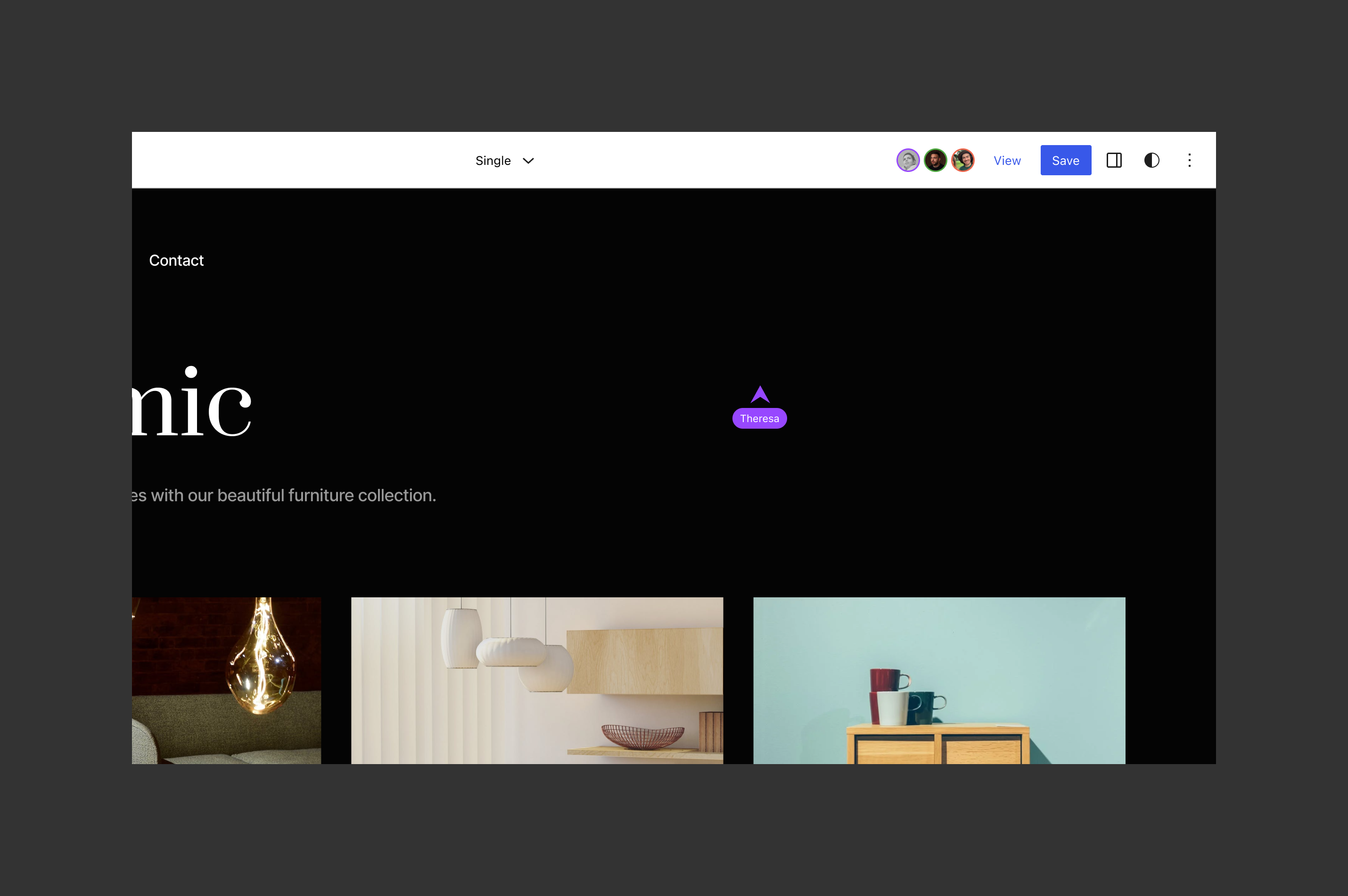
[[3. Resources/Readwise/Full Document Contents/Articles/Phase 3 Collaboration|Full Document Contents]]
## Document Notes
## Summarize:
The WordPress Gutenberg project has introduced blocks and a new editing experience that provides users with greater flexibility and options. The project has gone through different phases, starting with the block editor and expanding to the rest of the site. New features like patterns and block themes have been added to enhance the user experience. The third phase of the project will focus on collaboration, improving the admin experience, and streamlining content management workflows. This includes real-time collaboration, asynchronous collaboration, publishing flows, improved post revisions interface, admin design update, a library for managing blocks, and a global search and command component. Feedback and contributions from users are important in shaping these developments.
## Bullet Points:
- The WordPress Gutenberg project has transformed content creation and management on websites.
- The project has gone through different phases, starting with the block editor and extending to the rest of the site.
- New features like patterns and block themes have been introduced to enhance the user experience.
- The third phase of the project will focus on collaboration, improving the admin experience, and streamlining content management workflows.
- Key areas of focus include real-time collaboration, asynchronous collaboration, publishing flows, improved post revisions interface, admin design update, and the introduction of a library for managing blocks.
- A global search and command component will also be developed to enhance navigation and functionality.
- User feedback and contributions are crucial in shaping the direction of the project.
## Paraphrase:
1. The WordPress Gutenberg project has brought significant changes to content creation and management on websites, offering users increased flexibility and options. Various phases of the project have been introduced, starting with the block editor and expanding its features to different areas of the site. Additional functionalities such as patterns and block themes have also been incorporated to improve the overall user experience. The project's third phase will be centered around fostering collaboration, optimizing the admin experience, and streamlining content management workflows. The aim is to enable seamless real-time collaboration among multiple users, enhancing the efficiency of content creation, editing, and customization as a team. Asynchronous collaboration will also be emphasized, incorporating key features like draft sharing, inline block commenting, and task management to support collaboration at different paces and according to individual workflows. The third phase will also address publishing flows, post revision interfaces, admin design, and the development of a library to manage blocks, patterns, styles, and fonts. A global search and command component will also be created, allowing users to navigate content, admin sections, and run contextual commands. Feedback and contributions from users are highly valued in shaping these initiatives.
2. The WordPress Gutenberg project aims to revolutionize content creation and management on websites by introducing a block editor and enhancing the user experience with various features. The project has evolved in different phases, beginning with the block editor and subsequently expanding its capabilities to cover other areas of the site. New functionalities like patterns and block themes have been introduced to improve the design process and enable users to create visually appealing and highly functional websites. The project's third phase will focus on seamless collaboration, streamlining content management flows, and enhancing the admin experience. Real-time collaboration is a significant aspect of this phase, enabling multiple users to work together simultaneously on content and designs without restrictions. Asynchronous collaboration will also receive attention, facilitating collaboration at different paces and based on individual workflows. Key features include draft sharing, inline block commenting, review assignments, improved version control, and task management. Publishing flows will be optimized, incorporating features like editorial requirements and support for multiple preview contexts. The post revisions interface will be made more visual and allow for scheduling revisions across multiple parts of a site. The admin design will be updated with user flows and plugins in mind, and the library will be introduced for managing blocks, patterns, styles, and fonts. A global search and command component will also be developed, facilitating navigation and the execution of commands. User feedback is crucial in shaping these developments, and other active projects related to prior phases will continue alongside the third phase.
### Conclusion:
The WordPress Gutenberg project has transformed content creation and management on websites by introducing a block editor and expanding its features. The project is entering its third phase, which will focus on collaboration, streamlining content management flows, and improving the admin experience. Real-time and asynchronous collaboration will be key aspects of this phase, along with optimized publishing flows, improved post revisions interface, updated admin design, a library for managing blocks, patterns, styles, and fonts, and a global search and command component. User feedback and contributions are highly valued in shaping these developments.
### Questions:
1. How has the WordPress Gutenberg project transformed content creation and management on websites?
2. What are the main features introduced in the different phases of the Gutenberg project?
3. What are the key areas of focus in the third phase of the Gutenberg project?
4. How will real-time collaboration be incorporated into the Gutenberg project?
5. What are some of the features that will be introduced in the post revisions interface?
6. What improvements will be made to the admin design and navigation?
7. How will the Gutenberg project enhance the library for managing blocks, patterns, styles, and fonts?
8. What functionalities will the global search and command component offer?
9. What is the importance of user feedback in shaping the Gutenberg project?
10. What other projects will continue alongside the third phase of the Gutenberg project?
### Auto-tagging:
WordPress, Gutenberg, content creation, content management, block editor, user experience, collaboration, streamlining, admin experience, patterns, block themes, real-time collaboration, asynchronous collaboration, publishing flows, post revisions interface, admin design, library, global search, command component.
### Index Creation:
- Gutenberg project: 1
- block editor: 1
- user experience: 1
- collaboration: 1
- patterns: 2
- block themes: 2
- real-time collaboration: 2
- asynchronous collaboration: 2
- publishing flows: 2
- post revisions interface: 2
- admin design: 2
- library: 2
- global search: 2
- command component: 2
### Table of Contents:
1. Introduction
2. Phases of the Gutenberg Project
- Block Editor
- Expansion to the Rest of the Site
3. Enhancing User Experience
- Patterns
- Block Themes
4. Third Phase of the Gutenberg Project
- Collaboration
- Streamlining Content Management Flows
- Admin Experience Improvement
- Real-time Collaboration
- Asynchronous Collaboration
- Publishing Flows
- Improved Post Revisions Interface
- Admin Design Update
- Library for Managing Blocks
- Global Search and Command Component
5. Importance of User Feedback
6. Other Active Projects
7. Conclusion
### References:
No references provided.
### Future Research:
- The impact of the Gutenberg project on website performance and loading times
- Users' experiences and feedback on the block editor and other Gutenberg features
- The effectiveness of real-time collaboration in enhancing productivity and creativity in content creation
- The influence of the Gutenberg project on website accessibility and inclusive design practices
- Comparative studies between the Gutenberg project and other content management systems
### Hypothe
> [!note]+ Document Notes
<!-- deep-read:sections start -->
## Summarize:
The WordPress Gutenberg project has introduced blocks and a new editing experience that provides users with greater flexibility and options. The project has gone through different phases, starting with the block editor and expanding to the rest of the site. New features like patterns and block themes have been added to enhance the user experience. The third phase of the project will focus on collaboration, improving the admin experience, and streamlining content management workflows. This includes real-time collaboration, asynchronous collaboration, publishing flows, improved post revisions interface, admin design update, a library for managing blocks, and a global search and command component. Feedback and contributions from users are important in shaping these developments.
## Bullet Points:
- The WordPress Gutenberg project has transformed content creation and management on websites.
- The project has gone through different phases, starting with the block editor and extending to the rest of the site.
- New features like patterns and block themes have been introduced to enhance the user experience.
- The third phase of the project will focus on collaboration, improving the admin experience, and streamlining content management workflows.
- Key areas of focus include real-time collaboration, asynchronous collaboration, publishing flows, improved post revisions interface, admin design update, and the introduction of a library for managing blocks.
- A global search and command component will also be developed to enhance navigation and functionality.
- User feedback and contributions are crucial in shaping the direction of the project.
## Paraphrase:
1. The WordPress Gutenberg project has brought significant changes to content creation and management on websites, offering users increased flexibility and options. Various phases of the project have been introduced, starting with the block editor and expanding its features to different areas of the site. Additional functionalities such as patterns and block themes have also been incorporated to improve the overall user experience. The project's third phase will be centered around fostering collaboration, optimizing the admin experience, and streamlining content management workflows. The aim is to enable seamless real-time collaboration among multiple users, enhancing the efficiency of content creation, editing, and customization as a team. Asynchronous collaboration will also be emphasized, incorporating key features like draft sharing, inline block commenting, and task management to support collaboration at different paces and according to individual workflows. The third phase will also address publishing flows, post revision interfaces, admin design, and the development of a library to manage blocks, patterns, styles, and fonts. A global search and command component will also be created, allowing users to navigate content, admin sections, and run contextual commands. Feedback and contributions from users are highly valued in shaping these initiatives.
2. The WordPress Gutenberg project aims to revolutionize content creation and management on websites by introducing a block editor and enhancing the user experience with various features. The project has evolved in different phases, beginning with the block editor and subsequently expanding its capabilities to cover other areas of the site. New functionalities like patterns and block themes have been introduced to improve the design process and enable users to create visually appealing and highly functional websites. The project's third phase will focus on seamless collaboration, streamlining content management flows, and enhancing the admin experience. Real-time collaboration is a significant aspect of this phase, enabling multiple users to work together simultaneously on content and designs without restrictions. Asynchronous collaboration will also receive attention, facilitating collaboration at different paces and based on individual workflows. Key features include draft sharing, inline block commenting, review assignments, improved version control, and task management. Publishing flows will be optimized, incorporating features like editorial requirements and support for multiple preview contexts. The post revisions interface will be made more visual and allow for scheduling revisions across multiple parts of a site. The admin design will be updated with user flows and plugins in mind, and the library will be introduced for managing blocks, patterns, styles, and fonts. A global search and command component will also be developed, facilitating navigation and the execution of commands. User feedback is crucial in shaping these developments, and other active projects related to prior phases will continue alongside the third phase.
### Conclusion:
The WordPress Gutenberg project has transformed content creation and management on websites by introducing a block editor and expanding its features. The project is entering its third phase, which will focus on collaboration, streamlining content management flows, and improving the admin experience. Real-time and asynchronous collaboration will be key aspects of this phase, along with optimized publishing flows, improved post revisions interface, updated admin design, a library for managing blocks, patterns, styles, and fonts, and a global search and command component. User feedback and contributions are highly valued in shaping these developments.
### Questions:
1. How has the WordPress Gutenberg project transformed content creation and management on websites?
2. What are the main features introduced in the different phases of the Gutenberg project?
3. What are the key areas of focus in the third phase of the Gutenberg project?
4. How will real-time collaboration be incorporated into the Gutenberg project?
5. What are some of the features that will be introduced in the post revisions interface?
6. What improvements will be made to the admin design and navigation?
7. How will the Gutenberg project enhance the library for managing blocks, patterns, styles, and fonts?
8. What functionalities will the global search and command component offer?
9. What is the importance of user feedback in shaping the Gutenberg project?
10. What other projects will continue alongside the third phase of the Gutenberg project?
### Auto-tagging:
WordPress, Gutenberg, content creation, content management, block editor, user experience, collaboration, streamlining, admin experience, patterns, block themes, real-time collaboration, asynchronous collaboration, publishing flows, post revisions interface, admin design, library, global search, command component.
### Index Creation:
- Gutenberg project: 1
- block editor: 1
- user experience: 1
- collaboration: 1
- patterns: 2
- block themes: 2
- real-time collaboration: 2
- asynchronous collaboration: 2
- publishing flows: 2
- post revisions interface: 2
- admin design: 2
- library: 2
- global search: 2
- command component: 2
### Table of Contents:
1. Introduction
2. Phases of the Gutenberg Project
- Block Editor
- Expansion to the Rest of the Site
3. Enhancing User Experience
- Patterns
- Block Themes
4. Third Phase of the Gutenberg Project
- Collaboration
- Streamlining Content Management Flows
- Admin Experience Improvement
- Real-time Collaboration
- Asynchronous Collaboration
- Publishing Flows
- Improved Post Revisions Interface
- Admin Design Update
- Library for Managing Blocks
- Global Search and Command Component
5. Importance of User Feedback
6. Other Active Projects
7. Conclusion
### References:
No references provided.
### Future Research:
- The impact of the Gutenberg project on website performance and loading times
- Users' experiences and feedback on the block editor and other Gutenberg features
- The effectiveness of real-time collaboration in enhancing productivity and creativity in content creation
- The influence of the Gutenberg project on website accessibility and inclusive design practices
- Comparative studies between the Gutenberg project and other content management systems
### Hypotheses:
1. Users who have adopted the Gutenberg project's block editor will report higher levels of satisfaction and ease of use compared to users of traditional editing interfaces.
2. Websites that have fully embraced the Gutenberg project's block themes will have a more consistent and visually appealing design compared to websites using traditional WordPress themes.
3. The implementation of real-time collaboration in the Gutenberg project will significantly increase collaboration efficiency and reduce communication barriers among team members.
4. The introduction of publishing flows in the Gutenberg project will improve content quality and ensure adherence to editorial requirements.
5. The improved post revisions interface in the Gutenberg project will lead to more efficient content revision and scheduling processes.
6. The admin design update in the Gutenberg project will enhance user experience and increase efficiency in managing website content.
7. The introduction of a library for managing blocks, patterns, styles, and fonts in the Gutenberg project will streamline the design process and provide greater design flexibility for users.
8. The global search and command component in the Gutenberg project will enhance user navigation and workflow efficiency.
9. User feedback and contributions will play a crucial role in shaping the direction and success of the Gutenberg project.
10. The Gutenberg project will have a significant impact on the future of content creation and management on websites, influencing industry practices and standards.
### Methodology:
- Conduct user interviews and surveys to gather feedback on the experience of using the Gutenberg project's block editor and other features.
- Perform usability testing to evaluate the effectiveness and user-friendliness of the Gutenberg project's real-time collaboration and asynchronous collaboration functionalities.
- Analyze website performance metrics and compare the loading times of websites using the Gutenberg project's block editor and traditional editing interfaces.
- Conduct case studies to assess the impact of the Gutenberg project on website accessibility and inclusive design practices.
- Compare the features and capabilities of the Gutenberg project with other popular content management systems through a comprehensive analysis of their functionalities and user experiences.
- Gather data on website design consistency and visual appeal by comparing websites using the Gutenberg project's block themes with websites using traditional WordPress themes.
- Analyze the impact of the Gutenberg project's publishing flows on content quality and efficiency in content creation and publishing processes.
- Conduct user testing and feedback collection to evaluate the usability and effectiveness of the Gutenberg project's post revisions interface.
- Perform user testing and conduct surveys to assess the impact of the Gutenberg project's admin design update on user experience and workflow efficiency.
- Analyze the usage patterns and user feedback on the Gutenberg project's library for managing blocks, patterns, styles, and fonts to evaluate its effectiveness in streamlining the design process.
- Conduct user testing and gather feedback on the usability and efficiency of the global search and command component in the Gutenberg project.
- Analyze user feedback and contributions to understand their role in shaping the direction and success of the Gutenberg project.
- Perform an industry-wide analysis of the impact and implications of the Gutenberg project on content creation and management practices.
### Implications:
- The future research on the Gutenberg project's impact on website performance and accessibility can contribute to greater understanding and optimization of website design and development practices.
- The evaluation of user experiences and feedback on the Gutenberg project's block editor and other features can guide future improvements and updates to enhance user satisfaction and usability.
- The findings on the effectiveness of real-time collaboration in the Gutenberg project can inform the development of collaboration tools and workflows in other content management systems.
- The insights from researching the Gutenberg project's publishing flows and post revisions interface can contribute to the development of more efficient and streamlined content creation and publishing processes.
- The evaluation of the Gutenberg project's admin design update and library features can guide future improvements in user experience and design flexibility.
- The development and analysis of the global search and command component in the Gutenberg project can contribute to the advancement of user navigation and workflow efficiency in content management systems.
- The understanding of user feedback and contributions in shaping the Gutenberg project can guide the development and implementation of user-centered design processes in future projects.
- The future research on the impact and implications of the Gutenberg project on content creation and management practices can inform industry standards and best practices in website development.
### Logical validity:
The main arguments presented in the article are logically coherent and supported by examples and explanations. The article provides a clear and organized outline of the Gutenberg project's phases and upcoming developments. The logical coherence of the arguments is further supported by the inclusion of user feedback and the acknowledgement of other active projects related to prior phases. There are no evident logical fallacies employed in the article. However, as the article does not provide sources or citations, it is important to consider the validity and trustworthiness of the information presented.
<!-- deep-read:sections end -->
## Highlights
- We are now planning its **third phase**, which is going to be centered around fostering seamless collaboration, tying together the user experience, and streamlining the content management flows to improve the way creators and teams work together within WordPress. ([View Highlight](https://read.readwise.io/read/01h5jzhpfjw53q2936kmyjqn1d))