Recovering From AI Psychosis | TheStandup
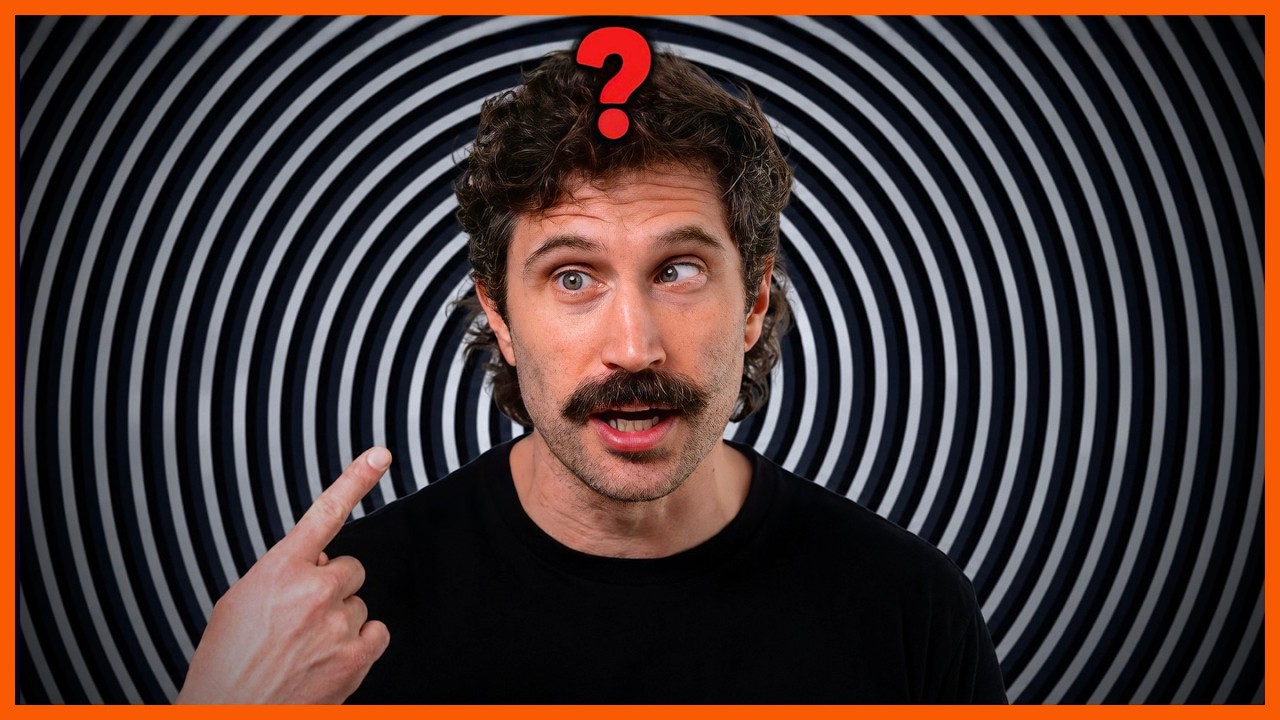
🔗 **Source:** [Recovering From AI Psychosis | TheStandup](https://www.youtube.com/watch?v=cVUVfn8OF5k)
> [!note]+ Document Notes
> tags: [ai-psychosis, developer-burnout, ai-tooling, coding-agents, mental-health, productivity]
> author: [MISSING]
> source: TheStandup
> reference: [https://www.youtube.com/watch?v=cVUVfn8OF5k]
> date created: {{date:YYYY-MM-DD}} {{time:HH:mm}}
>
> # 🏷️ Title: Recovering from AI Psychosis | TheStandup
>
<!-- deep-read:sections start -->
## 🧭 Table of Contents
- [📝 Summary](#-summary)
- [📖 Main Content](#-main-content)
- [🗒️ Notes](#️-notes)
- [📚 References](#-references)
- [🗣️ Paraphrase](#️-paraphrase)
- [📰 Newsletter](#-newsletter)
- [✅ Action Items](#-action-items)
- [🧪 Hypotheses](#-hypotheses)
- [📊 Methodology](#-methodology)
- [❓ Questions](#-questions)
- [🔮 Future Research](#-future-research)
- [💡 Implications](#-implications)
- [🧠 Learning Styles Assessment](#-learning-styles-assessment)
- [📊 Accessibility Assessment](#-accessibility-assessment)
- [🌍 DEIB Assessment](#-deib-assessment)
- [✅ Logical Validity](#-logical-validity)
- [🛡️ DARVO Analysis](#-darvo-analysis)
- [🎯 Conclusion](#-conclusion)
## 📝 Summary
- Adam, creator of OpenCode, describes experiencing "AI psychosis" - an obsessive, unhealthy relationship with AI coding tools that led to severe burnout.
- Started using Claude/GPT models more intensively in fall 2023, escalating to running 4-5 AI agents simultaneously, working through the night, and experiencing sleep disruption.
- The addiction-like behavior was driven by dopamine cycles from AI outputs, competitive pressure in the AI coding space, and the illusion of productivity.
- Required a complete 5-week break from coding and social media to recover, returning with healthier boundaries and team support.
- Bottom line: AI tools can create addictive usage patterns that mimic other behavioral addictions, requiring conscious boundaries and intervention strategies.
## 📖 Main Content
Adam's journey illustrates a pattern increasingly common among developers using AI coding assistants. Working on OpenCode (a competitor to Claude Code), he initially resisted AI tools through summer 2023, building mostly by hand. The turning point came with GPT-5.2 in winter, which produced outputs that felt significantly more intelligent than previous models.
### The Descent into AI Psychosis
The addiction pattern emerged from intermittent reinforcement - like golf, where one great shot keeps you coming back despite mostly poor performance. Key warning signs included:
- Running multiple AI instances simultaneously using git worktrees
- Bringing laptop to bed to start prompts during the night
- Sleep disruption and inability to go 30 minutes without prompting
- Measuring success by lines of code generated rather than outcomes
- Endless refactors and performance audits without clear purpose
### Competitive Pressure and Social Media
The AI coding space's intense competition exacerbated the problem. Unlike previous projects with few competitors, OpenCode faces "a hundred" rivals visible daily on Twitter/X. This created pressure to move fast and build everything at once, with AI seeming to offer unlimited scaling.
### Recovery Process
Adam's recovery required complete disconnection:
- 5 weeks off work (unprecedented in his 15-year career)
- No programming, limited social media, no LLM interaction
- Physical illness initially forced the break
- Spent time on offline activities: Netflix, golf, tennis with family
- Team growth and healthy AI usage patterns helped reframe his approach
### Current Approach
Post-recovery, Adam has implemented several boundaries:
- Single-tasking instead of parallel AI instances
- Faster models reduce temptation for parallelization
- Focus on outcomes rather than code volume
- Full code review (which he had abandoned during peak psychosis)
- Team Discord for between-prompt activities
## 🗒️ Notes
#### ⏱️ [00:00:00](https://www.youtube.com/watch?v=cVUVfn8OF5k?t=0) Introduction and Background
- Adam worked on OpenCode starting April 2023, initially building by hand
- Claude Code launched February 2023, Adam started OpenCode in April
- Through summer 2023, would forget to use AI tools for weeks at a time
- "If I'm going to make this and expect people to use it, I should be using it"
#### ⏱️ [00:05:30](https://www.youtube.com/watch?v=cVUVfn8OF5k?t=330) Model Preferences and Evolution
- Claude models felt lazy, took shortcuts, did "stupid things"
- GPT-5.2 in December was first model that felt "clever" enough to trust
- Team discussion of model preferences: GPT gaining ground over Claude for serious development
- Anthropic vs OpenAI developer relations affecting perception
#### ⏱️ [00:12:00](https://www.youtube.com/watch?v=cVUVfn8OF5k?t=720) The Golf Analogy
- AI coding like golf: expensive, frustrating, but one good shot brings you back
- "One good shot every round" - the dopamine hit from impressive AI output
- Led to reviewing code less, running slower models in parallel
- Worktrees explanation: cloning work folder for different git branches simultaneously
#### ⏱️ [00:18:30](https://www.youtube.com/watch?v=cVUVfn8OF5k?t=1110) Peak Psychosis Symptoms
- Running 4-5 AI instances simultaneously
- Endless pointless refactors and performance audits
- Sleep disruption: "couldn't hardly go through night"
- Laptop in bedroom, waking up to start prompts
- "Couldn't think of going the next 30 minutes without doing more work"
#### ⏱️ [00:22:45](https://www.youtube.com/watch?v=cVUVfn8OF5k?t=1365) AI Vampires and Mark Andreessen Clip
- Valley phenomenon: destroying sleep to monitor AI agents
- Polyphasic sleep attempts to maximize AI interaction time
- Discussion of time manipulation and productivity obsession
#### ⏱️ [00:28:00](https://www.youtube.com/watch?v=cVUVfn8OF5k?t=1680) Recognition and Intervention
- Wife first noticed sleep disruption problems
- No colleagues directly intervened or called out the behavior
- Burnout was primary driver: "didn't want to wake up in the morning"
- Very rare for Adam as typically obsessive morning person
#### ⏱️ [00:32:15](https://www.youtube.com/watch?v=cVUVfn8OF5k?t=1935) Competitive Pressure
- AI coding field extremely competitive unlike previous projects
- "Not used to having any competitors, let alone a hundred"
- Twitter/X amplified mental health drain
- Feeling need to build everything at once with AI assistance
#### ⏱️ [00:35:00](https://www.youtube.com/watch?v=cVUVfn8OF5k?t=2100) Recovery Period
- 5 weeks completely off work and mostly offline
- First couple weeks physically ill with family
- Watched Breaking Bad for first time in years
- Golf, tennis, time with wife while kids in school
- Most offline period in 15-year career
#### ⏱️ [00:38:30](https://www.youtube.com/watch?v=cVUVfn8OF5k?t=2310) Healthy Team Practices
- Team grew to 20 people during break
- Observed healthier AI usage patterns from teammates
- Focus on better outcomes rather than speed/volume
- Craft-oriented approach vs. ground-covering mentality
#### ⏱️ [00:42:00](https://www.youtube.com/watch?v=cVUVfn8OF5k?t=2520) Current Workflow and Safeguards
- Single-task focus instead of parallel instances
- Faster models reduce parallelization temptation
- Team Discord for between-prompt activities
- Goal shift from "how much can I output" to outcome-based measurement
#### ⏱️ [00:46:15](https://www.youtube.com/watch?v=cVUVfn8OF5k?t=2775) Gary Tan USB-C Cable Meme
- Discussion of potential satire vs. serious AI psychosis symptoms
- "Using Claude code so much my USB-C connectors burned out"
- Community markers of AI psychosis behavior
#### ⏱️ [00:50:00](https://www.youtube.com/watch?v=cVUVfn8OF5k?t=3000) Detection and Prevention Ideas
- Proposal for AI psychosis detection in OpenCode
- Nintendo Wii-style "maybe you should go outside" warnings
- Friend-voting system to enable safeguards
- Occupational hazard of working on AI tools while recovering from AI addiction
#### ⏱️ [00:55:30](https://www.youtube.com/watch?v=cVUVfn8OF5k?t=3330) Warning Signs for Isolated Developers
- Health deterioration and abandoning previous habits
- Choosing AI prompting over exercise/healthy activities
- Cultural reinforcement online vs. individual intervention
- 10 online voices encouraging more vs. 1 friend suggesting moderation
## 📚 References
- [OpenCode](https://github.com/opencoder-llm) - Adam's AI coding tool project
- [Claude Code by Anthropic](https://claude.ai)
- [GPT models by OpenAI](https://openai.com)
- Mark Andreessen's AI vampire concept
- Gary Tan's viral USB-C cable tweet
## 🗣️ Paraphrase
A developer working on AI coding tools describes falling into "AI psychosis" - an addictive pattern of obsessive AI usage that disrupted his sleep, health, and productivity. Initially skeptical of AI tools, he began using them more intensively when newer models produced impressive outputs, creating a dopamine-driven cycle similar to gambling addiction. The competitive pressure in the AI coding space and social media amplification worsened the problem. Warning signs included running multiple AI instances simultaneously, sleep disruption from nighttime prompting, and measuring success by code volume rather than outcomes. Recovery required a complete 5-week break from work and technology, returning with healthier boundaries focused on single-tasking and outcome-based goals rather than AI output volume.
## 📰 Newsletter
Developers, we need to talk about AI psychosis. This fascinating conversation with Adam from OpenCode reveals a growing pattern in our community that deserves serious attention. If you've ever found yourself running multiple AI coding agents simultaneously, staying up at night to check on prompts, or measuring your productivity by lines of AI-generated code rather than actual outcomes, you might recognize some warning signs.
The story follows a classic addiction pattern: initial skepticism, a breakthrough experience that feels transformative, escalating usage despite diminishing returns, and eventual burnout requiring intervention. What makes this particularly relevant for WordPress developers is the competitive pressure we all feel to adopt AI tools quickly while the ecosystem rapidly evolves.
Key takeaways: Set boundaries early, focus on outcomes over output volume, and don't let AI tools disrupt your fundamental health habits. The goal isn't to avoid AI entirely, but to use it sustainably as part of a balanced development practice.
Worth exploring: VS Code extensions with usage tracking, GitHub Copilot analytics, and team practices for healthy AI integration in development workflows.
## ✅ Action Items
#### DevRel
- Developer experience: Create AI usage guidelines and healthy integration practices documentation
- Community management: Develop resources for recognizing and addressing AI tool dependency
- Developer marketing: Frame AI tools as productivity enhancers rather than replacement solutions
- Education: Workshop content on sustainable AI development practices
#### WordPress
- Core: Evaluate AI integration proposals for potential addictive usage patterns
- Community: Meetup content on healthy AI adoption for developers
- Training: Lesson plans addressing AI tool boundaries and sustainable practices
- Documentation: Best practices guides for AI-assisted WordPress development
#### Community
- Maintainers: Discussion of AI tool policies and contributor guidelines
- Contributors: Onboarding materials that address AI usage expectations and boundaries
## 🧪 Hypotheses
1. AI coding tools create dopamine-driven feedback loops similar to gambling addiction mechanisms
2. Competitive pressure in rapidly evolving tech spaces amplifies unhealthy AI tool usage patterns
3. Developers with obsessive personality traits are more susceptible to AI psychosis
4. Social media exposure to AI success stories increases likelihood of excessive usage
5. Team-based accountability and healthy usage modeling can prevent individual AI addiction
6. Model speed improvements reduce parallelization temptation and unhealthy usage patterns
### 📊 Methodology
- Longitudinal studies tracking developer AI usage patterns and mental health indicators
- Controlled experiments comparing individual vs. team-based AI tool adoption
- Surveys measuring correlation between personality traits and AI tool dependency
- Analysis of code review patterns before/during/after intensive AI usage periods
### ❓ Questions
- What percentage of developers experience some form of AI psychosis?
- Do certain programming languages or project types correlate with higher AI dependency risk?
- How effective are built-in usage monitoring tools at preventing excessive AI usage?
- What team practices best support healthy AI tool integration?
### 🔮 Future Research
- Development of validated AI tool dependency assessment instruments
- Investigation of neurological similarities between AI tool addiction and other behavioral addictions
- Longitudinal career impact studies of developers with AI psychosis history
- Effectiveness studies of different intervention and prevention strategies
### 💡 Implications
- Development tool vendors should consider built-in usage monitoring and intervention features
- Engineering management training should include recognition of AI tool dependency signs
- Developer education curricula need healthy AI usage components
- Industry discussion needed around ethical responsibilities of AI tool providers
- Mental health support resources should address technology-specific addictions
### 🧠 Learning Styles Assessment
Reading level: Conversational (approximately 8th grade, using Flesch-Kincaid formula)
#### 👀 Visual learners
- Present: Timeline of AI model releases and usage escalation, warning signs checklist
- Improve: Flowchart of healthy vs. unhealthy AI usage patterns, burnout progression diagram
#### 🔊 Aural learners
- Present: Podcast format interview with personal narrative
- Improve: Audio summary with key takeaways, guided reflection prompts
#### 🗣️ Verbal learners
- Present: Golf analogy, clear definitions of "AI psychosis" and warning signs
- Improve: More analogies to familiar addictive behaviors, glossary of terms
#### 🧩 Kinesthetic learners
- Present: Concrete examples of workflows and behaviors
- Improve: Self-assessment checklist, practical boundary-setting exercises
#### 🧠 Logical learners
- Present: Clear cause-and-effect progression, timeline structure
- Improve: Decision tree for healthy AI usage, metrics for measuring sustainable practices
#### 🧑🤝🧑 Social learners
- Present: Team discussion format, peer experiences and perspectives
- Improve: Discussion guide for developer teams, peer accountability frameworks
#### 🧘♀️ Solitary learners
- Present: Individual reflection opportunity through personal narrative
- Improve: Self-reflection questions, private journaling prompts for usage assessment
#### 🌿 Naturalistic learners
- Present: Organic conversation flow, natural story progression
- Improve: Connections to work-life balance, sustainable development practices
### 📊 Accessibility Assessment
#### Screen reader semantics
- Present: Clear heading hierarchy, descriptive timestamps with topic labels
- Improve: Alt text for timestamp links, summary of key points in each section
#### Keyboard navigation
- Present: Standard link navigation, logical content flow
- Improve: Skip links to major sections, keyboard-accessible timestamp navigation
#### Contrast and readability
- Present: Standard text contrast, clear paragraph breaks
- Improve: Highlight boxes for key warning signs, sufficient spacing between sections
#### Text resizing and reflow
- Present: Responsive text formatting
- Improve: Ensure timestamp links remain functional at 200% zoom
#### Media and captions
- Present: Full transcript of video content
- Improve: Chapter markers aligned with video timestamps, downloadable transcript
#### Forms and interactions
- Present: Simple link interactions
- Improve: No complex interactions required
### 🌍 DEIB Assessment
#### Cultural breadth
- Present: US-centric tech industry perspective
- Improve: Global developer perspectives on AI tool usage patterns, cultural differences in work-life boundaries
#### Inclusive language
- Present: Generally accessible language, defined technical terms
- Improve: Avoid mental health stigma language, clearer explanation of addiction terminology
#### Neurodiversity support
- Present: Clear structure with timestamps and sections
- Improve: Content warnings for addiction/mental health topics, multiple format options
#### Representation
- Present: Single male developer perspective
- Improve: Diverse voices on AI tool usage experiences, different demographic perspectives
#### Psychological safety
- Present: Non-judgmental discussion of addiction-like behaviors
- Improve: Explicit normalization of seeking help, resources for support
### ✅ Logical Validity
#### Strong reasoning
- **Analogical reasoning**: The golf analogy effectively illustrates intermittent reinforcement patterns (location: 12:00 mark). Strong because it captures the "one good shot" dopamine cycle that maintains engagement despite mostly poor outcomes.
- **Causal reasoning**: Clear progression from competitive pressure → AI tool adoption → usage escalation → burnout (throughout interview). Well-supported by specific behavioral examples and timeline.
#### Fallacies
- **Hasty generalization**: Adam's individual experience may not represent typical developer AI usage patterns. Fix: Acknowledge this as one person's experience and call for broader research.
- **Post hoc reasoning**: Assumes AI tools directly caused burnout without considering other factors like work stress or personal circumstances. Fix: Identify confounding variables and multiple contributing factors.
#### Tone of voice
- Conversational and vulnerable, with self-deprecating humor ("I'm from the Ozarks, we don't use big words"). Creates relatability and reduces stigma around discussing addictive behaviors.
### 🛡️ DARVO Analysis
No DARVO patterns detected. The conversation maintains accountability and doesn't attempt to shift blame or victimhood. Adam takes responsibility for his choices while identifying systemic factors that contributed to the problem.
## 🎯 Conclusion
Adam's experience with AI psychosis reveals a significant but under-discussed challenge in our industry. The combination of powerful AI tools, competitive pressure, and dopamine-driven feedback loops can create genuinely addictive usage patterns that mirror other behavioral addictions. His recovery through complete disconnection and gradual reintegration with healthier boundaries offers a template for others experiencing similar issues.
The practical next steps for readers include: monitor your own AI usage patterns for warning signs, prioritize outcome-based rather than output-based productivity measures, maintain healthy boundaries around work technology, and consider team-based accountability for sustainable AI tool adoption. Most importantly, recognize that seeking help for technology-related behavioral issues is both normal and necessary as these powerful tools become more prevalent in our workflows.
## 🔄 Refactor Appendix — Recovering from AI Psychosis | TheStandup
### 📚 Literature Atoms
#### AI coding tools create dopamine-driven addiction patterns similar to gambling
> [!quote] ID:transcript_001
> "You would submit a big prompt, you'd come back and see the results and it's just the slot machine thing. It's like did it do a good job?"
**Context & use**:
- Discussion of psychological mechanisms driving excessive AI tool usage
- Explains why developers continue using AI despite mixed results
- Mirrors intermittent reinforcement schedules known to create addictive behaviors
**Tags**: #behavioral-psychology #ai-tools #addiction-patterns
<!-- atomicity: 1 idea ✓ -->
#### Competitive pressure amplifies unhealthy AI adoption in rapidly evolving markets
> [!quote] ID:transcript_002
> "I'm not used to having any competitors, let alone a hundred of them I can look at on Twitter every day"
**Context & use**:
- Adam's reflection on how market competition drove excessive AI usage
- Illustrates how social media amplifies competitive anxiety
- Relevant for any rapidly evolving technical field with visible competition
**Tags**: #market-competition #social-media #developer-psychology
<!-- atomicity: 1 idea ✓ -->
#### Recovery from technology addiction requires complete disconnection followed by gradual reintegration
> [!quote] ID:transcript_003
> "I didn't work for a month... that was enough time to get some perspective to not interact with LLM for a while"
**Context & use**:
- Adam's 5-week complete break from coding and social media
- Contrasts with typical advice to moderate usage gradually
- Demonstrates necessity of cold-turkey approach for severe cases
**Tags**: #addiction-recovery #digital-detox #mental-health
<!-- atomicity: 1 idea ✓ -->
### 🧠 Permanent Candidates
#### Technology addiction follows predictable behavioral patterns regardless of the specific tool
**Claim**: Addictive technology usage creates consistent warning signs across different platforms and tools, including sleep disruption, abandonment of healthy habits, and obsessive monitoring behaviors.
**Evidence pointer**: [[#AI coding tools create dopamine-driven addiction patterns similar to gambling]]
**Scope & conditions**: Applies when technology provides variable reward schedules; may not apply to tools with predictable, consistent outputs
**Links**:
- [[Behavioral addiction mechanisms]] — because extends beyond substance addiction
- [[Digital wellness frameworks]] — because evidence-for intervention strategies
- [[Intermittent reinforcement psychology]] — because applies-in technology design
<!-- atomicity: 1 idea ✓ -->
### ✏️ Fleeting Queue
- Research intermittent reinforcement schedules in modern AI tool design
- Investigate prevalence of AI psychosis patterns in developer communities
- Explore team-based accountability systems for healthy AI tool adoption
- Document warning signs checklist for AI tool dependency
### → Things 3
- [ ] Create self-assessment tool for healthy AI usage patterns — development team discussion #things
- [ ] Research digital wellness resources for technology addiction — mental health support #things
---
## Full Transcript
[00:00] Welcome to the stand. Today we have with<br>[00:02] us Adam.dev. If you do not know, the<br>[00:04] legendary vegan from the Ozarks. He has<br>[00:06] single-handedly helped make something<br>[00:08] compete against Claude Code by himself.<br>[00:11] Adam is a fantastic dev and we've made<br>[00:14] fun of him many times for being a vegan<br>[00:15] and going to Korean barbecue with us.<br>[00:17] But the more important thing about Adam<br>[00:18] is that he went from coding everything<br>[00:21] by hand, not really into the AI, going<br>[00:23] to full AI psychosis. And apparently he<br>[00:26] is back out of AI psychosis, coming into<br>[00:29] reality again, took a month off the<br>[00:31] internet. And when we saw this, we said,<br>[00:32] "Okay, Adam, come on. Talk to us. We got<br>[00:35] to hear the story. We got to understand<br>[00:36] it." Because I think a lot of people are<br>[00:38] probably feeling they're probably in the<br>[00:40] month-long adventure or they wish they<br>[00:43] had the month-long adventure or even<br>[00:44] more so they're probably in full AI<br>[00:46] psychosis right now not even realizing<br>[00:48] they need whatever you whatever you had.<br>[00:50] So we'd love to hear the story and all<br>[00:52] that. TJ interruption now.<br>[00:55] >> Oh I was just going to say I'm building<br>[00:56] my own programming language.<br>[01:06] Yeah.<br>[01:08] Uh, anyways, sorry,<br>[01:09] >> Adam. So, can you give those of us who<br>[01:12] don't know like a little bit of<br>[01:13] background on like where this whole<br>[01:15] thing started cuz like I also don't know<br>[01:17] if everyone knows that you worked on<br>[01:19] Open Code. I mean, they might only be<br>[01:21] passingly familiar with Open Code. So,<br>[01:22] could we get can we get like the deep<br>[01:24] the the starting point of the story<br>[01:26] >> from zero to one, shall we say?<br>[01:28] >> Yeah.<br>[01:30] >> Uh, yeah. I guess it starts uh like<br>[01:33] April of last year. So Claude Code came<br>[01:35] out in maybe like February, something<br>[01:37] like that. Uh, and I started working on<br>[01:39] Open Code in April.<br>[01:41] >> And I I would say like that was around<br>[01:43] the Claude 3.7. I'm going to reference a<br>[01:46] lot of model numbers because it's just<br>[01:48] kind of like the timeline. It helps me<br>[01:49] remember everything. Uh, that was like<br>[01:51] 3.7 where I I feel like more it was kind<br>[01:54] of picking up. More people were playing<br>[01:55] with the whole agentic thing. Uh so not<br>[01:58] just like going to the browser and<br>[01:59] asking questions and then copy pasting<br>[02:01] code but like letting it run on your<br>[02:03] machine uh cloud code style. So I<br>[02:06] started working on it in April and I<br>[02:08] would say like until September maybe<br>[02:11] September October I wasn't really using<br>[02:14] the stuff. I was building it mostly by<br>[02:16] hand. Uh and I would just like forget<br>[02:18] and I know Dax and I have talked about<br>[02:19] this a lot. we would just completely<br>[02:20] forget to use it for weeks or for a week<br>[02:22] and then be like, "Oh man, if I'm going<br>[02:24] to make this and expect people to use<br>[02:25] it, I should be using it,<br>[02:26] >> right?"<br>[02:27] >> Uh, so mostly like through the summer<br>[02:29] just kind of doing everything by hand,<br>[02:30] still<br>[02:31] >> like playing with it, but not really<br>[02:33] sold and not really impressed with with<br>[02:35] what it was able to do. Uh, I guess it<br>[02:38] was it was sometime in the fall when I<br>[02:39] think it was Opus 4. It could be 4<br>[02:42] something, but I think it was four when<br>[02:44] I started trying to lean harder into it<br>[02:46] over the the fall. And again, it just<br>[02:50] like, and I've always found this with<br>[02:51] the claw models, it just like took so<br>[02:53] many shortcuts and did so many stupid<br>[02:55] things that I had a hard time like<br>[02:56] handing over anything to it without just<br>[02:59] feeling like I wasted my time. Uh, yeah.<br>[03:02] I I wish Trash was here. I feel like he<br>[03:04] would be able to relate more with me.<br>[03:05] Like I think when I saying this, I'm<br>[03:07] just assuming Casey's thinking it's<br>[03:09] still a waste of time.<br>[03:10] >> We all wish trash was with us. Okay,<br>[03:12] it's okay, Adam. We all<br>[03:14] >> here. Here, I'll I'll I'll be trash.<br>[03:17] Okay.<br>[03:22] >> Hey, is that HTTP? Get that out of here.<br>[03:25] That's not how we order coffee. We order<br>[03:27] coffee via SSH terminal.shop. Yeah. You<br>[03:30] want a real experience? You want real<br>[03:32] coffee? You want awesome subscriptions<br>[03:34] so you never have to remember again? Oh,<br>[03:36] you want exclusive blends with exclusive<br>[03:38] coffee and exclusive content? Then check<br>[03:42] out Kron. You don't know what SSH is?<br>[03:45] >> Well, maybe the coffee is not for you.<br>[03:47] Terminal coffee<br>[03:50] in hand.<br>[03:56] >> To your point though, Adam, I 100%<br>[03:57] agree. I feel like<br>[04:00] Claude, it loves to be lazy.<br>[04:02] >> Yeah, I never really and I still don't<br>[04:04] really use the Cloud models. I It was<br>[04:05] like really winter sometime. I think it<br>[04:07] was December that the GPT5.2 model came<br>[04:10] out somewhere around there. And that was<br>[04:12] the first time because I had been<br>[04:13] reviewing every line that Claude would<br>[04:15] spit out. That was the first time that I<br>[04:16] was using GPT. There was a few people on<br>[04:19] Twitter very actively like praising it<br>[04:21] and very loud about it. Uh it was like<br>[04:24] reviewing the GPT output compared to the<br>[04:26] cloud stuff. It was just so much more<br>[04:27] clever. It felt like it it was taking<br>[04:29] its time and like it took forever to run<br>[04:32] like it was much slower. Uh but I felt<br>[04:34] like hey this model output is good<br>[04:36] enough that I want to use it more. That<br>[04:37] was for the first time I think that I<br>[04:38] really started leaning hard into it.<br>[04:41] >> It's kind there actually about that<br>[04:43] because this is interesting. I feel like<br>[04:46] so as someone on the outside of this<br>[04:48] sort of stuff, I feel like if I if you'd<br>[04:50] asked me like from what you see online,<br>[04:55] which of the two models do people<br>[04:57] prefer, I would have assumed it was<br>[04:59] anthropic because that's what people<br>[05:00] always talk about. Is that fake news?<br>[05:02] Like is that not really the case? At<br>[05:03] least in your experience.<br>[05:05] >> I mean, I think this year GPT has kind<br>[05:08] of taken the mantle. And I'm speaking<br>[05:10] more for like the extremely online<br>[05:11] crowd. I don't think I have any idea<br>[05:14] what the broader like 80% of developers<br>[05:16] who just clock in clock out what they're<br>[05:17] doing but the people who talk a lot<br>[05:19] online I think GPT models since 5.2 to<br>[05:22] have kind of slowly taken and now to the<br>[05:24] point I think codeex is kind of the<br>[05:25] default. Our team at anomaly I mean 20<br>[05:29] 20 of us we we by far use the GPD<br>[05:32] models.<br>[05:32] >> I would say Casey um the thing I've seen<br>[05:37] >> is a lot of people who don't want to<br>[05:40] look at the code ever really like ant<br>[05:43] cla code. Not to say that there aren't<br>[05:44] people who like<br>[05:46] >> uh like who like looking at code who<br>[05:48] aren't ser like I'm there are a lot of<br>[05:50] people who are serious engineers who<br>[05:52] still like that. But in my experience<br>[05:54] it's been like cool I can pay $20<br>[05:57] Anthropic gives me $4,000 of tokens. I<br>[06:00] don't ever look at the code and I'm like<br>[06:02] I have 35 new dashboards. And you're<br>[06:04] like but did the dashboards do anything?<br>[06:05] But I have 35 of them. So, so not to put<br>[06:09] too point fine a point on it here, but<br>[06:11] like it sort of sounds like you guys are<br>[06:12] saying that for the discerning customer,<br>[06:16] you're going to pick chat GPT. Is that<br>[06:18] sort of what you're saying at this<br>[06:19] point? I mean, I don't want to<br>[06:20] >> So, I'm not a chat GPT guy, though. I I<br>[06:22] do I do throw it over there. I I<br>[06:24] personally every time I generate<br>[06:25] something with chat GPT, claude or uh<br>[06:28] other models, I find myself always<br>[06:30] refactoring and fixing them. And I keep<br>[06:32] on trying to make this better and nicer.<br>[06:34] And I keep trying to get to this golden<br>[06:35] land of you can just produce code and be<br>[06:37] happy, but I have yet to be happy. And<br>[06:39] so I find them all to be near similar<br>[06:42] and that how you prompt it probably<br>[06:44] makes a bigger impact.<br>[06:46] >> Okay.<br>[06:46] >> Except for Claude loves like adding like<br>[06:48] GPT loves adding tests. Like they all<br>[06:50] kind of have their own like little<br>[06:51] flavors to things.<br>[06:52] >> Okay.<br>[06:53] >> I would say like this generation with<br>[06:55] the latest models. They're probably all<br>[06:57] pretty similar. I think it's more<br>[06:59] probably like the the relations to<br>[07:02] developers from anthropic versus open AI<br>[07:05] has shifted a lot and I think there's<br>[07:06] been a lot of backlash with just the way<br>[07:08] anthropics handled certain things. So<br>[07:09] it's probably more that at this point.<br>[07:11] >> Okay.<br>[07:12] >> Sorry. I just I just wanted to hear that<br>[07:13] cuz you know I don't have experience<br>[07:15] with these things. So I was just kind of<br>[07:16] I was curious on that because it's like<br>[07:17] it seems like the public uh the public<br>[07:20] perception sometimes seems to be that<br>[07:22] anthropic is ahead in some way but that<br>[07:24] sounds like that's not really true from<br>[07:25] the experience of people here. So that<br>[07:26] that was good friction. Thank you. I<br>[07:28] >> I do want to throw one more thing out<br>[07:29] from uh I think it was Lex Friedman who<br>[07:31] said this which is that people develop<br>[07:33] like a personal love for the model cuz<br>[07:35] they solved a problem at a time<br>[07:37] >> and then at some point in the future it<br>[07:39] fails on solving a problem. So they<br>[07:41] switch models and then that new model<br>[07:43] successfully does it. So they're like<br>[07:44] that's my new favorite one. That's so<br>[07:46] it's like more of a like an irrational<br>[07:48] love as opposed to like a highly<br>[07:49] scientific this is the good one.<br>[07:51] >> They're not actually counting like how<br>[07:52] many times did this one do a good job,<br>[07:54] how many times did that one do a good<br>[07:55] job. They're just kind of like<br>[07:56] remembering the last big success or<br>[07:58] something.<br>[07:58] >> Yes, I think that that's that's<br>[08:00] typically where it goes.<br>[08:01] >> Yeah. I also think probably like people<br>[08:04] are discounting that like the models<br>[08:07] probably do some stuff differently. Like<br>[08:08] they're pretty big. They spend a lot of<br>[08:10] money. They've seen a lot of different<br>[08:11] stuff. They have different things and<br>[08:13] like probably different people's brains,<br>[08:15] my guess, would on average work better<br>[08:17] for different ones where like, oh, I'm<br>[08:19] an overt talker. Maybe it you know, like<br>[08:21] there's probably some stuff too where<br>[08:23] it's like like that. You'll definitely<br>[08:25] see some and like Adam you probably know<br>[08:27] feel this too like if I ask GPT to make<br>[08:31] if I make like whatever you know 55 if I<br>[08:34] ask it to make something and I tell it<br>[08:35] to make some UI it will put in the UI<br>[08:39] all over the place and it will say<br>[08:41] without fail which I don't understand<br>[08:43] how they haven't gotten rid of this<br>[08:45] hello this is an app built with effect<br>[08:47] and it's running on bun also click down<br>[08:51] here for more info and you're<br>[08:55] What website ever said? When you get to<br>[08:58] the front page, they say, "Here's our<br>[09:00] tech stack." as the first big header.<br>[09:02] Every time you do this, I don't<br>[09:04] understand why it's doing this, but it<br>[09:05] literally just says, "Hello, here's our<br>[09:07] tech stack, and here's some quote from<br>[09:10] you describing what you wanted, how to<br>[09:11] build this, and you're like,<br>[09:13] >> "Okay, guys, that that's crazy." So, for<br>[09:16] >> anyways, I don't know, Adam, you can<br>[09:18] keep on<br>[09:19] >> they do some things clearly different,<br>[09:21] and you feel it like when you're using<br>[09:23] them. Yeah.<br>[09:23] >> Yeah, that's definitely part of it. I<br>[09:24] think for a long time people have<br>[09:26] complained that the codeex models that<br>[09:28] the GBT models are pretty bad at UI and<br>[09:30] Sonnet seems to or Opus seem to be<br>[09:32] better at that stuff. So it is weird and<br>[09:34] like everybody has different workflows.<br>[09:36] Some people like to work with it where<br>[09:37] they tell it exactly what to do and they<br>[09:38] just want to do it very fast. So people<br>[09:41] like DHH are very vocal about models<br>[09:43] like Kimmy K2.6 or whatever the open<br>[09:46] source models.<br>[09:47] >> Okay.<br>[09:47] >> Uh because they're very fast and they<br>[09:49] can be very good at those kind of tasks.<br>[09:51] But if you want to like have it build<br>[09:52] broader things, scope out, you know,<br>[09:55] boilerplate stuff for like a whole<br>[09:56] project, then maybe other models are<br>[09:58] better. There's all these kind of<br>[09:59] nuances. But<br>[10:00] >> I think what Prime said, going back to<br>[10:02] the the like last success, that was<br>[10:04] really kind of what I think spun me off<br>[10:06] into what I would call the psychosis.<br>[10:08] Okay, cool.<br>[10:08] >> Once you<br>[10:09] >> once you've been into that AI psycho<br>[10:10] psychosis, you see it everywhere. Like<br>[10:12] you see so many people's posts and you<br>[10:14] just like you know exactly where they<br>[10:15] are on this journey.<br>[10:16] >> Oh wow. uh like if they start talking<br>[10:17] about multiple accounts like they have<br>[10:20] multiple codeex accounts or mo multiple<br>[10:21] cloud subscriptions or they're talking<br>[10:23] about leaving them running overnight<br>[10:24] like that kind of stuff you can just go<br>[10:26] back and remember exactly the frame of<br>[10:28] mind you were in when you kind of like<br>[10:30] went down that path.<br>[10:31] >> This is fascinating.<br>[10:32] >> Yeah. Say more about those things Adam<br>[10:35] because I I don't do any of those things<br>[10:37] cuz they they seem very distracting to<br>[10:40] me with my family. So I've actually I've<br>[10:42] avoided this version. Well, I'm I'm a<br>[10:45] very intense like obsessive person, so I<br>[10:48] think I ran the whole thing kind of on a<br>[10:49] speedrun. Like I it maybe normally isn't<br>[10:51] so intense and it takes longer and maybe<br>[10:53] it's not so disruptive to your life, but<br>[10:55] I mean it led for for me to like a<br>[10:57] month-long complete burnout. I mean it<br>[10:59] was like I was very intensely down this<br>[11:02] rabbit hole. Uh and I think it started<br>[11:04] with like it's like so I played a lot of<br>[11:06] golf in my past and the thing about golf<br>[11:09] it's such an expensive sport. It's such<br>[11:10] a pain in the ass in so many ways. like<br>[11:12] it's just extremely difficult. Like<br>[11:14] you're just constantly chasing balls all<br>[11:15] over the the woods and everything. Uh<br>[11:17] but you'll hit like one good shot every<br>[11:19] round and that'll get you coming back.<br>[11:21] Like you'll have that moment where<br>[11:22] you're like, "Oh, I'm coming back<br>[11:24] tomorrow because golf is amazing."<br>[11:26] >> And that I think that's what it was like<br>[11:28] 5.2 era, one of those models just put<br>[11:30] out enough really like this is a cool<br>[11:33] output. It was something that kind of<br>[11:34] got me hooked that dopamine of seeing it<br>[11:37] do something that you're like I I could<br>[11:38] I might have done it that way. Like<br>[11:39] that's that was awesome. That kind of<br>[11:42] started the well then I'm going to re<br>[11:44] review it less like I'm not looking at<br>[11:45] the code as hard. I'm like doing because<br>[11:48] those models were so slow you start have<br>[11:50] to do all these weird like<br>[11:51] parallelization optimizations like<br>[11:53] you're you're running work trees and<br>[11:54] you're doing all this stuff because<br>[11:55] you're waiting 10 minutes for it to<br>[11:57] finish.<br>[11:58] >> Uh so then you start work for those that<br>[12:01] don't know it's just like cloning out<br>[12:03] your uh work folder into another one<br>[12:05] that's just like a different branch of<br>[12:06] git. So you can actually be editing, you<br>[12:08] know, two different folders, two<br>[12:10] different git branches at the same time<br>[12:12] for one project.<br>[12:13] >> I thought we were back on the golf<br>[12:15] analogy. So that's Thank you, Prime.<br>[12:16] That's awesome.<br>[12:18] >> Yeah, the ball is off trees. Can I say<br>[12:22] for a really good strategy to enjoy golf<br>[12:25] more, this is what my mom does when she<br>[12:26] golfs, is sometimes she doesn't even<br>[12:28] write down the stroke count for the the<br>[12:31] like that hole, but she will just put a<br>[12:33] little star if it made a nice sound and<br>[12:35] got in the air and she says that was a<br>[12:37] good hole.<br>[12:38] >> So like and she has fun when she goes<br>[12:40] golfing.<br>[12:41] >> That's what I'm saying. You're not<br>[12:42] breaking any course records, guys. Okay?<br>[12:44] You're not breaking any course records.<br>[12:46] You put<br>[12:46] >> Have you Have you met TJ's mom, Happy<br>[12:48] Gilmore? Uh really nice uh effort.<br>[12:52] >> Really really fun to golf with.<br>[12:58] >> Anyway, sorry. Continue, Adam.<br>[13:00] >> Uh yeah, where was I? I guess like uh<br>[13:03] that's that's when it started. So it was<br>[13:05] like had a few outputs that really<br>[13:07] compared to the what I was experiencing<br>[13:08] with the anthropic models just felt like<br>[13:10] this thing's so much smarter. And then<br>[13:11] you just start to like uh assign so much<br>[13:15] intelligence to this thing that maybe it<br>[13:17] just got lucky. Maybe it was just the<br>[13:19] exact right thing uh that it needed to<br>[13:22] solve and it solved it really well.<br>[13:24] Anyway, it it yeah, it led to like I<br>[13:26] mean I would be running, you know, four<br>[13:27] or five of these things at a time and<br>[13:28] I'm sure there's people listening to<br>[13:29] this that have gone deeper than this and<br>[13:31] they're like rookie numbers or whatever.<br>[13:33] Uh you'd have like all these work trees<br>[13:34] and you're just doing like endless<br>[13:36] refactors that are completely pointless<br>[13:38] like or like doing audits like for<br>[13:40] performance stuff. I'm sure people are<br>[13:41] going to resonate with this. Like you<br>[13:42] are in AI psychosis. If you're hearing<br>[13:44] this and you're like wait I do that<br>[13:46] every day. It's called AI psychosis.<br>[13:48] >> Okay.<br>[13:49] >> Okay.<br>[13:50] >> You're just like the same<br>[13:51] >> recording an ad and it's like a Sarah<br>[13:54] McLaclin like this if this is you AI<br>[13:57] psychosis<br>[13:58] >> and I remember seeing other people<br>[14:00] during the in the height of it for me<br>[14:01] like through the winter December<br>[14:03] January. I remember seeing other people<br>[14:04] say things online and you'd be like yeah<br>[14:06] he gets it and like what he gets is he<br>[14:09] also has but they'd be saying things<br>[14:12] like they'd say things like I can't<br>[14:14] sleep. I just can't like and that was<br>[14:16] me. I couldn't hardly go through night.<br>[14:17] I have my laptop in the bedroom and I'd<br>[14:19] wake up because I want to start another<br>[14:20] prompt. Like I literally couldn't think<br>[14:22] of it like going the next 30 minutes<br>[14:24] without doing more work. And it's<br>[14:27] totally nonsensical and and like just<br>[14:29] insane to look back on and think that I<br>[14:31] was in my right mind. I wasn't.<br>[14:32] >> Uh can I can I jump in? By the way, for<br>[14:34] if you don't know uh Casey uh Mark I<br>[14:37] just watched a Mark Andre clip and he's<br>[14:38] talking about uh AI vampires. Like this<br>[14:41] apparently is super popular in the<br>[14:42] valley where you are effectively ruining<br>[14:45] your entire sleep cuz all night you're<br>[14:47] reprompting your agents then going back<br>[14:48] to sleep and then waking up in 20<br>[14:50] minutes to make sure they're all still<br>[14:51] running and then going back like just<br>[14:52] totally destroying your brain and your<br>[14:54] life over being productive. It's like<br>[14:55] people people debating whether they<br>[14:57] should get into the polyphasic sleep and<br>[14:58] stuff like I'm going to sleep five times<br>[15:00] a day for 20 minutes each like it was<br>[15:03] >> Adam if you do that it's kind of like<br>[15:05] you have six days and if you think about<br>[15:07] it you stack that up over one month I'm<br>[15:09] going to kick your butt.<br>[15:11] >> Yeah.<br>[15:11] >> Okay. Sorry. UH IF PUT THE CLIP IN JOSH<br>[15:14] PUT THE CLIP IN.<br>[15:16] >> So I measure time. I've compressed and<br>[15:17] condensed time. I've bent it. My day is<br>[15:20] 6:00 a.m. to noon. And I'm not crazy.<br>[15:22] You're crazy for thinking it takes 24<br>[15:24] hours. just like some dude in a cave did<br>[15:26] 300 years ago. My second day starts at<br>[15:28] noon and goes till 6 p.m. That's day<br>[15:30] two. And then the next day is 6:00 p.m.<br>[15:32] to midnight. What I've done now is I<br>[15:34] have changed a manipulated time. I now<br>[15:35] get 21 days a week. Stack that up over a<br>[15:38] month. I'm going to kick your butt.<br>[15:39] >> That sounds excellent. I have no idea<br>[15:41] what I don't think he was joking. I<br>[15:43] don't think he was joking. So I I I do<br>[15:46] want to say on the like the the AI<br>[15:50] psychosis part of like waking up and all<br>[15:52] this stuff, this is like not that<br>[15:53] different from a bunch of other things<br>[15:55] where people like people do insane stuff<br>[15:59] to like play slot machines or do a bunch<br>[16:00] of you know what I'm saying? Like<br>[16:02] sometimes<br>[16:02] >> coin back when I was trading it in like<br>[16:04] 2012 2013 I I was losing sleep.<br>[16:08] >> When you didn't hold Yeah. Right.<br>[16:10] >> Sounds a little bit like World of<br>[16:12] Warcraft too originally. I remember<br>[16:14] people had problems with that where they<br>[16:15] would just kind of like they would stop<br>[16:17] leaving the house and they would just<br>[16:18] Okay. Yeah. Like<br>[16:21] >> a pattern.<br>[16:22] >> Yeah.<br>[16:22] >> So, so Adam, like um how does this start<br>[16:27] exactly though? Like because is it were<br>[16:31] you seeing particularly good like<br>[16:33] improvements in productivity or was it<br>[16:35] really just it was just the fact that<br>[16:38] you liked seeing that the AI could do<br>[16:40] something and so you felt like there was<br>[16:42] something to like to go after there and<br>[16:44] you just couldn't help yourself but do<br>[16:46] that even though it wasn't necessarily<br>[16:48] like oh my god I'm getting all this much<br>[16:50] more work done.<br>[16:51] >> I think it's the latter. I think you<br>[16:52] would you would convince yourself of the<br>[16:54] former to justify it like this is so<br>[16:55] much more productive. I'm getting so<br>[16:57] much done.<br>[16:57] >> I see.<br>[16:58] >> Uh but I think it really is just like<br>[17:00] that prompt and dopamine cycle. You<br>[17:02] would you'd submit a big prompt, you'd<br>[17:04] come back and see the results and it's<br>[17:05] just the slot machine thing. It's like<br>[17:06] did it do a good job?<br>[17:08] >> Uh and then you get into and I'm sure<br>[17:10] there's people that get into these with<br>[17:11] LLMs even outside of coding. Like I'm<br>[17:13] sure I mean you people falling in love<br>[17:15] with models and stuff. I'm sure it's a<br>[17:16] similar phenomenon or just a sicko what<br>[17:19] is it? Sick of pants whatever<br>[17:22] sick of pants.<br>[17:24] >> Sick of pants. I don't know.<br>[17:25] >> Sick of pants. That's<br>[17:26] >> I love shorts though.<br>[17:28] >> Yeah.<br>[17:29] >> Yeah. They're they're clearly like<br>[17:31] >> they're clearly engineering.<br>[17:36] >> I'm from the Ozarks. Okay.<br>[17:38] >> We don't use big words.<br>[17:40] >> All right. Uh<br>[17:42] they're clearly engineered to like give<br>[17:44] us that reward cycle. Like there it's<br>[17:47] it's probably no different than any<br>[17:48] other thing you can get addicted to. And<br>[17:49] I get addicted to things very easily and<br>[17:51] then very hard when I do. So<br>[17:54] >> that's really interesting. So uh what<br>[17:57] was like the worst point of this? Like<br>[17:59] like what So at some point you decide<br>[18:02] you're like you selfdecide you have a<br>[18:05] problem I guess like were you the first<br>[18:07] person to go I have a problem?<br>[18:09] >> Uh<br>[18:10] >> or did somebody tell you?<br>[18:12] >> You know I mean my wife probably would<br>[18:14] have first noticed uh<br>[18:16] >> what was a sign that you were having a<br>[18:17] problem? Like what did she point the<br>[18:19] sleep stuff?<br>[18:19] >> Yeah. What' she say? The Yeah, the sleep<br>[18:21] stuff is the big thing for me cuz I I've<br>[18:23] struggled with staying asleep for work.<br>[18:25] Just before all this, you know, for my<br>[18:27] entire career, I would it felt like<br>[18:29] Christmas morning every day. Like I'd<br>[18:30] sleep four or five hours a night and<br>[18:31] want to get up to work on the thing<br>[18:32] because like I get a big something out<br>[18:34] of of programming and and building<br>[18:37] things. Uh so I've always struggled with<br>[18:39] sleep and we had to in the last couple<br>[18:40] years really like build some boundaries<br>[18:42] around I'm going to sleep eight hours a<br>[18:44] night or I'm going to stay in bed at<br>[18:45] least. Uh, so when it started<br>[18:46] interrupting my sleep that I think<br>[18:48] that's probably the first sign that drew<br>[18:50] attention from my wife. Nobody really<br>[18:52] like nobody I work with, I don't<br>[18:54] remember Dax or anybody that works<br>[18:56] closely with me saying like, "Hey, I<br>[18:59] think you're you're losing your mind."<br>[19:01] Uh, I think it was probably just the<br>[19:03] burnout. Like I the first real like<br>[19:06] something has to change is I didn't want<br>[19:08] to wake up in the morning. And that's<br>[19:09] like very rare for me. I'm just I'm I'm<br>[19:11] a morning person. when I start sleeping<br>[19:13] till like 7 7:30 I know something's<br>[19:16] wrong and yeah it was it had just driven<br>[19:18] me into this kind of like very hard<br>[19:21] burnout that nothing I've never<br>[19:22] experienced anything like it in my<br>[19:24] career not not to this extent I've had<br>[19:26] burnout where for a couple days I'm like<br>[19:28] I want to work on something else but not<br>[19:30] where I don't even want to get up or I<br>[19:32] don't want to work like it's just a it's<br>[19:34] always been like an obsession of mine so<br>[19:37] >> quick question was just just so I really<br>[19:39] understand it for you it was the<br>[19:43] it was the pursuit of making the AI have<br>[19:45] the hole in one<br>[19:48] and it just didn't happen. So, you just<br>[19:50] kept pursuing this like feeling of like<br>[19:51] the perfect commit, the perfect prompt,<br>[19:53] the perfect tier.<br>[19:55] >> Or was it?<br>[19:55] >> I think I just I don't think it ever<br>[19:58] stopped doing what I was looking for. I<br>[20:00] think I just physically mentally wore<br>[20:03] myself out to the point that I had to<br>[20:05] stop.<br>[20:06] >> Like,<br>[20:07] >> okay. I don't I don't think anything<br>[20:09] clicked for me<br>[20:09] >> when we were talking about it, Adam. I<br>[20:11] thought like one of the things that I<br>[20:13] remember you saying was just like<br>[20:16] the company you were at before had like<br>[20:18] less of a like direct competitor. So it'<br>[20:21] been like a while since like you're<br>[20:22] working on open code. There's like you<br>[20:24] know a trillion dollars floating around<br>[20:26] of people trying to<br>[20:27] >> take every user of course and things<br>[20:29] like that. So some of it, if I recall,<br>[20:31] you were just like, "Oh, there's like a<br>[20:33] trillion things for us to build and I<br>[20:34] want to build this and I want to build<br>[20:35] that and we need to build all the things<br>[20:36] at once AND OH MY GOODNESS, I CAN BUILD<br>[20:38] ALL the things at once cuz I have AI."<br>[20:40] Like that was the impression that I got<br>[20:43] when we were talking about it a while.<br>[20:44] >> Yeah, it's a very competitive field<br>[20:45] right now. I mean, a lot of people<br>[20:47] trying to figure out how they can be the<br>[20:48] ones that shape programming henceforth.<br>[20:51] Uh so yeah, I'm not used to that. I'm<br>[20:54] not used to having any competitors, let<br>[20:55] alone a hundred of them I can look at on<br>[20:57] Twitter every day. So yeah, Twitter was<br>[20:59] or X was a big part of also mental<br>[21:01] health drain. Uh all of it kind of came<br>[21:03] together with the AI psychosis to kind<br>[21:05] of drive me into a hole and it forced me<br>[21:08] to stop. I mean I didn't work for a<br>[21:10] month like I've never done that in my<br>[21:11] career. Uh five weeks even I think and<br>[21:14] that was enough time to get some<br>[21:16] perspective uh to not interact with LLM<br>[21:19] for a while. It's kind of like you start<br>[21:21] looking at it all very differently. Uh<br>[21:23] once you get kind of snapped out of that<br>[21:24] that<br>[21:25] >> can can you tell us what you did during<br>[21:26] those five weeks? like so just no<br>[21:27] Twitter, no LLMs or no programming.<br>[21:30] >> Well, he was he was he was tired of he<br>[21:32] he it was affecting him negative<br>[21:34] psychologically to go on X and see all<br>[21:36] these competitors. So he moved to Blue<br>[21:38] Sky where he wouldn't be scared of<br>[21:39] competitors anymore.<br>[21:45] >> No, I actually Yeah, I was pretty I was<br>[21:47] pretty off pretty.<br>[21:49] >> No, that's good. I do have a Blue Sky<br>[21:51] account.<br>[21:52] >> Okay, there you go. Partially true.<br>[21:54] PARTIALLY TRUE. GET OFF THE podcast this<br>[21:57] podcast official.<br>[21:58] >> I don't use it. I don't know.<br>[21:59] >> I have one. I I try to cross post on<br>[22:01] there sometimes. I'm just kind of lazy<br>[22:02] about it. I I don't I want people to be<br>[22:04] able to get stuff wherever they want it,<br>[22:06] right? So,<br>[22:06] >> yeah.<br>[22:07] >> Anyway,<br>[22:09] >> yeah, I was uh for that I mean for that<br>[22:11] five weeks, the first couple weeks I was<br>[22:12] really sick. My whole family, we just<br>[22:14] get sick because my kids are in school<br>[22:15] and that that just happens.<br>[22:16] >> And the veganism.<br>[22:17] >> True.<br>[22:18] >> And the veganism. Yeah. Uh so I was a<br>[22:21] couple weeks just like holed up in bed,<br>[22:22] watched Netflix for the first time in<br>[22:24] years. That was interesting. Uh,<br>[22:26] Breaking Bad's pretty good. I'd never<br>[22:28] watched Breaking Bad and like everybody<br>[22:29] talks about Breaking Bad, so I was like,<br>[22:30] gonna watch Breaking Bad. Anyway, uh, I<br>[22:33] watched some Netflix and then I would<br>[22:35] say the the last few weeks a lot of time<br>[22:38] golfing, ironically. Got back into golf.<br>[22:40] Uh, just hang out with my wife. We<br>[22:42] played a lot of tennis while the boys<br>[22:43] were still in school. Uh, just a lot of<br>[22:46] time offline. It was It was the most<br>[22:48] offline I think I've been Yeah. in my<br>[22:50] career. So, in 15 years.<br>[22:54] How are you feeling now?<br>[22:55] >> I feel amazing. Uh yeah, so I came back<br>[22:58] uh I'm just now getting started working<br>[23:00] on some stuff again with the open code<br>[23:01] team and it was like I feel like I came<br>[23:04] back right as the team the team one just<br>[23:08] grew a lot. Uh, so we just hired a bunch<br>[23:09] of people and I've kind of seen how a<br>[23:13] lot of the team members have found a<br>[23:14] healthy way to work with AI and like<br>[23:17] just seeing their perspectives on how<br>[23:18] they use it to kind of like to like<br>[23:21] generate better code and focus on like<br>[23:23] spending more time trying to drive<br>[23:26] toward a given outcome as opposed to go<br>[23:29] really fast, cover a lot of ground, like<br>[23:30] all the kind of stuff that that I got<br>[23:32] into that was so unhealthy. Uh so kind<br>[23:34] of like going more into the craft and<br>[23:36] trying to go back to we're just going to<br>[23:38] get to really good outcomes and and use<br>[23:40] these tools to get us to better outcomes<br>[23:42] than we would have taken the time to get<br>[23:44] to before. Uh so yeah, it feels like<br>[23:46] most the team has kind of converged on<br>[23:49] this very healthy way to approach AI<br>[23:51] coding and that's been helpful like I<br>[23:54] can kind of reframe how I view this<br>[23:56] stuff. It's still a little scary. Like I<br>[23:58] don't know like am I just one prompt<br>[24:00] away from<br>[24:02] just like crazy obsession again. I I<br>[24:05] hope not. Uh but yeah, it's felt good.<br>[24:07] It's been like a week and a half now<br>[24:09] I've been back.<br>[24:10] >> Is there anything that starts to kind of<br>[24:11] trigger that feeling? Like is there a<br>[24:13] specific type of response or something<br>[24:15] that you can feel yourself drifting<br>[24:16] towards or is it just all general usage?<br>[24:20] >> I don't know. I uh I don't really feel<br>[24:23] like I'm going to go back at this point.<br>[24:24] And I feel like it's some kind of hype<br>[24:25] cycle thing where once you're on the<br>[24:27] other side of that peak, you're you're<br>[24:29] probably like you have the perspective<br>[24:30] you're not going to fall back into it,<br>[24:32] but uh yeah, I don't I can't say for<br>[24:34] sure. I guess I don't know really what<br>[24:36] triggered it the first time. I just<br>[24:37] think it was kind of like feeling that<br>[24:39] this thing is more intelligent than the<br>[24:41] previous models. And so maybe that's it.<br>[24:43] Maybe some new model comes out and right<br>[24:45] all the hype that happens and all the<br>[24:47] excitement and it does something some<br>[24:49] unique thing that the other models<br>[24:50] always failed at and you're like, "Oh my<br>[24:52] god, this one this one's it.<br>[24:54] It's here to save us all.<br>[24:57] >> Walk us through. You get a new ticket,<br>[24:58] Adam. How are you going to fix how how<br>[25:00] does that go now? I'm interested to<br>[25:02] hear.<br>[25:03] >> What's a ticket?<br>[25:04] >> You know, an issue on GitHub or<br>[25:06] something that you want to go fix. Yeah.<br>[25:07] Not like for speeding,<br>[25:09] >> Adam. For developers like Tee where when<br>[25:11] they ship code, they get a lot of these<br>[25:13] issue reports on it. You're you're<br>[25:16] probably not as familiar with that.<br>[25:19] >> Big fan. Big fan. I get a lot of<br>[25:22] tickets. Uh my boss keeps sending them<br>[25:25] to me. He says we have AI. He's making<br>[25:27] 10x the tickets. He's coding now, too.<br>[25:29] So that's really fun.<br>[25:30] >> People seem to think it's like traffic<br>[25:32] tickets, but no, it's like raffle<br>[25:33] tickets. The more you have, the more you<br>[25:35] win. That's how it works.<br>[25:36] >> It's a 50/50 raffle. Exactly.<br>[25:38] >> Exactly.<br>[25:39] >> Well, I think for for one thing, like<br>[25:41] the models have gotten so much faster.<br>[25:43] So the GPT models, which I only really<br>[25:45] use those. I don't really use anthrop<br>[25:47] anthropic models have always been fast<br>[25:48] but now they're fast enough that you<br>[25:50] don't really have to do the whole<br>[25:51] paralyze thing like you don't you don't<br>[25:53] feel like you're wasting 10 minutes if<br>[25:55] you prompt and then just wait for it<br>[25:57] like used to it took so long you kind of<br>[25:59] needed something else going on.<br>[26:00] >> Uh so I've I've stopped the parallel<br>[26:03] stuff. I'm not trying to do anything<br>[26:04] like that and just kind of focusing on a<br>[26:05] single task. Uh getting on Discord like<br>[26:08] we've just got so much going on in our<br>[26:10] team channels now we've grown that we're<br>[26:12] 20 people or whatever. Uh so in between<br>[26:14] prompts I can kind of catch up with the<br>[26:16] team or do stuff that I need to do on<br>[26:17] the open source side. That that's been<br>[26:19] the healthy approach I think is just not<br>[26:20] trying to like just having a perspective<br>[26:22] that like more code being slung into the<br>[26:26] codebase is not more productive. That's<br>[26:28] not the goal. Uh because you start to<br>[26:30] kind of feel like how much can I output<br>[26:33] or how much can I churn? How big of a<br>[26:36] diff can I create every day? uh that<br>[26:39] kind of you know it like in your right<br>[26:41] mind you know that that's not it but<br>[26:44] like in the middle of it for some reason<br>[26:45] that starts to become this like game you<br>[26:48] feel like there's this super it's Gary<br>[26:50] Tan on on Twitter like you just start to<br>[26:51] you can relate with uh or I can relate<br>[26:54] with all the things he says where you<br>[26:56] can just see the AI psychosis so clearly<br>[26:58] like start to feel so powerful like I'm<br>[27:00] amazing<br>[27:01] >> I'm going to need a new USBC cord that's<br>[27:03] how I'm going on this thing<br>[27:05] >> a lot of tokens that was going to be my<br>[27:07] followup question actually Casey was how<br>[27:09] many USBC cords did you go through<br>[27:11] during that<br>[27:14] >> I don't even know if Adam gets the joke<br>[27:16] >> I don't actually yeah now I feel really<br>[27:18] embarrassed<br>[27:18] >> I don't think it was while you were<br>[27:20] offline but there's a great<br>[27:22] >> which we still are trying to determine<br>[27:24] we cannot figure out is it satire or not<br>[27:26] we don't know um but Gary Tan made a<br>[27:29] post about how like guys<br>[27:31] >> burning through so many tokens with<br>[27:33] clawed code over here and my USBC cable<br>[27:37] burned turned up. Does anyone know what<br>[27:38] the rating is for tokens on these bad<br>[27:41] boys?<br>[27:42] >> I have I uh I luckily have it actually<br>[27:44] on quick pullup on the app that I of<br>[27:47] course vibe coded. I have my own Gary<br>[27:49] section and this is it right here. Is it<br>[27:51] possible I use quad code so much somehow<br>[27:53] my USBC connectors burned out on my<br>[27:56] MacBook Pro. Two of mine are dead and<br>[27:58] won't charge and now the third maxes out<br>[27:59] at 15 watts. Now I'm afraid my code<br>[28:02] Tamagotchi is about to die.<br>[28:05] So, you know, Adam, maybe you didn't go<br>[28:08] far enough into AIS. Maybe maybe you<br>[28:12] only saw the first the first circle of<br>[28:14] AI psychosis.<br>[28:16] >> Gary Tan is down there in the center.<br>[28:18] >> Yeah.<br>[28:19] >> The only problem with my current<br>[28:21] perception of Gary is I don't think<br>[28:23] anybody is smart enough to write satire<br>[28:25] that good. So, I don't understand. I<br>[28:29] don't understand. It's Anyways,<br>[28:31] whatever. Um, so there you go.<br>[28:35] >> There's only few world famous comedians<br>[28:37] and I just don't know if he is He's one<br>[28:39] of them.<br>[28:39] >> That's what I'm saying. Like I just<br>[28:42] Yeah,<br>[28:42] >> he showed up in the lobster suit, dude.<br>[28:45] >> That's true.<br>[28:46] >> I mean, I don't know. Maybe he's like<br>[28:47] way further ahead than we think in terms<br>[28:49] of the comedy cycle.<br>[28:51] >> Yeah.<br>[28:52] >> Anyway, uh, so here's a here's a stupid<br>[28:56] question for you, Adam.<br>[28:58] Like are you guys gonna add something to<br>[29:02] open code that's like if you would like<br>[29:04] to turn this on this is an AI psychosis<br>[29:07] detector. Like it's like we will we will<br>[29:10] put up a thing that's like warning you<br>[29:12] have freaking five instances of this<br>[29:14] thing running and it's been going for<br>[29:16] over 24 hours and we are very worried<br>[29:19] that you need to like see a psychologist<br>[29:22] right now just you know no judgment just<br>[29:24] trying to tell you.<br>[29:26] >> Yeah. Yeah, it's like the old Wii popup<br>[29:28] like maybe you should go outside now.<br>[29:29] >> Yeah,<br>[29:30] >> take a break.<br>[29:31] >> Um I'm not really joking. I was just<br>[29:33] like in all seriousness.<br>[29:34] >> It's actually brilliant. Yeah, I don't<br>[29:36] think we've talked about it, but uh<br>[29:38] given my history with it and the damage<br>[29:40] it did to my mental health, I it's not a<br>[29:42] terrible idea. I kind of like it.<br>[29:43] >> It seems like, you know, as long as it's<br>[29:45] optin, I can't imagine people would<br>[29:47] complain, right? Like<br>[29:49] >> it's like, hey, you turn way to like<br>[29:51] >> there needs to be a way to like vote for<br>[29:53] your friend that it gets turned on. So<br>[29:55] like if you know like nine of your<br>[29:57] friends like suggest that it gets turned<br>[30:00] on for your account then it turns it on<br>[30:02] for you.<br>[30:03] >> Okay. So open you have to put in like<br>[30:05] your your ex handle and Twitter it'll go<br>[30:08] like crawl to see who your friends are<br>[30:11] and it'll it'll look to see if they<br>[30:12] start saying things and it'll go like<br>[30:14] okay we're we're turning on the AI<br>[30:15] psychosis detector for you.<br>[30:17] >> Uh yeah.<br>[30:19] >> Okay.<br>[30:20] >> Have we thought about just asking the<br>[30:21] AIS if they have<br>[30:23] >> Yeah.<br>[30:25] Is is so is it hard working on a AI<br>[30:30] product when you have to detox from AI?<br>[30:33] Cuz like it's kind of like it's like<br>[30:35] it's kind of like oh I I was a cocaine<br>[30:37] addict but I have to work at the at at a<br>[30:39] cartel or DA or someone where like<br>[30:42] cocaine's around all the time, right?<br>[30:44] And you're just like I wanted to try and<br>[30:45] get off this stuff but people are asking<br>[30:47] like is this pure, you know, like so<br>[30:49] >> yeah. you know, you know, that that's a<br>[30:50] part that I kind of I feel like I I've<br>[30:52] forgotten that that was definitely part<br>[30:54] of the psychology of that initial<br>[30:57] getting so hard into it because I would<br>[30:58] just tell myself like if I'm not using<br>[31:00] this, why would I expect anyone else to<br>[31:02] use it? So, I kind of like convinced me.<br>[31:03] Yeah. Even if I wanted to write<br>[31:05] something by hand, I would be like, "No,<br>[31:06] I should try and do it with the AI." So,<br>[31:07] I think I did kind of get forced into<br>[31:09] the reliance and the daily usage of it.<br>[31:11] Maybe that led to the obsession. Yeah. I<br>[31:14] don't know. I'm a week and a half in.<br>[31:16] It's a little scary uh that I'm going to<br>[31:19] continue to use these things and I don't<br>[31:21] know exactly what it was, you know, that<br>[31:23] that triggered it in the past.<br>[31:24] >> Are you are you now doing things more by<br>[31:27] hand? Is it or is it still like do you<br>[31:29] still effectively operate the same or<br>[31:31] has any sort of change happened?<br>[31:33] >> I mean the change is is mostly just<br>[31:34] slowing down and and realizing like the<br>[31:37] goal and like what you know what am I<br>[31:39] measuring week to week? What's<br>[31:40] important? It's not I don't know how<br>[31:43] many big PRs I can merge. It's it's more<br>[31:46] like outcome based. So, I've definitely<br>[31:48] slowed down, but I am I'm mostly just<br>[31:50] generating stuff. I'm not writing a lot<br>[31:52] by hand. Uh I'm definitely reviewing<br>[31:54] like I was in the the beginning. I kind<br>[31:56] of got out of that in the middle of the<br>[31:58] psychosis where I wasn't even looking at<br>[31:59] the code anymore. You're just like<br>[32:01] there's no time to read code. We must<br>[32:03] keep going.<br>[32:05] >> Okay. So,<br>[32:06] >> yeah. Oh, go ahead.<br>[32:07] >> Oh, go ahead. You can you can go if<br>[32:08] you're still going along live cuz I was<br>[32:09] going to slightly<br>[32:10] >> I was going to I was just going to say<br>[32:11] like in in my experience is probably the<br>[32:14] person on this call with the second mo<br>[32:16] closest thing to AI psychosis uh at any<br>[32:19] point. Uh or at least like I use the<br>[32:21] models a lot more than Casey for sure<br>[32:23] and more than prime. Uh, like if you<br>[32:26] stop reviewing for like a week,<br>[32:28] sometimes it feels like okay for<br>[32:30] something, but then you look back and<br>[32:32] you're like, why is there 500 instances<br>[32:35] of is record in this codebase? What?<br>[32:39] Well, and it's just literally a<br>[32:40] function. Function is record type<br>[32:43] unknown returns is record type 35. And<br>[32:47] like and you're like,<br>[32:49] >> okay, if it did that,<br>[32:51] >> what else did I not notice in the last<br>[32:53] week? Like if it couldn't even figure<br>[32:55] out that we have a function called is<br>[32:57] record which already we banned from the<br>[32:58] codebase and I wrote like some of these<br>[33:00] I literally have like eslint style rules<br>[33:03] that automatically check the model does<br>[33:05] it so often that I like made something<br>[33:07] be like this function name is banned we<br>[33:09] don't do that function here there there<br>[33:11] will be no even if there's an actual<br>[33:13] reason to check for is record we don't<br>[33:14] do that here um<br>[33:17] >> well I'm wondering there the<br>[33:20] >> the goal here I think originally was<br>[33:24] they're trying to pro provide a tool<br>[33:26] that does what programmers generally do.<br>[33:30] And so they looked across the code bases<br>[33:32] and were like, you know what, most<br>[33:33] production code bases have about 15<br>[33:35] functions called is record and they all<br>[33:38] do the same thing only some of them may<br>[33:40] have slight differences so that you<br>[33:42] don't get exactly the same depending on<br>[33:43] which one you accidentally called. So we<br>[33:46] here you go guys, we've delivered to you<br>[33:48] exactly what you wanted. Something that<br>[33:49] produces code just like you write. Yeah,<br>[33:52] it does. In a way, it kind of does feel<br>[33:55] like the AI is the most human when it's<br>[33:57] [ __ ] Yeah.<br>[33:59] >> Yeah. It's like, yeah, that probably<br>[34:01] happened in the base code base of this<br>[34:02] thing red, right? Like,<br>[34:04] >> yeah.<br>[34:05] >> Um, but so, but the so like from my, you<br>[34:07] know, from my side, like Adam, I'm<br>[34:09] wondering if a lot of it now is more<br>[34:11] like<br>[34:12] >> it's just about like as a human, I can't<br>[34:15] focus on 10 things deeply at the same<br>[34:17] time like right. So like when I thought<br>[34:19] I could do like if you thought you could<br>[34:20] run 10 agents simultaneously focus all<br>[34:22] them deeply like that doesn't really<br>[34:24] that doesn't make sense with my<br>[34:26] experience or like the people that I<br>[34:27] know. So then it's like<br>[34:30] is it just that now you feel like your<br>[34:31] brain it stays turned on the whole time<br>[34:33] you're focusing on one thing like even<br>[34:35] though maybe the LLM still writing a lot<br>[34:37] of the code for certain tasks like<br>[34:40] that's the main difference like that's<br>[34:42] I'm trying to sort of piece out where<br>[34:44] you think like that that's the<br>[34:46] distinction. Uh, man, I don't know. The<br>[34:49] the the tell for me is like I sleep<br>[34:52] fine. So, I don't know exactly<br>[34:54] >> like when that would go if you know what<br>[34:56] would be the first signs I would notice<br>[34:58] that I'm slipping back into it. You guys<br>[34:59] had me a little worried to be honest now<br>[35:00] that I've talked through the whole<br>[35:01] thing. Like I'm a little a little on<br>[35:03] edge that<br>[35:04] >> we'll be on the lookout for you. Don't<br>[35:05] worry.<br>[35:05] >> Yeah, please do. That's the other thing.<br>[35:07] I don't know like nobody really said<br>[35:08] anything to me. I don't remember people<br>[35:10] being like, "Hey, I think you have a<br>[35:11] problem with this AI code." To be fair,<br>[35:13] we couldn't see what your sleep uh<br>[35:15] schedule was if you share me your uh if<br>[35:17] you share me your Google Fit analytics<br>[35:19] or something. I can be on the lookout<br>[35:20] for you.<br>[35:20] >> That's right. We'll monitor your sleep<br>[35:22] your sleep schedule and and email you a<br>[35:24] big brother.<br>[35:26] >> I'm just going to do a quick I'm just<br>[35:27] going to take a quick 15 hours to build<br>[35:29] a quick agent to be able to monitor you<br>[35:30] if that's a deal for you.<br>[35:32] >> Yeah.<br>[35:33] >> Um so I actually I do have some real<br>[35:36] questions which is you know<br>[35:37] >> what was what WERE OUR QUESTIONS? OUR<br>[35:40] OUR QUESTIONS. I WAS ASKING REAL<br>[35:42] QUESTIONS.<br>[35:43] >> OKAY. I have realer questions, buddy.<br>[35:45] All right. These are some real<br>[35:46] hard-hitting questions. Um, okay. Real<br>[35:49] question here coming in hot. With<br>[35:52] >> with your life, your life is a bit<br>[35:54] unusual. And I'm not just talking about<br>[35:56] being a vegan. Like if you look over a<br>[35:58] lot of the people between the ages of 22<br>[36:00] to 30 right now, they don't have uh<br>[36:03] they're not married. They don't have<br>[36:05] kids. They don't have kind of this kind<br>[36:07] of more wellestablished kind of road.<br>[36:09] They don't have muscles. They don't they<br>[36:11] eat red meat regularly. They're probably<br>[36:13] on ad roll. They don't have like a lot<br>[36:15] of um<br>[36:17] >> they don't have this person.<br>[36:20] This is like 85% of the valley, right?<br>[36:22] I'm like spot on calling on.<br>[36:24] >> So far, this is a real question. This is<br>[36:27] >> I love how my my questions were just<br>[36:29] these fake fake loser questions and the<br>[36:32] crime comes in with this description of<br>[36:34] the average person<br>[36:37] I don't even know where I don't know<br>[36:39] where is that is Nebraska is it Silicon<br>[36:41] Valley where where is that person eating<br>[36:43] red meat no has no muscles or just a fat<br>[36:46] blob but oozes along the the ground like<br>[36:50] what what what is this idea what the<br>[36:52] valley's like anyways<br>[36:54] >> can somebody please take what he just<br>[36:56] said feed it into like midjourney and<br>[36:59] see what comes out as the drawing and so<br>[37:01] we could post it here right to see WHAT<br>[37:04] WHAT IS FRANK TALKING ABOUT.<br>[37:06] >> OKAY, I want it I want Prime's question<br>[37:08] though just if someone can in the<br>[37:10] comments leave the LinkedIn version of<br>[37:13] this question<br>[37:16] all saying they want versions. I want<br>[37:18] like a cartoon version where it's like<br>[37:19] the drawing in the in the guitar music<br>[37:21] like drawing the person as I speak.<br>[37:23] Okay. So, this like the average the<br>[37:26] average developer right now does not<br>[37:28] look like your life. Like I'm just going<br>[37:30] to throw that out there. I don't think<br>[37:31] the average young person typically has<br>[37:32] this type of life, a house, stability,<br>[37:35] family, kids, all that kind of stuff,<br>[37:37] right? Just all all by statistical<br>[37:39] purposes, everyone is getting married<br>[37:41] significantly later, having kids way<br>[37:42] later. How do they and also friendships<br>[37:45] are completely like cratering right now.<br>[37:48] So, how do they have the same people<br>[37:50] that can speak into their life or how do<br>[37:52] they recognize that they're in<br>[37:54] psychosis? Like, what is your advice for<br>[37:55] somebody who right now is jacked out of<br>[37:58] their mind Silicon Valley vampiring<br>[38:00] right now, but they have nobody to speak<br>[38:02] into their life? Like, what would what<br>[38:04] would you say or how would you say for<br>[38:05] them to recognize that they're in a bad<br>[38:07] place?<br>[38:08] >> Uh, man, I mean, to recognize it, I<br>[38:12] would say, yeah, it's it's looking at<br>[38:14] your your health. Are you abandoning<br>[38:16] habits you had before? This is basic<br>[38:17] like addiction stuff. Uh if you're like<br>[38:20] choosing to do this to to send prompts<br>[38:24] instead of, you know, working out or<br>[38:25] whatever you were doing before that was<br>[38:27] healthy, that's a problem. Uh in terms<br>[38:30] of like how it play, I mean, I didn't<br>[38:32] have somebody intervene. I just kind of<br>[38:33] like it ran its course. Like<br>[38:36] >> you said you had your wife be like,<br>[38:37] "Bro, you're not sleeping anymore and<br>[38:38] you're bringing your you're bringing<br>[38:39] your laptop to bed. I don't really like<br>[38:41] this."<br>[38:42] >> Yeah. And once we stopped that, once<br>[38:43] that became like, no, we're not going to<br>[38:45] have we're not going to have that going<br>[38:46] on. I think it did start to get a little<br>[38:48] better. Uh, but it didn't really prevent<br>[38:50] the burnout. Didn't prevent me crashing<br>[38:52] pretty hard because I mean, I stay here<br>[38:54] for eight hours a day. It's the it's the<br>[38:55] cocaine thing. It's like I am going to<br>[38:57] go to work today and like that's going<br>[38:59] to be an exposure that is going to keep<br>[39:01] the thing going. So, I don't know if<br>[39:03] like if intervention is a thing that's<br>[39:06] all that because like for every one<br>[39:07] friend that if you did have one that<br>[39:09] told you, "Hey, I think you're going a<br>[39:11] little hard on this." you can find like<br>[39:12] 10 people online that are like, "No,<br>[39:14] man. You're not you're not going hard<br>[39:15] enough. Like, you got to go harder." Uh<br>[39:18] because it's very much a culture right<br>[39:20] now. And I think like that that typical<br>[39:22] especially if you're talking about a<br>[39:23] developer from Silicon Valley, like I<br>[39:24] think they're immersed in a a group that<br>[39:26] thinks this is<br>[39:27] >> this is how work looks now. Y uh so<br>[39:30] yeah, I don't know. I think it just kind<br>[39:32] of has to play its course. I don't<br>[39:33] really know that you're going to get<br>[39:34] talked out of it.<br>[39:36] do a post, tag Ryan Flurry and see if he<br>[39:39] says delete your account in the reply.<br>[39:41] Like that's a pretty good metric of<br>[39:43] >> I would be I would be honored. Yeah. You<br>[39:45] know, and like that would be my like if<br>[39:48] he says that's chill, you're good. You<br>[39:50] don't have it.<br>[39:52] >> Yeah, that's a good point.<br>[39:54] >> Yeah,<br>[39:54] >> that's a good point.<br>[39:56] >> Just put CC Ryan Flurry at the end of<br>[39:58] your tweets. And and if he replies,<br>[40:01] "Delete your account." Then you know you<br>[40:03] got<br>[40:05] >> psychosis done.<br>[40:08] >> The official diagnosis.<br>[40:10] >> I would say I would say<br>[40:11] >> you go to the doctor and you're like,<br>[40:12] "Uh, sorry. I just I got to delete your<br>[40:15] account from Ryan Flurry today. I'm I'm<br>[40:17] worried that I'm really in trouble like<br>[40:19] that. My<br>[40:23] >> I I'll I'll give you I'll give you<br>[40:25] another test of maybe a more serious one<br>[40:27] that I think you can do. If you find<br>[40:29] yourself agreeing with everything<br>[40:33] someone who has a large monetary<br>[40:36] incentive reason to sell you on, right?<br>[40:39] Like, oh, Anthropic says all of software<br>[40:42] dev is cooked in six months from now.<br>[40:45] There will be no reason to have skill.<br>[40:48] And then you look at their website and<br>[40:49] they're spending a bunch of money hiring<br>[40:51] people and you say, "But I agree with<br>[40:53] what they're saying in the in the in the<br>[40:56] pitch. That's like a good that should be<br>[40:58] a little at least tickle in the back of<br>[41:00] your mind that like hm maybe the<br>[41:02] billions of dollars that they have on<br>[41:04] the line are an incentive for them to<br>[41:06] mislead me and make me be in a bad you<br>[41:09] know I think that that's like that's an<br>[41:10] easy one to see online if you're<br>[41:12] agreeing with everything Daario says<br>[41:14] that's bad guys that's bad<br>[41:17] yeah there's definitely a flavor of it<br>[41:19] like there's a flavor of the psychosis<br>[41:20] these types that I don't I don't<br>[41:22] understand really like what would<br>[41:25] motivate someone to be so like uh<br>[41:28] aligned with technology in general. It's<br>[41:30] like<br>[41:31] >> if you try to say anything bad about AI<br>[41:33] or about you know what's going on with<br>[41:35] the big model labs like they're there to<br>[41:37] defend and they're just like this random<br>[41:39] account on X like they clearly have<br>[41:41] something going on in their brain.<br>[41:42] >> Uh just like technology enthusiasts or<br>[41:45] something and maybe this predates the AI<br>[41:47] psychosis. Maybe this was going on.<br>[41:49] >> Oh yeah, it happened with like Vim and<br>[41:51] and programming languages. Defending<br>[41:53] technology has happened forever. like<br>[41:55] this is definitely nothing new, but I<br>[41:57] will say that the uh the ferveny of it<br>[42:00] is is unique in the sense that uh with<br>[42:03] like zero zero is a good good example of<br>[42:04] this. There was somebody in the comments<br>[42:06] was like, "Man, zero's awesome. I can't<br>[42:09] wait to try it." It's just like, "Okay,<br>[42:12] how can it be awesome and you've never<br>[42:14] tried it?" Like, there is like something<br>[42:16] so broken to this entire idea. Like,<br>[42:18] this doesn't make any sense. Like you're<br>[42:19] so glued to whatever they send you that<br>[42:22] you're like, "This is the best thing<br>[42:24] ever. I will now try it and it will be<br>[42:25] the best thing ever." Right? Like that<br>[42:27] is definitely some form of reality mis<br>[42:29] misststepping there.<br>[42:32] >> Uh I have a question.<br>[42:35] >> Is it also is it a real one, Casey, or<br>[42:38] is it just kind of like a throwaway? No<br>[42:39] fake. It's a it's only a half and half<br>[42:42] question since cuz I don't really know<br>[42:44] like this is not my this is not my these<br>[42:48] are not my monkey circus right like<br>[42:51] there this is a whole I don't know<br>[42:52] anything about any of this right<br>[42:54] >> but I wanted to ask like would it also<br>[42:56] be a good sign since we're talking about<br>[42:58] signs<br>[42:59] >> if you start really getting excited<br>[43:02] about the Gstack<br>[43:05] >> so would that be a good would that be a<br>[43:08] good sign that maybe you've gone to if<br>[43:09] you're like oh my god of the Gstack.<br>[43:12] >> Is anyone really excited about that?<br>[43:14] >> I don't know, but I feel like<br>[43:16] >> I mean, that would definitely<br>[43:19] >> I I mean, I have I have received not<br>[43:21] just one, but we're talking about dozens<br>[43:23] of comments being like, "This bro is<br>[43:24] just angry because his skills have been<br>[43:26] reduced down to an MD file that Gary,<br>[43:29] you know, like that kind of stuff." So,<br>[43:31] >> okay. All right. Well, okay. But to be<br>[43:33] fair, like for you,<br>[43:37] >> I mean, yeah. I'm just saying for me<br>[43:38] it's okay, but like Casey, he he can't<br>[43:40] reduce him down to an MD.<br>[43:42] >> I think uh why is there no PAC prime?<br>[43:45] Why Why haven't you made a<br>[43:47] >> No, you're going about this all wrong. I<br>[43:49] >> I'm not even joking. Why have you not<br>[43:51] made a competitor to the Gstack called<br>[43:53] PAC on stream? I would watch the heck<br>[43:55] out of that.<br>[43:56] >> Okay, to be fair, I am in the process<br>[43:58] and I've been experimenting for the last<br>[43:59] couple months making Prime Agent.<br>[44:02] >> Okay, there we go. That's all I want to<br>[44:04] hear. That's all I needed to hear. Yeah,<br>[44:05] it's it's a different it's a different,<br>[44:07] you know, take on the whole thing.<br>[44:09] >> Okay.<br>[44:09] >> I would also say it's uh finding like<br>[44:13] the P stack is not as sort of like<br>[44:15] mythical as finding the G stack.<br>[44:18] >> Okay.<br>[44:19] >> So, it's<br>[44:21] Yeah, less to brag about.<br>[44:22] >> Yeah, it's not that big a deal.<br>[44:26] I I said I I couldn't imagine people I<br>[44:28] think I'm just not imagining programmers<br>[44:30] who are like taking Gary Tan seriously,<br>[44:32] but there probably is a group of like<br>[44:34] business pros, like the non-technical<br>[44:36] folks that are like Gary's on to<br>[44:38] something and and they probably are<br>[44:39] impressed. So, yeah, that would be a<br>[44:40] that would be a tell.<br>[44:42] >> So, uh I guess like we we should<br>[44:45] probably wrap up here, right? I mean,<br>[44:47] Adam, what's uh what's the closing? Like<br>[44:50] what's<br>[44:51] >> I guess your your takeaway kind of<br>[44:52] sounds like you're not sure yet. Like<br>[44:54] it's like it's like we're kind of just<br>[44:56] in the early stages of this and like<br>[44:57] you're gonna come on in six months and<br>[44:59] tell us what actually happened. I guess<br>[45:01] sort of.<br>[45:02] >> Yeah. I mean I think Yeah. I think my<br>[45:04] particular story is still being written.<br>[45:06] Uh it's possible.<br>[45:08] >> It's possible. I fell back into it. I<br>[45:10] just imagine it though like the hype<br>[45:11] cycle like the<br>[45:13] >> I just imagine that's kind of what<br>[45:14] everybody goes through. you go through<br>[45:15] this crazy peak where you're like this<br>[45:17] is god technology and then eventually<br>[45:19] you fall off and now I'm on that slow<br>[45:21] steady climb of trying to figure out how<br>[45:22] to make this stuff actually help me<br>[45:24] dayto-day. Uh so I I think that's the<br>[45:27] long kind of healthy journey I'm on<br>[45:29] right now. That's my hope.<br>[45:32] >> I think you're going to do great Adam.<br>[45:33] >> Yeah, thanks T. Appreciate that. Boot up<br>[45:36] the day.<br>[45:39] V coating errors on my screen.<br>[45:43] Terminal coffee<br>[45:46] and<br>[45:48] living the dream.
<!-- deep-read:sections end -->
📄 **Full text:** ![[Full Document Contents/Articles/Recovering From AI Psychosis TheStandup.md|Recovering From AI Psychosis | TheStandup by YouTube]]
## Highlights
- is back out of AI psychosis, coming into reality again, took a month off the internet. And when we saw this, we said, ([View Highlight](https://read.readwise.io/read/01ksfsx6pqzpn0ntajj2raz6n3))
- Note: Recovery: took a month off the internet to regain perspective.
- Tags: atom/literature/h2, ai-agents
- >> I think it's the latter. I think you would you would convince yourself of the former to justify it like this is so much more productive. I'm getting so much done. >> I see. >> Uh but I think it really is just like that prompt and dopamine cycle. You ([View Highlight](https://read.readwise.io/read/01ksfsx1kbdrd853w3r9v9bv94))
- Note: AI coding as a dopamine slot-machine loop.
- Tags: ai-agents, memory-systems, atom/literature/h1
- Uh so yeah, I'm not used to that. I'm not used to having any competitors, let alone a hundred of them I can look at on Twitter every day. So yeah, Twitter was or X was a big part of also mental ([View Highlight](https://read.readwise.io/read/01ksfsx4g4rzkqhhth5yzfsfhn))
- Note: Competitive pressure (100 competitors on X) amplifies unhealthy adoption.
- Tags: atom/literature/h2, ai-agents