Super-Chicken Model
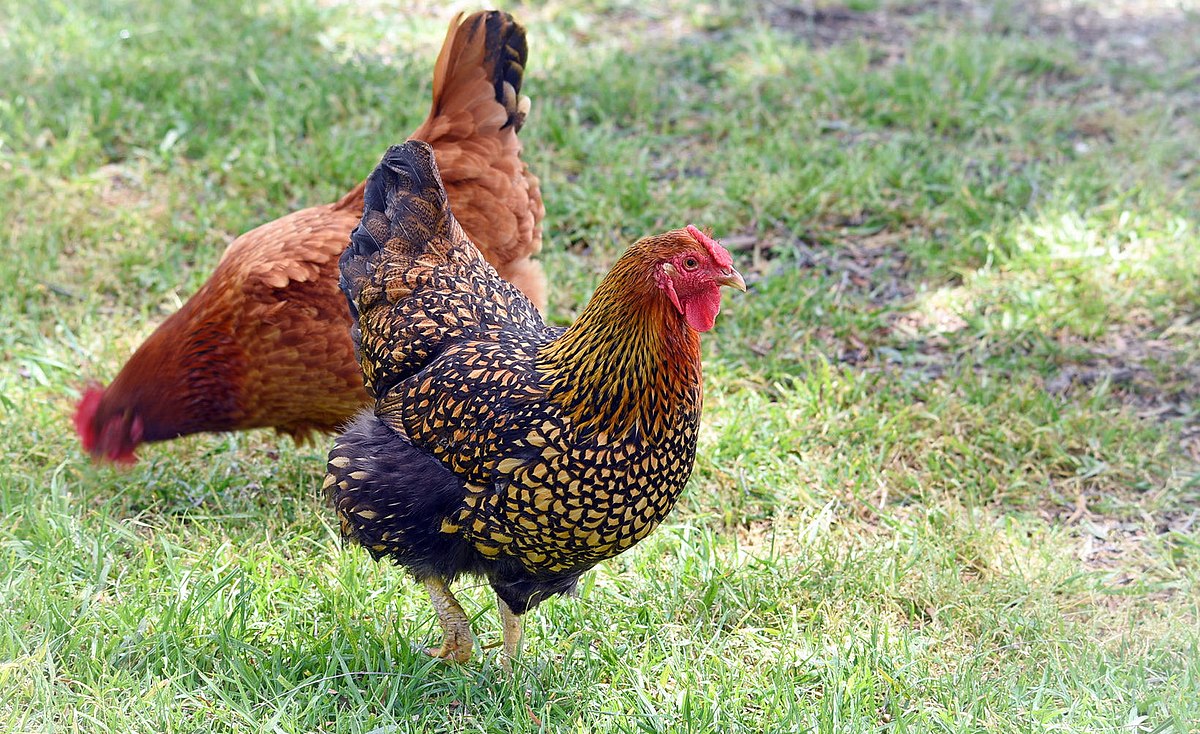
🔗 **Source:** [Super-Chicken Model](https://en.m.wikipedia.org/wiki/Super-chicken_model)
> [!note]+ Document Notes
> # Title: The Super-Chicken Model: Effects on Team Productivity
>
> ---
> tags: #SuperChicken #Teamwork #Productivity
> Author: AI Research Team
> Source: OpenAi Corp.
> Reference: N/A
>
> ---
>
<!-- deep-read:sections start -->
## Table of Contents:
* History of Super-Chicken Model
* Research by William Muir
* Business and Sports Applications
* Margaret Heffernan's Insights
* Negative Effects on Teams
* References
## Index Creation:
Super-Chicken Model, Team Dynamics, William Muir, Business Collaboration, Margaret Heffernan, Social Capital, Stack Ranking, Team Performance
## 📝 Summary:
The Super-chicken model emphasizes the negative consequences of recruiting hyper-competitive individuals, which can be detrimental to team collaboration and overall productivity. Research by William Muir using chickens highlighted the impact of this model. Business applications stressing teamwork over individual excellence and Margret Heffernan's insights on social capital reinforce the importance of collaboration.
## 📖 Main Content:
The Super-Chicken model involves recruiting highly competitive individuals who may hinder team dynamics due to excessive rivalry. Research by William Muir involving chickens showcased how hyper-competitive environments can lead to destructive outcomes. In business settings, Carol Dweck advocates for promoting collaboration over individual talent to enhance team performance. Margaret Heffernan's TED Talk emphasized the benefits of teamwork and social capital in boosting employee satisfaction and company profits.
### 🗒️ Notes
- Super-chicken model focuses on competitive recruitment practices
- William Muir's chicken experiment demonstrated negative effects of hyper-competitiveness
- Carol Dweck encourages valuing collaboration over individual talent in organizations
- Margaret Heffernan promotes the benefits of social capital and teamwork in enhancing business outcomes
## 📖 References:
- Purude University research on chicken behavior
- Carol Dweck's research on talent and effort in the workplace
- Margaret Heffernan's TED Talk on the value of teamwork
## 🗣️ Paraphrase:
1. William Muir discovered through his chicken experiment that hyper-competitive environments can lead to adverse outcomes for groups rather than individual excellence.
2. Margaret Heffernan's TED Talk highlighted the importance of fostering social capital through collaboration in businesses to drive profitability and enhance job satisfaction.
## 🧪 Hypotheses:
1. Increasing emphasis on collaboration over competition in team recruitment can enhance overall productivity in organizations.
2. Implementing social capital programs can mitigate the negative effects of hyper-competitiveness in teams.
### 📊 Methodology:
- Conduct surveys to evaluate employee perceptions of competitiveness versus collaboration
- Analyze team performance data in organizations with varying recruitment models
### ❓ Questions:
- How can companies shift from a hyper-competitive to a collaborative recruitment strategy?
- What are the long-term effects of implementing social capital initiatives in the workplace?
### 🔮 Future Research:
- Investigate the impact of social capital on team cohesion and employee retention
- Compare performance outcomes in organizations using the super-chicken model versus collaborative recruitment
### 💡 Implications:
Promoting collaboration over competition can lead to improved team dynamics, higher productivity, and enhanced employee satisfaction in organizations.
### ✅ Logical validity:
The arguments presented against the super-chicken model highlight the logical coherence and validity of prioritizing teamwork and collaboration over individual excellence.
## 🎯 Conclusion:
The concept of the Super-chicken model underscores the significance of fostering collaborative team environments for enhanced productivity and overall organizational success. Efforts to shift from hyper-competitive recruitment practices to those emphasizing collaboration can yield significant benefits for businesses and sports teams alike.
<!-- deep-read:sections end -->
📄 **Full text:** ![[Full Document Contents/Articles/Super-Chicken Model|Super-Chicken Model, wikipedia.org]]
## Highlights
- Purdue University biologist William Muir conducted an experiment using chickens. Muir segregated chickens based upon their egg production. He grouped average egg laying chickens together. And he grouped together a prolific egg laying flock: he called these "super chickens". Muir kept these chickens in their groups for two generations and he found that the average chickens were doing fine and they consistently produced eggs. In the super chickens group, Muir found that only three survived as the group had pecked each other to death.[[3]](https://en.wikipedia.org/wiki/Super-chicken_model#cite_note-PAA-3)[[4]](https://en.wikipedia.org/wiki/Super-chicken_model#cite_note-BG-4) ([View Highlight](https://read.readwise.io/read/01j6gd6v8g54xs1r44636xkyj6))
- Note: In this week’s edition, we dive into the intriguing Super-chicken model, a study by Purdue University’s William Muir that reveals the perils of hyper-competitiveness in teams. While the "super chickens" clashed and diminished each other, the average egg-layers thrived—an important lesson for us in the tech community about fostering collaboration over cutthroat rivalry. Join us as we explore how these insights can enhance teamwork, improve recruitment practices, and promote a healthier work environment that celebrates both individual talent and collective success.
(This blurb will not be that good until you heavily personalize the prompt.)
**Background:** I am a Developer Advocate at GoDaddy, focusing on open source technologies and WordPress. I want to craft a prompt that outlines how the insights from the "Super-chicken model" article align with my professional focus on fostering collaboration and teamwork within the tech community.
---
### Key Takeaways:
🐔 **Enhancing Team Collaboration:** Explore how the Super-chicken model can be applied to create more effective teamwork and collaboration strategies within development teams, ensuring a balance between individual talent and group dynamics.
📈 **Addressing Hyper-Competitiveness:** Analyze the long-term implications of hyper-competitiveness on employee morale and productivity, and consider strategies to promote a healthier competitive environment that encourages innovation rather than destructive rivalry.
🔍 **Improving Recruitment Practices:** Utilize insights from Muir's chicken study to inform current employee recruitment and performance evaluation practices, aiming to prioritize collaborative skills alongside individual achievement in potential hires.
1. How can the concept of the Super-chicken model be applied to improve teamwork and collaboration in various organizational settings?
2. What are the long-term implications of hyper-competitiveness on employee morale and overall organizational productivity?
3. In what ways can the insights from William Muir's chicken study inform current practices in employee recruitment and performance evaluation?