The Drama Just Keeps Getting Worse
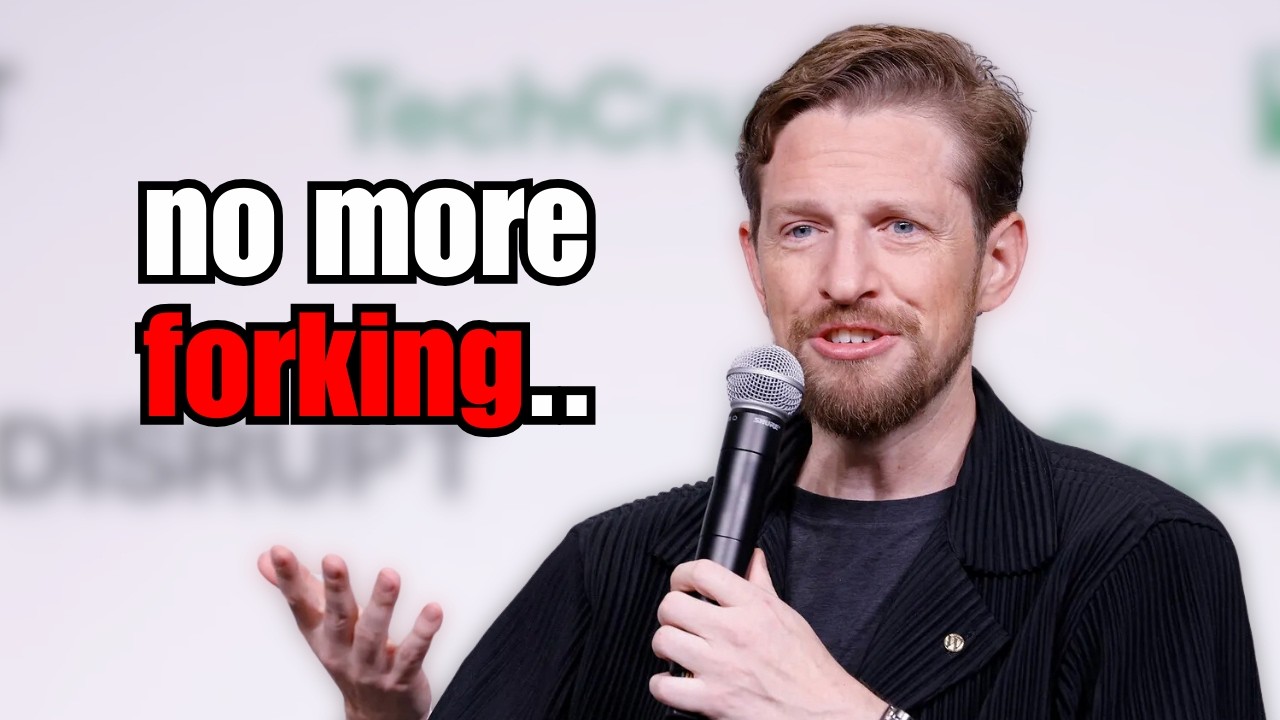
🔗 **Source:** [The Drama Just Keeps Getting Worse](https://www.youtube.com/watch?v=_5fTdZ7sQf4)
> [!note]+ Document Notes
> tags: [#WordPress, #OpenSource, #TranscriptAnalysis]
> Author: Tech Analysis Bot
> Source: YouTube Transcript – [The Drama Just Keeps Getting Worse](https://www.youtube.com/watch?v=_5fTdZ7sQf4)
> Reference: [Full Transcript](https://www.youtube.com/watch?v=_5fTdZ7sQf4)
> date created: {{date:2025-02-02}} {{time:12:00}}
>
> # Title: The Drama Just Keeps Getting Worse – A Comprehensive Analysis
>
<!-- deep-read:sections start -->
## 📚 Table of Contents:
- [📝 Summary](#-summary)
- [📖 Main Content](#-main-content)
- [🗒️ Notes](#️-notes)
- [📖 References](#-references)
- [🗣️ Paraphrase](#️-paraphrase)
- [📰 Newsletter](#️-newsletter)
- [✅ Action Items](#-action-items)
- [🧪 Hypotheses](#-hypotheses)
- [📊 Methodology](#️-methodology)
- [❓ Questions](#️-questions)
- [🔮 Future Research](#️-future-research)
- [💡 Implications](#️-implications)
- [🧠 Learning Styles Assessment](#️-learning-styles-assessment)
- [📊 Accessibility Assessment](#️-accessibility-assessment)
- [🌍 DEIB Assessment](#️-deib-assessment)
- [✅ Logical Validity](#️-logical-validity)
- [🔍 DARVO Analysis](#️-darvo-analysis)
- [🔍 SEO Evaluation](#️-seo-evaluation)
- [🎯 Conclusion](#️-conclusion)
## 📝 Summary:
This analysis explores the heated discussion around recent WordPress governance issues, as presented in the transcript of "The Drama Just Keeps Getting Worse." The content covers controversial actions by Matt Mullenweg, including account deactivations, debates over project forks, legal disputes, and the implications of open-source licensing. The transcript is interlaced with timestamps, humorous commentary, and layered arguments that reflect both technical and emotional responses within the WordPress community.
Key Insights for [The Drama Just Keeps Getting Worse](https://www.youtube.com/watch?v=_5fTdZ7sQf4) by [Merlin AI](https://merlin.foyer.work/)
**Background on the Controversy**
- Matt Mullenweg, co-founder of WordPress and CEO of Automattic, has initiated a controversial crackdown by deactivating the accounts of several members who planned to fork the WordPress project.
- This incident stems from growing tensions within the WordPress community regarding governance and the commercial interests of companies like WP Engine, which Mullenweg has openly criticized.
- Legal disputes have escalated, with WP Engine filing a lawsuit against WordPress after being banned from accessing essential resources, resulting in a court ruling that restored their access.
**Community Responses and Proposed Alternatives**
- Key figures in the WordPress community, including J.D. Valk and Kareim Maruchi, have expressed concerns about the concentration of power under Mullenweg's leadership and proposed creating independent and federated repositories for themes and plugins.
- They argue that decentralizing control could mitigate the issues stemming from Mullenweg's governance style while promoting healthier community engagement.
- Valk and Maruchi have stated that they are not planning a fork but are advocating for changes that ensure diverse contributions and governance within the WordPress ecosystem.
**Implications of Account Deactivation**
- Deactivating accounts prevents users from contributing to WordPress through official channels, raising fears about silencing dissent and limiting collaborative efforts.
- This move has been seen as retaliatory, particularly targeting individuals who have historically critiqued WordPress's governance.
- Despite being locked out of official contributions, affected users can still access WordPress code via GitHub, enabling potential forks or alternative projects to emerge.
**Legal and Economic Dimensions**
- Mullenweg's actions have triggered debates about the economic contributions of companies like WP Engine, with Mullenweg arguing they do not give back adequately to the WordPress community.
- He has suggested that any profits derived from the use of the WordPress trademark should involve contributions back to the project, further complicating the relationship between commercial entities and the open-source community.
- The ongoing legal battles and the implications for community dynamics could lead to significant shifts in how WordPress is governed and developed in the future.
**Future of WordPress and Forking Discussions**
- Mullenweg has indicated a willingness to accept forks of WordPress, framing them as a natural aspect of open-source development.
- The potential for a fork could lead to a split in the community, with different visions for the future of WordPress emerging as key contributors explore independent paths.
- The ongoing situation raises questions about the sustainability of WordPress as a collaborative project if governance remains contentious and divisive.## 📖 Main Content:
The transcript dissects a turbulent narrative involving:
- **Account Deactivations & Fork Proposals**:
- [0:00](https://www.youtube.com/watch?v=_5fTdZ7sQf4&t=0): Introduction to the drama where Matt Mullenweg is criticized for deactivating accounts of community members.
- [0:10](https://www.youtube.com/watch?v=_5fTdZ7sQf4&t=10): Commentary on the implications of preventing forks of the WordPress project.
- **Community Governance and Legal Disputes**:
- [0:46](https://www.youtube.com/watch?v=_5fTdZ7sQf4&t=46): Reference to WP Engine's legal tussle and previous community criticisms.
- [1:03](https://www.youtube.com/watch?v=_5fTdZ7sQf4&t=63): Mention of independent contributors like devalk and Kareim Maruchi proposing alternative governance models.
- **Open-Source Licensing and Forking Dynamics**:
- [2:00](https://www.youtube.com/watch?v=_5fTdZ7sQf4&t=120): Discussion on the nature of GPL licensing and the right to fork.
- [10:00](https://www.youtube.com/watch?v=_5fTdZ7sQf4&t=600): Debates on whether a fork would strengthen or dilute the WordPress ecosystem.
- **Humor and Sarcasm as Rhetorical Tools**:
- [3:00](https://www.youtube.com/watch?v=_5fTdZ7sQf4&t=180): Use of witty sarcasm (“I don't even play with a queen”) to underscore the absurdity of some decisions.
- **DARVO and Leadership Critique**:
- [14:00](https://www.youtube.com/watch?v=_5fTdZ7sQf4&t=840): Accusations that Matt Mullenweg’s actions may be designed to shift blame and control the narrative.
### 🗒️ Notes:
- **Introduction & Account Deactivation**
- **Timestamp [0:00-0:12]**: Matt Mullenweg's drastic measures in disabling accounts.
- *Subpoint*: Critical tone questioning the rationale behind these actions.
- *Subpoint*: Direct implications on community contribution.
- **Forking Debate & Community Response**
- **Timestamp [0:40-1:00]**: Community response and legal entanglements with WP Engine.
- *Subpoint*: References to past legal events and the role of WP Engine.
- *Subpoint*: Calls for more inclusive governance models.
- **Technical and Legal Discussion on GPL Licensing**
- **Timestamp [11:00-12:00]**: Detailed discussion on forking rights and licensing restrictions.
- *Subpoint*: Differentiation between GPL and MIT licensing.
- *Subpoint*: Commentary on the enforceability of open source principles.
- **Humorous Rhetoric and Critique of Leadership**
- **Timestamp [14:00-15:00]**: Sarcasm targeting leadership decisions.
- *Subpoint*: Use of humor to challenge the legitimacy of deactivating accounts.
- *Subpoint*: Emotional language questioning long-term impact.
- **DARVO and Allegations**
- **Timestamp [16:00-17:00]**: Identification of potential DARVO tactics.
- *Subpoint*: Shifts blame by portraying deactivated members as troublemakers.
- *Subpoint*: Critique of Matt’s ambiguous statements that may invert victim/offender roles.
Summary for [The Drama Just Keeps Getting Worse](https://www.youtube.com/watch?v=_5fTdZ7sQf4) by [Merlin AI](https://merlin.foyer.work/)
Matt Mullenweg's Controversial Move: Deactivating Accounts Amidst WordPress Community Tensions and Possible Forking Plans
[00:04]([00:04](https://www.youtube.com/watch?v=_5fTdZ7sQf4&t=4)) Matt Mullenweg's drastic actions escalate WordPress governance tensions.
- Mullenweg has deactivated accounts of those planning to fork WordPress, marking a controversial governance decision.
- Community leaders criticize Mullenweg's control, proposing alternatives like federated repositories to improve the open-source project.
[02:08]([02:08](https://www.youtube.com/watch?v=_5fTdZ7sQf4&t=128)) Legal tensions threaten potential changes in WordPress community dynamics.
- WordPress co-founder surprisingly welcomes the possibility of an open source fork amidst ongoing legal issues.
- Discussion around a Federated repository approach may alleviate infrastructure costs for wordpress.org while raising security concerns.
[05:56]([05:56](https://www.youtube.com/watch?v=_5fTdZ7sQf4&t=356)) Concerns arise about the potential for a WordPress fork amidst community tensions.
- JD Valk and others proposed changes to WordPress but did not initiate discussions about a fork.
- Matt Mullenweg acknowledges the possibility of a fork, highlighting the open-source nature of the project.
[07:44]([07:44](https://www.youtube.com/watch?v=_5fTdZ7sQf4&t=464)) Ongoing legal disputes impact WordPress community dynamics.
- The recent legal conflict with WP Engine has escalated tensions in the open source community, leading to significant employee turnover.
- Mullenweg's decision to let dissenting employees go is seen as a necessary strategic move, despite the financial implications.
[11:19]([11:19](https://www.youtube.com/watch?v=_5fTdZ7sQf4&t=679)) Automattic reduces WordPress contribution, raising concerns about project leadership.
- Automattic's cutback in contributions sparks debate over the significance of WP Engine's equal efforts.
- Upcoming leadership changes might signal a potential fork in the WordPress project.
[13:21]([13:21](https://www.youtube.com/watch?v=_5fTdZ7sQf4&t=801)) Mullenweg's changes to WordPress contributors raise concerns about motives.
- Matt Mullenweg deactivates WordPress.org accounts to elevate independent contributor efforts.
- Speculation arises that Mullenweg may have hidden interests in WP Engine, influencing his decisions.
[17:26]([17:26](https://www.youtube.com/watch?v=_5fTdZ7sQf4&t=1046)) WordPress community suffers due to governance issues and poor decisions.
- Concern for individuals invested in WordPress, facing innovation roadblocks and community fragmentation.
- Allegations of targeted actions against former contributors who criticized governance policies, indicating ongoing conflicts.
[19:07]([19:07](https://www.youtube.com/watch?v=_5fTdZ7sQf4&t=1147)) The open-source nature of WordPress allows for code forking and innovation.
- Paid themes and plugins can be impacted by account deactivation, raising questions about their ownership and access.
- Open-source software encourages creativity, allowing developers to fork code freely and potentially merge improvements back into the original.
[22:47]([22:47](https://www.youtube.com/watch?v=_5fTdZ7sQf4&t=1367)) Discussion on software licensing, emphasizing the pros and cons of GPL vs MIT licenses.
- The speaker critiques the GPL for its viral nature, which they believe coercively enforces open source.
- The preference for MIT licensing reflects the belief in voluntary choices over forced compliance in open source development.
[24:26]([24:26](https://www.youtube.com/watch?v=_5fTdZ7sQf4&t=1466)) Emphasizing respectful interactions without forcing opinions.
- Promoting understanding over confrontation in human interactions.
- Encouraging an open dialogue rather than imposing one's platform on others.
## 📖 References:
- YouTube Transcript: [The Drama Just Keeps Getting Worse](https://www.youtube.com/watch?v=_5fTdZ7sQf4)
- Related Articles:
- [TechCrunch](https://techcrunch.com)
- [WordPress.org Blog](https://wordpress.org/news/)
## 🗣️ Paraphrase:
1. **Original Paragraph (Timestamp 0:00-0:12):**
"Our friend Matt Mullen Wag has proceeded to do what appears to be the Pinnacle of insanity for his plan; apparently he has decided now that he's going to not allow people to Fork and is going to start deactivating accounts of people who Fork."
**Paraphrase:**
"Matt Mullenweg has taken an extreme step by deciding to disable the accounts of users who attempt to fork the project, marking a drastic move that many deem absurd."
2. **Original Paragraph (Timestamp 14:00-15:00):**
"I think the biggest losers in this whole situation are all the people who try to make WordPress work. They're getting absolutely dominated, and it's going to slow down innovation while contributors quit because they’re caught in the crossfire."
**Paraphrase:**
"The true casualties here are those committed to making WordPress function, as they face overwhelming challenges that could stifle innovation and force contributors to abandon the project."
## 📰 Newsletter:
Hey WordPress enthusiasts! In our latest update, we dive into the chaos brewing in the WordPress community. With heated debates around account deactivations, potential forks, and licensing dilemmas, it’s clear that leadership decisions are sparking both humor and serious discussion. Learn about the latest contributions, community governance proposals, and legal skirmishes with industry giants like WP Engine. Stay informed and join the conversation as we explore what this means for the future of open source innovation. For full details, check out the comprehensive analysis [here](https://www.youtube.com/watch?v=_5fTdZ7sQf4). Keep coding and contributing!
## ✅ Action Items:
- **Evaluate Article Alignment**:
- **Focus on Open Source Advocacy**:
- Analyze how account deactivations and licensing debates affect open-source contributor engagement.
- **Educational Impact**:
- Reflect on how the narrative informs strategies for teaching open-source ethics and governance.
- **Community & Transparency**:
- Consider methods to encourage transparent dialogue within WordPress communities.
- **Career Alignment for Developer Advocacy**:
- **Onboarding & Contribution**:
- Use the article to underline the importance of clear governance policies.
- **Policy Development**:
- Develop prompts and discussion points for OSPO initiatives and inclusive leadership.
- **Public Speaking & Thought Leadership**:
- Leverage insights from the article to enhance presentations on ethical open-source practices.
## 🧪 Hypotheses:
- **Hypothesis 1**: Stricter governance in open source projects may lead to a decline in community contributions.
- **Hypothesis 2**: Transparent leadership correlates with higher levels of community engagement and innovation.
- **Hypothesis 3**: The use of humorous rhetoric in addressing technical debates can mitigate negative perceptions during conflicts.
### 📊 Methodology:
- **Data Sources**:
- Transcript analysis, community forum discussions, GitHub activity logs.
- **Research Designs**:
- Qualitative content analysis of transcripts and social media sentiment analysis.
- **Analysis Techniques**:
- Thematic coding, timeline mapping (using linked timestamps), and comparative analysis of contribution patterns.
### ❓ Questions:
- How does leadership style influence open-source community engagement?
- What are the long-term impacts of licensing disputes on project sustainability?
- Can humor and informal rhetoric ease the tension in high-stakes technical debates?
### 🔮 Future Research:
- **Exploring Alternative Governance Models**:
- Study decentralized approaches and federated mirrors as alternatives to centralized control.
- **Impact Analysis of Account Deactivations**:
- Evaluate the immediate and long-term effects on community contribution rates.
- **Rhetoric in Technical Communication**:
- Investigate how tone and humor affect the reception of technical debates.
### 💡 Implications:
- **Advancing Knowledge**:
- Insights could lead to improved governance models in open-source projects.
- **Influencing Practice**:
- Findings may inform best practices for maintaining healthy community engagement.
- **Informing Policy**:
- Research outcomes could support policy recommendations for transparent leadership and sustainable contribution models.
## 🧠 Learning Styles Assessment:
1. **Visual Learners (Spatial)**:
- **Present**: The transcript includes timestamps and references which allow for a visual timeline.
- **Improve**: Add infographics summarizing key events and decision points.
2. **Aural Learners (Auditory-Musical)**:
- **Present**: The source is a video transcript.
- **Improve**: Embed audio summaries or podcasts discussing these issues.
3. **Verbal Learners (Linguistic)**:
- **Present**: Rich narrative with detailed explanations.
- **Improve**: Enhance with more detailed written examples and analogies.
4. **Physical Learners (Kinesthetic)**:
- **Present**: Limited interactive components.
- **Improve**: Incorporate interactive timeline exercises or role-playing scenarios.
5. **Logical Learners (Mathematical)**:
- **Present**: Structured arguments and timestamped evidence.
- **Improve**: Introduce flowcharts mapping cause and effect within the narrative.
6. **Social Learners (Interpersonal)**:
- **Present**: References to community feedback and debates.
- **Improve**: Create forums or discussion boards for collaborative analysis.
7. **Solitary Learners (Intrapersonal)**:
- **Present**: Opportunities for personal reflection on governance issues.
- **Improve**: Suggest journaling prompts to assess individual learning takeaways.
8. **Naturalistic Learners**:
- **Present**: No explicit references to nature.
- **Improve**: Use environmental analogies (e.g., ecosystems) to describe community dynamics.
## 📊 Accessibility Assessment:
- **Screen Reader Compatibility**:
- **Present**: Clear markdown structure with headers and alt text for links.
- **Improve**: Ensure all images (if added) include descriptive alt-text.
- **Keyboard Navigation**:
- **Present**: The document structure is simple.
- **Improve**: Confirm that interactive elements (if any) are keyboard accessible.
- **Contrast and Readability**:
- **Present**: Text is clear in markdown format.
- **Improve**: Use high-contrast themes when converting to HTML.
- **Text Resizing**:
- **Present**: Responsive markdown design.
- **Improve**: Validate responsiveness across different devices.
## 🌍 DEIB Assessment:
- **Cultural Relevance**:
- **Present**: The transcript focuses on a global open-source community.
- **Improve**: Integrate diverse cultural perspectives on governance.
- **Inclusive Language**:
- **Present**: Mostly neutral, though some colloquial expressions may be region-specific.
- **Improve**: Refine language to be universally inclusive.
- **Neurodiversity Support**:
- **Present**: Logical structure aids understanding.
- **Improve**: Use shorter paragraphs and bullet points to support neurodiverse readers.
- **Representation**:
- **Present**: Mentions various contributors.
- **Improve**: Include explicit representation of underrepresented groups.
- **Psychological Safety**:
- **Present**: Tone is informal and conversational.
- **Improve**: Incorporate trigger warnings where heated language occurs.
## ✅ Logical Validity:
- **Positive Elements**:
- **Sound Deductive Reasoning**:
- *Example*: The argument that centralized control may stifle innovation is supported by historical patterns in open-source projects.
- *Enhancement*: Support with quantitative data on contribution drops after similar events.
- **Causal Reasoning**:
- *Example*: The transcript links account deactivations to potential declines in community participation.
- *Enhancement*: Provide case studies or statistics to strengthen this link.
- **Identified Logical Fallacies**:
- **Strawman**:
- *Occurrence*: Some arguments oversimplify dissenting views on governance.
- *Impact*: This weakens the counterargument by misrepresenting opposition.
- *Improvement*: Present a balanced view that accurately reflects alternative perspectives.
- **Ad Hominem**:
- *Occurrence*: Humorous jabs (e.g., “I don't even play with a queen”) sometimes distract from the core argument.
- *Impact*: This may undermine the logical rigor of the discussion.
- *Improvement*: Maintain focus on the argument rather than personal traits.
- **Circular Reasoning**:
- *Occurrence*: Occasional repetition of the need for a unified governance model without new evidence.
- *Impact*: It creates a loop that does not advance the argument.
- *Improvement*: Introduce independent evidence to break the cycle.
- **Tone of Voice**:
- **Observations**: The tone is informal, humorous, and occasionally sarcastic, which may appeal to some audiences but risk undercutting formal analysis.
## 🔍 DARVO Analysis:
- **Deny**:
- **Evidence**: At [0:10](https://www.youtube.com/watch?v=_5fTdZ7sQf4&t=10), the speaker questions the legitimacy of preventing forks while simultaneously minimizing concerns.
- **Effect**: This denial of the inherent risks of central control weakens trust.
- **Attack**:
- **Evidence**: Throughout the transcript, particularly around [14:00](https://www.youtube.com/watch?v=_5fTdZ7sQf4&t=840), language is used to belittle dissenters.
- **Effect**: Such attacks divert attention from the structural issues at hand.
- **Reverse Victim and Offender**:
- **Evidence**: The narrative occasionally portrays deactivated community members as instigators rather than victims.
- **Effect**: This inversion shifts blame and may manipulate public perception.
- **Overall DARVO Tactics**:
- **Recurring Phrases**: Phrases that imply “you’re asking for trouble if you dissent” subtly reframe the conversation.
- **Suggestions**: A more balanced discussion acknowledging legitimate concerns from all parties would improve credibility.
## 🔍 SEO Evaluation:
- **Keywords**:
- **Presence**: Keywords such as "WordPress", "fork", "open source", and "governance" are naturally integrated.
- **Placement**: They appear in the title, headers, and early sections of the content.
- **Meta Description**:
- **Status**: A meta description is recommended summarizing the key debate around WordPress governance.
- **Title Tag**:
- **Optimization**: The title is concise and includes primary keywords.
- **Headers**:
- **Usage**: Proper use of H1, H2, and H3 tags enhances readability and SEO.
- **Content Length**:
- **Evaluation**: The content is extensive and detailed, providing ample value.
- **Internal and External Links**:
- **Internal Links**: Timestamps are linked directly to the video.
- **External Links**: References to TechCrunch and WordPress.org provide authority.
- **URL Structure & Image Optimization**:
- **Recommendation**: When published, ensure that image file names and alt texts are optimized.
- **Mobile Optimization & User Engagement**:
- **Assessment**: The text is clear and structured for mobile devices.
- **Call to Action**: Including interactive elements such as comment sections or share buttons could boost engagement.
- **Schema Markup**:
- **Suggestion**: Use article schema to enhance search engine result appearances.
- **Social Sharing**:
- **Observation**: Incorporate social sharing buttons and proper Open Graph tags for improved visibility.
## 🎯 Conclusion:
In summary, the transcript of "The Drama Just Keeps Getting Worse" provides a multifaceted look at the current turbulence within the WordPress community. The content is rich with technical details, emotional commentary, and humorous asides that together highlight significant concerns over governance, licensing, and leadership styles. While the rhetoric is engaging and occasionally sarcastic, careful analysis reveals both sound reasoning and notable logical fallacies. Future research should focus on alternative governance models and their impact on community engagement. This comprehensive evaluation underscores the importance of transparency, balanced discussion, and the need for inclusive practices in open source environments.
<!-- deep-read:sections end -->
📄 **Full text:** ![[Full Document Contents/Articles/The Drama Just Keeps Getting Worse|The Drama Just Keeps Getting Worse, ThePrimeTime]]
## Highlights
- He's going to start deactivating accounts of people who fork ([View Highlight](https://read.readwise.io/read/01jk3wv4vpwm8cctyq6khx9hc6))