The Future of WordPress With Mary Hubbard
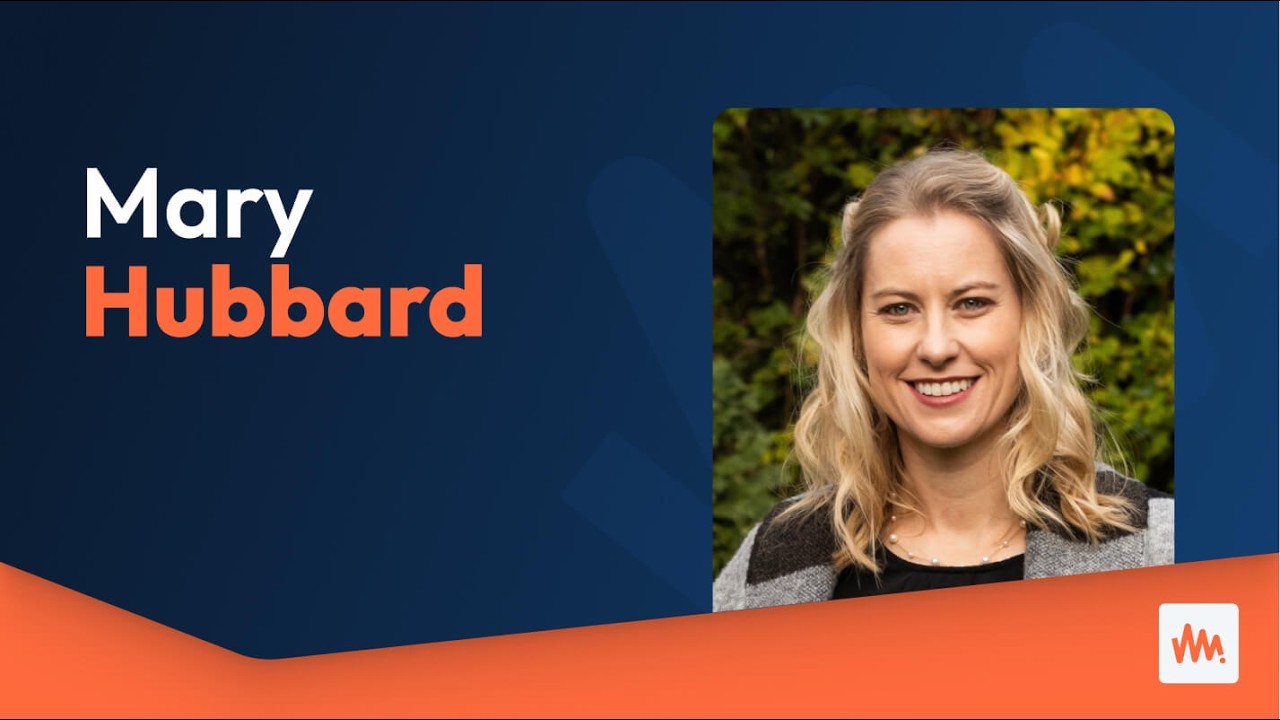
🔗 **Source:** [The Future of WordPress With Mary Hubbard](https://www.youtube.com/watch?v=d1VTPHtXvEM)
> [!note]+ Document Notes
> tags: #wordpress #executive-director #leadership #ai-integration #community #open-source #7-0-release #meetups #contributors
> author: WP Minute
> source: YouTube
> reference: https://www.youtube.com/watch?v=d1VTPHtXvEM
> date created: 2025-01-01 12:00
>
> # 🏷️ Title: The Future of WordPress With Mary Hubbard
>
<!-- deep-read:sections start -->
## 🧰 Action Inbox
- [H1] Try WordPress 7.0 beta to test AI connectors and responsive controls — available now #wordpress
- [H2] Join local meetup with hands-on project focus — check meetup schedules #community
- [H3] Follow WordPress 7.0 release at WordCamp Asia April 9th — plan attendance #wordpress
## 🧭 Table of Contents
- [[#📝 Summary]]
- [[#📖 Main Content]]
- [[#🗒️ Notes]]
- [[#📚 References]]
- [[#🗣️ Paraphrase]]
- [[#📰 Newsletter]]
- [[#✅ Action Items]]
- [[#🧪 Hypotheses]]
- [[#📊 Methodology]]
- [[#❓ Questions]]
- [[#🔮 Future Research]]
- [[#💡 Implications]]
- [[#🧠 Learning Styles Assessment]]
- [[#📊 Accessibility Assessment]]
- [[#🌍 DEIB Assessment]]
- [[#✅ Logical Validity]]
- [[#🛡️ DARVO Analysis]]
- [[#🎯 Conclusion]]
### 🔗 References
- [Make WordPress Blog](https://make.wordpress.org)
- [WordPress 7.0 Beta](https://wordpress.org/download/beta/)
## 📝 Summary
- Mary Hubbard, WordPress Executive Director, reflects on her first year and shares 2026 vision
- WordPress 7.0 will feature AI connectors, responsive controls, and major UI improvements
- Community focus shifts to hands-on meetups and contributor pathway improvements
- Project maintains momentum while balancing AI adoption with user choice
- Release schedule aligns with community events starting with WordCamp Asia
## 📖 Main Content
Mary Hubbard discusses her leadership evolution from listening and learning in year one to implementing community-driven solutions. The WordPress project shows strong momentum with contributors embracing AI experimentation without hesitation. WordPress 7.0 represents a significant milestone with user-facing improvements including AI connectors, responsive design controls, global search, and enhanced admin interface.
The community strategy emphasizes project-based meetups that create stronger bonds through collaborative work, similar to successful WordCamp contribution days. Educational initiatives target younger generations who value ownership and autonomy, creating pathways from learning to employment opportunities.
## 🗒️ Notes
#### ⏱️ [00:00](https://youtu.be/d1VTPHtXvEM?t=0) — [H1] Introduction and settling into executive role
- Key idea: First year focused on listening and community integration
- Evidence: "I did a lot of listening. I went out, I spoke, I shared my perspective"
#### ⏱️ [02:45](https://youtu.be/d1VTPHtXvEM?t=165) — [H2] Community feedback on integration approach
- Key idea: Community wanted participation before change requests
- Evidence: "I got a lot of feedback last year that I needed to come in be a part of the community before I start making community changes"
#### ⏱️ [03:30](https://youtu.be/d1VTPHtXvEM?t=210) — [H1] WordPress momentum and AI adoption
- Key idea: Contributors adapting quickly to AI without hesitation
- Evidence: "how quickly contributors are actually adapting to the next phase of WordPress... there's really no hesitation"
#### ⏱️ [04:15](https://youtu.be/d1VTPHtXvEM?t=255) — [H2] Leadership style adaptation challenges
- Key idea: Different communication style requires adaptation to open source context
- Evidence: "I have a very different style of leadership and I have a very different way of communicating"
#### ⏱️ [06:30](https://youtu.be/d1VTPHtXvEM?t=390) — [H3] Non-code contribution visibility solutions
- Key idea: Launching contribution platform to track and support non-code work
- Evidence: "launching the contribution platform can really help us identify some other issues or bring visibility to non-code contributions"
#### ⏱️ [08:00](https://youtu.be/d1VTPHtXvEM?t=480) — [H2] Meritocracy and action-oriented approach
- Key idea: Stop waiting for permission and start doing
- Evidence: "do the meritocracy. We should just be doing... stop waiting for mission and just do"
#### ⏱️ [10:15](https://youtu.be/d1VTPHtXvEM?t=615) — [H1] Defining momentum for WordPress
- Key idea: Momentum means forward movement with energy while respecting gradual evolution
- Evidence: "momentum is one of these things where it signals that we're still respecting everything... how WordPress evolves gradually"
#### ⏱️ [13:45](https://youtu.be/d1VTPHtXvEM?t=825) — [H1] Balancing AI adoption with user choice
- Key idea: Make AI accessible without forcing adoption on everyone
- Evidence: "we shouldn't make it to where everybody has to go into these worlds... but we should make it accessible"
#### ⏱️ [16:30](https://youtu.be/d1VTPHtXvEM?t=990) — [H2] AI as societal shift requiring adaptability
- Key idea: Success depends on adaptability rather than perfect predictions
- Evidence: "what will be that answer? It's going to be you going in and tinkering and understanding it"
#### ⏱️ [20:45](https://youtu.be/d1VTPHtXvEM?t=1245) — [H1] WordPress 7.0 major features preview
- Key idea: AI connectors, responsive controls, global search, and UI improvements
- Evidence: "AI connectors is really pretty... media handling, styling, font customization, mobile responses"
#### ⏱️ [23:15](https://youtu.be/d1VTPHtXvEM?t=1395) — [H2] Release strategy aligned with community events
- Key idea: Releases coincide with WordCamps to increase community involvement
- Evidence: "7 will release at Word Camp Asia... April 9th... align all of our releases with an event"
#### ⏱️ [26:30](https://youtu.be/d1VTPHtXvEM?t=1590) — [H2] AI connector testing experience
- Key idea: Beta testing shows natural, intuitive AI integration
- Evidence: "it seems so natural that it should be there... totally shifts us in a new direction"
#### ⏱️ [29:00](https://youtu.be/d1VTPHtXvEM?t=1740) — [H1] Meetup revamp strategy
- Key idea: Project-based meetups create stronger engagement than social gatherings
- Evidence: "the ones that were the best attended... were the ones that actually had a project to do"
#### ⏱️ [32:45](https://youtu.be/d1VTPHtXvEM?t=1965) — [H2] Campus Connect success model
- Key idea: Small events with clear goals generate high satisfaction
- Evidence: "Campus Connect people are excited... because you're there to teach and to help and there's a goal"
#### ⏱️ [36:15](https://youtu.be/d1VTPHtXvEM?t=2175) — [H1] Targeting younger generations with ownership focus
- Key idea: Gen Z values autonomy and ownership in contribution pathways
- Evidence: "the younger generations do want to build for the future... it's ownership complete ownership. It's autonomy"
## 📚 References
- [Make WordPress Blog](https://make.wordpress.org)
- [WordPress Community Campus Connect](https://make.wordpress.org/community/)
- [WordPress 7.0 Beta](https://wordpress.org/download/beta/)
## 🗣️ Paraphrase
- Mary Hubbard spent her first year as Executive Director listening to the community and learning how passionate users shape WordPress development priorities
- WordPress 7.0 will deliver significant user-facing improvements including AI connectors, responsive design tools, and enhanced admin interface while maintaining backwards compatibility
- The community strategy emphasizes hands-on meetups where participants work on projects together, creating stronger bonds and better contributor pathways
## 📰 Newsletter
**WordPress 7.0 Brings Major UI Improvements and AI Integration**
Mary Hubbard shared exciting updates about WordPress 7.0, featuring AI connectors, responsive controls, and a refreshed admin interface. The release launches at WordCamp Asia on April 9th, marking a new strategy of aligning releases with community events.
Key highlights include global search functionality, enhanced media handling, and mobile responsiveness tools that put powerful design controls directly in users' hands. The AI connectors provide flexible integration options without forcing adoption.
Community-wise, meetups are shifting toward project-based formats that mirror successful WordCamp contribution days. Early testing shows participants prefer hands-on collaboration over purely social gatherings.
Resources: [WordPress Beta](https://wordpress.org/download/beta/), [Make WordPress](https://make.wordpress.org/), [WordCamp Asia](https://asia.wordcamp.org/)
## ✅ Action Items
#### WordPress
- Core: Test WordPress 7.0 beta features including AI connectors and responsive controls
- Community: Revamp local meetup formats to include hands-on projects and clear goals
- Marketing: Align release announcements with major WordCamp events for community engagement
- Training: Develop contributor pathways targeting younger generations with ownership focus
- Documentation: Create guides for AI connector implementation and responsive design tools
#### Community
- Meetup Organizers: Shift from speaker-focused to project-based meeting formats
- Contributors: Participate in 7.0 release testing and provide feedback on new features
- WordCamp: Plan release celebrations and hands-on workshops at upcoming events
## 🧪 Hypotheses
- Project-based meetups will increase long-term contributor retention compared to social gatherings
- AI connectors will see higher adoption rates when positioned as optional enhancements
- Aligning releases with community events will boost participant engagement in development
- Younger contributors prefer clear ownership and autonomy over traditional mentorship models
### 📊 Methodology
- Survey meetup organizers before and after implementing project-based formats
- Track AI connector adoption rates across different user segments
- Measure WordCamp attendance and contribution day participation around releases
- Compare contributor retention between traditional and hands-on learning pathways
### ❓ Questions
- How will AI integration affect hosting requirements and server performance?
- What metrics define successful community engagement for project-based meetups?
- How can WordPress maintain its accessibility advantage while adding AI features?
### 🔮 Future Research
- Long-term impact of AI connectors on plugin ecosystem dynamics
- Effectiveness of event-aligned releases on community participation
- Optimal balance between innovation pace and backwards compatibility
### 💡 Implications
- Practice: Meetup organizers need project planning skills alongside speaking abilities
- Policy: AI features require clear opt-in/opt-out governance frameworks
- Education: Contributor onboarding must adapt to autonomy-seeking learner preferences
- Funding: Community events become more strategic for project development resources
### 🧠 Learning Styles Assessment
Reading level estimate: 12th grade
#### 👀 Visual learners
- Present: WordPress admin interface screenshots and feature demonstrations
- Improve: Architecture diagrams showing AI connector workflows
#### 🔊 Aural learners
- Present: Video interview format with conversational explanations
- Improve: Audio summary of key 7.0 features and timeline
#### 🗣️ Verbal learners
- Present: Clear definitions of technical terms and analogies to familiar concepts
- Improve: Glossary of new terminology and feature comparisons
#### 🧩 Kinesthetic learners
- Present: Beta testing recommendations and hands-on exploration
- Improve: Step-by-step setup guides for AI connectors
#### 🧠 Logical learners
- Present: Release timeline and feature prioritization rationale
- Improve: Decision trees for AI integration choices
#### 🧑🤝🧑 Social learners
- Present: Community event integration and meetup collaboration
- Improve: Discussion prompts for local WordPress groups
#### 🧘♀️ Solitary learners
- Present: Beta testing and individual feature exploration
- Improve: Self-assessment tools for new features
#### 🌿 Naturalistic learners
- Present: Ecosystem thinking and community organic growth
- Improve: WordPress environment sustainability connections
### 📊 Accessibility Assessment
#### Screen reader semantics
- Present: Video has clear speaker identification and context
- Improve: Transcript with heading structure and feature descriptions
#### Keyboard navigation
- Present: Standard video player controls
- Improve: Timestamped navigation links for key topics
#### Contrast and readability
- Present: Standard video format
- Improve: High contrast transcript option
#### Text resizing and reflow
- Present: Responsive video player
- Improve: Scalable transcript text
#### Media and captions
- Present: Full transcript provided
- Improve: Synchronized captions and speaker identification
#### Forms and interactions
- Present: Basic video interface
- Improve: Accessible feedback forms for beta testing
### 🌍 DEIB Assessment
#### Cultural breadth
- Present: Global WordPress community references and WordCamp Asia
- Improve: More examples from diverse geographic regions
#### Inclusive language
- Present: Welcoming tone and accessibility focus
- Improve: Define technical jargon for broader audience
#### Neurodiversity support
- Present: Structured interview format with clear topics
- Improve: Visual timeline of release milestones
#### Representation
- Present: Female executive leadership visibility
- Improve: Highlight diverse contributor examples
#### Psychological safety
- Present: Emphasis on gradual change and user choice
- Improve: Clear communication about optional AI features
### ✅ Logical Validity
#### Strong reasoning
- Deductive strength: Community feedback → meetup format changes (logical progression)
- Inductive strength: Campus Connect success → broader meetup strategy (good sample)
- Causal reasoning: Project-based meetings → stronger community bonds (supported)
- Analogical strength: TikTok Shop resistance → AI adoption patterns (relevant comparison)
#### Fallacies
- False dilemma: "AI lovers vs AI haters" - oversimplifies user spectrum, fix by acknowledging middle ground
- Appeal to novelty: Newer meetup formats are better - needs evidence beyond newness
#### Tone of voice
- Overall tone: Collaborative and forward-thinking with emphasis on community input and gradual change
### 🛡️ DARVO Analysis
- Deny: No denial patterns detected
- Attack: No attacks on critics or community members
- Reverse victim/offender: No victim/offender reversal present
- Emotional cues and rhetoric: Positive, inclusive language emphasizing choice and community collaboration
## 🎯 Conclusion
WordPress 7.0 represents a significant milestone balancing innovation with user choice, featuring AI connectors and major UI improvements while maintaining the project's commitment to gradual evolution. The community strategy shift toward project-based meetups and contributor pathway improvements reflects deeper understanding of what creates lasting engagement. Mary Hubbard's leadership approach emphasizes adaptability and community collaboration as WordPress navigates technological shifts while preserving its accessibility and flexibility advantages.
## 🧱 Refactor Appendix
### 📚 Literature Split Pad
Purpose: Stage CEE units that become Literature notes.
Split level: H3
### [H1] Executive leadership requires community integration before change implementation
> [!quote] [The Future of WordPress With Mary Hubbard](https://youtu.be/d1VTPHtXvEM) by [[WP Minute]] via [[YouTube]]. Published 2025. Accessed 2025-01-01.
> "I got a lot of feedback last year that I needed to come in be a part of the community before I start making community changes."
Open source leadership demands participatory legitimacy before directive authority.
[view highlight](https://youtu.be/d1VTPHtXvEM?t=165#H1) #xref #articleseed ID:rw_001
### [H2] Project-based gatherings create stronger community bonds than social events
> [!quote] [The Future of WordPress With Mary Hubbard](https://youtu.be/d1VTPHtXvEM) by [[WP Minute]] via [[YouTube]]. Published 2025. Accessed 2025-01-01.
> "the ones that were the best attended that received the best feedback were the ones that actually had a project to do."
---
## Full Transcript
[00:01] Hi everyone and welcome to the WP<br>[00:03] Minute. I'm your host Eric Caravac.<br>[00:06] Today we have a very special episode<br>[00:08] lined up for you. I'm here with Mary<br>[00:10] Hubard, the executive director of<br>[00:11] WordPress. We're going to learn more<br>[00:14] about what it's like to be the executive<br>[00:16] director of a large open- source<br>[00:18] project, I can't imagine, and find out<br>[00:20] what 2026 has in store for WordPress.<br>[00:23] Mary, welcome to the WP Minute. Good to<br>[00:25] have you here.<br>[00:26] >> Thank you. Thank you for having me. I've<br>[00:28] uh just recognized I I'm playing with<br>[00:31] one of my daughter's toys, so I should<br>[00:33] probably put that down.<br>[00:34] >> Hey, if it if it's a fidget spinner or<br>[00:36] something, that's okay. We're all We're<br>[00:38] all about that.<br>[00:40] >> Yeah. So, I have a lot of like desk<br>[00:42] toys. Um but they're none of them are<br>[00:44] mine. They My daughter just continues to<br>[00:47] bring them in and leave them on my desk<br>[00:48] and they're all like minis so I<br>[00:51] >> Okay.<br>[00:51] >> playing with them of Yeah. Well, that<br>[00:55] that's that's kind of the nice thing<br>[00:56] about having kids, you know, you get<br>[00:58] little gifts around the house and you<br>[00:59] know, and then when you they're better<br>[01:01] on your desk than on the floor, right?<br>[01:02] You're not going to step on them.<br>[01:04] >> Yeah. Yeah. They're all minis, so it is<br>[01:07] one of those things where And then you<br>[01:08] you're you get you kind of keep the<br>[01:10] focus, but it's still here in in your uh<br>[01:13] your profile, I guess. But great.<br>[01:16] >> Well, I I wanted to ask, I mean, you've<br>[01:18] been on this job for a little over a<br>[01:20] year, right? Um,<br>[01:22] >> how how is it treating you so far? I<br>[01:24] mean, how have you adjusted to it?<br>[01:26] >> You know, um, I think I'm settling in<br>[01:29] quite well. I think that the the first<br>[01:30] year that I was here, I did a lot of<br>[01:32] listening.<br>[01:33] Uh, I went out, I I spoke, I I shared my<br>[01:36] perspective on a lot of things. People<br>[01:38] shared their perspective on uh with me.<br>[01:41] And so I I think now I have um I feel<br>[01:46] much more involved um in the community.<br>[01:48] I feel uh you know a part of it. Um I<br>[01:52] know I got a lot of feedback last year<br>[01:53] that I needed to to come in be a part of<br>[01:56] the community before I start making<br>[01:57] community changes or request those<br>[01:58] community changes. Um and a lot of<br>[02:01] things have surprised me. I think that<br>[02:02] we're in a very good position. Uh one of<br>[02:05] the things for 2026 that I've I've<br>[02:07] noticed is is how quickly contributors<br>[02:10] are actually adapting to the next phase<br>[02:12] of WordPress. Um, and there's a lot<br>[02:15] happening in core in the ecosystem,<br>[02:17] especially around AI. Um, and there's<br>[02:19] really no hesitation. We're seeing a lot<br>[02:21] of people step up and engage, and I'm<br>[02:23] excited about that with some of these<br>[02:24] programs, and it's a really healthy<br>[02:26] signal for a project of this size.<br>[02:30] >> Yeah, I I would think with AI, you know,<br>[02:32] everybody's already playing with it. So,<br>[02:34] we're all all kind of we're just ready<br>[02:36] to to move it on to that next phase and<br>[02:38] kind of make WordPress a uh an AI<br>[02:41] enabled uh platform. But, um what what's<br>[02:46] been the biggest challenge you've found<br>[02:47] so far? I mean, is it integrating with<br>[02:49] the community that much or being out<br>[02:52] front a little bit more than maybe<br>[02:53] you're used to?<br>[02:55] >> I mean, the the challenge hasn't been<br>[02:56] with the project itself. The challenge<br>[02:58] is um where the project is headed uh<br>[03:01] versus where it has come from. And I<br>[03:03] think we saw a shift in that. And uh I<br>[03:06] have a very different style of<br>[03:08] leadership and I have a very different<br>[03:09] way of communicating. And so I think<br>[03:12] that the biggest challenge is how I can<br>[03:14] adapt adapt my skills and my expertise<br>[03:17] to an open source project of this size<br>[03:19] and really have specific focus areas<br>[03:22] that we can move things forward while<br>[03:24] answering what the community wanted and<br>[03:27] needs. Right? So I think that that<br>[03:30] balance and getting in there and doing<br>[03:32] it had been the biggest challenge in my<br>[03:34] first year here. Um pivoting off of<br>[03:37] that, it's really now how we can um<br>[03:41] increase contributors, make a better<br>[03:43] ecosystem and continue um doubling down<br>[03:45] on the product. I think we'll we'll have<br>[03:47] natural challenges of scale.<br>[03:51] Yeah. And you talked a bit about, you<br>[03:54] know, just kind of integrating with the<br>[03:56] community, being a part of the community<br>[03:58] before you started making suggestions.<br>[04:01] Have you learned anything um that you<br>[04:03] didn't realize about the community in<br>[04:06] this time?<br>[04:07] >> I don't think it wasn't anything I<br>[04:08] didn't realize, but there's a difference<br>[04:10] between having a logical understanding<br>[04:11] and an experience,<br>[04:13] right? Um people are passionate like<br>[04:16] this is this is what they love. um this<br>[04:20] is the backbone of of what they do. And<br>[04:24] I think that with understanding that and<br>[04:27] being in it and listening to people and<br>[04:28] listening to their concerns really just<br>[04:30] helps shape a better WordPress, not just<br>[04:32] from the product, but how the ecosystem<br>[04:34] can thrive, how businesses can actually<br>[04:35] build on top of it, how the platform can<br>[04:37] grow. Um and so a lot of of the problems<br>[04:41] that I've learned over the last year, I<br>[04:44] think we have and can't have solid<br>[04:46] solutions for. Um, and it's going to<br>[04:48] take time to do that, but we're slowly<br>[04:50] starting to integrate and implement some<br>[04:52] of these solutions. Like, you know, a<br>[04:54] big big part of what I heard when I<br>[04:55] first came on was um, uh, visibility<br>[04:59] into non-code contributions. So, what<br>[05:02] does that mean and why? Like, what what<br>[05:03] are we are we looking for just the<br>[05:05] visibility of it? Are we trying to track<br>[05:07] and understand how people contribute,<br>[05:08] why they contribute, where they fall<br>[05:10] off? Um, and so they they a lot of<br>[05:13] community members were trying to lift<br>[05:15] this off the ground. Um and I think<br>[05:17] visibility into that in launching the<br>[05:19] contribution platform um can really help<br>[05:22] us identify some other issues or bring<br>[05:24] visibility to non-code contributions um<br>[05:27] and show where we should put attention<br>[05:29] in the project. So things like that, uh,<br>[05:31] which sure I could have understood if<br>[05:34] people wanted it, but like being a part<br>[05:36] of it and seeing it out of how we try to<br>[05:37] lift that up and what we do, um, and how<br>[05:40] we can do it together, I think I I<br>[05:43] really, uh, learned and understood by<br>[05:45] being in it.<br>[05:47] >> It's good to get your hands dirty once<br>[05:49] in a while with that kind of thing,<br>[05:50] right? I mean, because it's hard to make<br>[05:51] those decisions just from above and<br>[05:54] because they impact everybody, right?<br>[05:56] And they and as you said, there's so<br>[05:57] much passion. Yes, there's so much<br>[05:59] passion and there's great ideas. I mean,<br>[06:00] some of the ideas that were pushing<br>[06:03] forward um my understanding is that they<br>[06:06] were told no multiple times before they<br>[06:09] got yeses, right? And so it is kind of<br>[06:12] like rebringing things up, right? Or<br>[06:16] like my my whole thinking is, you know,<br>[06:20] do the meritocracy. We should just be<br>[06:21] doing we should be doing we should stop<br>[06:22] waiting for mission and just do. Um and<br>[06:25] I really want that to happen. And I say<br>[06:27] that with uh you know, wait. I don't I<br>[06:30] don't just say it. I I mean what I'm<br>[06:33] saying when I say that like come and do<br>[06:34] it, try it. Um and we'll go from there.<br>[06:37] And it and if it doesn't work, it<br>[06:39] doesn't work. It we could try something<br>[06:41] else. But there are a lot of ideas that<br>[06:43] maybe came too early or didn't have<br>[06:46] steam or didn't have the right support.<br>[06:48] And then now the environment is<br>[06:50] different or the people are different.<br>[06:52] Um, so there's a lot of opportunity that<br>[06:54] I think we can try and what we need to<br>[06:56] do is remember that that, you know,<br>[06:58] showing up and doing is what's most<br>[07:00] important.<br>[07:04] >> You had a uh a recent blog post up on um<br>[07:07] the Make WordPress blog and we'll link<br>[07:08] to it in the show notes about the big<br>[07:10] picture goals uh for for 2026. And I I<br>[07:14] want to get into a couple of specifics,<br>[07:16] but the first thing I really wanted to<br>[07:17] mention was the word momentum because<br>[07:19] you used that right at the top. And um<br>[07:22] talking about momentum with this<br>[07:23] project, what does that word mean to you<br>[07:25] and what what does it mean to have uh<br>[07:27] momentum with a project the size of<br>[07:29] WordPress? How do you keep it? How do<br>[07:31] you get it?<br>[07:32] >> Yeah. Well, I think momentum is a strong<br>[07:35] word for where we were when I joined and<br>[07:36] where we are because um it communicates<br>[07:41] forward movement like without sounding<br>[07:44] too defensive, overly technical, it just<br>[07:46] communicates we have momentum to move<br>[07:48] forward. Um and and what I'm saying is<br>[07:51] and what I'm seeing is that the the<br>[07:52] project is moving forward and it's<br>[07:54] gaining energy. Um it's making progress.<br>[07:58] It's it shows progress that's already<br>[08:00] happening. Um, but I'm not trying to<br>[08:02] convince anybody. So, that's the<br>[08:04] momentum as I see it. And I and I think<br>[08:06] that we have momentum. We have great<br>[08:08] culture. Um, but it's not just about<br>[08:11] growth. It's not about innovation. It's<br>[08:13] not about change. Um, it's momentum is<br>[08:16] one of these things where it signals<br>[08:17] that we're still respecting everything.<br>[08:19] The idea of how WordPress evolves<br>[08:22] gradually. Um, and there is energy<br>[08:24] behind our movement.<br>[08:27] So you can see it work is happening in<br>[08:30] the product right around the editor. Um<br>[08:32] it's happening with the AI with AI<br>[08:35] experimentation. Um we're increasing uh<br>[08:38] contributor infrastructure and<br>[08:40] experiences and we're launching programs<br>[08:42] and all of that um together shows<br>[08:45] momentum.<br>[08:47] >> It's interesting because it see it feels<br>[08:50] like there's a balance there, right?<br>[08:51] Because we in the WordPress community,<br>[08:54] we always have, no matter what time in<br>[08:56] history it is, it seems like we always<br>[08:58] have the people that say, "We're not<br>[09:00] moving fast enough."<br>[09:01] >> Like I I see this with AI. Oh, we're<br>[09:03] falling behind with AI. We're doing<br>[09:05] this. We're doing that. And then there<br>[09:06] are the other people and I I like one of<br>[09:09] the comments on your blog post is like,<br>[09:10] "Please don't make me use AI."<br>[09:12] >> Yeah. Don't make it everywhere.<br>[09:14] >> How do you handle that?<br>[09:17] I mean<br>[09:19] like how do we handle the feedback<br>[09:21] around not everybody wants to be forced<br>[09:23] to use anything right it's a gradual<br>[09:25] change um and I think anytime we try to<br>[09:28] move an open source project this large<br>[09:30] yeah it does feel like we're going slow<br>[09:32] and I think we are a little too slow on<br>[09:34] a lot of things um and we should and<br>[09:36] could address those in in different ways<br>[09:38] but I don't think that it's um you know<br>[09:41] maybe it's<br>[09:43] lack of understanding of who makes the<br>[09:44] decision or we need Matt Matt's eyes on<br>[09:47] this or we need XYZ and that's always<br>[09:50] like oh we need XYZ um and instead of<br>[09:54] that slowing down our progress how do we<br>[09:55] escalate accordingly how do we empower<br>[09:57] people to make these decisions and how<br>[09:59] do we push so I think that that in an<br>[10:02] open source sure you're you're going to<br>[10:04] see some delays there and when it comes<br>[10:06] to not wanting to move forward in<br>[10:09] certain directions I think that's where<br>[10:11] WordPress is so important when it comes<br>[10:13] to flexibility no we shouldn't make it<br>[10:15] to where everybody has to go into these<br>[10:17] worlds or has to try this software or<br>[10:19] has to try XYZ but we should make it<br>[10:21] accessible um because this is where<br>[10:24] we're moving like this is where society<br>[10:25] is moving. I talk a lot about AI uh<br>[10:28] publicly and I've met with a lot of AI<br>[10:31] experts from around the world and nobody<br>[10:34] knows the answer. Nobody knows the<br>[10:35] future. People are making a lot of<br>[10:37] guesses and uh I'm not afraid of it. I'm<br>[10:40] not afraid of where we're headed or what<br>[10:42] we're doing, but I do want to prepare<br>[10:43] WordPress for it and for that<br>[10:45] flexibility and for that growth,<br>[10:47] especially in the hockey stick that<br>[10:48] we're seeing. Um, and I don't think that<br>[10:52] I don't know if if the reaction of oh, I<br>[10:55] hate it or oh, I love it. I I think<br>[10:57] those are the two extremes. It's here.<br>[11:00] It's here. Um, and<br>[11:03] when you look back at technological<br>[11:05] shifts throughout our lifetime,<br>[11:09] what is most important is going to be<br>[11:10] our adaptability to it.<br>[11:13] You can place many bets, you probably<br>[11:15] won't get it right, right? Uh, many<br>[11:17] products will rise and fall in the age<br>[11:19] of AI. Not saying that they're good or<br>[11:21] they're bad. It's just, you know, you<br>[11:22] have a societal shift. You have product<br>[11:25] jumping over product. You've, you know,<br>[11:28] um, so what will be that answer? It's<br>[11:30] going to be you going in and tinkering<br>[11:32] and understanding it. Um, adapting to<br>[11:35] the shifts and the changes and then that<br>[11:37] adaptability will be what makes you a<br>[11:39] success, what makes probably makes your<br>[11:40] company a success. Um, and helping all<br>[11:44] of us move forward. I think that's the<br>[11:46] the key. So, I don't take that<br>[11:49] too harshly. I don't want don't put AI<br>[11:52] everywhere. Yeah. Fair. Fair. it in a<br>[11:55] way it reminds me and I I'm currently<br>[11:58] reading um Tim Berners Lee's book about<br>[12:01] the birth of the web and and and you<br>[12:03] know the early days and kind of goes<br>[12:06] through today but it was the same thing<br>[12:09] in it back in the day where it was like<br>[12:11] okay we have this new medium we have<br>[12:13] this technology how are we going to use<br>[12:16] it and you're going to have a bubble and<br>[12:19] that's going to burst and then you know<br>[12:21] we kind of rebuild after that type of<br>[12:23] thing where you know it's the the best<br>[12:28] ideas start winning out over time,<br>[12:30] right? It doesn't necessarily happen all<br>[12:32] at once.<br>[12:34] >> Yeah. And we don't know like when when<br>[12:36] um I<br>[12:40] worked at Tik Tok um my responsibility<br>[12:44] was to build and create Tik Tok shop and<br>[12:47] it was to bring it to the United States<br>[12:50] uh launch it um and make it work and it<br>[12:53] was met with such strong resistance<br>[12:55] right it's a new product people hated it<br>[12:57] people still do hate it people have<br>[12:58] opinions right wrong or indifferent on<br>[13:00] Tik Tok itself but what we always would<br>[13:02] talk about is that it's Not just the<br>[13:05] product, how the product will change,<br>[13:07] but how society will adapt to that and<br>[13:09] what is the future and what we're<br>[13:10] betting on. You actually have to take<br>[13:12] people with you along this evolution.<br>[13:15] And if you don't take people with you,<br>[13:17] it'll die out almost immediately, right?<br>[13:19] And you major AI resistors, then you<br>[13:22] have major buyers like they're, oh, I<br>[13:24] love it. And they want to work it with<br>[13:25] everything. Um, but in actuality,<br>[13:27] society has to be behind what we're<br>[13:29] doing, um, how we're using it. And I<br>[13:32] don't think I think today We're in<br>[13:34] somewhat of a middle ground still. And<br>[13:36] so we're kind of like in the just like<br>[13:38] that, like he was talking about the<br>[13:40] birth of the web. You're kind of at the<br>[13:41] in the beginning of what this is. And we<br>[13:43] feel like it's taking off. Uh it's<br>[13:46] definitely faster than anything we've<br>[13:47] seen in our history or in our lifetimes.<br>[13:50] But where are we headed? Nobody knows.<br>[13:54] Let's be adaptable.<br>[13:57] Well, while we're on the subject of AI,<br>[14:00] and I I think um you mentioned WordPress<br>[14:03] 7.0, we're going to have that, I guess,<br>[14:05] AI connector in there. Um<br>[14:09] and there's going to be a lot of major<br>[14:11] milestones in this release, it looks<br>[14:13] like. I mean, we've got um some I know<br>[14:16] you mentioned some things with the media<br>[14:18] processing that's going to maybe help on<br>[14:20] server load, which is kind of an awesome<br>[14:23] for the geek inside me. I I like that.<br>[14:25] Uh what else should we be looking for in<br>[14:28] uh in uh 7.0? I mean, you know, AI is<br>[14:32] part of it, but what else is going on?<br>[14:34] >> I think that there's some really strong<br>[14:36] We just actually had a review. The<br>[14:39] committers in the community had a review<br>[14:40] on some of those feature sets. I think<br>[14:44] the AI connectors is really pretty. I<br>[14:46] don't know if anybody has been in there<br>[14:48] to go in and play. Um I think that that<br>[14:51] that's one of the things that are really<br>[14:52] cool to see. Um, I also think that some<br>[14:56] of the the more u technical features<br>[14:58] that are happening behind the scenes for<br>[15:00] speed and value are going to be really<br>[15:02] great. Um, I was actually looking up<br>[15:04] something um I'm on the release the<br>[15:07] release team this year. So, this is like<br>[15:09] my first step into it and I'm learning a<br>[15:11] lot um around<br>[15:13] >> Congratulations.<br>[15:14] >> Thank you.<br>[15:15] the the team leads are or the team reps<br>[15:17] have been phenomenal with me because,<br>[15:19] you know, I'm shadowing them um to see<br>[15:22] some of the things that that the<br>[15:24] features that are coming out in 7.0 are<br>[15:26] going to be pretty pretty good and<br>[15:28] stable even for the how the look and the<br>[15:30] feel of the admin.<br>[15:32] I think they're really pretty. I would<br>[15:34] recommend everybody going and checking<br>[15:35] out some of the live product<br>[15:37] conversations we were having. I think<br>[15:39] that we want to bring those back to<br>[15:40] every release so people can start to see<br>[15:43] them in beta and see and actually have<br>[15:45] direct feedback around how a WordPress<br>[15:46] product would change and shift. Um, so<br>[15:48] check those things out. And then of<br>[15:50] course all of the AI features that we<br>[15:53] had promised. Um, some are moving, but I<br>[15:55] think 7.0 is shaping up to be pretty<br>[15:57] good. Um, and I'm excited. I'm excited<br>[16:00] about and I'm also excited about um, uh,<br>[16:03] how we're shifting it to how we're<br>[16:04] announcing them. So, we're taking the<br>[16:07] all of the releases back into the<br>[16:08] community. So, um 7 will release at Word<br>[16:12] Camp Asia, I think. I I think um April<br>[16:17] 9th um and then the secondary phases.<br>[16:21] So, we're trying to align all of our<br>[16:22] releases with an event to bring more<br>[16:25] community members and actually like kind<br>[16:26] of get more involved in the releases<br>[16:28] themselves. I'm really excited about<br>[16:30] that, too. It kind of worked at State of<br>[16:32] the Word. The release was great. I know<br>[16:34] we had some hiccups around state of the<br>[16:36] word itself, but I really want to try to<br>[16:39] like level that up so more people are<br>[16:41] around to do it. So, I'm excited about<br>[16:44] excited about that.<br>[16:47] >> I hear we may get some responsive<br>[16:49] controls for design too. Is that right?<br>[16:52] >> Yes. And like the um<br>[16:55] not not only that and we also have like<br>[16:57] global search. So, we'll be able to have<br>[17:00] like uh media handling, styling, font<br>[17:03] customization, mobile responses, and<br>[17:06] then um we're working on uh<br>[17:11] what I can't think of what it's called,<br>[17:12] but actually a control. I'm going to<br>[17:13] global search on the top. So, all<br>[17:15] pattern editing, new blocks, new tabs,<br>[17:18] but really really pretty um design.<br>[17:23] Really pretty design.<br>[17:25] >> I'm going to have to get the beta and<br>[17:26] start playing around with it. It sounds<br>[17:28] like it's going to be like kind of a<br>[17:31] like I said big milestone compared to<br>[17:33] some of the other ones recently where<br>[17:35] we've had a lot of under the hood stuff.<br>[17:37] This is going to be a lot of outfront<br>[17:39] stuff that you you're going to notice<br>[17:40] right away.<br>[17:41] >> Yeah, I think that that's the intent. Um<br>[17:44] when we were discussing what 7.0 would<br>[17:46] be and look like. It's shaping up to be<br>[17:49] a very solid release and we want to<br>[17:51] start having things that are pretty<br>[17:53] flashy and try to start to jump ahead um<br>[17:57] around what we're what we're building<br>[17:59] and why um because you know the AI stuff<br>[18:01] is exciting but we still have our<br>[18:04] roadmap um like real time collaboration<br>[18:07] and how we're working toward all of<br>[18:09] that. So, we we do want to be able to<br>[18:11] give um I shouldn't say give, but we<br>[18:14] should we want to actually move things<br>[18:16] forward continuously uh while balancing<br>[18:18] all of the new stuff with abilities API<br>[18:21] um in the command pallet, etc.<br>[18:26] >> So, um have you seen any examples of AI<br>[18:30] yet that um kind of blow your mind in<br>[18:33] WordPress? Have you seen anything that<br>[18:35] um has really impressed you so far?<br>[18:38] >> Yeah. So, I mean, I think a lot of the<br>[18:40] work that is happening in AI is<br>[18:41] impressive, but I did get really excited<br>[18:44] about the connectors cuz I tested um the<br>[18:46] beta. Um, and so I actually am really<br>[18:49] excited about that. It seems like yes,<br>[18:52] it seems so easy. I shouldn't say it<br>[18:53] seems just like so natural that it<br>[18:55] should be there, but I feel like it<br>[18:58] totally shifts us in a new direction<br>[19:00] that we have this we have the actual<br>[19:02] connectors page that we can see how we<br>[19:04] can move all of these things through.<br>[19:05] So, I think a lot of that I'm just<br>[19:07] excited about. I like to see, you know,<br>[19:10] wraps back up to what we're talking<br>[19:11] about with open source and how things<br>[19:12] move. I feel like we're doing a really<br>[19:14] good job moving this roadmap forward<br>[19:17] with AI and we're trying to keep up with<br>[19:19] the pace, which is very difficult to do.<br>[19:21] And so, just progress the team is doing<br>[19:24] I'm really impressed with that team is<br>[19:26] strong. Um, and and you know, you have<br>[19:29] um a lot of people lifting that up. So,<br>[19:32] it's not just like it's not just the<br>[19:34] what's going into the product itself,<br>[19:36] but you know, you have really strong uh<br>[19:38] program managers and program<br>[19:39] coordinators that are helping get this<br>[19:41] out, you know, get it get it out, get it<br>[19:43] tested, um documented um and connected.<br>[19:46] So, I I think that those things are<br>[19:48] really exciting and uh yeah, I'm pretty<br>[19:51] I'm pretty stoked about it.<br>[19:52] >> Yeah, we can't wait to see what 7.0<br>[19:54] brings. Uh it's going to be it's going<br>[19:56] to be big. So, um, one of the other<br>[19:59] items you mentioned in your post was<br>[20:01] community and specifically, uh,<br>[20:03] revamping the local meetups, right? And,<br>[20:05] um, some of the educational programs are<br>[20:07] going on. As far as meetups go, um, why<br>[20:11] do you think now is the right time for a<br>[20:13] revamp?<br>[20:15] Um well for multiple reasons right we<br>[20:17] launched the uh WPCC this the community<br>[20:20] um campus connect and it just really<br>[20:23] took off and uh we gained a lot of<br>[20:26] feedback from from those types of events<br>[20:29] and what they were doing what was<br>[20:30] working and then I looked at um some of<br>[20:33] the events that are happening in the US<br>[20:34] or some of some of got feedback around<br>[20:36] the events throughout the world um and<br>[20:38] what we noticed that worked was it was<br>[20:41] when people showed up to do something um<br>[20:43] there like Some of the um some of the<br>[20:46] communities had sessions where it was<br>[20:48] like, "Hey, come and just come. These<br>[20:50] are my office hours and I'll help you<br>[20:51] build a WordPress site." Some was, "Hey,<br>[20:53] we're have this speaker. He's going to<br>[20:54] talk about XYZ. Come." And then some<br>[20:57] were were more so of just like, "Hey,<br>[20:58] come together and we're all going to<br>[21:00] work on WordPress or work on our own<br>[21:01] sites, etc., etc." And we noticed that<br>[21:03] the ones that were the best attended uh<br>[21:06] that received the best feedback were the<br>[21:08] ones that actually had a project to do<br>[21:10] in the community when they showed up. So<br>[21:13] when you when you think about um you<br>[21:15] know this this meetup is going to do XYZ<br>[21:18] um people came they did hands-on<br>[21:21] learning and they moved the project<br>[21:22] forward and the feedback for that was<br>[21:25] really positive and hopefully longterm<br>[21:26] it will continue to turn over to<br>[21:29] contributors or or contributions. Um and<br>[21:32] that was really where it came from and<br>[21:34] uh after I put that post out I got a lot<br>[21:36] of feedback from around the world.<br>[21:38] people were were pinging me um and it<br>[21:41] was very similar to what I I had found<br>[21:44] already and it was actually our meetup<br>[21:46] community is thriving and we we have<br>[21:49] hands-on experience like we don't use it<br>[21:51] as a social event and we don't do this<br>[21:53] and um I don't think people were<br>[21:56] intending to use things as social<br>[21:58] events. This wasn't a call out like you<br>[22:00] know don't use this come and do<br>[22:01] something. It wasn't to call out a<br>[22:03] negative negative way. It was no, we<br>[22:06] should make it the gear of the meetup<br>[22:08] and we should empower companies to<br>[22:10] attend meetups. Like we should their<br>[22:12] their employees to attend meetups. Like<br>[22:14] we should be looking at reinvigorating<br>[22:16] the community because when people show<br>[22:18] up and work together, it it's a bond and<br>[22:20] it lasts. And we see that with word<br>[22:22] camps. That's what makes word camps<br>[22:24] successful. Um and that's where it came<br>[22:27] from. And I think that even um I put a<br>[22:30] challenge out to to uh not just the<br>[22:33] community, but just anybody I run into<br>[22:35] like have you gone to a meetup? What<br>[22:37] have you what was your experience? What<br>[22:38] did you take back? Uh and I'd like to<br>[22:41] see just to see and to hear what people<br>[22:43] are doing. Um because we know Campus<br>[22:46] Connect people are excited about what<br>[22:48] are they? They're like little tiny<br>[22:50] events. They're little tiny meetups.<br>[22:52] They could or they're big word camps.<br>[22:53] Like that's what they are. there a new<br>[22:54] style of event and it's working and<br>[22:57] people love it right now because you're<br>[22:58] there to teach and to help and there's a<br>[23:02] goal. Um, and so I do think that we<br>[23:05] could reinvigorate that style and try to<br>[23:10] try to kind of bring and either expand<br>[23:12] the best practices of the ones that are<br>[23:14] working or we can bring some of what's<br>[23:15] working on those events back into the<br>[23:17] meetups more locally, especially in the<br>[23:20] United States. like our our local meetup<br>[23:22] has um speakers and things to do like<br>[23:26] there's certain tasks but one of the<br>[23:28] meetups I went to it was just um a few<br>[23:30] folks who did office hours and so they<br>[23:33] would say like you know I'm the<br>[23:34] WordPress expert and you can come in you<br>[23:37] know this web agency could come in and<br>[23:38] I'll help you with your site and so it<br>[23:41] was a different vibe and sometimes<br>[23:42] nobody showed up right so it's kind of<br>[23:45] like how can we make them more proactive<br>[23:47] and I think we should and we can<br>[23:50] >> I I know for me personally just those<br>[23:52] the early word camps I went to and the<br>[23:54] the meetups things like that they really<br>[23:57] inspired me to want to do more with<br>[23:59] WordPress and you connect with people<br>[24:02] and you know you become the expert over<br>[24:05] time and you get to help them and it<br>[24:08] it's just a nice that's how communities<br>[24:10] are built right I mean it's not through<br>[24:13] forums it's not through you know chat<br>[24:16] slack and that type of thing it's really<br>[24:18] persontoerson getting together.<br>[24:20] >> Yeah. And it's also it's it's you know<br>[24:23] there's so many different personality<br>[24:25] types and uh some people thrive in those<br>[24:27] smaller environments and so they get to<br>[24:29] a larger word camp or a flagship they<br>[24:31] might not want to do the contribution<br>[24:33] day or they might you know they might<br>[24:35] not want to do some of those things. We<br>[24:36] should open up all of these but you're<br>[24:38] right it it does and and um back to you<br>[24:41] know that's to tie back in the<br>[24:42] contributor dashboard. was one of the<br>[24:44] things um the team was looking at<br>[24:46] because if you look at the life cycle of<br>[24:49] a contributor um getting to an event or<br>[24:52] to a meetup are extremely important<br>[24:54] because it is the sense of community um<br>[24:56] and also like smaller smaller groups<br>[24:59] allow for more mistakes, more questions,<br>[25:03] um more trial and error where somebody's<br>[25:05] with you. Um, so you know the the the<br>[25:07] the idea is maybe a little bit less<br>[25:09] frustration, less less time alone, more<br>[25:12] time together. Um, yeah, I think that<br>[25:15] that I think is really important. I<br>[25:17] think community is very important and I<br>[25:19] think like what we're doing to bring new<br>[25:22] new folks in is very important.<br>[25:25] Yeah, we we had a recent episode about<br>[25:28] the credits program and and it's nice to<br>[25:30] see that that's a way that you can get,<br>[25:32] you know, the younger generation into<br>[25:33] this because, you know, eventually we're<br>[25:36] all going to get old and retire<br>[25:37] hopefully. Um, and you want to leave the<br>[25:41] project in in good hands, right? And and<br>[25:43] to have a generation of people who, you<br>[25:47] know, came of age learning WordPress and<br>[25:50] learning how to build with it and and<br>[25:52] learning how to contribute. that's going<br>[25:54] to be essential for the future. Right.<br>[25:57] >> Right. And the younger generations do<br>[25:58] want to build for the future. So they<br>[26:00] they they like putting their stamp on<br>[26:02] something which is it's a different type<br>[26:05] of um uh driver like they they actually<br>[26:10] they uh when you look at Gen Z and the<br>[26:13] people who are even younger millennials<br>[26:15] coming into the workforce, yes it's<br>[26:16] hands-on um it's interactive, but it's<br>[26:20] ownership complete ownership. It's<br>[26:23] autonomy and I I do think that when we<br>[26:26] need to get better contributor pathways<br>[26:28] like in for them, better understanding<br>[26:30] for them, uh showing them how to learn,<br>[26:32] where to learn and find that information<br>[26:34] because we're dealing with a generation<br>[26:35] that um would rather go out and seek<br>[26:38] information and apply it. You know, the<br>[26:42] the credits program and things that<br>[26:43] we're doing for education is very much a<br>[26:45] flywheel. I think we need to to meet<br>[26:48] them, meet students where they're at,<br>[26:50] teach them, show them how to contribute<br>[26:52] um and grow them into the project<br>[26:54] successfully. And I think that with the<br>[26:58] rise of<br>[27:00] you know the hustle hustled economy and<br>[27:03] how many people are doing their side<br>[27:04] hustles and doing their own thing we<br>[27:07] should be helping young people or any<br>[27:10] contributor right to a pathway that's<br>[27:12] more clear for to help them get jobs to<br>[27:15] help them get freelance work and<br>[27:18] WordPress should be um a foundation for<br>[27:22] that like real time hands-on work and I<br>[27:25] think that we the foundation and the<br>[27:26] project should be promoting this<br>[27:28] real-time work and how valuable it is<br>[27:31] and why that matters to schools and why<br>[27:33] it should matter to future employment um<br>[27:37] and why it matters to the contributor<br>[27:39] base in the ecosystem you are helping<br>[27:41] moving helping to move something forward<br>[27:43] that's beyond you uh and so I do think<br>[27:46] that even that type of roundabout like<br>[27:50] look at how many things you touch just<br>[27:51] by entering the program and we don't do<br>[27:55] a good enough job and I don't do a good<br>[27:57] enough job talking about that. Uh, but<br>[28:00] just how how much this flywheel can help<br>[28:03] people and the ecosystem and open source<br>[28:07] and the project and how much it's<br>[28:09] layered on top of everything. Um, but<br>[28:12] yeah, I'm going to do a lot more talking<br>[28:14] about that this year.<br>[28:16] >> Well, that's awesome. We're we'll be<br>[28:18] we'll stay tuned and and and uh maybe<br>[28:20] we'll have you back on to talk about<br>[28:22] that.<br>[28:23] >> Yeah. Great. Great.<br>[28:25] Well, well, Mary, I I appreciate your<br>[28:27] time. Uh, where can folks connect with<br>[28:29] you online? Um,<br>[28:31] >> I'm always on Make Slack. You could<br>[28:33] always talk to me there. And then, um,<br>[28:34] you feel free to email me. It's at<br>[28:36] marywordpress.org. I think I gave that<br>[28:38] out, um, in the post actually. Uh, so<br>[28:42] anybody can, people have already done<br>[28:44] that, but uh, I'm very accessible. Um,<br>[28:46] so anytime you'd like to contact me,<br>[28:48] please do. Yeah. And you can find me uh<br>[28:50] in the in the core and the release like<br>[28:53] for the for the release this this time<br>[28:55] around and come and join us. Come and<br>[28:57] join us tomorrow.<br>[28:59] >> Awesome. Well well thank you. I<br>[29:01] appreciate you being on and uh thanks to<br>[29:04] everyone who watched and listened to<br>[29:05] this episode. Uh visit us over at the<br>[29:08] wpmin.com/subscribe.<br>[29:10] Get our newsletter. Uh get some<br>[29:12] exclusive content from me. I'm actually<br>[29:14] writing into the newsletter now. We're<br>[29:16] not just posting our uh our our latest<br>[29:18] episodes anymore. I'm I'm I'm writing<br>[29:20] little opinion pieces and things like<br>[29:21] that. So, um<br>[29:24] Barry's excited. I can tell. Um<br>[29:28] >> am I am I do I I I subscribe to the<br>[29:32] majority of the WordPress like<br>[29:34] ecosystems uh newsletter. So, I will<br>[29:36] definitely be reading.<br>[29:37] >> Well, that's awesome. For all of you<br>[29:38] people out there that have newsletters,<br>[29:40] know who's reading and then write<br>[29:42] accordingly.<br>[29:43] >> I'm paying attention. Hopefully you<br>[29:45] could see that in the project changes.<br>[29:47] But yes,<br>[29:49] >> well there's a lot of excitement to<br>[29:50] come. So we thank you and everybody have<br>[29:52] a good day and thanks for uh being in<br>[29:55] our audience. We'll see you next time.<br>[29:57] >> Thank you.
<!-- deep-read:sections end -->
📄 **Full text:** ![[Full Document Contents/Articles/The Future of WordPress With Mary Hubbard|The Future of WordPress With Mary Hubbard, YouTube]]
## Highlights
- things have surprised me. I think that we're in a very good position. Uh one of the things for 2026 that I've I've noticed is is how quickly contributors are actually adapting to the next phase of WordPress. Um, and there's a lot happening in core in the ecosystem, especially around AI. Um, and there's really no hesitation. We're seeing a lot of people step up and engage, and I'm excited about that with some of these programs, and it's a really healthy signal for a project of this size. ([View Highlight](https://read.readwise.io/read/01kmzme3z1b9mw3n9mhhdqhvvq))
- Tags: 👻 ai highlighted
- >> Yeah, I I would think with AI, you know, everybody's already playing with it. So, we're all all kind of we're just ready to to move it on to that next phase and kind of make WordPress a uh an AI enabled uh platform. But, um what what's been the biggest challenge you've found so far? I mean, is it integrating with the community that much or being out front a little bit more than maybe you're used to? >> I mean, the the challenge hasn't been with the project itself. The challenge is um where the project is headed uh ([View Highlight](https://read.readwise.io/read/01kmzme3z8m0jwxwpbq06bheyt))
- Tags: 👻 ai highlighted
- the product right around the editor. Um it's happening with the AI with AI experimentation. Um we're increasing uh contributor infrastructure and experiences and we're launching programs and all of that um together shows momentum. >> It's interesting because it see it feels like there's a balance there, right? Because we in the WordPress community, we always have, no matter what time in history it is, it seems like we always have the people that say, "We're not ([View Highlight](https://read.readwise.io/read/01kmzme40nq17e25md7b9880c8))
- Tags: 👻 ai highlighted
- yet that um kind of blow your mind in WordPress? Have you seen anything that um has really impressed you so far? >> Yeah. So, I mean, I think a lot of the work that is happening in AI is impressive, but I did get really excited about the connectors cuz I tested um the beta. Um, and so I actually am really excited about that. It seems like yes, it seems so easy. I shouldn't say it seems just like so natural that it should be there, but I feel like it totally shifts us in a new direction ([View Highlight](https://read.readwise.io/read/01kmzme42m3639pr32xh4q180m))
- Tags: 👻 ai highlighted
- that we have this we have the actual connectors page that we can see how we can move all of these things through. So, I think a lot of that I'm just excited about. I like to see, you know, wraps back up to what we're talking about with open source and how things move. I feel like we're doing a really good job moving this roadmap forward with AI and we're trying to keep up with the pace, which is very difficult to do. And so, just progress the team is doing I'm really impressed with that team is strong. Um, and and you know, you have um a lot of people lifting that up. So, ([View Highlight](https://read.readwise.io/read/01kmzme46qnxxmby2vwcsny619))
- Tags: 👻 ai highlighted