The WordPress Android App Is a Failure
Full Document Contents/Articles/The WordPress Android App Is a Failure.md, The WordPress Android App Is a Failure, Amber Hinds.
> [!note]+ Document Notes
> tags:
> - #WordPress
> - #OpenSource
> - #MattMullenweg
> - #WordPressFork
> - #CommunityLeadership
> - #ContributorEngagement
> - #WordPressGovernance
> Author: Paul Sawers
> Source: TechCrunch
> Reference: January 11, 2025
> date created: {{date:2025-01-11}} {{time:09:29}}
>
> # Title: WordPress.org Accounts Deactivated for Contributors Said to Be Planning a Fork
>
<!-- deep-read:sections start -->
## Table of Contents:
- [📝 Summary](#summary)
- [📖 Main Content](#main-content)
- [🗒️ Notes](#notes)
- [🗣️ Paraphrase](#paraphrase)
- [📰 Newsletter](#newsletter)
- [✅ Action Items](#action-items)
- [🧪 Hypotheses](#hypotheses)
- [📊 Methodology](#methodology)
- [❓ Questions](#questions)
- [🔮 Future Research](#future-research)
- [💡 Implications](#implications)
- [🧠 Learning Styles Assessment](#learning-styles-assessment)
- [📊 Accessibility Assessment](#accessibility-assessment)
- [🌍 DEIB (Diversity, Equity, Inclusion, and Belonging) Assessment](#deib-assessment)
- [✅ Logical validity](#logical-validity)
- [🔍 DARVO Analysis Prompt](#darvo-analysis-prompt)
- [🔍 SEO Evaluation](#seo-evaluation)
- [🎯 Conclusion](#conclusion)
### References:
- [TechCrunch Article](https://techcrunch.com)
## 📝 Summary:
The article reports on Matt Mullenweg, co-founder of WordPress and CEO of Automattic, deactivating the accounts of several key members of the WordPress community who were involved in discussions about potentially forking WordPress. Notable figures affected include Joost de Valk, creator of Yoast, and Karim Marucchi. The controversy began when Mullenweg reduced Automattic’s contributions to WordPress.org, prompting discussions about alternative leadership models. These tensions culminated in Mullenweg’s public challenge, encouraging those who wanted to lead a new fork to pursue it independently.
## 📖 Main Content:
The WordPress community has faced increasing friction between Automattic's leadership and several vocal contributors who have raised concerns about governance and direction. Joost de Valk and Karim Marucchi, both significant contributors to WordPress, have been outspoken about creating a "federated" WordPress through a potential fork. This dispute intensified after Automattic slashed its contributions to WordPress.org, which led to the deactivation of accounts of those involved in discussions surrounding a new leadership approach.
Mullenweg’s blog post sarcastically encouraged de Valk and Marucchi to start their independent project, while also deactivating the accounts of three other contributors: Sé Reed, Heather Burns, and Morten Rand-Hendriksen. Reed, who has recently led a non-profit called the WP Community Collective, was surprised by her deactivation, while Rand-Hendriksen voiced concerns over what he perceived as harassment and misrepresentation by Mullenweg.
### 🗒️ Notes:
- Mullenweg deactivated the accounts of several contributors to WordPress.org.
- Joost de Valk and Karim Marucchi were vocal about creating a fork of WordPress.
- Mullenweg encouraged those critical of WordPress’s direction to start their own fork.
- The accounts of Sé Reed, Heather Burns, and Morten Rand-Hendriksen were also deactivated.
- Reed leads the WP Community Collective, a neutral organization aimed at fostering collaboration in WordPress.
- Mullenweg's actions follow criticism and public remarks about governance and leadership in the WordPress project.
- De Valk and Marucchi have contributed significant time to WordPress.org but were increasingly frustrated by changes.
## 🗣️ Paraphrase:
1. Matt Mullenweg, in his recent blog post, suggested that Joost de Valk and Karim Marucchi should lead their own independent efforts to fork WordPress, criticizing their attempts to change the project from within.
2. The deactivation of accounts, including those of Reed, Burns, and Rand-Hendriksen, has sparked accusations of harassment and misrepresentation, with Rand-Hendriksen calling the actions “targeted” and unsubstantiated.
## 📰 Newsletter:
**Upcoming WordPress Developments**
As tensions within the WordPress community heat up, Matt Mullenweg has taken a bold step by deactivating the accounts of several key contributors, including Yoast creator Joost de Valk. This marks the latest chapter in the ongoing battle over WordPress governance. De Valk and other notable voices have pushed for a fork, calling for more transparency and new leadership models. With Mullenweg publicly supporting their right to fork, the community is left wondering: What’s next for the future of WordPress?
## ✅ Action Items:
- **Open Source Advocacy**: This event highlights the need for transparent governance models. Advocate for a clear structure that allows for diverse leadership in WordPress projects, ensuring that contributors feel their voices are heard.
- **Contributor Engagement**: Encourage open communication between contributors and leadership, especially when disagreements arise. Look for opportunities to mediate and foster collaboration rather than division.
- **OSPO Leadership Goals**: Reflect on how this situation might inform your approach to leading an Open Source Program Office (OSPO). Consider developing frameworks that ensure all voices are included, even when disputes arise.
## 🧪 Hypotheses:
- **Fork Impact**: A successful fork may attract a sizable portion of the WordPress community, particularly those critical of Automattic’s control, potentially changing the trajectory of WordPress development.
- **Governance Reforms**: This event may catalyze broader calls for governance reform within WordPress.org, encouraging the implementation of clearer policies regarding leadership transitions and contributor accountability.
### 📊 Methodology:
- **Community Surveys**: Distribute surveys to WordPress contributors to gauge sentiment about governance changes and their support for a fork.
- **Case Study Approach**: Analyze other open-source projects that experienced similar leadership tensions and forks to predict potential outcomes for WordPress.
### ❓ Questions:
1. What are the long-term implications of a potential WordPress fork for the open-source community?
2. How can governance models evolve to balance the interests of both corporate entities and individual contributors?
3. What factors make contributors leave or challenge leadership decisions in open-source projects?
### 🔮 Future Research:
- **Leadership Structures in Open Source**: Research the efficacy of federated models in open-source communities and their impact on sustainability.
- **Contributor Motivation**: Study what drives high-level contributors to challenge project leadership, particularly in projects with large corporate backing.
### 💡 Implications:
- If WordPress undergoes a successful fork, it may lead to a shift in how other open-source projects handle governance disputes, setting a precedent for community-driven leadership models.
### 🧠 Learning Styles Assessment:
- **Visual Learners**: A more graphical representation of the governance dispute would enhance understanding.
- **Verbal Learners**: The article uses detailed language, which aids verbal learners in understanding the issue.
- **Logical Learners**: Clear, step-by-step analysis of the actions taken by Mullenweg supports logical learners’ need for structure.
### 📊 Accessibility Assessment:
- The article is well-structured, though additional headings and subheadings could be used to improve readability for users with visual impairments.
### 🌍 DEIB (Diversity, Equity, Inclusion, and Belonging) Assessment:
- The article could include more perspectives from diverse contributors within the WordPress ecosystem to reflect a more inclusive range of voices.
### ✅ Logical validity:
- The arguments are valid, with clear reasoning provided for the actions taken by Mullenweg. However, there is potential for bias in framing the contributors’ intentions.
🔍 **DARVO Analysis Prompt**
1. **Deny**: Mullenweg denies that there is any legitimate concern behind the fork plans, claiming they should simply start their own project.
2. **Attack**: Mullenweg’s tone in his blog post could be perceived as attacking those who are critical of his leadership, particularly with the sarcastic comments regarding the fork.
3. **Reverse Victim and Offender**: Mullenweg positions himself as the victim of criticism, implying that contributors should leave if they disagree, rather than questioning his decisions.
### 🔍 SEO Evaluation:
- The article uses relevant keywords such as "WordPress," "open source," and "fork," but more could be done to optimize for long-tail keywords like "WordPress governance crisis" or "Matt Mullenweg WordPress fork."
- The meta description should be concise and contain target keywords for better visibility.
## 🎯 Conclusion:
The WordPress community is facing a critical moment, with tensions rising over governance and leadership. Mullenweg’s actions to deactivate the accounts of key contributors could reshape the future of WordPress, potentially leading to a split or a renewed call for reform within the project. The situation highlights the need for clearer governance and more transparent leadership in open-source projects.
<!-- deep-read:sections end -->
## Highlights
- I have zero expectations that the WordPress app would support building complex pages, so my complaints have nothing to do with that. ([View Highlight](https://read.readwise.io/read/01jhg3b6hnwv8mr5wfb5wn2crk))
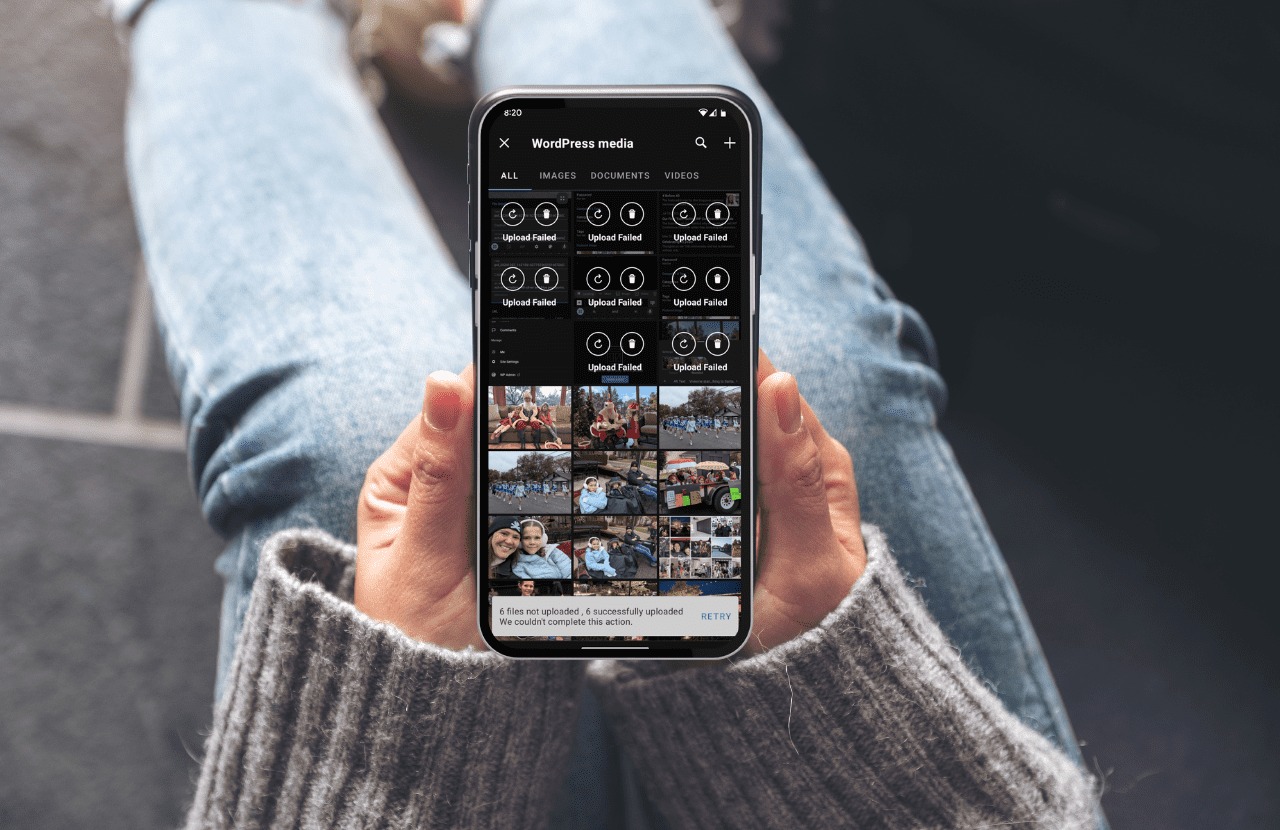
- It’s impossible to publish simple blog posts — posts with only a featured image and one paragraph of text — within the WordPress mobile app. ([View Highlight](https://read.readwise.io/read/01jhg3bbtnbv1xs6qawxdtq50m))
- But this is a non-monetized blog — [I don’t even track traffic to the site.](https://amberhinds.com/privacy/) I don’t want to pay much for hosting and am not interested in fiddling with server settings. In this respect, I am like most WordPress users with hobby blogs or small business sites: people looking for affordable and easy hosting. ([View Highlight](https://read.readwise.io/read/01jhg3cecb6yags0wv3dsf9bpy))
- And so, I don’t think the issue here is solely a problem with the particular hosting plan I have at GoDaddy. The problem is that the app uses XML-RPC in the first place. ([View Highlight](https://read.readwise.io/read/01jhg3ckma885jaa4zezm13hfv))
- I was wrong. The WordPress app is hard to set up. There’s not much documentation, and it has features that are so limited that the app is barely usable for even the most basic purpose. As I was brainstorming this post, I was thinking about titling it, *I tried the WordPress Mobile App, So You Don’t Have to.* ([View Highlight](https://read.readwise.io/read/01jhg3fg53kqjbs3h09fwq1hej))