The WordPress Interview
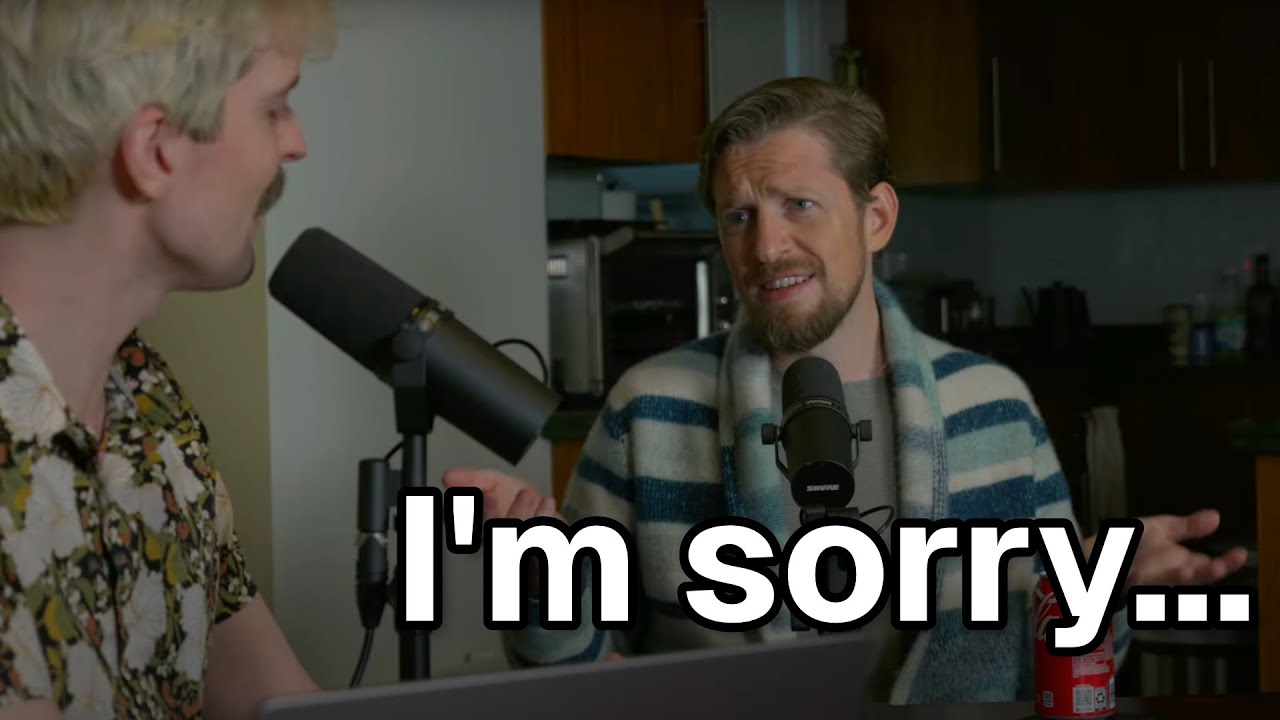
[[3. Resources/Readwise/Full Document Contents/Articles/The WordPress Interview|Full Document Contents]]
## Document Notes
---
tags: #WordPress #Interview #WP_Engine #Trademarks #Community
- #WordPress
- #Interview
- #WP_Engine
Author: Matt Mullenweg, Interviewer [The WordPress Interview]
Source: YouTube Video
Reference: [Transcript Link](https://www.youtube.com/watch?v=OUJgahHjAKU)
date created: 2024-09-29 10:45
---
# Title: Matt Mullenweg on WordPress Trademarks, WP Engine, and Community Relations
## Table of Contents:
1. 📝 Summary
2. 📖 Main Content
- 🗒️ Notes
3. 📖 References
4. 🗣️ Paraphrase
5. 📰 Newsletter Blurb
6. ✅ Action Items
7. 🧪 Hypotheses
- 📊 Methodology
8. ❓ Questions
9. 🔮 Future Research
- 💡 Implications
10. 🧠 Learning Styles Assessment
11. 📊 Accessibility Assessment
12. 🌍 DEIB Assessment
13. ✅ Logical Validity
14. 🔍 SEO Evaluation
15. 🎯 Conclusion
## 📝 Summary:
This interview, featuring Matt Mullenweg and an interviewer, covers a range of topics, including the intricate relationships between different parts of WordPress, the trademark disputes between Automattic and WP Engine, and Matt’s concerns over confusion and trademark misuse. Key points include the difference between WordPress.org and WordPress.com, how the WordPress Foundation functions, and the challenges Automattic faces in ensuring clarity between community projects and commercial activities.
## 📖 Main Content:
This section elaborates on the foundational concepts of WordPress's different branches, trademark disputes, and Automattic’s community engagement strategies.
### 🗒️ Notes
#### 1. **Understanding the WordPress Ecosystem**
- **WordPress.org**:
- **Open-Source Platform**: WordPress.org is the open-source platform for building websites. It hosts a repository of themes, plugins, and educational resources. Anyone can download WordPress from this site and install it on their hosting, maintaining full control over their site.
- **Community Collaboration**: The community-driven approach of WordPress.org encourages collaboration, open participation, and global accessibility. It focuses on inclusivity and transparency in development.
- **Contributions to Core**: Developers and community members contribute to WordPress core updates. These contributions help maintain security, add features, and address bug fixes, fostering continuous improvement of the software.
- **WordPress.com**:
- **Managed Hosting Solution**: WordPress.com is a managed hosting solution owned by Automattic, providing an all-in-one platform where users can create and manage their websites without the hassle of setting up hosting or maintaining updates.
- **Freemium Model**: Offers both free and premium services, enabling users to choose plans based on their requirements, such as increased storage or advanced design capabilities.
- **Misconceptions**: One key topic Matt highlights is the frequent confusion between WordPress.org and WordPress.com. Users often do not understand the difference between these two, which sometimes results in misconceptions regarding WordPress’s cost and open-source nature.
- **WordPress Foundation**:
- **Trademark Protection**: The WordPress Foundation is a nonprofit entity established to protect the WordPress trademarks and ensure they remain in alignment with the principles of free and open-source software (FOSS).
- **Educational Focus**: It primarily focuses on educational initiatives, supporting WordCamps and workshops, ensuring that people from all backgrounds can learn and benefit from using WordPress.
- **Separation from Automattic**: Unlike WordPress.com, the Foundation is completely separate from Automattic to ensure that there is no conflict of interest between the nonprofit’s educational mission and the business interests of Automattic.
#### 2. **Automattic's Role and Contributions**
- **Origins and Purpose**:
- **Founded in 2005**: Matt founded Automattic to provide products and services that would complement and extend the use of WordPress. Automattic manages multiple WordPress-related products, including Jetpack and WooCommerce.
- **Commercial Activities**: Automattic’s goal was to provide a commercial avenue for expanding WordPress services while ensuring core WordPress remained free. Automattic’s commercial activities fund the development and support of core products, which are available for free to the community.
- **Trademark Ownership**:
- **Initial Ownership and Transition**: Initially, Automattic owned the WordPress trademark. However, to protect it from commercial abuse, Matt transferred the trademark to the WordPress Foundation. This ensured that the WordPress brand would be safeguarded, even if Automattic’s business structure changed.
- **Automattic's Licensing**: Automattic now operates under a license that allows them to use the WordPress trademark. This transfer also demonstrates Matt’s dedication to open-source values, ensuring the software and its branding serve the community’s interests, not just commercial interests.
- **Conflict of Interest Safeguards**:
- **Trademark Sublicensing**: Automattic holds sublicensing rights to the trademark, but other companies seeking to use the WordPress name must meet stringent conditions. These conditions are set by the WordPress Foundation, which aims to prevent misuse and ensure that any commercial use aligns with WordPress values.
- **Autonomy of the Foundation**: The Foundation holds complete control over the licensing and sublicensing, which acts as a barrier against any company, including Automattic, from exploiting the WordPress name purely for profit.
#### 3. **WP Engine Trademark Dispute**
- **Background of WP Engine**:
- **Managed WordPress Hosting**: WP Engine is a leading provider of managed WordPress hosting, catering to businesses that require optimized, reliable WordPress hosting with added services like support and scaling features.
- **Use of Trademark**: WP Engine has used the WordPress trademark in its marketing materials and services. Matt expresses concern over how this use has created confusion among consumers who believe WP Engine may be directly affiliated with the WordPress Foundation or Automattic.
- **Confusion and Legal Measures**:
- **Consumer Misunderstanding**: Customers often associate WP Engine directly with the WordPress project or Automattic due to the use of the WordPress name. This association could imply that WP Engine’s hosting services are somehow endorsed by or an official part of WordPress, which is not accurate.
- **Trademark Enforcement as Necessity**: Trademark laws require active enforcement to prevent dilution. Failure to enforce can lead to losing the rights to the trademark. Matt emphasizes this necessity, comparing it to how other well-known brands rigorously protect their trademarks to prevent misuse and protect consumer trust.
- **Legal Action**: Automattic and the WordPress Foundation have taken action to ensure WP Engine and similar companies cease misuse of the WordPress name, particularly where there is no clear added benefit to the community. The trademark needs to be applied in ways that promote the values of open-source and community empowerment.
#### 4. **Five for the Future Initiative**
- **Concept Introduction**:
- **Community Contribution Model**: The "Five for the Future" initiative calls on companies benefiting from WordPress to contribute 5% of their resources—whether that be financial, code, or time—back to the WordPress project.
- **Moral Responsibility**: Matt sees contributing back as not just beneficial for WordPress, but also as a moral obligation for companies like WP Engine that derive profit from WordPress’s open-source project.
- **Criticism of WP Engine**:
- **Lack of Significant Contribution**: Matt criticized WP Engine for profiting extensively from WordPress without adequately contributing back to the community. He pointed out that many companies sponsor events, but direct contribution to the development and growth of WordPress is limited.
- **Commercial vs. Community Values**: WP Engine’s commercial activities were discussed as being potentially misaligned with WordPress community values. Sponsorship alone does not equate to an active and meaningful contribution to the co
## Highlights
- I've never gotten any support emails about GoDaddy so this is the my mom doesn't think GoDaddy is us ([View Highlight](https://read.readwise.io/read/01j8zny45w74nr56hpqwkzv3f8))
- WordPress where another host like like GoDaddy has less incentive and does less to push WordPress to its users than WP engine does and WP engine is spending money on marketing spending money on press spending money on all these things to so does GoDaddy so do BLU host on ([View Highlight](https://read.readwise.io/read/01j921sq6h2dbwzenf89f7d25h))