WordPress’s Mullenweg Puts Lipstick on His WP Engine Argument
Full Document Contents/Articles/WordPress’s Mullenweg Puts Lipstick on His WP Engine Argument.md, WordPress’s Mullenweg Puts Lipstick on His WP Engine Argument, Christine Hall.
> [!note]+ Document Notes
> tags: [#wordpress, #opensource, #mullenweg, #wpengine, #community, #branding, #controversy]
> - #software
> - #foss
> - #leadership
> Author: FOSS Force
> Source: [FOSS Force Blog]
> Reference: [WordPress’s Mullenweg Puts Lipstick on His WP Engine Argument](https://fossforce.com/2024/11/wordpresss-mullenweg-puts-lipstick-on-his-wp-engine-argument/)
> date created: {{date:2024-11-12}} {{time:16:15}}
>
> # Title: WordPress’s Mullenweg Puts Lipstick on His WP Engine Argument
>
<!-- deep-read:sections start -->
## Table of Contents:
- [📝 Summary](#-summary)
- [📖 Main Content](#-main-content)
- [🗒️ Notes](#-notes)
- [📖 References](#-references)
- [🗣️ Paraphrase](#-paraphrase)
- [📰 Newsletter](#-newsletter)
- [✅ Action Items](#-action-items)
- [🧪 Hypotheses](#-hypotheses)
- [📊 Methodology](#-methodology)
- [❓ Questions](#-questions)
- [🔮 Future Research](#-future-research)
- [💡 Implications](#-implications)
- [🧠 Learning Styles Assessment](#-learning-styles-assessment)
- [📊 Accessibility Assessment](#-accessibility-assessment)
- [🌍 DEIB Assessment](#-deib-assessment)
- [✅ Logical Validity](#-logical-validity)
- [🔍 SEO Evaluation](#-seo-evaluation)
- [🎯 Conclusion](#-conclusion)
---
## 📝 Summary:
This article from FOSS Force explores recent statements by Matt Mullenweg, co-founder of WordPress, regarding the WordPress ecosystem’s commercial impact, particularly WP Engine's role in the space. The piece critiques Mullenweg’s arguments on fostering open-source principles amid growing commercialization. It calls attention to the WordPress founder's nuanced views on balancing openness with monetization, highlighting the community's mixed responses to his leadership and WordPress's direction. The article's tone reflects skepticism over Mullenweg's alignment of WordPress's core values with its business evolution.
## 📖 Main Content:
### WP Engine Controversy and Mullenweg's Response
- **Mullenweg's Stance on WP Engine’s Role**:
- Mullenweg argues for a balanced approach to WP Engine's role, emphasizing the need to maintain a healthy, open ecosystem without stifling the commercial benefits of popular plugins and features.
- Critics view this as contradictory to open-source principles, suggesting that it prioritizes profit over community values.
- Mullenweg’s statements have stirred debate within the WordPress community, with some fearing that the focus on revenue generation may dilute WordPress's original vision.
### Arguments Around Open-Source Sustainability
- **Balancing Open-Source with Profitability**:
- The article sheds light on Mullenweg’s viewpoint that WordPress can support open-source projects sustainably without compromising on monetization.
- This approach raises concerns among community members about potential favoritism toward commercial entities like WP Engine.
- Mullenweg insists that this balance is essential for the long-term health of the ecosystem, but critics argue it could marginalize smaller contributors and independent developers.
### Community Reactions and Perceptions
- **Mixed Reception from the WordPress Community**:
- Mullenweg’s views have drawn both support and opposition. Supporters agree with his focus on sustainability, while opponents question his motivations and commitment to open-source ideals.
- The article presents community voices calling for clearer boundaries between WordPress’s open-source mission and the commercial interests of Automattic, WP Engine, and other major players.
### 🗒️ Notes
- **Mullenweg's Position**:
- Emphasizes a balanced approach to commercialization and open-source principles.
- Views sustainable funding as vital for WordPress’s long-term viability.
- **Concerns Raised**:
- Fear of WP Engine’s dominance in the ecosystem.
- Community worries about open-source integrity being compromised.
- **Community Sentiment**:
- Divided, with calls for more transparency and boundaries within WordPress’s leadership and commercial interests.
## 📖 References:
- FOSS Force: "WordPress’s Mullenweg Puts Lipstick on His WP Engine Argument" [link](https://fossforce.com/2024/11/wordpresss-mullenweg-puts-lipstick-on-his-wp-engine-argument/)
## 🗣️ Paraphrase:
1. *Original*: "Mullenweg's emphasis on commercial support has sparked fears that WordPress’s open-source mission could be sidelined by profit-driven motives."
*Paraphrased*: "Mullenweg’s focus on commercial backing has raised concerns that WordPress's open-source principles may be overshadowed by revenue interests."
2. *Original*: "While some in the community back Mullenweg’s stance on sustainability, others see it as a thinly veiled excuse for profit-driven agendas."
*Paraphrased*: "Though Mullenweg’s sustainability argument has supporters, others view it as a pretext for prioritizing revenue over open-source ideals."
## 📰 Newsletter:
**💼 Mullenweg’s Take on WP Engine Sparks Debate** 🔍 FOSS Force’s latest article critiques Matt Mullenweg’s recent remarks on WP Engine and WordPress’s ecosystem balance. The discussion raises key points on sustaining open-source projects amid monetization concerns. Many in the WordPress community wonder: Is the focus shifting too much toward profit? Read the full analysis [here](https://fossforce.com/2024/11/wordpresss-mullenweg-puts-lipstick-on-his-wp-engine-argument/).
## ✅ Action Items:
1. **Develop Transparent Communication Plans**:
- Clearly outline how WordPress balances open-source values with commercial interests.
2. **Encourage Community Engagement**:
- Solicit more feedback from smaller developers and independent contributors.
3. **Promote Educational Resources**:
- Emphasize the value of sustainable open-source funding through community outreach and education.
## 🧪 Hypotheses:
- Commercialization risks overshadowing WordPress’s original open-source ethos.
- Transparent communication about revenue can increase community trust in leadership.
- Maintaining a diverse contributor base will support WordPress’s open-source mission in the long term.
### 📊 Methodology:
- **Surveys**: Gather feedback from diverse community members on perceptions of commercialization in WordPress.
- **Focus Groups**: Organize discussions with developers on monetization's impact on open-source values.
- **Content Analysis**: Review WP Engine’s integration within WordPress to assess its influence.
### ❓ Questions:
- How does WP Engine’s involvement affect WordPress’s image as an open-source platform?
- What strategies can help WordPress retain its core values amid commercialization?
- Could stronger contributor guidelines reduce the perceived influence of commercial entities?
### 🔮 Future Research:
- **Impact of Commercialization on Open-Source Engagement**: Examine whether increased revenue focus affects WordPress’s contributor diversity.
- **Sustainability Models for Open-Source Projects**: Explore sustainable funding options that maintain open-source integrity without heavy reliance on commercial entities.
### 💡 Implications:
- **For WordPress Leadership**: Balancing commercial interests with open-source values may be crucial for maintaining community trust.
- **For Community Dynamics**: Increased transparency could lead to stronger cohesion and engagement across contributors.
### 🧠 Learning Styles Assessment:
1. **Visual**: Infographics comparing WordPress’s commercial and open-source contributions.
2. **Aural**: A podcast summarizing Mullenweg’s statements could appeal to auditory learners.
3. **Verbal**: Detailed breakdowns of open-source vs. commercialization arguments support verbal engagement.
4. **Logical**: A timeline of WordPress’s monetization shifts may help logical learners grasp the context.
### 📊 Accessibility Assessment:
- **Screen Reader Compatibility**: Ensure all text and links are accessible to screen readers.
- **Contrast and Readability**: Improve color contrast to make it easier for visually impaired readers to follow.
- **Text Resizing**: Content should be fully responsive to user text size adjustments.
### 🌍 DEIB Assessment:
- **Inclusive Language**: Avoid technical jargon that may alienate non-technical readers.
- **Neurodiversity Support**: Use clear headers and break up large text blocks to enhance readability for neurodiverse readers.
- **Representation**: Feature diverse voices from different contributor backgrounds to capture a wider range of perspectives.
### ✅ Logical Validity:
- **Strong Inductive Reasoning**: The article’s arguments about potential conflicts in WordPress’s mission are well-supported by community feedback.
- **Consistent Analogies**: Comparisons of WP Engine’s role to other open-source support mechanisms help clarify the discussion.
**Potential Fallacies**:
- **Appeal to Emotion**: Criticisms of Mullenweg may rely on emotional appeals rather than fact-based arguments.
- *Recommendation*: Balance critiques with more evidence-backed analysis.
### 🔍 SEO Evaluation:
- **Keywords**: Strong usage of terms like “WordPress,” “Mullenweg,” and “WP Engine.”
- **Meta Description**: Adding a summary with primary keywords could improve search visibility.
- **Internal Links**: Link to other related articles on open-source sustainability.
## 🎯 Conclusion:
FOSS Force’s article critically examines Matt Mullenweg’s recent comments on WP Engine’s role within WordPress. The piece raises essential questions about the platform’s evolving balance between open-source values and commercial interests, reflecting a community divided over the impact of commercialization on WordPress’s future. Community responses emphasize the need for transparent, inclusive dialogue to safeguard WordPress’s founding principles.
<!-- deep-read:sections end -->
## Highlights
- “Just to set the record stage straight, at some point you own part of WP Engine or invested…”
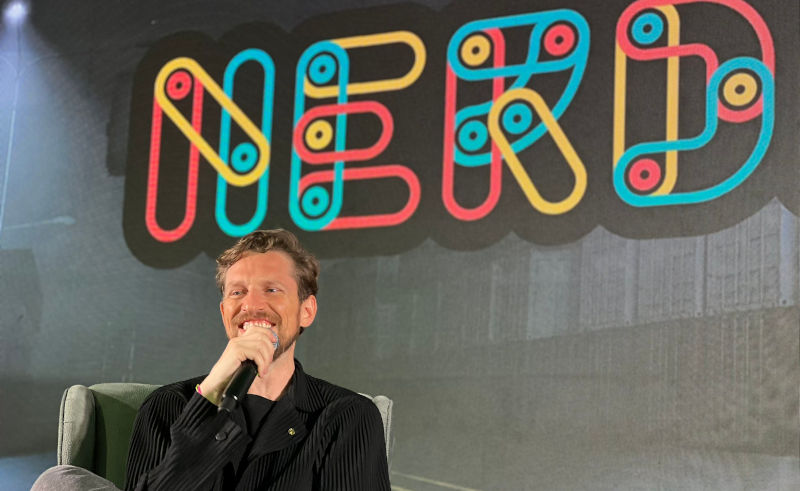
“A very small amount; we invested $25,000,” Mullenweg interrupted, “but then when Silver Lake came in they kicked us out. They kind of took over the company.” ([View Highlight](https://read.readwise.io/read/01jcgx4gnbzrhf88hjxa69t8ez))
- “Then, kind of from 2018, they started to get more and more… I would call it evil.”
“You used a stronger word,” Jolo said and paused for a beat, waiting for a reply that didn’t come. “OK, you call them evil. So 2018…”
That’s when Mullenweg needed his bathroom break (“Sorry, I gotta use the restroom real quick. Can I be right back?”) and quickly fled the stage. ([View Highlight](https://read.readwise.io/read/01jcgx50v70k21w1t70rxgd787))
- While Mullenweg brings up code modifications and the like under the guise of consumer advocacy, his real gripe is competition, but even there he attacks the company as a self proclaimed Ralph Nader — the consumer advocate who pressured General Motors to end production of its popular Chevrolet Corvair model back in the 1960s due to safety concerns. ([View Highlight](https://read.readwise.io/read/01jcgx9nh4wdc9vydapb3g715j))
- If you go to GoDaddy you don’t think you’re signing up with WordPress. No one’s ever thought that, it’s called GoDaddy. They are on brand. They spend millions of dollars marketing this whole GoDaddy brand. They offer WordPress, but they don’t call it WordPress hosting. That would make it confusing. Kind of like, you could have a restaurant that sells Coca Cola. You say you sell Coca Cola, but you don’t call it the Coca Cola restaurant.” ([View Highlight](https://read.readwise.io/read/01jcgxbtasrjsxdhg39vjhjghc))
- At this point we’re only about eight minutes into the half hour in which the interview with Mullenweg specifically dealt with the WordPress/WP Engine fiasco. The rest of the interview was basically just more of the same, with Mullenweg never even coming close to convincing me that he had any kind of legitimate case against WP Engine. ([View Highlight](https://read.readwise.io/read/01jcgxcc76hs2p8vx2yk6whb0n))