WordPress Announces WordPress Native CPTS
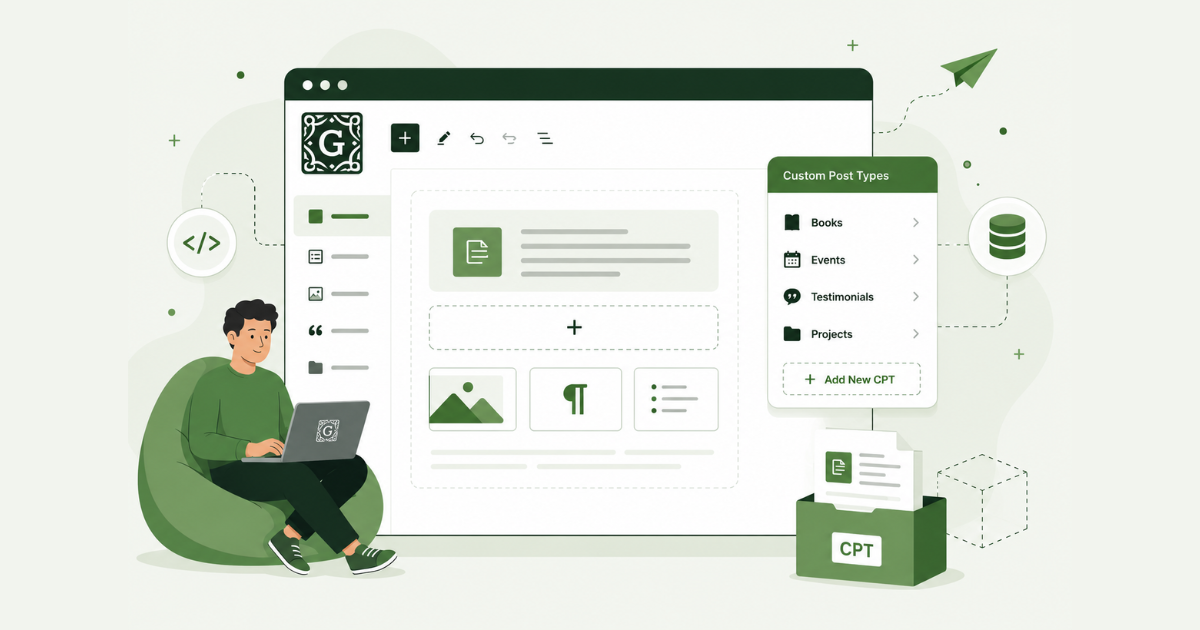
🔗 **Source:** [WordPress Announces WordPress Native CPTS](https://newuserapprove.com/wordpress-native-cpts/)
> [!note]+ Document Notes
> tags: #wordpress #custom-post-types #gutenberg #content-management
> author: Abdul Basit
> source: New User Approve
> reference: https://newuserapprove.com/wordpress-native-cpts/
> date created: 2024-12-28 14:30
>
> # 🏷️ Title: WordPress Adds Experimental Custom Post Types to Test WordPress Native CPTs in Gutenberg 23.0
>
<!-- deep-read:sections start -->
## 🧰 Action Inbox
- [H1] Test native CPT functionality on staging site — Gutenberg 23.0 experiment #wordpress
- [H2] Evaluate database debt implications for enterprise sites — version control concerns #development
- [H3] Monitor community feedback on experimental feature — production readiness assessment #community
## 🧭 Table of Contents
- [[#📝 Summary]]
- [[#📖 Main Content]]
- [[#🗒️ Notes]]
- [[#📚 References]]
- [[#🗣️ Paraphrase]]
- [[#📰 Newsletter]]
- [[#✅ Action Items]]
- [[#🧪 Hypotheses]]
- [[#📊 Methodology]]
- [[#❓ Questions]]
- [[#🔮 Future Research]]
- [[#💡 Implications]]
- [[#🧠 Learning Styles Assessment]]
- [[#📊 Accessibility Assessment]]
- [[#🌍 DEIB Assessment]]
- [[#✅ Logical Validity]]
- [[#🛡️ DARVO Analysis]]
- [[#🎯 Conclusion]]
### 🔗 References
- [WordPress Native CPTs Test Site](https://t.co/qPptDMAmKD)
- [Jamie Marsland Tweet](https://x.com/pootlepress/status/2051572614007767486?s=20)
- [Matt Cromwell Tweet](https://x.com/learnwithmattc/status/2051583857816735773?s=20)
## 📝 Summary
- WordPress Gutenberg 23.0 introduces experimental native custom post types (CPTs) management
- Eliminates need for third-party plugins like CPT UI or Advanced Custom Fields for basic CPT creation
- Moves CPT registration from PHP code to JSON database storage using "site-as-data" philosophy
- Creates potential "database debt" concerns for enterprise environments using version control
- Community leaders are generally positive but acknowledge early-stage limitations
## 📖 Main Content
WordPress has reached a significant milestone in its evolution from blogging platform to comprehensive content management system with the introduction of experimental native custom post types in Gutenberg plugin version 23.0. This feature represents a fundamental shift in how WordPress handles content architecture.
The traditional approach required developers to write PHP code in functions.php files or dedicated plugins to register custom post types. The new system moves this logic into the WordPress database, storing configurations as JSON objects within a private post type. This follows the "site-as-data" philosophy established by theme.json, making site structure as portable and editable as block patterns.
The implementation uses WordPress's latest Data Views and Data Forms APIs, creating a fast, responsive interface integrated into the modern Site Editor aesthetic. This goes beyond simple labels and slugs to establish the foundation for a native Content Modeling System.
However, the shift introduces what the author terms "database debt" - a new risk where moving CPT registration from the file system to the database makes content types harder to track, audit, and sync across development environments. In enterprise settings where version control is the source of truth, this could create architectural fragmentation.
## 🗒️ Notes
#### ⏱️ [00:00] — [H1] WordPress Native CPTs Introduction
- Key idea: Gutenberg 23.0 introduces experimental native custom post types manager
- Evidence: "Native custom post types allow users to create and manage complex content structures directly within the admin interface"
#### ⏱️ [01:30] — [H2] Technical Architecture Shift
- Key idea: Moving from PHP code to JSON database storage
- Evidence: "Configurations are saved as JSON objects within a private post type"
#### ⏱️ [03:00] — [H1] Site-as-Data Philosophy
- Key idea: Follows theme.json approach for portability
- Evidence: "Making the site's structural skeleton as portable and editable as a block pattern"
#### ⏱️ [04:15] — [H2] Modern API Integration
- Key idea: Uses latest Data Views and Data Forms APIs
- Evidence: "WordPress interface is fast, responsive, and integrated into the modern Site Editor aesthetic"
#### ⏱️ [05:30] — [H3] Testing Instructions
- Key idea: Enable experiment in Gutenberg settings
- Evidence: "Navigate to Gutenberg > Experiments in your WordPress dashboard"
#### ⏱️ [07:00] — [H2] Configuration Process
- Key idea: UI-based CPT creation without code
- Evidence: "Enter your singular and plural labels... saved instantly to the database without requiring a code deploy"
#### ⏱️ [08:30] — [H1] Database Debt Concerns
- Key idea: Version control challenges with database-stored CPTs
- Evidence: "CPTs are stored as JSON blobs in wp_posts, they become harder to track, audit, and sync"
#### ⏱️ [10:00] — [H2] Enterprise Architecture Risk
- Key idea: Fragmented logic between database and codebase
- Evidence: "Site logic is scattered across both the database and the codebase"
#### ⏱️ [11:30] — [H3] Community Leader Reactions
- Key idea: Generally positive but cautious response
- Evidence: "Jamie Marsland has called it 'Better structured content from day one'"
#### ⏱️ [12:45] — [H2] Production Readiness Warning
- Key idea: Feature still experimental and not production-ready
- Evidence: "Best suited for staging sites, internal testing, and feedback gathering rather than production use"
## 📚 References
- [Gutenberg Plugin](https://wordpress.org/plugins/gutenberg/)
- [WordPress Data Views API](https://developer.wordpress.org/)
- [Theme.json Documentation](https://developer.wordpress.org/themes/advanced-topics/theme-json/)
## 🗣️ Paraphrase
- WordPress is testing a new way to create custom content types directly in the admin interface without requiring code or plugins
- The system stores content type definitions in the database as JSON rather than in PHP files, following patterns established by theme.json
- While this makes content types easier to create, it introduces challenges for professional workflows that rely on version control systems
## 📰 Newsletter
WordPress developers, exciting news! Gutenberg 23.0 brings us one step closer to native content modeling with experimental custom post types management.
This experimental feature lets you create and configure custom post types directly in the WordPress admin (Settings > Post Types) without writing PHP or installing plugins like CPT UI. It's part of WordPress's broader "site-as-data" vision, storing configurations as JSON in the database just like theme.json.
The interface is clean, fast, and integrated into the Site Editor aesthetic using the latest Data APIs. However, be mindful of "database debt" - storing CPTs in the database rather than version-controlled code files can complicate enterprise workflows.
Ready to test? Enable it under Gutenberg > Experiments, but keep this on staging sites for now. The feature is clearly experimental and needs community feedback before production readiness.
Resources: [Learn WordPress](https://learn.wordpress.org/), [Developer Docs](https://developer.wordpress.org/), [WP-CLI](https://wp-cli.org/)
## ✅ Action Items
#### WordPress
- Core: Evaluate native CPT integration roadmap and timeline
- Core Program Team: Coordinate feedback collection from experimental feature
- Documentation: Create guidance on database vs. file-based CPT approaches
- Community: Gather enterprise workflow requirements and concerns
- Design: Ensure CPT manager follows accessibility standards
#### OSPO
- Software Inventory: Track CPT registration methods across projects
- Developer Support: Provide guidance on version control best practices
- Policy & Governance: Establish standards for experimental feature adoption
#### Community
- Maintainers: Test native CPTs with existing plugin ecosystems
- Contributors: Provide feedback on experimental feature limitations
- Sponsors: Evaluate impact on existing CPT-dependent projects
## 🧪 Hypotheses
- Native CPT management will reduce dependency on third-party plugins for basic content modeling
- Database-stored CPTs will create synchronization challenges in multi-environment workflows
- The feature will accelerate WordPress adoption for complex content management use cases
- Enterprise users will prefer hybrid approaches combining both database and code-based CPTs
### 📊 Methodology
- A/B testing comparing native CPTs vs. traditional plugin approaches
- Survey enterprise developers on version control workflow preferences
- Performance benchmarks for database vs. PHP-registered CPTs
### ❓ Questions
- How will native CPTs handle complex relationships and meta fields?
- What export/import mechanisms will support CPT portability across sites?
- How will this affect the existing ecosystem of CPT-related plugins?
### 🔮 Future Research
- Integration patterns with existing content modeling plugins
- Performance implications of JSON-stored vs. PHP-registered CPTs
- Migration pathways from plugin-based to native CPT systems
### 💡 Implications
- Practice: Developers need to evaluate database vs. code-based CPT strategies
- Policy: Teams should establish standards for experimental feature adoption
- Security: JSON-stored configurations require new validation approaches
- Education: Training materials needed for native CPT workflows
- Funding: Potential impact on CPT plugin market and development priorities
### 🧠 Learning Styles Assessment
Reading level estimate: 12th Grade
#### 👀 Visual learners
- Present: Step-by-step interface descriptions
- Improve: Screenshots of new CPT manager interface, workflow diagrams
#### 🔊 Aural learners
- Present: None identified
- Improve: Video walkthrough of CPT creation process
#### 🗣️ Verbal learners
- Present: Technical terminology with context
- Improve: Glossary of CPT-related terms, analogies for database debt
#### 🧩 Kinesthetic learners
- Present: Step-by-step testing instructions
- Improve: Interactive tutorial, hands-on exercises
#### 🧠 Logical learners
- Present: Technical architecture comparisons
- Improve: Decision tree for choosing CPT approaches, pros/cons tables
#### 🧑🤝🧑 Social learners
- Present: Community leader quotes and reactions
- Improve: Discussion forum links, collaborative testing opportunities
#### 🧘♀️ Solitary learners
- Present: Individual testing instructions
- Improve: Self-assessment checklist, reflection questions
#### 🌿 Naturalistic learners
- Present: Evolution metaphor for WordPress development
- Improve: Ecosystem impact analysis, sustainability considerations
### 📊 Accessibility Assessment
#### Screen reader semantics
- Present: Standard article structure with headings
- Improve: More descriptive heading hierarchy, alt text for any interface elements
#### Keyboard navigation
- Present: Standard web navigation
- Improve: Skip links, focus management guidance for new interface
#### Contrast and readability
- Present: Standard text formatting
- Improve: Code samples need syntax highlighting with sufficient contrast
#### Text resizing and reflow
- Present: Responsive text layout
- Improve: Ensure technical content reflows properly at high zoom levels
#### Media and captions
- Present: No media content
- Improve: Video demonstrations would need captions
#### Forms and interactions
- Present: No interactive forms
- Improve: CPT manager interface needs accessibility testing
### 🌍 DEIB Assessment
#### Cultural breadth
- Present: English-only content
- Improve: Internationalization considerations for CPT labels
#### Inclusive language
- Present: Technical but generally inclusive
- Improve: Define jargon terms, avoid developer-only assumptions
#### Neurodiversity support
- Present: Well-structured content with clear headings
- Improve: More frequent subheadings, bullet point summaries
#### Representation
- Present: Limited to quoted community leaders
- Improve: Include diverse voices from different WordPress communities
#### Psychological safety
- Present: Balanced coverage of benefits and concerns
- Improve: Acknowledge different skill levels and comfort with experimental features
### ✅ Logical Validity
#### Strong reasoning
- Deductive strength: Clear progression from experimental feature to implications
- Inductive strength: Uses specific examples to draw broader conclusions
- Causal reasoning: Links technical choices to workflow implications
- Analogical strength: Effective comparison to theme.json precedent
#### Fallacies
- Appeal to authority: Over-reliance on community leader endorsements without technical analysis
- False dichotomy: Presents database vs. code as binary choice rather than exploring hybrid approaches
#### Tone of voice
- Overall tone: Informative but cautious, appropriate skepticism about experimental features
### 🛡️ DARVO Analysis
- Deny: No denial patterns identified
- Attack: No attack patterns identified
- Reverse victim/offender: No reversal patterns identified
- Emotional cues and rhetoric: Balanced presentation without manipulative language
## 🎯 Conclusion
WordPress native custom post types in Gutenberg 23.0 represent a significant step toward comprehensive content modeling capabilities built into core WordPress. While the feature offers exciting possibilities for reducing plugin dependencies and streamlining content architecture workflows, the "database debt" concerns highlight important considerations for professional development environments.
The key practical next step is careful testing on staging sites to understand both the capabilities and limitations of the current implementation. Teams should evaluate how native CPTs fit into their existing workflows and version control practices.
This development connects to WordPress's broader evolution toward a site-as-data architecture, suggesting that future WordPress sites may be increasingly configured through interfaces rather than code, with important implications for how we approach WordPress development and deployment.
## 🧱 Refactor Appendix
### 📚 Literature Split Pad
### [H1] Native CPTs eliminate third-party plugin dependencies
> [!quote] [WordPress Adds Experimental Custom Post Types](https://newuserapprove.com/wordpress-native-cpts/) by [[Abdul Basit]] via [[New User Approve]]. Published 2026-05-06. Accessed 2024-12-28.
> "Native custom post types allow users to create complex content structures directly within the admin interface."
Represents major shift in WordPress content architecture approach, reducing reliance on external solutions for basic CMS functionality.
[view highlight](https://newuserapprove.com/wordpress-native-cpts/#H1) #xref #articleseed ID:rw_wp_native_cpt_001
### [H2] Database debt creates version control challenges
> [!quote] [WordPress Adds Experimental Custom Post Types](https://newuserapprove.com/wordpress-native-cpts/)
> "CPTs stored as JSON blobs in wp_posts become harder to track, audit, and sync across environments."
Critical enterprise consideration where version control is source of truth for site architecture.
[view highlight](https://newuserapprove.com/wordpress-native-cpts/#H2) #xref ID:rw_wp_native_cpt_002
---
### 🔖 Atomic Split Pad (Zettel Candidates)
#### [Z1] Site-as-data philosophy enables portable configurations
- Applied to CPTs following theme.json patterns
- Pointer to technical architecture section
- Links: [[WordPress-Architecture]] [[Content-Modeling]]
#### [Z2] Database storage trades stability for convenience
- Enterprise environments require careful evaluation
- Pointer to database debt discussion
- Links: [[Version-Control]] [[WordPress-Enterprise]]
---
### ✏️ Fleeting Queue
- [F1] Test CPT export/import functionality — staging site evaluation #fleeting #inbox
- [F2] Research enterprise CPT deployment patterns — workflow analysis #fleeting #inbox
- [F3] Monitor community feedback on experimental timeline — production readiness #fleeting #inbox
<!-- deep-read:sections end -->
📄 **Full text:** ![[Full Document Contents/Articles/WordPress Announces WordPress Native CPTS.md|WordPress Announces WordPress Native CPTS by newuserapprove.com]]
## Highlights
- Traditionally, registering a custom post type required writing PHP in a theme’s *functions.php* file or a [**dedicated plugin**](https://newuserapprove.com/). The new Gutenberg experiment moves this logic into the WordPress database. Configurations are saved as JSON objects within a private post type. ([View Highlight](https://read.readwise.io/read/01kr1kysvvv8bwn8sh31bf6ghz))
- Tags: 👻 ai highlighted