WordPress Co-Founder Sidelined by the Company He Built
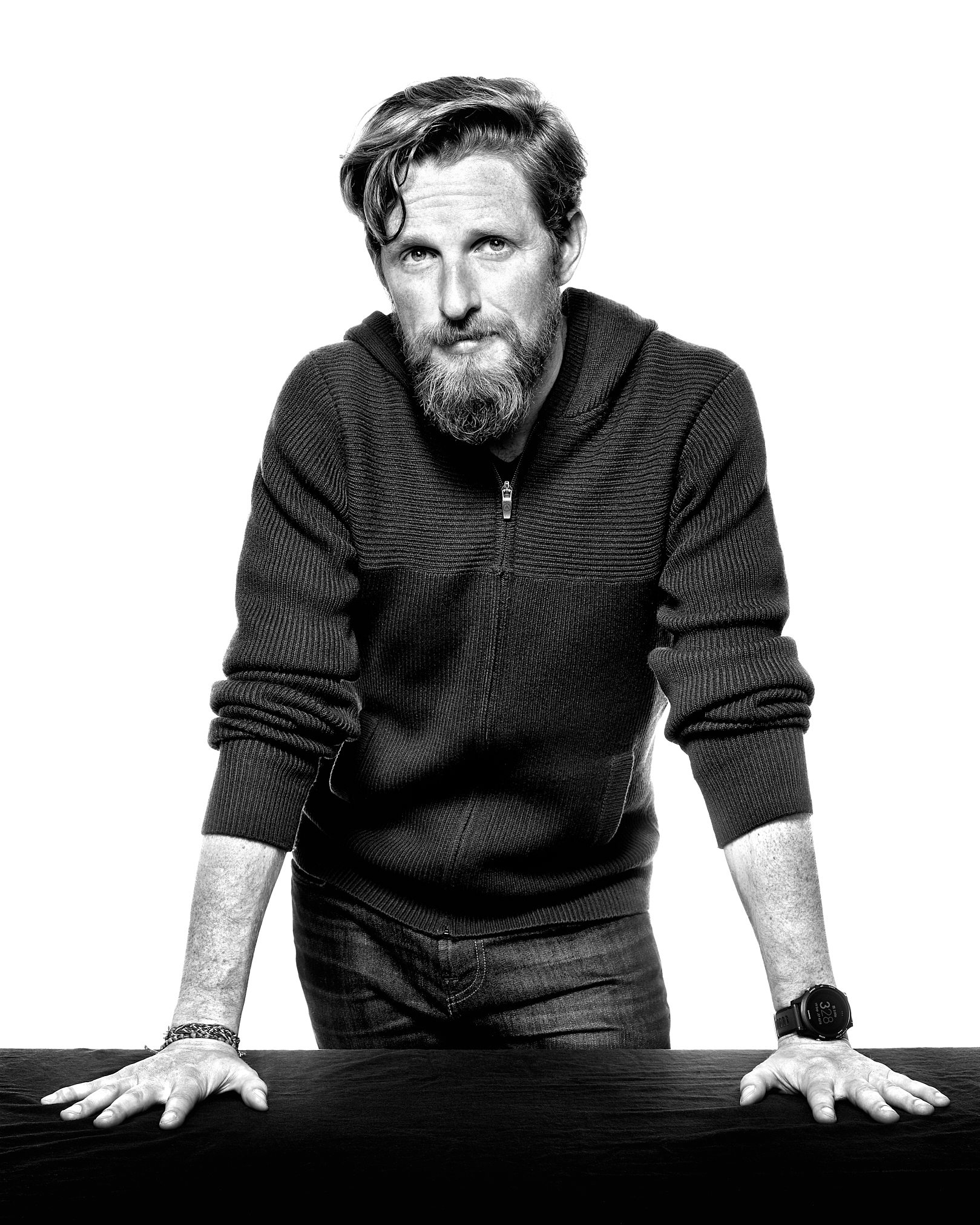
🔗 **Source:** [WordPress Co-Founder Sidelined by the Company He Built](https://searchenginewatch.com/wordpress-co-founder-sidelined-by-the-company-he-built/)
> [!note]+ Document Notes
> tags: [wordpress-governance, automattic, wordpress-org-stewardship, wp-engine-dispute, open-source-infrastructure, business-continuity]
> author: Radu Tyrsina
> source: Search Engine Watch
> reference: https://searchenginewatch.com/wordpress-co-founder-sidelined-by-the-company-he-built/
> date created: 2026-09-10
>
> > [!info] Generated analysis — not the author's words. Sections below are machine-written
> > from the captured source. Only text inside `> [!quote]` blocks is verbatim from the author.
> > Do not quote or attribute any other line to the named author.
>
> # 🏷️ Title: WordPress co-founder sidelined by the company he built
>
<!-- deep-read:sections start -->
## 🧭 Table of Contents
- [📝 Summary](#-summary)
- [📖 Main Content](#-main-content)
- [🗒️ Notes](#️-notes)
- [📚 References](#-references)
- [🗣️ Paraphrase](#️-paraphrase)
- [📰 Newsletter](#-newsletter)
- [✅ Action Items](#-action-items)
- [🧪 Hypotheses](#-hypotheses)
- [📊 Methodology](#-methodology)
- [❓ Questions](#-questions)
- [🔮 Future Research](#-future-research)
- [💡 Implications](#-implications)
- [🧠 Learning Styles Assessment](#-learning-styles-assessment)
- [📊 Accessibility Assessment](#-accessibility-assessment)
- [🌍 DEIB Assessment](#-deib-assessment)
- [✅ Logical Validity](#-logical-validity)
- [🛡️ DARVO Analysis](#-darvo-analysis)
- [🎯 Conclusion](#-conclusion)
- [🔄 Refactor Appendix](#-refactor-appendix--wordpress-co-founder-sidelined-by-the-company-he-built)
### 🔗 References
- [🗒️ Notes — what this adds to the cluster](#️-notes)
- [✅ Logical Validity — the mislabeled link and the quotation discrepancy](#-logical-validity)
- [🔄 Refactor Appendix — atoms and permanent candidates](#-refactor-appendix--wordpress-co-founder-sidelined-by-the-company-he-built)
## 📝 Summary
- **What happened.** Search Engine Watch reports the Automattic board's decision through a single lens: what it does and does not change for businesses running WordPress. Radu Tyrsina states the facts briefly, then spends most of the piece on the Automattic/WordPress.org separation and why it matters operationally.
- **Why it matters.** This is the eleventh outlet in this cluster and the only one that **demonstrates** the separation rather than asserting it — using Mullenweg's September 2024 cutoff of WP Engine's access to update servers, the plugin directory, and the theme directory as the worked case.
- **Key stakeholders.** Publishers, agencies, and businesses running WordPress on non-Automattic hosting — the audience it explicitly writes for; WordPress.org as shared infrastructure; WP Engine as the prior worked example.
- **Risks and tradeoffs.** Two verifiable defects. Its Verge citation for WP Engine's preliminary injunction **links to a Verge story about Automattic cutting contribution hours**, not the injunction. And its rendering of Mary Hubbard's statement differs materially from the version quoted by every other outlet in this batch, which means at least one of them is presenting a paraphrase as a quotation.
- **Bottom line.** The analytical frame is the best in the cluster: it answers "does this change anything for me" with a concrete precedent rather than reassurance. But check its two citations before relying on either — one is mislabeled and one is a quotation that does not match its siblings.
## 📖 Main Content
**The frame is the contribution.** Where the other ten pieces in this cluster report a board action, this one asks what the board action reaches. Its answer: Automattic operates WordPress.com, WooCommerce and Jetpack, while WordPress itself is open-source software maintained by a community of contributors including Automattic employees — so *"Businesses can run it through other hosting providers without becoming WordPress.com customers,"* and *"Appointing a new Automattic CEO therefore does not automatically replace the person leading the software project."* That is the wptips insight, stated more precisely and with the ownership structure spelled out.
**And then it proves it.** This is the move nothing else in the batch makes. Rather than leaving the separation as a structural assertion, Tyrsina reaches for the September 2024 episode as evidence that the separation is real *and* that the shared infrastructure is a live lever: in a WordPress.org announcement, Mullenweg said WP Engine's servers would lose free access, and *"He explicitly listed update servers, the plugin directory and the theme directory among the services WP Engine would need to provide itself."* The conclusion drawn — that the dispute *"brought decisions about shared WordPress infrastructure directly into a conflict involving a commercial hosting provider"* — is the sharpest sentence in the cluster. It establishes both that the two roles are separate and that the project role is the one with operational teeth.
**The forward question is scoped to the reader.** Rather than speculating about Mullenweg's return, it asks whether Davies changes Automattic's relationship with the wider community, noting that a different approach *"could matter to businesses using its hosting and plugins, while the open-source project continues under Mullenweg's leadership."* That is the correct question for its audience and it is asked without prediction.
**The first defect: a mislabeled citation.** The article states that WP Engine later obtained a preliminary injunction, "as The Verge reported," and links to `theverge.com/2025/1/10/24340717/automattic-wordpress-contribution-hours-cut-` — a story about Automattic reducing its WordPress contribution hours, not about the injunction. The injunction is real and reported elsewhere; the citation attached to it here does not support it. This is the same failure mode the TechRadar piece in this batch exhibited, where anchor text about the lawsuit pointed at an unrelated article, and it is worth recording as a pattern rather than a one-off.
**The second defect: a quotation that does not match.** Hubbard is quoted here as *"Matt continues to lead our project, and I remain Executive Director,"* while TechRadar, wptips and others in this batch render the same statement as "Matt remains the leader of the WordPress project and I remain Executive Director of WordPress. Our teams, priorities, and work continue as planned." Those are not stylistic variants; they are different sentences. One outlet is compressing a quotation and presenting the compression inside quotation marks. This article does not link the Slack message, so it cannot be checked from here — though the wp-content.co coverage does carry a permalink to the original.
**What it does not do.** No independent reporting; everything factual traces to 404 Media, which it credits and links. It does not speculate on the board's reasons, correctly noting that Automattic's statement *"did not give a reason for the decision."* And it makes no claim about how long the leave lasts.
### 🗒️ Notes
- **591 words, bylined Radu Tyrsina, published 2026-09-10** — a named author, which several pieces in this cluster lacked.
- **Three real outbound source links**: 404 Media's originating report, the WordPress.org "WP Engine is banned" announcement from September 2024, and The Verge. Two are correct; the third is mislabeled.
- **The 2024 cutoff is the evidentiary core**, and citing the WordPress.org announcement directly is the strongest sourcing decision in the piece.
- **Ownership is stated concretely** — WordPress.com, WooCommerce, Jetpack as Automattic products, versus WordPress as community-maintained software — rather than gestured at.
- **Hubbard's quote is shorter here than anywhere else in the batch.** Flagged as a discrepancy, not resolved.
- **Davies's continued-participation detail is attributed to 404 Media's reporting on internal staff messages**, not presented as independently obtained.
- **The 50-minutes-before-the-meeting claim and the coordination allegation are both attributed to Mullenweg**, using "alleged," which is the correct register.
- **No mention of the BlackRock valuation**, the WordPress 7.2 release-squad development, or the September 30 spoliation hearing — all of which appear elsewhere in this batch.
- **Comments are open and moderated** ("Comments are reviewed before they appear"), with none posted at capture time.
- **The audience framing is consistent throughout** — "for businesses running WordPress websites," "for publishers and agencies" — and it disciplines what the piece includes.
## 📚 References
- [404 Media — Automattic CEO Matt Mullenweg Put on 'Leave of Absence'](https://www.404media.co/wordpress-automattic-ceo-matt-mullenweg-put-on-leave-of-absence/) — the originating report, correctly credited and linked
- [WordPress.org — WP Engine is banned (September 2024)](https://wordpress.org/news/2024/09/wp-engine-banned/) — the primary source for the infrastructure cutoff, linked directly
- [The Verge — Automattic WordPress contribution hours cut](https://www.theverge.com/2025/1/10/24340717/automattic-wordpress-contribution-hours-cut-) — the link the article attaches to its preliminary-injunction claim; it is about contribution hours, not the injunction
- Also in this vault: the wp-content.co coverage, which links a permalink to the original Mary Hubbard Slack message and can settle the quotation discrepancy
## 🗣️ Paraphrase
- Automattic placed Mullenweg on paid leave and appointed CFO Mark Davies interim CEO; 404 Media reported it first on September 9.
- Mary Hubbard stated that WordPress project leadership and direction are unchanged and that Mullenweg continues to lead the project.
- Automattic operates WordPress.com, WooCommerce and Jetpack; WordPress itself is community-maintained software that runs on any host.
- Replacing Automattic's CEO therefore does not replace the person leading the software project.
- The 2024 WP Engine dispute showed why the separation matters: Mullenweg cut WP Engine's free access to update servers and the plugin and theme directories via a WordPress.org announcement.
- WP Engine later obtained a preliminary injunction, though the citation given for this points to an unrelated story.
- Mullenweg remains on the board and will participate in decisions, per 404 Media's reporting on internal messages.
- Automattic's statement gave no reason for the decision, and the open question for businesses is whether Davies changes the company's relationship with the community.
## 📰 Newsletter
Eleven outlets have now covered Automattic putting Matt Mullenweg on leave, and this is the one to read if you run WordPress for a living — because it is the only one that answers "does this change anything for me" with evidence instead of reassurance.
The structural point is the same one a couple of other outlets reached: Automattic's CEO and WordPress's project lead are two different jobs, and the board only touched one. But Search Engine Watch does something the others don't. It proves the separation matters by reaching back to September 2024, when Mullenweg used a WordPress.org announcement to cut WP Engine's free access — naming update servers, the plugin directory and the theme directory specifically. That single example establishes both that the roles are distinct and that the project role is the one holding the infrastructure lever.
Two things to check before you cite it. Its link for "WP Engine later obtained a preliminary injunction, as The Verge reported" actually points to a Verge story about Automattic cutting contribution hours — wrong article, and the second mislabeled citation I've found in this cluster. And its version of Mary Hubbard's statement is noticeably shorter than the version every other outlet quotes. Those are different sentences, both inside quotation marks, which means somebody is compressing. This piece doesn't link the Slack message; the wp-content.co coverage does.
Good frame, real precedent, two citations that need a second look.
## ✅ Action Items
#### DevRel
- [ ] Settle the Mary Hubbard quotation against the linked Slack permalink in the wp-content.co coverage — context #things
- Developer advocacy: the 2024 cutoff is the clearest available teaching example of what "shared infrastructure" concretely means.
- Education: pair this with the wptips piece as a lesson in asserting versus demonstrating a structural claim.
- Developer experience: not applicable.
- Developer marketing: not applicable.
- Community management: "does this change anything for me" is the question community members are actually asking.
- Internal/external/cross-project: not applicable.
#### OSPO
- Policy & Governance: the piece documents that project-role authority over infrastructure is exercisable unilaterally and survives corporate governance action.
- License Compliance: not applicable.
- Security Management: update servers as a revocable service is a dependency worth naming in any risk register.
- Software Inventory: not applicable.
- Developer Support: not applicable.
- Community Engagement: whether Davies changes the relationship is the live question this piece correctly refuses to answer.
- Strategic Alignment: not applicable.
#### Community
- Maintainers: nothing changes for maintainers by this action alone, which the piece says plainly.
- Contributors: Automattic-employed contributors are named as part of the community that maintains WordPress — a framing worth noting.
- Sponsors: not applicable.
- Ecosystem: the 2024 precedent is the ecosystem's evidence about what shared infrastructure control permits.
#### WordPress
- Core: unaffected by this action per Hubbard's statement.
- Core Performance / Core AI / Core Program Team / Mobile / Playground / Photos / TV / Polyglots / Openverse / Themes / Tide / CLI: not applicable.
- Community: the separation needs a canonical explainer; three outlets have now improvised one.
- Training: not applicable.
- Marketing: not applicable.
- Support: expect site owners to ask whether their sites are affected; the answer here is usable.
- Design: not applicable.
- Documentation: a documented statement of what WordPress.org services are guaranteed, and to whom, would close the gap the 2024 episode opened.
- Meta: update servers, plugin directory and theme directory as revocable services is a Meta-team governance surface.
- Hosting: the most directly affected group, and the piece's implicit audience.
- Plugins: not applicable.
#### The WPOCC
- Programs: a governance clinic on infrastructure as leverage, using the 2024 cutoff as the case.
- Projects: documenting which WordPress.org services carry any commitment at all.
- Funding experiments: not applicable.
#### FAIR
- Technical independence: this article is an unintentional argument for it — the 2024 cutoff is precisely the dependency FAIR exists to remove.
- Policies and covenants: a covenant guaranteeing non-discriminatory access to update and directory services would address the demonstrated risk.
- Productized governance artifacts: a service-guarantee statement for WordPress.org infrastructure.
## 🧪 Hypotheses
- Outlets writing for an operator audience produce more accurate structural analysis of a governance event than outlets writing for a general tech audience, because their readers need a decision rather than a narrative.
- Mislabeled citations cluster in fast-turnaround aggregation, and their rate rises with the number of outlets covering a story.
- A quotation that appears in materially different forms across outlets indicates at least one paraphrase presented as quotation, and the shortest version is most often the compressed one.
- Demonstrating a structural claim with a dated precedent produces more reader action than asserting it, measurable in downstream citation.
- Control over shared infrastructure is exercised more readily than formal governance authority, because it requires no process.
### 📊 Methodology
- **For the operator-audience hypothesis:** code every outlet in this eleven-piece cluster for whether it distinguishes Automattic from WordPress.org and whether it evidences the distinction. The corpus already exists in this vault; the coding is an afternoon.
- **For the mislabeled-citation hypothesis:** resolve every outbound link in the cluster and check whether the destination supports the anchor text. Two failures are already identified (this piece and TechRadar); a full sweep would give a rate.
- **For the quotation-variance hypothesis:** collect every rendering of the Hubbard statement across the cluster and compare against the Slack permalink in the wp-content.co coverage. This is directly settleable and worth doing.
- **For the infrastructure-leverage hypothesis:** compare instances of infrastructure access being altered against instances of formal governance process being invoked, across open-source projects with a single dominant steward.
- **Limits.** This article contains no independently obtained fact, so it is evidence about analytical framing rather than about events. Its value in this vault is comparative.
### ❓ Questions
- What exactly did Mary Hubbard write, and which outlet is quoting it accurately?
- Did WP Engine's preliminary injunction restore the specific services named in the 2024 cutoff, or only some of them?
- What commitment, if any, does WordPress.org make about continued access to update servers and the directories?
- Would a Davies-led Automattic behave differently toward the community, and what would the first observable signal be?
- Why did three outlets independently improvise an explainer for the Automattic/WordPress.org separation? What does that say about the documentation gap?
- Is the project role's infrastructure authority constrained by anything other than the person holding it?
### 🔮 Future Research
- A link-integrity audit across the full eleven-outlet cluster, resolving every citation against its anchor text.
- Reconstruction of the Hubbard statement's canonical text from the Slack permalink, and a map of how each outlet rendered it.
- Comparative study of infrastructure-access revocation as a governance instrument across single-steward open-source projects.
- Whether operator-audience trade press systematically outperforms general tech press on structural accuracy during governance crises.
### 💡 Implications
- **Practice.** If you run WordPress on non-Automattic hosting, this board action changes nothing directly — but the 2024 precedent shows the services you depend on are revocable by a role this action did not touch.
- **Policy.** The gap is documentary: nothing states what WordPress.org guarantees, to whom, or under what conditions. Three outlets improvising the same explainer in one week is the symptom.
- **Security.** Update servers as a revocable dependency belongs in a risk register alongside any other single-supplier dependency.
- **Education.** The best paired teaching example in this cluster: wptips asserts the separation, this piece demonstrates it. Same claim, different evidentiary standard.
- **Funding models.** Not applicable.
- **For Courtney's work specifically.** Two hooks. **First**, this is the third independent source in the vault converging on the Automattic/WordPress.org distinction she drew herself in the tweet techiefied quoted — and it is the only one that evidences it, which upgrades the claim from framing to demonstrated. **Second**, and more useful: the piece supplies the concrete mechanism for the Permanent note created in today's synthesis pass, `Trademarks Are the Only Asset a Fork Cannot Route Around`. The 2024 cutoff shows the un-forkable assets are not only the mark but the *services* — update servers, plugin directory, theme directory — which a fork must also replace. That is a genuine refinement of the note's scope and should be folded into it.
### 🧠 Learning Styles Assessment
- Reading level estimate: Flesch–Kincaid grade 11–12. Short sentences, plain vocabulary, deliberately accessible to a non-developer business reader.
#### 👀 Visual learners
- Present: no diagrams or images in the captured content.
- Improve: a two-box diagram of Automattic products versus the WordPress project would carry the entire argument.
#### 🔊 Aural learners
- Present: none.
- Improve: not applicable to the format.
#### 🗣️ Verbal learners
- Present: strong — the structural distinction is explained in plain declaratives and never assumes jargon.
- Improve: "preliminary injunction" is used without gloss for a business audience.
#### 🧩 Kinesthetic learners
- Present: nothing to do directly.
- Improve: the WordPress.org announcement is linked, so a reader can go read the primary source.
#### 🧠 Logical learners
- Present: the best structure in the cluster — claim, mechanism, dated precedent, scoped forward question.
- Improve: one citation does not support the claim attached to it, which this reader will catch.
#### 🧑🤝🧑 Social learners
- Present: moderated comments are open.
- Improve: no community reaction is reported, unlike several peers.
#### 🧘♀️ Solitary learners
- Present: short, self-contained, readable in two minutes.
- Improve: none needed.
#### 🌿 Naturalistic learners
- Present: none.
- Improve: not applicable.
### 📊 Accessibility Assessment
#### Screen reader semantics
- Present: a skip-to-content link is present in the captured markup, and the article uses a conventional heading structure.
- Improve: the extensive site navigation precedes the content in source order, which the skip link mitigates.
#### Keyboard navigation
- Present: skip link plus standard links; no custom widgets in the captured content.
- Improve: the share-button row is a long unlabeled tab sequence.
#### Contrast and readability
- Present: not assessable from `html_content` alone.
- Improve: would require the live page.
#### Text resizing and reflow
- Present: short paragraphs reflow cleanly.
- Improve: none identified.
#### Media and captions
- Present: no media in the captured content, so no caption obligation.
- Improve: not applicable.
#### Forms and interactions
- Present: a moderated comment form with a visible reply control.
- Improve: comment-form field labelling is not determinable from the capture.
#### Standards reference
- The presence of a skip link suggests deliberate attention to 2.4.1 Bypass Blocks. Nothing in the captured markup raises a clear WCAG 2.2 AA failure.
### 🌍 DEIB Assessment
#### Cultural breadth
- Present: describes a globally used platform and a distributed contributor community.
- Improve: entirely US corporate framing; no consideration of non-US hosting markets, where the WordPress.org dependency question lands differently.
#### Inclusive language
- Present: neutral throughout; no characterization of any individual's motives or state.
- Improve: the headline's "sidelined by the company he built" is the one editorial note, and it is mild.
#### Neurodiversity support
- Present: short sections, plain language, one idea per paragraph — the most readable piece in the cluster.
- Improve: "preliminary injunction" undefined for the stated audience.
#### Representation
- Present: quotes Hubbard and paraphrases Davies and Mullenweg; three voices for a 591-word piece.
- Improve: no WP Engine voice despite WP Engine being the worked example, and no business owner from the audience it addresses.
#### Psychological safety
- Present: markedly restrained. It reports an allegation as an allegation, declines to speculate on reasons, and does not editorialize about anyone's conduct.
- Improve: none significant; the restraint is the piece's professional strength.
### ✅ Logical Validity
#### Strong reasoning
- **The claim is demonstrated rather than asserted.** The 2024 WP Engine cutoff is a dated, linked, checkable precedent showing both that the roles are separate and that the project role controls infrastructure. That is the strongest evidentiary move anywhere in this eleven-outlet cluster.
- **Ownership is specified concretely** — WordPress.com, WooCommerce and Jetpack on one side, community-maintained software on the other — so the distinction is testable rather than rhetorical.
- **Attribution is disciplined.** Davies's continued participation is credited to 404 Media's reporting on internal messages; Mullenweg's process complaint is marked as alleged; the absence of a stated reason is reported as an absence.
- **The forward question is scoped and unpredicted.** It asks what would matter to its readers and declines to guess the answer.
#### Fallacies
- **Mislabeled citation.** "WP Engine later obtained a preliminary injunction, as The Verge reported" links to a Verge story about Automattic cutting contribution hours. The claim is true; the evidence offered does not support it. Fix: link the injunction coverage.
- **Quotation without a checkable source.** The Hubbard quote is materially shorter than the version other outlets carry, and no link to the Slack message is provided. Presenting a compressed statement inside quotation marks is a real error regardless of which outlet committed it.
- **Argument from silence, mild.** Treating Hubbard's statement as indicating that project leadership is unchanged is reasonable, but a same-day reassurance is weak evidence about a durable state, and the piece leans on it as settled.
- **Composition, minor.** "Automattic employees" are named as part of the community maintaining WordPress, which is accurate, but the piece does not note that this dual membership is exactly what makes the separation fragile in practice.
#### Tone of voice
- Restrained trade-press register aimed squarely at practitioners. No drama, no speculation about motive, no adjectives applied to people; the single editorial flourish is the headline's "sidelined by the company he built," which the body never echoes. The voice is consistently second-order — it explains what a reader should conclude and what remains unknown, rather than narrating events. Among eleven pieces on this story it is the least interested in the personalities and the most interested in the consequences, which is why its analysis holds up better than its citations.
### 🛡️ DARVO Analysis
DARVO describes a sequence by an accused party — deny the conduct, attack the accuser, reverse victim and offender. **It does not apply to this article.** This is third-party trade reporting written for an operator audience; the author accuses no one, and no accused party speaks here in their own voice.
What the text contains:
- **Deny.** No denial. Automattic's statement, as reported, confirms the leave and the appointment and *"did not give a reason for the decision."* Declining to state a rationale is not denial of a charge, because no charge was made.
- **Attack.** None from any party in this piece. Mullenweg's allegation that Davies and board members coordinated behind his back is reported in a single clause, marked with "alleged," and not developed.
- **Reverse victim/offender.** Not present in the article's voice. The headline — "sidelined by the company he built" — carries a faint sympathetic framing toward Mullenweg, but the body does not sustain it, and a headline's connotation is not a role reversal.
- **Note on scope.** The underlying Slack message that a DARVO reading might address is quoted more fully in the 404 Media, TechCrunch and The Repository notes in this vault. Analyzing it here, from a one-clause paraphrase, would mean analyzing a summary of a summary.
## 🎯 Conclusion
Eleventh outlet, and the most useful one for anyone who runs WordPress rather than reads about it. The frame is the contribution: Automattic's CEO and WordPress's project lead are separate roles, the board touched only the first, and Search Engine Watch is alone in this cluster in *demonstrating* that rather than asserting it — reaching back to Mullenweg's September 2024 WordPress.org announcement cutting WP Engine's free access to update servers, the plugin directory and the theme directory.
That precedent does double duty. It shows the roles are genuinely separate, and it shows which of the two holds the operational lever. The sentence that captures it — the dispute *"brought decisions about shared WordPress infrastructure directly into a conflict involving a commercial hosting provider"* — is the sharpest line in eleven pieces.
Two citations need checking before you rely on them. The Verge link offered for WP Engine's preliminary injunction points at a story about contribution hours, the second mislabeled citation found in this cluster. And Hubbard's quote here is materially shorter than every sibling rendering, with no link to the source message — meaning someone is presenting a compression as a quotation.
**Next steps for readers.** Settle the Hubbard quotation against the Slack permalink carried in the wp-content.co coverage. Then take the 2024 cutoff seriously as a dependency question: the services this article names are ones your sites use and a role this board action did not touch can revoke.
## 🔄 Refactor Appendix — WordPress co-founder sidelined by the company he built
### 📚 Literature Atoms (H4)
#### [H1] Replacing a company's CEO does not replace a project's lead
> [!quote] Appointing a new Automattic CEO therefore does not automatically replace the person leading the software project.
Where: the structural explanation following the ownership breakdown. Why it matters: states the separation as a conclusion drawn from stated ownership facts rather than as an assertion, which is what makes it checkable. Third independent source in this vault to reach it.
<!-- atomicity: 1 idea ✓ -->
#### [H2] Shared infrastructure access is revocable by the project role
> [!quote] He explicitly listed update servers, the plugin directory and the theme directory among the services WP Engine would need to provide itself.
Where: the September 2024 WP Engine precedent, linked to the WordPress.org announcement. Why it matters: names the specific services that constitute the lever. This is the concrete mechanism, and it refines what a fork must actually replace.
<!-- atomicity: 1 idea ✓ -->
#### [H3] Infrastructure control enters commercial disputes directly
> [!quote] The dispute brought decisions about shared WordPress infrastructure directly into a conflict involving a commercial hosting provider.
Where: the conclusion drawn from the 2024 episode. Why it matters: the sharpest formulation in the cluster of why single-steward infrastructure is a governance problem rather than an operations detail.
<!-- atomicity: 1 idea ✓ -->
#### [H4] Hosting independence is what limits the blast radius
> [!quote] Businesses can run it through other hosting providers without becoming WordPress.com customers.
Where: the ownership breakdown. Why it matters: the reason the board action does not reach most WordPress sites, and the practical answer to the question its audience is asking.
<!-- atomicity: 1 idea ✓ -->
#### [H5] The company gave no reason for the decision
> [!quote] Its statement did not give a reason for the decision.
Where: the account of Automattic's confirmation. Why it matters: recorded because the absence is consistent across all eleven outlets in this cluster, which makes it a fact about the company's posture rather than a gap in any one report.
<!-- atomicity: 1 idea ✓ -->
### 🧠 Permanent Candidates (H4)
#### [P1] Demonstrating a structural claim with a dated precedent beats asserting it
An analysis that shows a distinction operating in a specific past event gives a reader something checkable, where the same distinction stated abstractly gives them only the author's confidence.
<!-- atomicity: 1 idea ✓ -->
#### [P2] A citation that does not support its anchor text is worse than no citation
An unlinked claim invites verification, while a linked claim that points somewhere else borrows credibility the source never granted and discourages checking.
<!-- atomicity: 1 idea ✓ -->
### ✏️ Fleeting Queue
- #xref Refines `Trademarks Are the Only Asset a Fork Cannot Route Around` — the un-forkable assets include the *services* (update servers, plugin and theme directories), not only the mark. Fold into that note's scope.
- #xref Third vault source converging on the Automattic/WordPress.org distinction, and the only one that evidences it.
- #articleseed A link-integrity audit of the eleven-outlet Mullenweg cluster: resolve every citation against its anchor text.
- #xref The Mary Hubbard quotation appears in at least two materially different renderings across this batch; wp-content.co carries the Slack permalink that settles it.
- #xref Second mislabeled citation found in this cluster, after TechRadar's lawsuit anchor pointing at an unrelated article. Pattern, not accident.
### → Things 3 (max 2 actions)
- [ ] Settle the Mary Hubbard quotation against the Slack permalink in the wp-content.co coverage — context #things
- [ ] Fold the services refinement into the Trademarks Permanent note's scope conditions — context #things
```
Processed: WordPress co-founder sidelined by the company he built
- Literature atoms: 5 / 5 cap
- Permanent candidates: 2 / 3 cap
- Fleeting items: 5
- Things 3 actions: 2 / 2 cap
- Konik tags used: #xref, #articleseed
- Triage callouts populated: Cross Reference, Article Ideas
```
<!-- deep-read:sections end -->
📄 **Full text:** [[Full Document Contents/Articles/WordPress Co-Founder Sidelined by the Company He Built.md|WordPress Co-Founder Sidelined by the Company He Built by Radu Tyrsina]]
## Highlights
- Appointing a new Automattic CEO therefore does not automatically replace the person leading the software project. ([View Highlight](https://read.readwise.io/read/01m26kv50q2vvrjjkwx2rmp5dy))
- Note: Third independent source in the vault to reach this, and the only one that evidences it rather than asserting it.
- Tags: wordpress-governance, xref
- He explicitly listed update servers, the plugin directory and the theme directory among the services WP Engine would need to provide itself. ([View Highlight](https://read.readwise.io/read/01m26kv1datcc2zc58c18t3ak5))
- Note: The concrete mechanism, from the September 2024 cutoff. Refines the Trademarks Permanent note: the un-forkable assets include the services, not only the mark.
- Tags: xref, open-source-infrastructure
- The dispute brought decisions about shared WordPress infrastructure directly into a conflict involving a commercial hosting provider. ([View Highlight](https://read.readwise.io/read/01m26kv7w96aghxxp0h3039k1z))
- Note: Sharpest line in the eleven-outlet cluster: why single-steward infrastructure is a governance problem, not an operations detail.
- Tags: aphorisms, open-source-infrastructure