Better Agency Workflows with Greyd
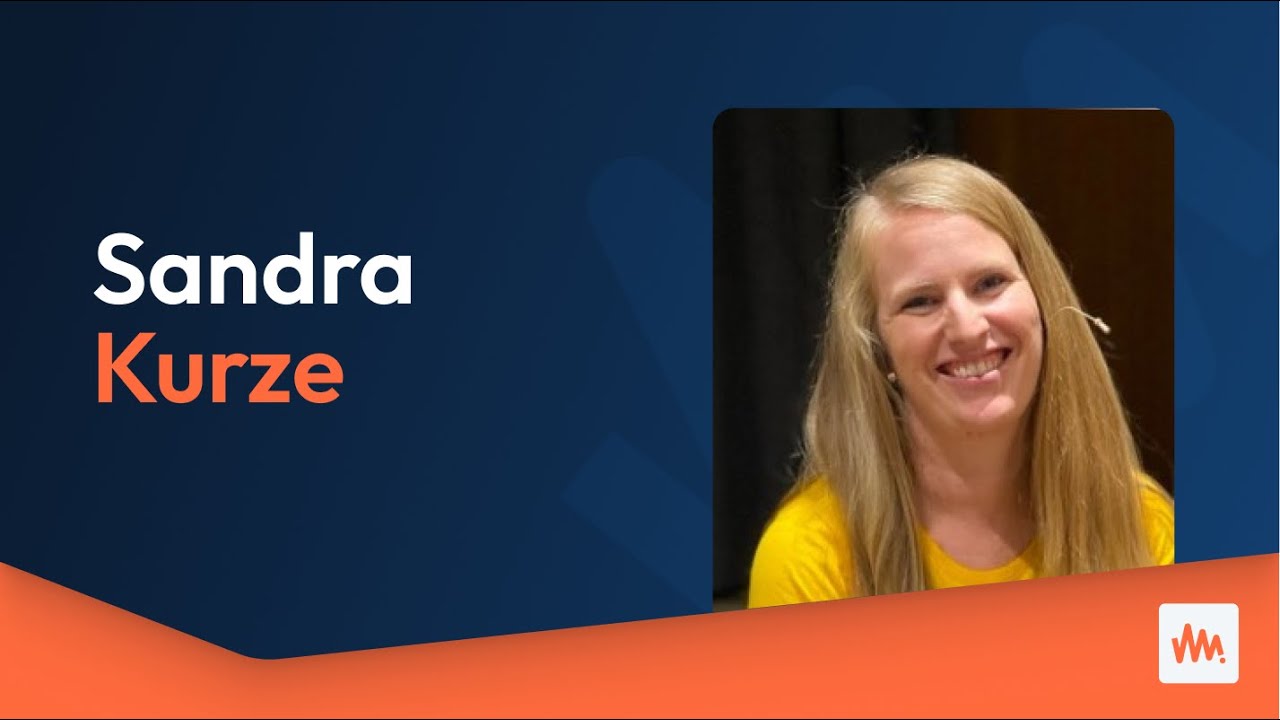
## Metadata
- Author: [[WP Minute Podcasts]]
- Full Title: Better Agency Workflows with Greyd
- Category: #articles
- Document Note: ---
tags:
- #WordPress
- #AgencyWorkflow
- #AI
Author: Matt Medeiros (interviewer), Sandra (Greyd)
Source: WP Minute Podcast - Better Agency Workflows with Greyd
Reference: [YouTube](https://www.youtube.com/watch?v=ef09zFFTurw)
date created: 2025-07-28 07:00
---
# Title: Better Agency Workflows with Greyd - WP Minute Podcast
## Table of Contents:
- [📝 Summary](#-summary)
- [📖 Main Content](#-main-content)
- [🗒️ Notes](#️-notes)
- [📖 References](#-references)
- [🗣️ Paraphrase](#️-paraphrase)
- [📰 Newsletter](#-newsletter)
- [✅ Action Items](#-action-items)
- [🧪 Hypotheses](#-hypotheses)
- [📊 Methodology](#-methodology)
- [❓ Questions](#-questions)
- [🔮 Future Research](#-future-research)
- [💡 Implications](#-implications)
- [🧠 Learning Styles Assessment](#-learning-styles-assessment)
- [📊 Accessibility Assessment](#-accessibility-assessment)
- [🌍 DEIB Assessment](#-deib-diversity-equity-inclusion-and-belonging-assessment)
- [✅ Logical Validity](#-logical-validity)
- [🔍 DARVO Analysis](#-darvo-analysis-prompt)
- [🔍 SEO Evaluation](#-seo-evaluation)
- [🎯 Conclusion](#-conclusion)
---
## 📝 Summary:
This WP Minute podcast episode explores how Greyd simplifies complex WordPress agency workflows. Sandra outlines how their all-in-one suite integrates directly into WordPress core, enabling agencies to manage large-scale projects with synchronized assets. The conversation highlights balancing AI automation with human creativity, the economics of tool pricing, enterprise support needs, and the importance of building deep client relationships in an era of increasing automation.
---
## 📖 Main Content:
Greyd provides an integrated suite for agencies managing multi-site projects, focusing on efficiency, scalability, and reducing technical overhead. The discussion emphasizes:
- Streamlining labor-intensive processes.
- Offering enterprise-level stability without requiring massive teams.
- Ensuring personalized onboarding and support.
- Building sustainable business models with realistic pricing.
- Leveraging AI for adaptive, self-optimizing websites while preserving human design input.
---
### 🗒️ Notes
- **[00:06](https://www.youtube.com/watch?v=ef09zFFTurw&t=6)** Greyd's Position in WordPress:
- Active for 5 years, focused on freelancers and agencies.
- Pricing aimed at reflecting true value of professional-grade WordPress tools.
- **[02:07](https://www.youtube.com/watch?v=ef09zFFTurw&t=127)** All-in-One Solution:
- Direct WordPress integration without extra layers.
- Synchronizes assets across multiple sites for franchises and enterprises.
- **[06:30](https://www.youtube.com/watch?v=ef09zFFTurw&t=390)** Flexible Tool Integration:
- Compatible with other themes and plugins (e.g., Gravity Forms).
- Minimizes compatibility issues for complex projects.
- **[13:10](https://www.youtube.com/watch?v=ef09zFFTurw&t=790)** Enterprise Workflow Needs:
- Stability and trust critical for multi-stakeholder environments.
- Sustainable pricing ensures long-term availability of tools.
- **[15:12](https://www.youtube.com/watch?v=ef09zFFTurw&t=912)** Investment vs. Cost:
- Agencies must see software as an investment, not just a cost.
- Efficiency gains enable scaling without headcount increase.
- **[19:06](https://www.youtube.com/watch?v=ef09zFFTurw&t=1146)** AI & Automation:
- Automates routine tasks; human creativity remains irreplaceable.
- Future AI may handle technical implementation, freeing design focus.
- **[25:09](https://www.youtube.com/watch?v=ef09zFFTurw&t=1509)** Onboarding & Support:
- One-on-one support differentiates Greyd.
- Comprehensive onboarding ensures successful adoption.
- **[30:50](https://www.youtube.com/watch?v=ef09zFFTurw&t=1850)** Human Relationships in AI Era:
- Building deeper client relationships is key amidst automation.
- Trust and communication are foundational to success.
- **[32:44](https://www.youtube.com/watch?v=ef09zFFTurw&t=1964)** AI-Driven Self-Optimizing Websites:
- AI adjusts content dynamically to meet goals and target groups.
- Reduces manual optimization; continuous improvement via data.
- **[36:50](https://www.youtube.com/watch?v=ef09zFFTurw&t=2210)** WordPress Perception Gap:
- Community vs. actual user base often disconnected.
- Many customers unaware of WordCamps; focus on solutions over tech debates.
---
## 📖 References:
- WP Minute Podcast: [Better Agency Workflows with Greyd](https://www.youtube.com/watch?v=ef09zFFTurw)
- Greyd.io official site.
---
## 🗣️ Paraphrase:
1. *Original*: "Choosing software for your business is an investment, not just a cost. Look at benefits, not just the price tag."
*Paraphrased*: "Software decisions should be viewed as strategic investments; weigh long-term gains over upfront expense."
2. *Original*: "Automation frees up the 90% of work that's just labor, letting you focus on the 10% that creates value."
*Paraphrased*: "AI can handle repetitive tasks, allowing agencies to channel energy into the creative aspects that truly drive revenue."
---
## 📰 Newsletter:
🚀 **Agency Efficiency in Focus**: This week, WP Minute dives into how Greyd is transforming WordPress workflows. Sandra explains how their integrated suite helps agencies manage multi-site projects with ease, offering enterprise-grade support and AI-powered optimization. For freelancers and agencies juggling large client rosters, this episode offers insights into balancing automation with human creativity. [Watch the episode](https://www.youtube.com/watch?v=ef09zFFTurw).
---
## ✅ Action Items:
- Map Greyd’s approach to GoDaddy’s open-source contribution strategy to showcase enterprise-level workflow optimization.
- Explore potential integration of AI-driven self-optimizing sites within WordPress open-source sustainability initiatives.
- Use insights for educational content on evaluating software as an investment for contributor onboarding.
- Apply personalized onboarding practices as a model for new contributor mentorship programs.
- Align with OSPO goals by emphasizing sustainable pricing and long-term tool viability in WordPress ecosystem.
---
## 🧪 Hypotheses:
- Agencies adopting integrated suites like Greyd will scale projects faster without proportional headcount increases.
- AI-driven site optimization can reduce manual A/B testing by 50% while maintaining conversion rates.
### 📊 Methodology:
- Conduct comparative case studies of agencies pre- and post-Greyd adoption.
- Measure efficiency gains and client satisfaction via longitudinal surveys.
- Test AI optimization impact on multi-site networks with controlled variables.
### ❓ Questions:
- How can WordPress core integrate AI optimization without compromising open-source principles?
- What onboarding strategies most effectively reduce agency churn with complex tools?
- Can AI personalization maintain ethical transparency in user data handling?
### 🔮 Future Research:
- Explore scalability of AI self-optimizing websites in open-source environments.
- Investigate pricing models that balance sustainability with accessibility for small agencies.
### 💡 Implications:
- Findings could inform WordPress governance on AI adoption.
- May influence OSPO best practices for integrating enterprise tools into open-source ecosystems.
---
## 🧠 Learning Styles Assessment:
- **Visual**: Limited visuals; add flowcharts for multi-site sync architecture.
- **Aural**: Podcast format supports auditory learners; consider transcript with audio highlights.
- **Verbal**: Strong descriptive language; could add analogies for investment concepts.
- **Physical**: Include interactive demos of Greyd suite.
- **Logical**: Provides structured reasoning; adding data visualizations would enhance.
- **Social**: Encourages discussion via community use cases; expand with case study forums.
- **Solitary**: Add reflection prompts on agency workflows.
- **Naturalistic**: Minimal environmental context; include sustainability aspects of scaling.
---
## 📊 Accessibility Assessment:
- Ensure full transcript with timestamps is screen-reader friendly.
- Add alt text to all visuals in related materials.
- Optimize color contrast in Greyd UI document
- Summary: In this episode of The WP Minute+ podcast, Matt is joined by Sandra Kurze to discuss the unique offerings of Greyd, a comprehensive suite of tools designed for web agencies and enterprises. They review the challenges of enterprise projects, the importance of pricing and value in WordPress tools, and how Greyd streamlines labor and enhances efficiency in web development. The role of AI in future web development is explored, along with the significance of building strong client relationships. Greyd's support and onboarding process are highlighted, and the conversation concludes with insights into Greyd's expansion into the U.S. market and future goals.
- URL: https://www.youtube.com/watch?v=ef09zFFTurw
Sandra from Grade, welcome to WP Minute.Hey man, thank you for having me.We chatted a couple of weeks ago and yousaid something that you haven't donemany podcast episodes solo, butyou've done some WordPressmedia, right? Like in person and stufflike that. This isn't thefirst podcast that you've done.I think it's actually the first where I'mbeing on the other side. Um, you mightknow that we started our own GreatConversations podcast a couple of monthsago and I've been in there but mainly asa host. I'm used to being on stageand giving talks and all that, but thisis actually my very first podcast.
Grade has been around for a while,which is kind of weird tosay. It's probably what you're in yourfifth year. Yeah, I mean officially wewere founded in 2018, but we reallystarted selling the product and beingpart of the WordPress community aboutfive years ago.
Iremember when Grade came out and alot of folks were like, "Wait, how muchper month?" Like, "This doesn't make anysense to me." And I sat back and and II was actually trying to find it. I mighthave said it in one of the live streams that I haddone when Grade first came out. Icouldn't pinpoint it. I thought it was apodcast episode, but I was like, "No,coming from the world of where Iused to work at Pagely and enterprisehosting and stuff like that, and justbeing in the ecosystem for a while, likeprice point and all this stuff, we've all been saying,"WordPress is far too inexpensive at thebottom." A lot of this stuff is,agencies and freelancers are superdependent on the software that they’re using, right?
They’re running their business. They’rebuilding WordPress websites. And Gradeis trying to position themselves, and haspositioned themselves as a piece ofsoftware that’s critical to freelancers and agencies.But for the folks that don’t know anything aboutGrade and what the product is, how doyou differentiate in the market? How doyou set yourself apart when it’s notjust a plug-in, it’s not just a theme?Yeah, kind of the name already sayswhat it is. Our product is anAn entire suite of tools for webagencies and enterprises. In theory,anybody building and managing websitescan work with great ease, but youwill have the most benefit. Wedifferentiate ourselves the mostwhen it comes to high volume websiteprojects. What distinguishes us fromother solutions in the market isreally this all-in-one approach. So we do
have page building features, butunlike, for example, page buildertools, we don't add an additional layeron top of WordPress; instead, we integrate ourfeatures directly into the bloginside of WordPress. It's not just apage building tool — we have managementfeatures, and most importantly, we havethe ability to connect any number ofsites with each other, no matter whetherthey're single sites or multi-sites. They can bedifferent hosting environments, allowing you toconnect these sites to each other andsynchronize assets across any number ofsites. Assets could be content, posttypes, structures, forms, templates,or whatever kind of posts. That is whatenables you to build these largescale website systems, like you would seefor example, with franchise clients.
Or universities with hundreds ofdepartments or locations that all needtheir own website. You kind of need tohave central and global control over acouple of things like the design, legalinformation, certain parts of thecontent, but you still want to beable to make local changes as well. Thatuse case or another example would beprobably a big enterprise with a lot ofwebsites and landing pages, and theywould need or want to have a centrallibrary of dynamic assets whichthey could use to really speed up thecreation process of spinning upnew sites, and again having synchronizedassets. So when they change a certaintext or their design or whatever, theydon't have to work on hundreds of sitesand just click it once in the library,and that will be published to all theirsites.
I think there's a particularformula that gets lost in thetypical WordPress community member,probably the one that's listening rightnow where we love WordPress and we'vebeen in WordPress for a while, and eventhe folks that have only been here for thelast five years.
Certainly, those that have been here for20 years, like we, love the fact that wecan take WordPress off the shelf and wecan do whatever we want with it. I can,as someone who works atGravity Forms, bring inGravity Forms. I can bring in all ofthese plugins, page builders,other block plugins—anything that doesall of this functionality. We love itbecause of its bespoke nature—we can build anything that we want.And I think that that is a core, um,power of WordPress. ButI also think that that’s also for acertain—well, a certain agency, a certainfreelancer, a certain type of person whowants to do all that. And the message ofwhat Grade does is, “Hey, that’scool. You can bring in all theseplugins, and I’m sure there areplugins that work with Grade, and it’sthere’s also an ecosystem there.” Butthe fact is it’s giving somebody afoundation, a blueprint that’s like youdon’t need to go geteverything; it’s all here.
We’re supporting that, andthe long-term business owner inWordPress can sometimes, like,Don't see that because they’re like, "I've always built everything fromscratch. Why would I use this?"Well, because some businesses want thatblueprint to be done for them. Noteveryone wants to go scouring for a newfeature every single time they’rebuilding a WordPress website. Is thatthe general consensus that you getfrom your own customers to say, "Yeah,we're just happy to use these tools. Wedon't want to go searching for a bunchof things."Um, there's a couple things to that. So,first of all, we don't stop you fromusing the tools that you want. That'sone of the big benefits from working asclose to WordPress core as possible isthat we are also compatible with all theother tools that are doing the same. Sofor example, um, Greyd comes with ablock theme, but you don't have to usethat. You can use whatever other blocktheme or even non-block theme thatyou want to use and can still go withthat. Same for forms. We have a built-inform generator, but you don't have touse that. You can also add other formbuilders like Gravity Forms to thatif you want to do that.
Behind having one integrated solutionis when it really comes to more complexprojects and also projects that maybedo not just cover one website but maybedozens of websites. Then, the more toolsthat you combine with each other, themore issues you're going to have. Theremight be compatibility issues, pageissues, whatever. And even if there areno issues at all, there’s still a lot ofmaintenance work to do. And all thatwe're doing at Greyd is targeted atincreasing efficiency, enabling smallerteams to handle more complex and biggerprojects, probably to also enter the
enterprise market, which is reallyan interesting one. It’s also verydifficult for a small agency totarget because usually what wouldbe required would be to also grow their team inheadcount for these kinds of projects.With the approach that we are offering,one integrated solution where everything fits perfectly together,it’s also one solution, so you don’thave a bunch of different tools thatalways have an effect on yourcode. Um, for example, performance.It's just one integrated solution.
Solution. And I, as I said, I completelyunderstand if you have a favorite toolthat you have been using for yearsand you want to go on with that. Wedon’t stop you from doing that. You cancombine most of the tools with Grad.You’re just fine. What makes, in Grad’s perspective,what makes a project an enterpriseproject or a big project for like whatGrad's suite of tools solves really well?
I think, again, for the freelancer orthe WordPress professional that might belistening to this, it’s numbers first and foremost, right? It’slike, oh, it’s a $50,000 project, butwhat does that mean? Like, we knowthat it’s a big number, but what does thatmean? And just to give youa second to think about it, I remember landing my biggest projectat my agency, and it was just a veryunique solution. They were usingWordPress as this intermediary tomobile apps that they were distributingthrough hospitals and othermedical facilities. And WordPresswas really just the great place tocreate the content for all of theireditors.
Researchers. Very nice interface,obviously web-based, and it would justtake that content, and we help them takethat content and send it out to the mobile apps and to this othersoftware. Um, I guess you could say yourtypical WordPress headless experience,but it was very custom because we’rebuilding it into their network of servers. Um, that was abig project to us, but big projects couldvary. So how does Grade solve it fortheir own customers to say, "Here’s howyou can tackle these big projects, andwhat are those big projects?"Um, yeah, well to be honest, we also have aquite loose definition of what we see as
an enterprise project. Um, I mean it couldbe different things. Could be the clientjust literally being an enterprise andcoming with a lot of differentrequirements. Also, probably differentkinds of sales cycles, and also, um, thesetypical, like real enterprises areoften the ones who struggle the mostwith buying WordPress because there’sjust not one product they could buy.They have WordPress, they have thisplugin, they have that plugin, this, this,and this.
Them to compare what they get inWordPress to what they could get from, Idon't know, Headline CMS or somethingwhere they really buy a product. Sothat's kind of enterprise, but also whatwe also see as enterprise projects isreally big and complex projectsinvolving a lot of websites. Um, someexamples, like I said, would be franchiseswho don't have to be like literallyfranchises, but the moment they have likelet's say more than 20, 25, 30locations that all need their individualwebsites. Um, that's the point where youusually get into trouble when you startbuilding all that as individual sites
and then imagine just a smallchange. They have like, I don't know,either a rebranding or they have a newoffer, and you have to get this offer andall these 30 websites that might stillbe working, um, depending on how muchstaff you have. But it's a lot of manualwork. And what we enable you with thisum, approach of centralizing websites,managing them from a central place andnot just the website itself, but alsotheir assets and having themsynchronized and connected to each other if I could push that new offer to allThose 50 sites, or 200 sites, or even1,000 sites with just a single click.
And that's where we bring in thedifference, because usually when you'rebuilding these kinds of projects, itstarts by the requirement of most of thetime. You either have a lot of customdevelopment, like you mentioned inyour project, or a hated CMS whichalways requires you to have a lot ofstaff or technicalexperts. We enable you to do thatwith designers. We enable designers andmarketing people to do the kind of workthis usually would require much moretechnical-focused resources.
Yeah, there's always, you know, when yousay things like synchronize content andI'm just looking at the pricing page of Greydto kind of set the stage for this next question.But enterprise pricing, I mean, enterprisepricing is ridiculous, right? Like Imean, I think some folks think enterprisepricing and they go, "Oh, it's a fewhundred a month." But when you getinto the enterprise, it's crazy thenumbers and the contracts. A lotof it is inflated, I'll say,There's so much at stake.
There are so many people. There are so manydepartments. There are so many stakeholders. This is why thesenumbers get so big, all to do thesimplest thing. The thing, like yousaid about, well, one website needs apiece of content. Let's say it's a bigsale, or it's like this bigpiece of information that everywebsite in the organization needs. Thetypical WordPress freelancer goes,"That's easy! I can just, yeah, I can justwrite this little plugin andit'll work. Um, until it doesn't.
And then that enterprise says, "What didyou do to the site? Why isn’t the sitegetting all of this? All of our sitesare getting this information. It is acritical component, and in the enterprise,those things need to be stable. Um,like I was saying, your price point: $79 amonth, $299 a month, $4.99 a month. Ifyou're selling into the enterprise, thisis a fraction, probably, of your contract.
Even this isn’t insanelyexpensive for the insurance policy thatyou're getting, right? And I thinkthat's a thing that a lot ofWordPress folks need to kind ofRecognize is like trading this trust inyour software so that your client isgetting that same feeling of trust withyou. And it's like this sort of domino effect;we all trust each other here and I'm using trustedsoftware. And I think that's whatyou're trying to bring to the table here.
Yeah, but I wouldn't just limit thatto enterprise. I mean, you alreadysaid in WordPress in general, we havethe issue that a lot of great tools arejust way underpriced, which might seemlike a good thing from a biasedperspective. But if the providers willnot be able to make a living out of thattool, chances are high that toolmight not be there in two, three, or fouryears. And you have built your businesson that, and you know how it goes. Theother thing, and that's probably the moreimportant one, is that a lot of folksin the WordPress community, especially when it comes to smalleragencies and freelancers, they, when theylook at tools, they just compare the cost.
They see, "Okay, I can get a theme for 50bucks, or I could get a great tool for 70bucks a month." Okay, I'm going toObviously, I'm going to take the cheaperone, but what they don't take intoaccount is that at least 75%of their cost of building websites isactual labor, the work of doing thedesign, building the site, and gettingall the plugins and whatever they need.
And if there's a solution that enablesyou to streamline all these processes tobecome much more efficient, to probably dotwice or even more projects in thesame time, then you also have to takethis into consideration. If you're onlylooking at the cost, you will justalways go for that 50-dollar theme, butyou will probably also not grow yourbusiness. It will always stay there. Ifyou want to look at it differently andsee how you can increase your margins, howyou can get more clients in the same timewithout needing to hire more peoplein your agency, which is usually the onlyway to grow your agency
business. In most cases, the onlyway to do that is by hiring more people,which again comes with more cost and allthat. If you want to do that withoutgrowing in headcount, then you need toinvest in tools, and I really, I use theword "purpose." Choosing softwareRunning your business is an investmentand an investment should never be, um,looked at just in terms of the cost. Youshould always also look at the benefitand see what you get out of that, andwhat are the costs. Then take all thisinto consideration and compare theproducts.
I want to unpack this labor side ofit because it is something that is,um, again, I'm just pulling on my ownexperiences. It was the same thing likebusiness started to grow. That's a greatthing, right? More clients, hey, weheard about you. We want to hire you.You did good work. We saw you do thisother website. We want that too. It'slike awesome. Let me help you. We'llhelp you build this website. Assomebody who was running the agency,right, I was just sales and, andmarketing, and, and just like helping growthe business. I wasn't actually buildingthe websites any longer, you know, five,six years into the business. Well, theonly thing I could do was hire somebodyelse, right, and like bring them on. Um,and not only is that a huge expense, butthere's that wholeresponsibility learning curve.
Responsibility.Yeah, responsibility and, yeah, theresponsibility of like now I have tobring on somebody and healthinsurance, taxes, like all that stuff.Um, but the learning curve is somethingthat you don’t, uh, that you don’t reallyexpect because you’re thinking, "Oh, it'sjust WordPress and we have a waythat we build websites and certainlythat's just an easy thing. I hiresomebody that knows WordPress, I bringthem on and they will just go andstart building websites for me and it'llbe profitable." But it never works likethat because your agency has a process.Now Grady helps with that, right?So help me unpack what that labor part isfor you.
Um, yeah, well it's just streamlining forexample, building a website. Um, most ofthe time, I mean, there's the design partwhich is kind of individual. There's alot of creativity in that, but as soonas you cover that, it's just likebuilding the sites, putting thecontent in there, um, setting up theinstallation, taking care of like thego live and all this, and that's notReally, the part that distinguishesyou, the part that distinguishes you, is likethe 10% — the creativity you put in — andall that. The rest is just work. Andwhat we are trying to do is help youstreamline that part, which is just work,and make you more efficient there.
We enable you to do a lot more ofthat, automate a lot of that so you canfocus on doing more of that 10% thatactually is responsible for the moneyyou’re earning. Um, with all the AIdevelopments that we’re seeing at themoment, I think this becomes even morecrucial because this just work part— that’s the part where probably AI mightbe your biggest competitor in thefuture. That 10% where the creativity,like understanding theclient and, um, bringing that —translating that into a great website orwhatever kind of design or creative artwe’re looking at. Um, I don’tthink that AI will be replacing that anytimesoon. But the actual, okay, just build it,
just like turn the design into an actualwebsite kind of stuff, that part willchange drastically in the next couple ofyears. Is it fair to say that an agency ownerYou could hire somebodywho's more junior levelbut on board with the way that Gradehelps them build websites to sort oflevel them up faster. Um, so inthe event that person leaves the companyor, you know, whatever, they don't work out,you have this foundation where you bringon new people and it's like, "Hey, youdon't have to start from scratch. Justbuild with Grade, and we'll teach youGrade and how it all works together.
But this is the way we do it. This is theprocess we use. Do you think it helpsat that capacity? Um, kind of. I mean, ifyou want to offer great design, youobviously still need great designersbecause we don't do the design for you.So on that part, I would say no,but when it comes to more technicalresources, um, I'm not saying you don'tneed developers anymore, but um, I'm suremost of the developers listening willagree that they would rather be workingon actual development work andreally developing something great andsomething new rather than taking care ofbasic tasks of maintainingsites, probably not updating sites, butcreating staging environments.
Like go-lives, migrating domains, and all these kinds of things. For that part,you shouldn't be relying on these very expensive resources. Not justexpensive resources, but also resourcesthat are just not available on the market inthe amount that you would need them. So,um, you can look at it from differentperspectives. You can say, okay, I have acertain team; I don’t want to grow theteam, but I want to grow the business.That’s one way to approach this. Butalso what we’re seeing in a lot ofenterprises, for example, is that theyhave already reduced their team due tocost factors. And now we, for example,have one client, a huge German enterprise,and they used to have a huge teamof tax specialists, marketing people,designers, and now it’s only themarketing team with a couple ofdesigners who have to do all that work,
taking care of all these hundreds ofsites. They don’t have a lot oftechnically sophisticated people anymorein the team, but they still need to beable to do all that. That’s another wayto look at it. And alsowhat we’re seeing in a lot of largeScale enterprises, as they do, have allthese developers, and they are able todo a lot of custom development. However, theway they're working is also veryexpensive. So, they can only handlethe really high-end enterprise projects. Theywould like to take onsmaller projects for around 50k, but theycan’t do that because theirworkload is just too expensive. Theywouldn't earn any money with that.
So, that's a different way of looking at it. Thereare a lot of different perspectives here.It really depends onhow your team is structured and whatkind of projects you want to build.However, that’s definitely part ofwhat we’re offering.
Is any of the Greyd suite a SaaS productwhere somebody is hooked intosomething, and it’s treated morelike they had a HubSpot accountor something like that? No, it’s stilljust a regular plug-in.I mean, it's optional, and thesuite — the entire functionality of thesuite comes with one or, depending onyour plan, it also includes two or three plugins.
And it's completely based on resources.I notice in the middle and in the highertiers, customers can get onboardingand one-on-one support. What does thatlook like? First of all, it'smind-blowing, right? Because I don’tknow of any other plugins orWordPress software, except formaybe like VIP from Automatic orsomething like that. Evenat Gravity Forms, we have really great support, but wedon’t do one-on-one or onboardingcalls. Um, so what does that look likefrom Grad's perspective? Well, um, onething is for the kind of projects thatyou can build with Grad Suite. You
mentioned a couple of things beingreally anti-enterprise, relyingon your work and your tech stack to justfunction. Um, so in case you’re runninginto any issues, you need to havepersonal support. Um, and that’ssomething that is really highon our agenda because we’re convincedthat this is also a big differentiator.Like I said, usually in the WordPressecosystem, you put your tech stufftogether. We probably have some customPlugins can lead to issues, and some of these pluginsmight not even offer any kind of support.
You could write a ticket, and if you're lucky, it will get answered.But what you really need in this situation, especially if you also havecontracts with these enterprises in the background, are people who can addressfinancial implications when they arise.
You would want someone who hops on acall with you, looks into the back end with you, and helps you figureout what the issue is and how to solveit. That's the kind of support thatwe offer in all our subscriptiontiers. This is also one of thereasons why we are more comprehensive thanthe average plugin solution for anykind of tool that you are building.
Onboarding is essential because we realizethat Greyd is a very comprehensivesolution, and there’s a lot to learn. Depending on the kind ofprojects you’re building, the process may change.We have realized that people need help with these kinds ofchanges, and they need properOnboarding to really gettingstarted with great suite and seeing thefirst successes. So we found that whenwe're actually accompanying the clientthe customer with their first greatsuite project, then that's a good way forus to make sure that the customeris happy with the tool and
is going to continue using it and canactually get the benefits out of it thatthey expected. And for the client, it's ahuge relief because they don't haveto build that first project on theirown. They always, I mean, they ofcourse have the support. They cancontact at any time, but the onboardingis even more intense because they havea dedicated person who's availableto them who has several one-on-oneappointments with them and really helpsthem get the first project running.
Yeah. And you know that's one of thethings that I urge every agency to doright with their customers. Like theworst thing that can happen, and I'mguilty of it too, is that you make a saleas an agency owner. Like you make asale, you land a project, not a massiveproject, but at the start of it you'reLike, "Hey, this is pretty good. It's, Idon't know, $5,000, $10,000, maybe $15,000, and you'relike, okay, this should be good,right?" And then things start goingsouth because maybe the client's askingfor stuff that you didn't agree to.
Maybe you took on a little bit of workthat was like, "Oh, I thought I coulddo this." Like, "I thought I couldfigure this out, or I thought my teamcould figure this out in, you know, 20hours, but now we're at 25 hours, and I'mstarting to dip into some of thatprofitability." And what happens is thenthere's a lack of communication. You don'twant to talk to the customer, the customerdoesn't want to talk to you. All of thatstuff starts to unravel, and if there'snot clear communication, this
clear delineation of who'sresponsible for what in the beginningand when, that's when I've seenthe projects be the worst, right? Likewhen you're not keeping up or you'rejust simply not keeping up with thecustomer, and the customer is like, "Hey,what's up? You know, I paid youa lot of money. Why haven't you given mean update?"You know, not taking phone calls and all this stuff. When you can be clear and upfront with customers, I think that's going to be one of the most critical parts of success.
And even actually, the more you communicate, the better it'll be when something happens. Like when you're like, "Hey, by the way, I think we are going over budget. I think maybe we need to kind of revisit this feature you wanted us to build and it's going to be a little bit more money."Had you been communicative throughout the whole process, the customer would be less stressed, you know, during that time, and so would you, in fact, because you've built up a relationship.And I think that's a super smart move. It's also a very great opportunity for you to actually get to know your customer and really understand what they are trying to get out of the product in our case, or in the case of the agency of a project. Um, and that offers you also additional opportunities.So, for example, if we have a customer on our smallest tier, if you wouldn't talk to them and didn't listen to them and realize that theyProbably, customers have needs that their currenttier is not 100% meeting. We wouldprobably never get into a conversationwith them where we could tell them, "Sohey, we also have another tier. It’s alittle bit more expensive, but it offersyou exactly what you would need tounlock this, this, and that." AndI mean, this is active
sales and active talking to the customerand getting to know them andunderstanding their needs. Thealternative would just be like givingthe product out to the customer and letthem do their thing and just hope thatthey're doing it in a way that, uh, theproduct was built and they're happywith it. Probably, they will contactyou again and upsell or notcancel their contract.
From our point of view, what's reallyimportant is being really close to thecustomer at all times to be able tohelp them, but also to identify possiblefuture opportunities for both you andthe customerin the face of AI. This is like the mostit's the only thing that I can figureout to even for my own business with theWP Minute, as we do sponsorships andStuff. It's the only thing I think Ican add is how can I deepen therelationship with my sponsors andthe members. Um, I don't know anyother way. Yes, we can all get moreefficient with AI. We can build morestuff with AI. Um, there will be atime when maybe your customer, too, isgoing to be like, "Hey, I've got AI onmy WordPress website and I’m buildingstuff, and I just need you to come inand, you know, do like this 20% that Ican't figure out." Um, deeper humanrelationships is the only answer I haveright now. You know, halfway through2025, it's just like, I got nothing for you.
We just all have to be friends and dobusiness together because I got nothing.Like, I got no solution. Uh, you know,it's not better advertising. It's not,you know, make your developers 30% moreefficient with cursor and build thiscrazy tech stack. For me, it's just like mybrain's not even thinking beyond thatother than build relationships withthese customers and serve them as bestas possible. That's it. Having said allthat, what do you think about AIin WordPress these days? What's what'sGrade doing with AI? If you couldtalk about it, if there's something inthe works. There actually is a lot in theworks. We haven't talked about it a lot yetbecause it's still being developed, but of course, we're alsoworking on AI. We're actually evenfunded by the German government for our AI developments.
What we've seen is that a lot of tools, or a lot ofcompanies in the WordPress ecosystem atthe moment are focusing on streamliningthe creation process, like helping youwith content tasks or somebasic tasks, like having all theaccessibility requirements met and allthis kind of stuff, gettingfaster from the design you've created toan actual website. So we decided to notwork on that because there arealready great companies outthere doing exactly that and probablycompanies with a lot more money than wehave. So we decided to go one stepdeeper. We're actually working onself-automating websites because at themoment, what you do is you build yourwebsite, you have certain target groupsin mind, and probably certain goals.
In mind, you build the website in away that you think these goalswould be met best. Then, probably, youdo some A/B testing, and then you make somechanges. There’s a lotof manual work in that, and that’s thepart where we bring AI in. So, imaginethe AI knowing about the target groupsthat you want to target with yourwebsite and the goals,not just one, but probably several goalsthat you want to achieve with yourwebsite. And then, with Great Suite,you don’t just build onewebsite; you build a lot of dynamicassets that together get a website.
So the AI can automaticallyadapt the front website and the frontend based on some rules that youhave set. It can say, "Okay, based on thebehavior that I’m seeing from thisvisitor at the moment, this visitorprobably belongs to target group A or C.
With this target group, we want them,for example, to download a white paper orsomething like that. So the websiteautomatically adapts itself tothat particular target group and thoseparticular goals, and auto-optimizes.
Themselves over time gathering more dataand all that. And of course, the websitewill not do just anything. There, ofcourse, have to be restraints, and theserestraints could be like it has to stayin a certain design or probably, um, allthe AI is allowed to do is reorganizing stuffand not creating newstuff. Or for example, you could also sayI don't want to have the AI doanything on its own. I only wanted it tocome up with suggestions on how tochange the website, and that's what we'reworking on at the moment.
Nice. Is that going to be, and you know,you don't have to—we won't hold youtoo hard on this one, but is it goingto be part of the grade suite, or is itgoing to be a separate tool thatsomebody can sign up for?I mean, we haven't decided yet on exactlyhow we price it and which plan itcomes in or if there will be anadditional plan, but it will be part ofgreat speeders.
Yeah. Nice. That's awesome. Um, when doyou think—again, it's nothing setin stone, but when do you think it’sgoing to be available?Um, I mean, we're actually working alreadyOn it and for us, the project comes inseveral steps. So, the first step isobviously to have to build an AI that isable to understand, create, and be ableto use it. Um, so that’s what we’redoing at the moment. So we alreadyuse it for ourselves, and the firststeps are to use it also in thesupport to assist there. The nextstep will be having a backend AI
assistant that helps you do all thestuff that you currently have to domanually and just tell it, "Okay, I need acustom post with these taxonomies, and I want this to besynchronized about these websites. Build that for me."And the last step is this auto optimization where thewebsite itself performs certaintasks on its own. Um, the firsttwo parts are probably something that wemight be able to release this yearalready, and the last partwith the self-operating websites willbe released next year.
Nice. Um, I want to talk about theI want to talk about WordPress. I want totalk about how your market, um, we weretalking before we hit record. Greyd'sabout to embark, and you specificallyOn this really cool and excitingopportunity in the US market, and Ido want you to describe what's goingto happen with that. But first, like inyour part of the world in Munich, andfor your customers and your team,how do you seeWordPress in your culture? I feellike a lot of us in the US are a lot ofdrama queens. We love to talkabout all the stuff withMullenwag, and we're like, "Ah, of course,look what's happening." You know,here he goes again with more MattMullenwag drama. But I'm really worriedabout the perception of WordPress.
Well, because of things like the WPEngine versus Automatic lawsuit, butalso, okay, we got AI, we havestrong competition from other marketplayers. How are people feelingabout WordPress? When you say that, "Hey,we're great and we help people buildWordPress websites," do they go, "WordPress"or do they go, "WordPress?"What's it like when you talk aboutWordPress in your part of the world? Um,I mean, first of all, the interestingthing that I learned—I don't know ifthis is an international thing orProbably also European or probably alsojust a German-speaking area thing,that the WordPress community, the peopleattending WordCamps and being aware ofall the drama that has beenhappening in the last couple of monthsand the actual customers of us, like theactual users, the WordPress agencies, theykind of are two completely
separate groups. So when we startedgetting into the WordPress community andbeing active there and attendingevents, the first thing that werealized was that almost none of ourcustomers knew about any ofthese events. So probably,90% of our customers havenever attended a WordCamp andprobably didn't even know that itexisted. Because they're buildingtheir entire business on WordPress, butthey're not really into theWordPress community and everything thatcomes with it, like the WordCamps, theWordPress meetups, or all thecontent formats out there targeted atthe WordPress community. Theyjust haven't heard of that. As a result,many of them probably haven'teven been aware of everything.
That's been going on for the last couple ofmonths. And the way wesee it, I mean, we're selling aWordPress solution. And, of course,we're also talking about that it'sWordPress-based, and we're targetingdifferent folks. So one kind oftarget group is the people alreadyworking with WordPress, and we are justanother solution that we're presentingto them. So we don't have to convince themto use WordPress because they arealready WordPress agencies, for example.
The other folks are those who areactually looking for a solution to aspecific problem. For example, thatfranchise who needs to maintain all those 300 to 500 siteswith fitness studios and have fitnessclub owners maintain the local content,who have no technical knowledge at alland they are not that interested inwhat solution or what technology this isbuilt on; they just need a solution forthe issue or the problem. In the end,at some point, there is adiscussion on what thetechnology is, and whatopen source means, and all these kinds ofQuestions depend on the client, butfor them, it's really about, "Do I get asolution that fixes my problem, or thatenables me to do the business that Iwant to do online?" Um,so yeah, that’s the book here.
Yeah. And, uh, so I'll give you theopportunity to talk about, uh, this newexperience you’re about to embark on. Um,somebody somewhere said WordPresssaw Grade, saw your application, sawthat Grade helped WordPress, and theywere like, "Well, still relevant, stillcool. So let’s get them into thisprogram." So what is the program thatyou're jumping into? Uh, sothat folks can know that Grade is alsoleveling up their game as well.Yeah. Um, we are actually, um, we have beenaccepted into the German acceleratorprogram. It is probably one of the mostprestigious programs for companies likeours, um, who have a certain trackrecord, also in their, uh, already in theirhome market, and now want to expandthat to a foreign market, like inour case, the US. And, um, by expanding, Iand internationalizing, I don't just meanthat we want to sell there. I mean wealready do that and we do it perfectly.
From Germany, there’s no need tofund an entity there.But for businesses who really want tobuild key services also in the US,for example, salespeople, but alsocustomer support, being able to offer24/7 support all over the world thesekinds of things. This is actually, I think,they do that three times a year, and in thecohort that we are in at the moment, it’sonly six companies who have been selectedto be part of that. The program goes over,I think, three months, and it’s three monthsof highly valuable, dedicated, and tailor-made mentoring just for how to access theUS market in terms of a lot of factors.
Like if you want to find an entity, where’s the best place todo that in terms of access to employees,access to clients, with all kinds of tax,legal, and financial considerations.
But also in terms of sales and marketing,how do you need to adapt your marketing strategy?In the US, there’s a lot of targetgroups that just don’t exist in thatThere is a sense in the European market. So forexample, we do have franchises, but afranchise business in the US is at acompletely different level. And also, forhigher education, I mean,obviously, we also have universities, butin the US, it's completely normal forone university to have like hundreds ofwebsites and probably also like dozensof different hosting partners andall these kinds of things. There are the same target groups that weare already tackling here, but to a muchbigger extent. And for that, wejust think that we need to be thereand not just do everything from Germany.
Yeah, for sure. And that might meanopening up an office in the US,probably. Yes.Hopefully not just Mark Zamansky sittingbehind some deskpicking up the phone, some 1-800grade number. It's just MarkZamansky picking up and walking you throughhow to set up a tutorial. Uh, no, it'sfantastic. Um, I mean, I'vetalked to many WordPress companiesbefore, and actually, I should ask, andthis probably also opens up the doorfor investor opportunities, I would imagine.
As well,probably. I mean, that's probablyalso what makes us a little bitdifferent from a lot of companies outthere. Also, in the work-basedecosystem at the moment, we are 100%bootstrapped. We don’t have anyinvestors on board at the moment; we havefinanced the entire development ofCrates the entire Crove until hereout of our own pockets, and we’vereally enjoyed that because itgave us 100% control over creatingexactly the company that wewanted to create, without the pressureof having to grow at a
certain pace, for example. Um, itdoesn’t mean that we’re not open toinvestments because there might besituations in the future where growthand scaling require us to takethat into consideration.So, yeah, this is definitely also partof the program.Yeah, that’s fantastic. Um, I wish youall the best of luck coming out tothe US, of course, going through thisprogram and everything with Greyd.Where can folks go to say thanks?What website can they visit? Where canThey find you online?
Uh, it's great.io.There's also a free video on there, a50-minute video on there walking youthrough what great has to offer.There's also a free download there.And of course, there is also the possibility toget in touch with us., Better Agency Workflows with Greyd, WP Minute Podcasts, 01k18e5rjevwv7p5qknhjawe14.