Can WordPress Keep Up With AI?
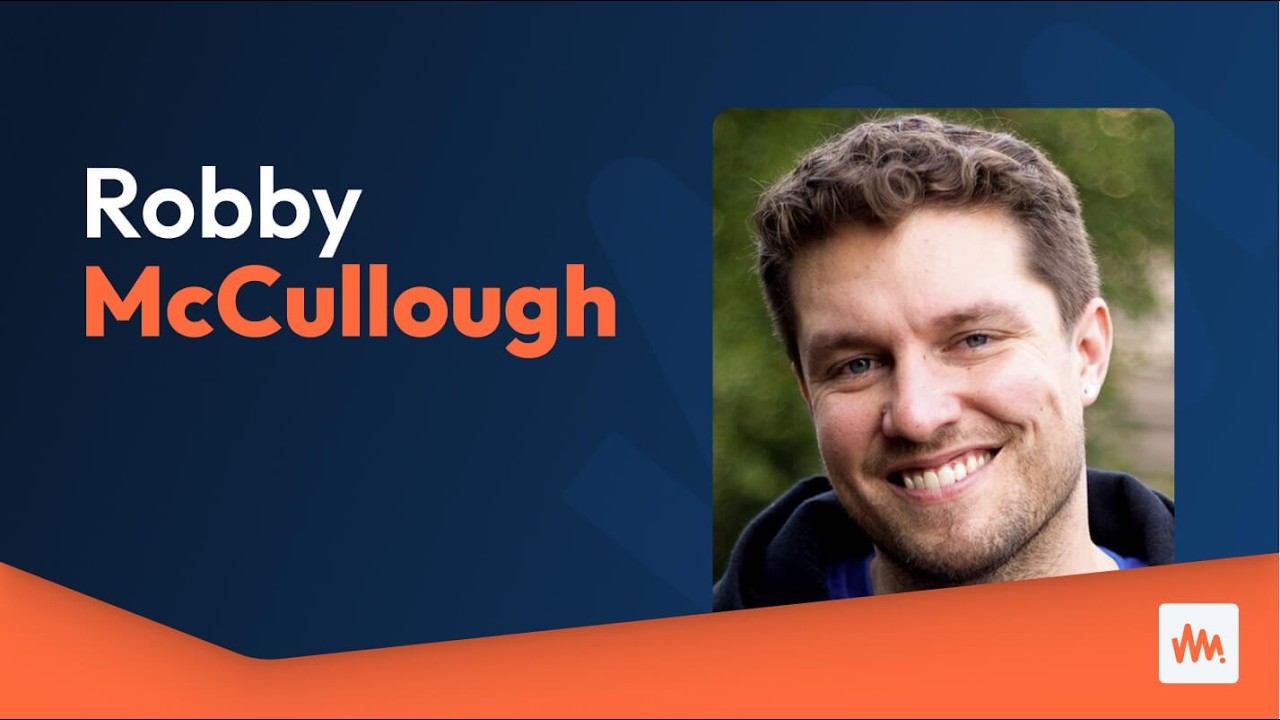
🔗 **Source:** [Can WordPress Keep Up With AI?](https://www.youtube.com/watch?v=fhMAXR9KkT8)
Welcome back to the WP Minute. Today, Robbie from BeaverBuilder, a friend of mine. We go back decade plus when we used to be uh uh competitors uh for like about five minutes. Uh just about five minutes. Uh and then Robbie did some wonderful things with BeaverBuilder. Uh Robbie, excited to have you here. >> Hey Matt, thanks. I'm excited to be here. Lots of folks want to know what's happening with uh BeaverBuilder and AI stuff. I saw that you did have a uh an
email come out uh quite recently, probably right after I think press conf, right? Or maybe right before press conf um talking about your efforts with AI. I want to get to that. I want to put you on the hot seat first because I think you can take it. >> What happened with that other pl that other product we were building uh the other one there? Um what was it? I thought it was a fascinating it was like a manager add-on system. Tell me about it. >> Assistant Pro. >> Assistant Pro. That's what it was because I was thinking to myself, this would tie in great with AI.
>> That's the hot seat question. Okay, that's fair. Yeah. Well, Assistant Pro is still up and running uh live and well. It's It didn't So, let me Yeah, the story Okay, the idea of the product was we had BeaverBuilder, the page builder, and we wanted to create an adjacent brand that was uh hosted space for page builder designs and templates. If you were building a page, the idea was you could like save it, upload it to a cloud, and
then pull it down on your other sites. So you could reuse design assets and it would also make it a lot easier to work in like a staging, development, deployment workflow because you could be working on a page builder on your staging site and then easily sync up or down or left or right. And the reason we did it on the adjacent brand was because we thought at the time that that technology or that you know
process would work with other page builders including Gutenberg which was you know or the you know the block editor at the time was sort of it was during that existential time the one of the other existential times that page builders have had and we thought well let's build this under a separate brand let's make it like you know a beaverbuilder first experience. experience, but then open it up to all the other, you know, builders and core WordPress. Um, so, okay, that's the backtory where it's been now, you know, it's still humming along. Uh, I think if we were
going to start over and do it again, we didn't get as much traction outside of our audience. Uh, we recently actually moved a lot of that functionality into BeaverBuilder as a core feature. Um, it's, you know, it's we're calling it BeaverBuilder Cloud that's powered by assistant. But, you know, one of the hurdles was that we were asking people to install a separate plugin, the assistant plugin, and then set up a separate account over on Assistant Pro, and there was a lot of hoops to jump through to get it all working. Uh, we've
been trying to like, you know, minimize those hoops. I I still think it's like a fantastic workflow and a lot of people are using it, but yeah, it didn't quite, you know, it was a hard story to tell. could have been like uh recently I think in the news that I think it's the company Allirds like I think they just got like acquired by like VC or something or some kind of like reshuffleling uh of the paperwork of what Allirds is and they went to like an AI company. You could still do that with assistant pro like you could still have the chance to be like you know what
that's going to be our AI bot moving forward if you wanted to. Uh it'd be kind of interesting to see that. Um, obviously I want to dive in and and the listeners want to dive into what's happening with BeaverBuilder and AI, but I want to get your temperature around just WordPress in general. Um, not to feed the machine, but man, I see negative post after negative post about WordPress, right? And it's doom and gloom uh almost every other day. And my god, those articles or Facebook posts
or Twitter threads go crazy. Like everyone loves a good I hate WordPress story. Uh meanwhile, and this is my rant, meanwhile, those same people are still profiting profiting using WordPress, selling WordPress, still doing WordPress sites, but just banging this drum of like the days are done for WordPress. Um, I won't go further into my sort of rant on that, but what's your
temperature when you see because I look at you as one of the level-headed folks in our community. What's your take when you see those types of um, you know, stances on on WordPress? How does that make you feel? And what's your reaction? >> Not a fan. I guess similar to you. I think I understand that I like the term drama farming uh has become a thing and you know I guess I was going to say for
better or for worse but it's not really for better in any way but you know like the the social media algorithms really seem to reward that sort of controversial um you know that content that makes you feel strongly in some way and a lot of the times that way is like anger or frustration or um you know posts out there. I mean, I also see the occasional post speaking around how like WordPress 7 has been exploring AI in a way that's been, you know, we haven't really seen
from core before. Like the the pace at which they pivoted and are implementing the AI kind of infrastructure into the core software um is impressive and it's sort of new for for core to be able to like, you know, pivot and act so um so nimly. Um, but yeah, those stories don't get the, you know, like hundreds of likes and dozens of replies, etc., etc. I think like zooming out, it's a really, I've been feeling like this is a super
fun time to be in technology and in design and web design in particular. And a lot of the, you know, excitement I'm feeling around that is sort of adjacent to WordPress. And I think that as fast as WordPress is moving to kind of catch up, it's just not quite there as far as, you know, vibe coding websites using codecs and claude is super fun and all of a sudden you just have this, you know, page that's live and it's real and it's maybe it's pretty or maybe it's weird or funny.
And that experience hasn't made it to WordPress yet, but I am excited that I think it's close and um that's, you know, something we're working on trying to to bring those two together as well. This is I I've been thinking about this on the way to the office today. I was thinking about this question and this conversation. Um open like WordPress and open like you and I have been around this like long enough to know that you know you can't just chase every
shiny object. Uh especially again this is my opinion um but really curious to see how you think about this. like you can't chase every shiny object in open source. I'm not trying to like frame it as like we have to have like this level of complacency with WordPress like we have to we can't do what the big boys can do or like we can't have all that technology. Um that you know a closed source let's say like web flow comes to mind because I know a lot of people are
super up on on web flow as of like last year. Um, but there's like this level of it's okay to have what we have because it is open source and we must do what we can, the best that we can with what we have because there is a particular advantage of open source that these other players don't have. Sure, they might have awesome sexy features. Sure, they might be the ones getting the billions of dollars of of uh infrastructure and and investment and
all this other stuff, but there's a a a feeling of open source when when that thing fails, we're still here uh in the WordPress side. And it's so hard. And maybe I'm wrong for like feeling that way, but it's so hard for me to feel that way, but also look at all these other folks who are like, well, we we got to compete with with this technology. we got to compete with those players. And I'm like, why? Why? We can still operate at a high level
with what we have here. You're not going to get all the features you want. I get it. But this open- source uh framework with air quotes that we have is very powerful that that you might not be seeing. That's the way that I see this stuff. I I don't know how you feel on that from like a competitive angle or do you feel like we're missing out on anything with other with this other closed source stuff? I you know
I love the open-source kind of ethos. Uh that's what drew me to WordPress. this idea of, you know, like one, okay, like the mission statement, democratized publishing. Like, you know, it's funny, we talk about this at conferences, how you look around the room and there's, you know, a lot more a lot more gray hair and not as many young folks around, but like there was a time when we were all young and brighteyed and bushy tailed. And yeah, the the WordPress like democratized publishing mission statement that spoke to me and this idea
of building on the shoulders of giants and sharing what you built so that the next person can come along and build on top of that. You know, I was kind of like I grew up a little bit of like a hippie kid and had long hair and went to music festivals. that really that approach to building and trying to have a business and create a lifestyle around something that wasn't just about you know shareholder returns and you know um your monthly ARR excuse me annual ARR like that that that's what I loved and
what drew me to WordPress in the first place and you know I think that's still alive and well in the WordPress community. I think like a lot of people are feeling maybe disenfranchised or feeling like you know out of like they don't have control over the bus um or the train or the you know whatever you want to call it and that's that has been frustrating for many many years and as the you know direction changes in ways that maybe we're not all excited about it gets like the frustration grows and grows and grows. Uh, but still like
yeah, that idea that you're like working on something that has like some good beyond just what you're doing with WordPress or something open source for yourself and that you're able to share and kind of like share and learn and then the community that is also drawn to that. Um, like I'm still excited about it. I'm still proud to be in WordPress. I'm still looking forward to going to WordPress events. I'm also, you know, it's always fun when you see adjacent communities that give you that same sort
of like feeling inside, you know, like um, you know, Open Claw, right? Like OpenClaw was this like fantastic story around an open- source project and just the, you know, rocket ship trajectory and all that. Like that was a super fun thing to follow and and be a part of and had like little reminders of that, you know, feeling we all had 20 years ago and web 2.0 know when WordPress was coming along and that sort of magic that that you you could you know you could work with and play with and tinker with. >> Yeah. You know there's there's something
here. There's definitely a similarity between what I'm seeing with AI, you know, speaking of Open Claw and and and watching some of these technologies. Um I'm of the mindset that this stuff is going to get more expensive and um we're already starting to see it, right? you're starting to see it with the different um uh you know management of your tokens. Um the rate limiting is the word I was looking for like the rate limiting and spend on like Opus 4.7 versus 4.6. A lot of people are now like oh I'm just going
to go 4.6 probably just like you. I've been dabbling in much more open-source models because I'm looking at this going, "Hey, we're going to need open-source in like 5 years time for AI for anyone to run this and be able to afford it because the models are going to get pretty amazing in say 5 years, but they're going to be so damn expensive uh for the for the reason of they're going to get faster, they're
going to get way better, and those companies are going to Okay, if you want this power, you're going to have to pay for it. Um, to the point where you'll be considering, do I hire somebody for, let's say, hundred grand to work on in the business or do I spend a hundred grand on this agent? And the difference is is I don't have to pay health insurance and they don't take a vacation, right? Those will be serious things that people and but you know, listen, as another aside, the insurance companies uh are going to screw this all
up and you're going to have to be paying insurance on your agents to to the point to the point where you be like, "What the hell are we doing? We're back to hiring humans again." >> Liability. >> Yeah, the liability, right? Yes, certainly liability for sure. Um, you know, so I think, you know, I'm looking for the the successes now early on and what's happening in open-source land for AI. Um, because I think we're going to need it. I think open source is a necessity, not even a business plan anymore. Um, like we're going to need
open source in order to just survive. And I think people are going to change their tune on on like what open source means in in about 5 years. your your thoughts on the trend of open source in in AI. You know, admittedly, I haven't tinkered with open- source models all that much or local models. I have been suffering from this, you know, shared experience where the pace that everything is moving right now is so fast. And, you know, I'll go
to bed one night thinking like, okay, tomorrow I'm going to do this. Like, I'm going to play with this. I haven't gotten to do this yet. I have this thing on my to-do list. And then I woke up and uh you know, OpenAI announces their pet feature and you can hatch a pet in codeex and you can give it a name and I was like, "Ah, like there there goes my day." >> Um I I've been it's Yeah. So I I I haven't like jumped on the Mac Mini train yet. Um I have my old gaming rig
down here with a graphics card. Like I know I could be playing around with some of the local models and throw it on the GPU. Um, that just has been one of those areas that I haven't had the time. I think that the the token demand that we're seeing right now, I've I've heard it put in a way that like any company that is generating tokens are like the the demand is outpacing the supply and the bottlenecks right right now are compute. Uh, and then like eventually it might be like energy, right? Like the the the demand is just like skyrocketing
and that's again it's like wild. Um, >> yeah, >> another term I heard just today is uh like a once in a generation technology that's coming out right now and it feels like we're living through something something like that, you know, short of like maybe the internet or like personal computing. Um, I haven't experienced in my lifetime. So, like to answer your question, I yeah, I don't know. I think that like one of the areas I'm looking into that I haven't really had to before is routing. Um, I've been running, so
I've been running like the $20 codeex a month subscription and then like the $100 Claude and I switch off like I have my OpenClaw running through Codeex. I mostly use Claude code for my coding projects, but then I'll like, you know, like I've upgraded one and and downgraded the other for a month. And like for the most part, like yesterday was the the the night that Claude reset its weekly. So I was like, "Oh, okay. Let's load it up. like let's try and get as close to that 0% usage as I can and like maximize my
tokens. What I'm curious to play with, you know, once that that kind of subsidation subsidiz subsidiz sorry I have baby brain once tokens being subsidized by VC like once the the cost starts to catch up with what we're actually paying. I'm curious to play with tools like open router or you know explore some of these ways to um use different models for different tasks and not have your you know opus 47 working on like you know
copying files or or just doing the the kind of grunt work tasks but I haven't gotten there yet you know on the compute side I started playing with um some local models on a so I have I tried out multiple multiple computers I have a Mac Mini which is uh my daily driver when I'm at my home office. And I have a um at the end of 2025, I bought a really powerful uh Lenovo
laptop that has a 5090 uh graphics card in it. Heck yeah. >> 64 gigs of RAM. Like it's made for gaming, but I wanted it to test all like the all the local model stuff and a lot of the stuff with Comfy UI. if you ever did any kind of like image or video generation locally. I really wanted to test that stuff out. Um, but there's an app called LM Studio, which I think is lmstudio.ai or lmstudio.com. Um, one of the two. You just find it. It's sort of like you, you know, it's a little app.
You download the app and you can run any local model inside the app. The app just acts as your as your interface. And I ran that on the Mac Mini, which is just a base Mac Mini, 16 gigs of RAM. And I ran the same model on the Lenovo and you can certainly see the jumps in performance right from this, you know, cheap $500 Mac Mini to a $3,000 laptop is, you know, night and day with how it
performs. But then as soon as you try to do any kind of like real compute intensive stuff, even on the Lenovo, even on my powerful rig, it like slows to a crawl. And it's at that moment when I'm like, my god, we don't know. We don't realize the compute on the other end that we're that we're getting either subsidized or that we're paying for that when this thing is really um as autonomous and as powerful as it is, as it promises to be. This is where they
get you because it's going to be something that you just can't run locally because you're just not going to have the power to do it. that that's why I'm trying to look ahead to see like how good are these local open source models because people aren't going to be able to afford it in the future and that's going to be a huge disconnect I think and we don't have to go too much further down that but I I have witnessed that from like a hardware perspective and be like wow there's a big there's a big gap here that we just don't realize yet.
I do think it's interesting that WordPress is launching with 7.0 I know coming uh in two to threeish weeks as the time that we're recording this we'll be launching with um a default connectors state. Was that a surprise to you of on how they positioned AI um their first sort of like foray into core with with AI? Was that a surprise to you? Did did you see it as an opportunity for BeaverBuilder? Um unpack that for us.
Um, I wasn't surprised, but maybe that was just because I maybe, you know, especially like when that announcement came out, I'm not sure if I really understood the sort of like I I have a better like understanding now of like the difference between like the OOTH um connections to your model provider versus like the API approach. And I know that like there was a lot of chat around um there, you know, having it be like
like sending people from core WordPress to another company outside of automatic for a service or you know um giving money away like or sending money away. Uh, I don't think that like well yeah I mean okay so maybe not to make it about what we're doing but what we're doing over at BeaverBuilder is uh and I feel like this is kind of like the more open- source like open way to do it is like a bring your own key bring your own
connection. I mean, I I don't think it would have landed well if WordPress or automatic was to like, you know, bring AI into core, but like, hey, we're going to sell you the tokens, like you can get your token subscription through us. And um, yeah, being able to connect to your model of choice, I think, makes the most sense. And it's also, you know, the most futurep proof in the sense that like the models keep leaprogging each other. Like the one that you want to use today might not be the one you want to use in, you know, in the future. Um, so yeah, no, I
don't know. I I guess I'm not surprised. It feels like we're like also feels like we're in this uncharted territory. Like I don't know what what do you think maybe like the alternative could have been. >> Yeah. I mean I don't know if there was an alternative. I think this is one of those moments where there really wasn't I'll call it an out. there wasn't an out uh for for WordPress or for automatic again coming into the office today thinking about asking you this question and and had I been in your shoes um because God
knows I I would have said this if I ran BeaverBuilder I would have been like hey man we've all been WordPress has been dying for a better page building experience for years why didn't you put a BeaverBuilder you know Elementor and you know uh Gutenberg like front and center when somebody logged in like why not have that same opportunity because I saw I see this as exactly as you said this is the first time in 21 years or whatever it is that WordPress is at core
at a core experience saying do you want this feature you have to go buy this you have to go buy this API key um and it's it's that's the first time that you're going to have a core experience when in order to experience something with WordPress you got to go buy it And it's not from automatic, which is like to me is just like I I just sit around I'm like, "Wow, this is an astonishing moment." No one's really saying anything cuz they probably just don't like think about it like I do. But I'm like for for you and I know for 20 plus years being
in the WordPress repo in the plug-in repo, having those discussions of like how do you get featured in the repo? What can go into your plugin to get monetized? Like why can't we get this approved faster? Why can't I have a badge on my WordPress.org profile? Like there's all of these things that that you and I have seen for decades of like we're trying to run a business here. Help us run a business here and we'll help the betterment of WordPress. Like if you want to tax us with a marketplace fee, I'm sure you've had that discussion
before like tax us with a marketplace fee. Let's just do it so that we can increase business. And this was like a moment for me. I was like, "Wow, I can't believe out of everything that people have wanted, page builders, uh, caching plugins, contact forms, e-commerce, the first thing we put in people's faces is this AI stuff, which is so uncharted and it's just moving so fast that I don't know what the repercuss repercussions are of this if this stuff doesn't work
out, you know. Um, it's crazy. Um, but exciting at the same time, I guess. Yeah. Yeah. I I'm I'm an optimist and I'm always leaning into like this is like the fun and exciting like part of it and not trying to worry about, you know, like it. Yeah. It does sort of feel like we're like grasping on to relevancy with our fingernails and just trying to hang on tight as the world, you know, spaceships off into the next universe. I think
Yeah. I think, you know, like I've been trying to like to talk to my partner a little bit bit about this and she she's not in in technology and um you know she's sort of heard these rumblings of like well you know is is AI going to be like you know are you guys still going to have a business? Is it like you know going to like like what does WordPress look like in 10 years and and we are like sort of at this point where you know like WordPress is not going away like there are going to be sites running WordPress probably into like you know
long after we're all gone. It seems like all these like short of, you know, like a solar flare that wipes out all the technology kind of thing. But, you know, there's going to be some servers running WordPress in like what 100 years, 200 years. I mean, like automatic uh 100year domain and WordPress hosting product is out there. Uh yeah, that's that it's a curious thing to think about. It's not going anywhere. Whether it becomes, you know, antiquated and obsolete, I guess, is the question. um to speak to your you know comment of of the model providers
going into core. I mean maybe maybe that was an act of desperation in a sense. I mean maybe that is like if if if that didn't happen what does it look like? >> Yeah. Yeah. Yeah. Know I mean they they definitely have had to do something. Um I could have argued like some kind of experimental plugin. I I think the biggest difference here is I guess for those who don't know the connectors at least at the time of this recording which is just a few weeks out from 7.0
they are just connectors for plugins. So theoretically um uh BeaverBuilder could uh leverage uh the connectors inside of WordPress core. That way the the end user of WordPress could just say uh my Gemini key is placed here once and wherever I want to use my Gemini key across any of these plugins as long as these plugins support it the plugins can knock on the door and say hey Gemini key is here use this Gemini key. That's it. That's the extent of it. So it's not it's not like mind-blowing but it is
literally the first step that that WordPress has to do in order to enable this stuff. The more interesting part is how do they leverage um the abilities API, the abilities API to do things inside of WordPress? Um so I guess I'll hand that over to you is like what can people do with your take on AI with BeaverBuilder? How are you thinking about customer has a clawed
code or customer has an API key? what can they do with BeaverBuilder and how are you thinking about those next steps once somebody enables AI in BeaverBuilder? >> We're going I guess through a similar challenge of of figuring out what we want that to look like. um you know the uh the abilities API like the two kind of like approaches that we're taking that I think kind of mirror what's going on in core right now is like the MCP connector approach where
I'm running my agent of choice on my local machine and I can connect up to my WordPress site and via this API um or MCP integration connection I can manipulate my site I can do all the you know adding posts I I can go through all my hundreds and hundreds or thousands and thousands of images that were, you know, like rescaled and resized eight different ways and identify which ones are actually being used and then finally
clear that space out like do my my spring cleaning on my WordPress site that's been long overdue for decades or um or then like maybe more fun I can connect, you know, also to my analytics software, my e-commerce software and I can do some really interesting like analysis on large data sets of like where you know real conversion is happening what posts are you know maybe um lowhanging fruit in terms of like oh I can update this and get a little SEO boost or you know more people are coming
to this and converting than I thought that stuff's exciting uh but yeah that requires like maybe a little bit more technical knowhow it's interest okay just a quick aside it's interesting because like this idea of like oh like someone who's not techy might not do this but I feel like that paradigm is kind of shifting because now you you have this like you know ultra smart assistant that can like help you go through all these things. Um but anyways back to the yeah back to that. So there's an MCP approach running
locally connecting to your site um in BeaverBuilder AI. So we announced that we're releasing an AI integration and we kind of just put a teaser video out there because people were wondering and we've been talking about you know maybe we'll do this, maybe we won't. We didn't really like say anything concrete about it until just a week or two ago. Um we are working on something. It is coming. It's going to come out. It is like a early alpha very very soon. Um our approach is we are going to open up like an MCP
um connector in BeaverBuilder so that you can point your agent of choice at a BeaverBuilder page or at your site running BeaverBuilder and then it can work within this like guard rail of a design system to generate pages or update pages um build new content out and then the other side of that is like the in product chat box and that's where you need to have either your like ooth connector or your API key and that would probably be You know, we're seeing this as like two different people would appreciate this, but like the the key in
the background or the ooth in the background where you can just jump into a page like say you build a site, you hand it off to your client. Your client can jump in, talk to the chatbot and be like, "Hey, you know, this picture is out of date. We want to update this picture of our, you know, doughnut shop and um, you know, update our our copyright year." And like that's the inproduct chat box. you don't have to worry about connecting, setting up, you know, admin passwords, that kind of stuff. It's just it's a little bit more streamlined. >> Um,
>> yeah, the I'm interested to see, you know, the the the the challenge, I'll be honest with you. So I'm interested to see the challenge that you you will have managing um expectations from end users um as they start to like deploy this stuff like oh you've given me this promise that AI is going to do all this stuff and and now you're having to sort of battle two ends. It's like here's
what you can here's what we've built in for abilities in BeaverBuilder and then you think you can do the whole world because you have you have your AI ooth or your API key connected to it but there's like this fine balance of like what you can do in BeaverBuilder what you can do in WordPress and then the you can't do so it doesn't all break right and and that's going to be the challenge in like I'm sure in the customer support have you thought about the experiences of these models and like
recommending a top model. Do you see a world where like BeaverBuilder has your own model that's great for just Beaver or a trained model for BeaverBuilder like experience? Like how do you start to to break apart those different aspects? I hear you on the customer expectations part and I'm like yeah cautiously optimistic about it. Um because you know
in in our experience playing like really what we're trying to do is like bridge the gap of what you can do locally just using static HTML and you know talking to your agent about what you want um and like being able to like do that within the context of WordPress. Um, I think like one of the areas that I'm having a lot of fun learning about is setting up those kind of guard rails or trying to break the models out of that
sort of generic box that they you know they're trained on all these you know enormous data sets and they kind of um you know they they by default will give you sort of like the median the average um of what they've been trained on. So you get these like you know like purple I guess was like the color like the default color that like Tailwind launched with or something like that. Um so there's all these you know millions of Tailwind sites out there just running the defaults and it's purple. So like you know by default if you ask an agent to build a website it often comes up purple and um
so what we've been working on really hard I guess is like this this design system approach where you can define your your brand your colors your typography. Um you set up these guard rails in place so that as you're building pages on a site they all feel like they're cohesive. That was something we kind of struggled with at first was just, you know, um we were making these like one-off pages that looked really great, but when you were trying to generate a cohesive site or even maybe more challenging like working
within an existing site, an existing art direction and brand, um how do you like encapsulate that into something that you can give to an agent and that they can repeatably create content? Um, I'm excited with what we have on that front. Like, uh, but that's kind of like I think that's the area where I if you can nail it, I think that's where it becomes practical and it kind of breaks out of this like, oh, this is fun. I bought a domain 5 years ago. It's been sitting around and I just vibe
coded a landing page for it finally to like I manage a 100 client sites and I need to, you know, make pages, make new designs. cuz I need to like deal with the requests coming in and I need a aentic tool to assist me with that. I think that's where it like becomes more like like outside of the kind of just fun hobbyist to like a more of a professional tool. >> Yeah. Have you seen um some of the work by I think his name is Andy or Andrew
from Miles uh Miles AI? >> Yeah. like I I know he's focused heavily on that design um experience like when you're you know working with it. I did a video on it recently, you know, you have four mockups. Here's the four mock-ups and they're, you know, they're great mock-ups. They're not what you get out of codeex when you go to codeex and say, "Build me an Astro site, you know, and it's just literally all the same." Like the little pill call to action and then, you know, H1 and then subheader and then
it's just like it's all the same. um he's done a really, you know, good job and I'm sure you all are eyeing that kind of experience as well, at least on the design front. >> Yeah. Yeah. I think um yeah, it kind of like going back to like I I always like I love design, but I don't really consider myself as being like artistic or like talented in an artistic way. I wish I was like um and
maybe I'm you know in the spectrum of it. I'm you know somewhere in the middle. Um but like my approach to design was always uh like just keep trying iterations on things until I feel like they they look good. Like I feel like I have okay taste but maybe not you know artistic talent. Um, and so, you know, if you think of like the the AI models that can get you like to 80%, you know, like I maybe I lived in the 60 to to 90% range if I was going to do it myself. Like sometimes it was a little
better than what you could do with an agent. Sometimes it wasn't. Uh, so yeah, I love this like um being able to like spin up a page and and have the aesthetics be at least as good most of the time as I would be able to do. I saw an interesting I think it was a tweet from um from Mike over at Ali and he was announcing their AI integration. Not to go too deep in on that, but but what he said basically is like I'm still a better designer than the computers. And I was like, heck yeah. Like that's
cool. We we have customers that are better designers than the computers and we want to empower them to like, you know, build out their direction and their brands and their designs and then be able to like outsource the sort of grunt work of maybe building out pages. Um, but then we also have customers that maybe just want to go like scale really quickly, do a bunch of different sites, and like aren't really as passionate about the, you know, the hands-on creativity. So again, we're we're trying
to like tune this thing so that it will work for for everyone or at least those two kind of personas. Um how it lands, I guess. Yeah, like I said, cautiously optimistic at this point. Yeah, it's a challenge. Like I I see the design stuff. I think people have to like always remember if you look back through 2025 and you saw every week it was a new
launch, a new model, a new uh thing that was just like, "Wow, this is getting better and better and it's getting faster and faster." Uh but 2026 not moving as fast anymore, right? Like a little bit of a slowdown here and a little bit of confusion of like okay if I'm I'm getting just a little point release of this model and this one's uh a little less chatty and it's just not getting the things done. We're starting to see this like I just want to say maybe a little blip. Maybe not call it a
slowdown but a little blip. And but I can tell you from the design front um on uh let's say like image generation you know got pretty good in in you know 2024 2025 and and now like OpenAI just released their image too um you know again which does fantastic. I've actually always had great success with chatbt image generation over any other um even like
nano banana when everybody was going nuts for it. Um I was still like doing really good with chatbt. But the the issue is is it's not getting I I guess if you're looking from like a business perspective like I want to make a YouTube thumbnail, I want to make a graphic for this announcement post. It's not uh create it's making the same thing slightly different, right? It's like a different just a touch different maybe a different color palette. There's a different font. But what I'm starting to see is not only am I seeing like the
same the same design from like these images being produced, I'm starting to see the average person on let's say Facebook start to recognize it and start to call it out. Like in my local market, I see people average Facebook people who are just like, "Oh, another another AI generated poster. Oh, another AI generated ad." And and the humans who are not analyzing this stuff like you
and I who are just passerbys who are consuming this kind of content are starting to point at it and go, "I don't like this." like you're not like, you know, I've never seen anyone ever comment on somebody's like flyer for an event that's happening or like a an ad. Never have I seen anyone comment on design. But the AI stuff, I'm starting to see people go, you're using AI, no thank you. And that's kind of interesting um to see this stuff, you know, breaking down like that. And you know, obviously it's well, I say obviously you assume it's going to get
better, but at what cost, I guess, is is the next step. Yes, I've heard similar interesting thing I heard on a podcast recently. I don't, you know, I didn't see the data to like vouch for this for sure, but someone was talking about how they were testing. I think it was in the context of like ads and ad copy um that image or excuse me like uh AI generated imagery and copy uh was just it it was performing like it it's been on a
decline like there was maybe a window there before people started to recognize that kind of the telltale signs. It's like it's almost subconscious in a way too. Like now that we're um taking in all of this AI generated content, you sort of get a taste for it and you know that taste can be a little yucky. Um at first it was like maybe kind of cool or at first you didn't notice it, but now yeah like the more it's being shoved down people's throats. Weird analogy but um it's yeah tasting a little weird and um that's showing up.
You know, again just the ever optimist. I'm excited that I feel like the floor is going to be raised when it comes to, you know, design, web design, flyer design. AI tools are going to bring the bar up a lot as far as, you know, I'm sure you've had the experience. You go to your like favorite restaurant's website, you just want to check out the menu, you're on your phone, maybe you're in the car, you're trying to, and it's like, you know, you can't find the menu button. you find the menu button, it loads up a PDF and the PDF is all like you like the
experience of of some of these like awful websites that we've um dealt with. Like that I feel I feel like that era is kind of going away where like the baseline is going to get better and better and better. Uh, but my hope is that like we're not all going to be put out of the job because the ceiling is going to raise as well and there's going to be like a new found demand and and a much higher value placed on genuine human creativity, the storytelling, the artistic approach, the you know um the
design and um yeah, I'm excited to see like I'm excited to see over the next you know year and into the future what that looks like like the the people or companies that are sort of breaking out of that box. Um, like this it's sort of like a new type of creativity that I feel like is going to sort of flourish and maybe it's like AI assisted in a way. Um, but yeah, you know, I I don't think that like all of us in the web space are
going to be put out of a job because like agents are just going to be building everyone's website. I think it's like an evolution >> that we're getting to see. >> Yeah, I agree. I agree with they there'll be we we'll see it much more at the assistant level. It it to me it feels like again can never predict any of this stuff and can hard to predict like 5 10 years out but it really seems like we're pretty safe for a little bit. uh because yeah, I
just I'm just looking at the the the pace of progress and uh you know, a little bit of hope, a little optimism on that side to like okay, I don't want to lose my job, but also uh like just evaluating how this stuff is progressing and at what cost. Um is something that tells me like, okay, we're good for a little bit here. Uh for sure. Uh Robbie, where can folks go to say thanks for doing the podcast? Where can they go to learn more about the stuff you have coming for AI and BeaverBuilder? Where can they go to
learn about BeaverBuilder in general? >> Thanks. Yeah. Uh I guess Twitter is kind of our our default these days. Um both personal andor on the BeaverBuilder account, particularly uh for the AI product that we have coming out soon. If you're curious about what we're doing, um either our website or Twitter are going to be the best place to learn about that. Fantastic stuff. BeaverBuilder uh wpbeaverbuilder.com. You can go there as well to check out uh BeaverBuilder, one of the triedandtrue
tools for WordPress. Uh I think you guys I've said this to you before like do a fantastic job and I think you know this part of the ethos part of the ingredients that make uh you all a great company is you're not sort of that flash in the pan find the latest and great you know I hope this doesn't is not a you to take this the wrong way like you're not finding like the next shiny object and just slamming it into the product right there's uh a careful uh approach that is
uh that I really appreciate Um, especially in the world of page builders where it's just like people will leave the page builder to get that one little module uh that that next page builder promises and you might not ship it day one, but you're going to ship it eventually. Um, and you're going to really listen to your customers and I really appreciate about uh that about you and and your company. >> Thanks so much, Matt. I agree with what you're saying there wholeheartedly. >> All right, everybody. Thanks for listening to today's episode. the wpmin.com the the wpmin.com/subscribe, Can WordPress Keep Up With AI?, YouTube, 01ktkmx05j1xy3pnq4x49j6rnt.