How the Mind Translates What You Experience
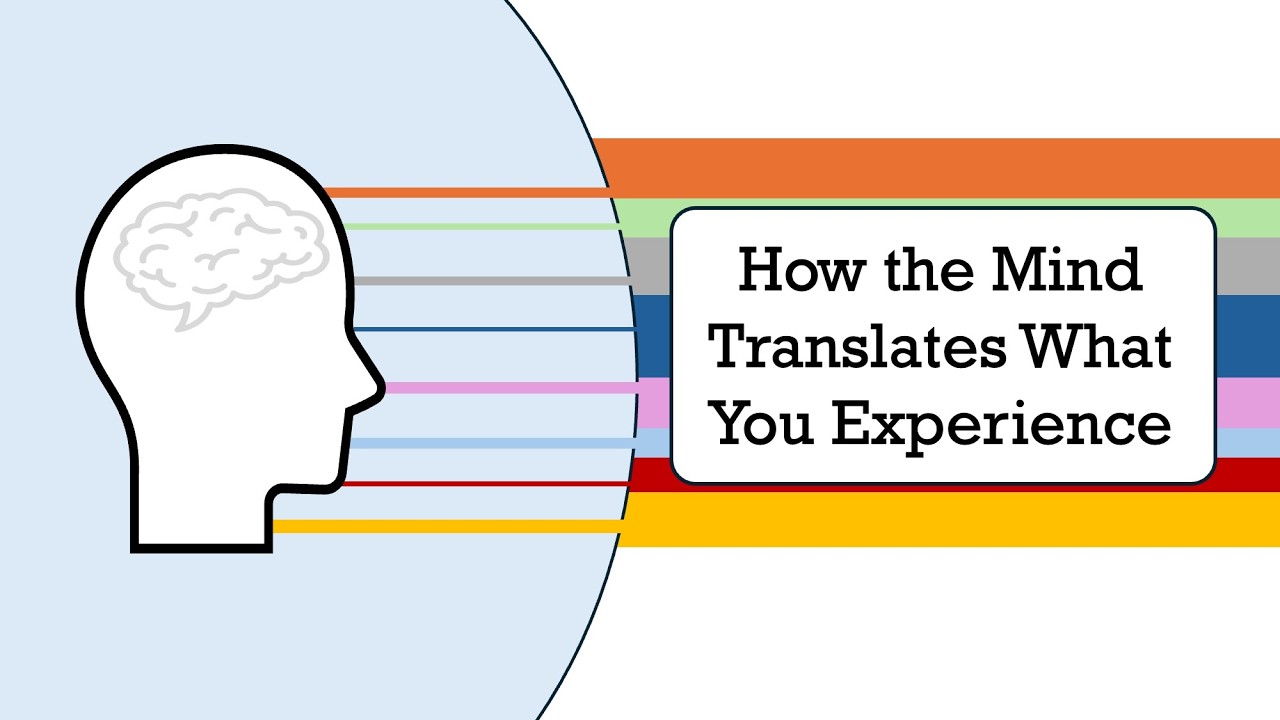
It's easy to take reality for granted what we see, hear, smell, taste, and touch. Seems like the only possible version because it's the only thing we've ever known. Like all animals. Our experience of reality is based on our senses that work like an interface that translates the outside world into something our minds can use. The interface works, but doesn't give us a complete or exact copy of reality. Instead, it creates a version that's useful for us.
In his book, an Immense World, ed Young writes Earth teams with sights and textures, sounds and vibrations, smells and tastes, electric and magnetic fields, but every animal can only tap into a small fraction of reality's fullness. Each is enclosed within its own unique sensory bubble perceiving, but a tiny sliver of an immense world. Humans are no different. Each of us lives inside a sensory bubble shaped by our biology.
Our senses can detect some things from the real world, but not everything outside the bubble is rich with things Our senses can never translate ultraviolet, light, magnetic fields and frequencies. We can't hear what we experience as reality is only a fraction of what's actually there. The bubble represents the limit of what our brains can access from the outside world, and the inside of the bubble matters too.
Once information enters, it doesn't arrive unchanged. It's interpreted through a unique mix of biology experience and cognitive style. So the reality that we experience is shaped twice first by what enters the bubble via our senses, and then how our mind interprets it. When we feel certain that we know something, we are experiencing our brain's model of reality. It's functional and useful, but still an interpretation.
This is why explanation is so difficult. We can't see inside someone else's bubble. We don't know what they notice, what they miss, or how their mind organizes information. So what can we do? We can study the patterns the human mind uses to make sense of reality when new information enters the bubble, it's processed in predictable ways that we all share. By understanding those patterns, we can craft explanations that don't just enter the bubble, but have a better chance of being understood., How the Mind Translates What You Experience, YouTube, 01khpxeqzskvwp9ct7kypj9tft.