Inside Christian Nationalism With Monte Mader
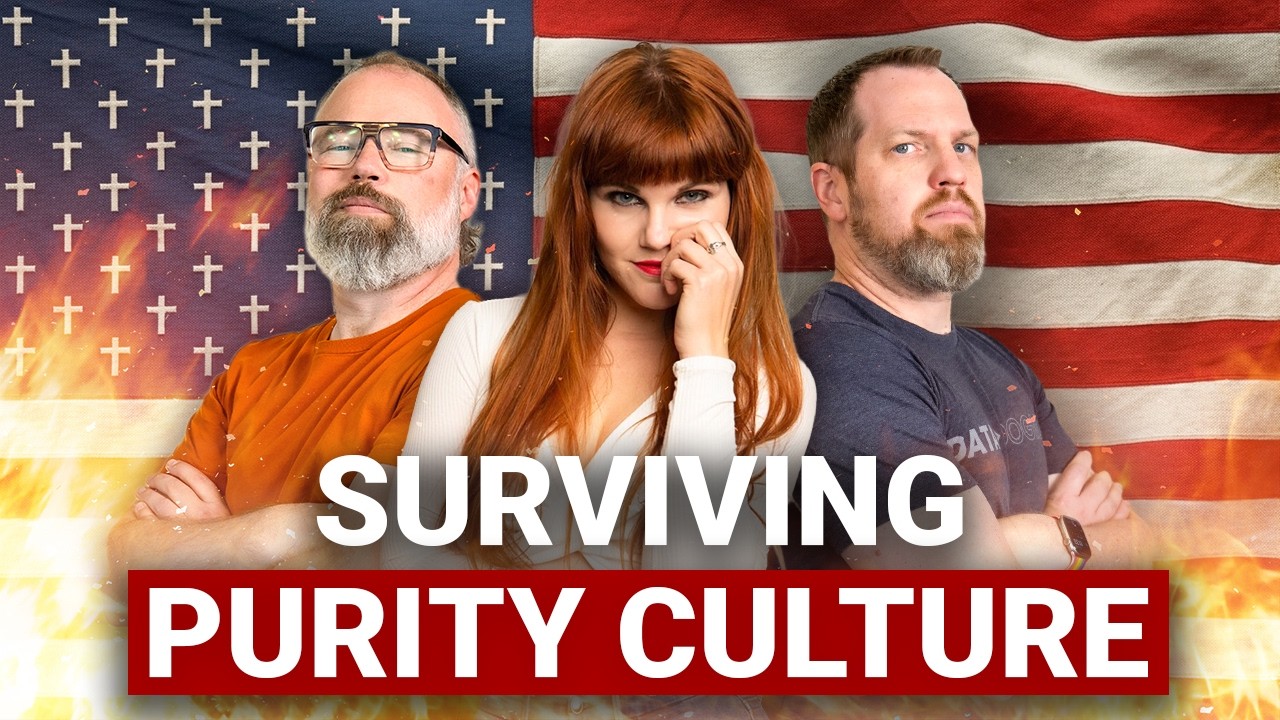
🔗 **Source:** [Inside Christian Nationalism With Monte Mader](https://www.youtube.com/watch?v=KlnjWookRgk)
I believe that you know the ark of progress, the ark of justice, it bends the way you bend it. [music] Hope is where your hands are. So the world that we want to have is possible [music] if we build it. >> Hey everybody, I'm Dan Mlelen >> and I'm Dan Beecher. This is data over dogma where we increase public access to the academic study of the Bible and religion and we combat the spread of
misinformation about the same. How are things today Dan? >> Things are fantastic. uh in part because someone much smarter than me is here to come on the show and uh we get and we get to hear her thoughts and uh and things uh her musings about the world and that is always a delight. So Dan, why don't you introduce our guest? >> Yeah, we are uh very excited and honored to be joined today by Monty Mater,
another social media superstar and also rock and roller. Thank you so much for uh being with us today on the show, Monty. >> Thank you so much for inviting me. Thank you for your work. I was very very excited to get this invitation. >> Well, I was we had I had thought about it many times in the past like I got to reach out to Monty. She I think she would make a lovely guest on the on the show and then finally was like maybe I ought to do it actually and I would [laughter] >> maybe stop thinking about it Dan and start actually taking [clears throat] some action. That's not a bad idea.
[laughter] >> I'm working on it. I'm working on it. So, so yeah, we're we're ecstatic to be able to talk to you today and uh and hear lots of things are are going on in your life. Uh lots of changes and uh and that's great. But we want to uh start off by just if you don't mind letting our audience, I'm sure there are an awful lot of people in our audience who already know more about you than Dan and I combined, but would you mind uh talking a little bit about how you got to be where you are? cuz we talked
earlier about the fact that it was almost a year ago today that we uh first met in DC at one of >> Yeah. But Dan uh we what we should be saying is there's a whole cool conversation about all of us that only our patrons get and if you want to hear that >> back to business. But yes, >> I'm just saying uh it's not a bad idea to become a patron right now and go and check out our uh our conversation with Monty about how we met and everything. We talk a lot about that. I was using
that as a springboard into >> Yeah. >> That was only evidently 3 months after you um splashed onto social media, >> became the queen of the internet. Is that what you're trying to say, [laughter] Dan? >> So, can you tell us a little bit about what's happened? >> So, yeah. So, I mean, I've I've obviously had social media for a long time. I was not a big user. Uh especially with Instagram, I typically used it to promote music. I wasn't really a regular creator of any kind. Um, and then as 2024 had continued to
happen, there were certain topics that kept coming up, certain talking points that I felt uniquely qualified to have a discussion on with my background, but it wasn't a big thing. But in December of 2024, I made a video uh kind of cheekily saying, "Why are we trying to put the Bible in schools when it's not working in churches?" And many people were not a fan clearly. [laughter] And I'm also someone that I don't read the comments very often. Uh part of it's
just time. I'm so busy. I I don't have time. But also mental health as well. Um because for their, you know, good comments and there's a lot of also really vitriolic ones. But for whatever reason, one day in February of last year, a notification on that video popped up and it was from this guy named Derek who's like, "When have you been to church?" I'm guessing never. for >> which is a constant. Any one of us who have posted a a a thing that could even be considered anti-Christian, you're
going to get, "Well, you've never read the Bible. You've never been to church. You don't know anything about it." >> Yeah. And for whatever reason that particular day, and again, as someone who did not >> I had time [laughter] and I was not having it. I was not having it. So, I set up my phone really quick. Again, I had never shot this style of video in this way before. And I laid out my background and I pulled my Bible into frame and I read him for filth for 90 seconds straight. And I don't even think I breathed at any [laughter]
>> and I put the phone down. I posted it, put the phone down. I went to the gym. I went to work. I was running a personal training business at the time and I was also a full-time performer. And I came back three or four hours later and it had 15 million views. >> Wow. >> And I was like, what? And then it actually it in it got deleted off Instagram because when someone deletes their comment, it removes the video. >> Oh. >> And so I ended up having it does. So I ended up having to repost it and it
still got millions of views. And so I went from having 24,000 followers in February of last year to I'm almost at 2.6 now. 2.6 million. >> Wow. >> And that was that was the beginning of it. And then it just opened the door for me to talk about all of these topics, especially around Christian nationalism and the Bible with how I grew up. And that was that was the match that lit it. And I was shocked. And I got I got into March and April and I'm, you know, sitting at 450,000 500,000 people. And I'm like, h well that's where it'll plateau. That's really cool. I would
never I never thought that that would happen to something like me. And it just did not stop and it just kept going. And then in by November, >> I had already been planning on stepping away from the cover band. Uh music, I had been doing it for 4 years. It was 4-hour shows, multiple times a week, really aggressive performances. Um all pop rock. >> Uh we did all pop rock and hip-hop. I refuse to do country. I won't do it. Absolutely [laughter] not. >> Um but we also do a lot of metal, a lot of the emo and metal. And um so those
shows get really exhausting. I mean, 4 hours, no breaks, no no set breaks, anything like that. >> Insane. >> Yeah. And we would, at our peak, the band and I were doing five to six shows a week. >> Wow. >> Um, and so typically would start the show with a lot of classic rock, some really fun pop that everybody likes. And then there would there would always be a moment during the show, and I was pretty good at picking when the moment happened that we would do Inner Sandman. And we did a medley into one with Inner
Sandman. That is when the show would change and I'm like okay cracks [laughter] knuckles now we're going somewhere else and and we would end up in you know Lincoln Park Iron Maiden Avenge Sevenfold it it would get really rowdy sometimes but we also had a 13minute '90s hiphop medley. >> Uhhuh. There you go. >> You know variety is the spice of life. Um I had been planning on stepping back for that for a while. So it was a good opportunity last fall to for me to step back give my voice and my body a recovery. Um, and then I closed my
business that I had been running for 15 years in November and did this and now I do this full-time. >> Yeah. >> Well, and you do it uh astoundingly well. I I I I will give a ringing endorsement to your uh to your Instagram slashtik wherever you are feed because it is it is something that it it is something to behold. You're a powerhouse for sure. >> Thank you. Um, and but we need to get into uh what we're here to talk about
because a lot of your content as you say, you know, your first big big thing is you just tearing into the Bible. So, I I would like you to give us just a bit a bit of a rundown as to uh your background cuz you have been to church. Uh, and so talk to talk talk to us about uh about sort of your background, your raising uh and and sort of >> what your life looked like as as young Monty.
>> So, baby Monty uh was born and raised on a cattle ranch in Wyoming >> and grew up uh very very remote, very rural and I grew up in a very very Christian nationalist environment that skewed very militant. And I will say to my family's credit, which is something that still shocks me so much with what's going on now, if my father had ever seen someone fly a swastika, he would have throat punched them. >> Yeah. >> So, not not in that space, but very much we had a um stockpiles of arms across
the property. We were trained with weapons at a very young age. There was a lot of rhetoric around the Democrats are going to hold you at gunpoint. The government might come for us. It's your obligation to die for your faith. That escalated a lot after Coline. >> I was about to say what when when would Col did Coline happen? >> I was I was a kid when Coline happened and that's really where I remember that uptick and it was very much directed at us children more so than hearing it in conversation in the room. >> Interesting. So they're specifically
going to the children and and giving these messages. I mean, I remember journaling at night and and fantasizing about martyrdom, >> like fantasizing about being killed like Cassie and fantasizing about would I be strong enough to say yes for my faith. And I knew I was part of a um a Christian group that would go to public schools and they would host these like anti-drug rallies and then invite kids out to a pizza party type thing uh on a different night where they would share the gospel and and Cassie Bernal's
grandparents were part of that. I knew them personally. Um, and I didn't find out until my 20s that that never happened. Like Cassie's story and she said yes isn't real. >> I don't know. I don't know her. I don't know. >> One of the victims of the the Coline shooting >> where where he Yeah. Sorry. >> The story was the story was originally she was she was one of the victims in the library. Uh, and she was hiding under a table. And the story was that he came over to her and asked her, "Do you believe in God?" She said, "Yes, and he kills her." And it didn't happen that
way. He he he he just shot her and it it >> it happened to someone else. It was just a totally it was falsified and they knew very early that it was falsified but the book was still published. It became this huge part of the youth movement in evangelicalism and Christian nationalism with acquire the fire youth groups. But for how I grew up with this militant background already it really really escalated this sense of urgency this sense of persecution. I was used to this idea of you need to have weapons to defend your faith kind of ideology. And
I also I was my mom left when I was young >> and left all six of us kids with my dad. And I very much grew up in a patriarchal household, my way or the highway. And I grew up in both a church and a home environment where, well, you're a woman, your only purpose is to get married, have as many kids as possible, you don't get a say in anything, you have to submit, you have, you know, all of those things. I actually got kicked out of Sunday school the first time uh when I was nine because the teacher I was
wearing this sundress that came just above my knees like nothing immodest at all. Also, I'm nine. >> Uhhuh. >> And she reprimands me and says, you know, I need to be careful to not make a man stumble. And I don't remember how I phrased the question, but I asked the equivalent of how can we trust men to be leaders if they can't lead themselves? >> Yeah. >> And I was asked to leave. I was never allowed back in her class after that. She didn't let me come back. Um and then two weeks later I told church I hear my first wives submit to your husband's sermon. [laughter]
So they were really leaning into it, you know. >> Yeah. >> I don't want to distract from the story. I am curious though. Matthew Shepard was killed in Wyoming. >> Yes. >> Very shortly after uh Coline happened. I was at the University of Northern Colorado in Gley when Matthew Shepard was killed. I'm just curious if that came across the radar. I don't know if you were in western Wyoming or eastern Wyoming or >> just for those for for those of our listeners who don't remember Matthew Shepard was killed for being gay in Wyoming. >> Yes. >> And he was brutal brutally brutally
beaten and tied to a fence and left out in the cold in the winter. Uh it was horrific. Um and and that was never addressed to us directly. The most I remember anyone saying about it was there was this kind of sentiment of he deserved it cuz he was gay. >> Which which is a stark contrast to you're going to have to die for your faith versus well he deserved to get uh beaten to death. Um that's that's pretty heinous. >> Yeah. >> It's so interesting to hear your f you know hear the messaging come to you that the Democrats are going to come to you
with gun at gunpoint. Uh have [clears throat] they met a Democrat? It feels like they haven't. I mean allegedly >> because [laughter] uh because it just seems like uh the ones who are coming with the violence uh seem to be on their side of the fence >> and statistically yeah a lot more often. Um but it was you know I don't remember ever meeting someone who did not have this very stringent sense of like ultra-conservativism ultra Christian nationalism ever in my childhood. I mean
my my dad and my grandfather were friends with Dick Cheney. I met Dick Cheney when I was 10. Of course, I had no idea who this person is. Never saw him again. Um, and then realized I'm like, "Wait a minute. Is that is the new vice president the guy that Oh, like I had no idea. I wasn't given context for this larger conversation." But my my family was also involved in local Republican politics. My um cousin was the county commissioner. My uncle was a state senator. My dad would later on become a state rep. Uh it was, you know,
it was very and and I at no point in my growing up years were politics and religion ever separated. They were married together. You could not be a Christian and vote Democrat. You could not be a Christian and pro reproductive rights. And all of the kind of the dogma and the messaging and the misinformation that we're seeing now was exactly the same for me growing up. Um and I went to all Christian nationalist schools, so I was only ever taught creation. Uh there's still a very big gap in my
knowledge about evolution and natural history. I have a huge gap of knowledge that I'm working on now. Um always had a Bible class. Always had Prageru style American history. >> Um and then I was >> That's the good stuff. That's >> that's that's the meat and potatoes right there. [laughter] Um it was it is it's wild now to think about what I was taught as a kid knowing what I know now. But outside of school, I mean, we were in church whenever the doors were open. I was privately trained in Christian apologetics by my dad for 5 years.
Privately trained again in this very narrow viewing of theology for 10 years before I went to college. >> Mhm. >> And then I was forced to go to Liberty University as one does. As one does. >> Sure. I didn't know they like girls in in Liberty. >> Right. Weird. It's weird. We got to wear pants and stuff, too. Um [laughter] uh and in I did not go to school for theology. I have to clarify that quite a few times with people. It's like, "No, no, no. I my dad I was pre-law originally because when I was 10 years old, um I started school when I was four
because I could read books and then I skipped sixth grade. And so in order to be able to skip the sixth grade, they took me into a room full of computers at one point and they did a bunch of tests on me, reading tests, IQ tests, lit like all these different things. >> And I did really, really well. I had a um senior [clears throat] in college reading level at 10. And my dad gets this piece of paper and he realizes, "Oh, she's smart smart." And so the there's this huge pivot and it was so distinct because I saw how my older
sisters were raised and treated and there was a huge pivot with me where he's like, "Yes, you still have to get married. You're still going to have to have kids one day, but first," and this is a direct quote, "We're going to get you into law school on and on the Supreme Court so that you can help us overturn Row." >> Wow. >> That is that is a direct mapped out. Yeah. And so I >> was scooped by Con Barrett. That's not very She took my destiny. How dare No, I'm just kidding. [laughter] Um but so I went to school originally for pre-law.
Um and eventually ended up changing and going into the medical sciences was where I thought I was going to be cuz I wanted to help. I was already starting to have some conflicts with the calling and the mission. And Liberty, as conservative as it was, it was my first time meeting people of color. It was my first time meeting people from different areas. It was my first time seeing different forms of Christianity. Um, but at Liberty, you still have to take theology courses, even if that's not your degree. You're required a certain number. Um, which for me, I was like,
I've been doing this for a decade. This is this is cake for me. >> But I was able to uh I took them as an intensive in Israel and it was a after a previous Gaza incident. So, I'm going in there fully as a Christian nationalist and now I recognize as a Zionist. I didn't know what that belief system was at the time, but it would it ended up being a big breakthrough moment for me when we were in Jerusalem. We were outside, we couldn't access Bethlehem because there had been a strike at the West Bank. >> Um, but we we were outside the Dome of the Rock and visiting it and of course
they're demonizing it and it's all this disgusting vitriol about Islam and you know, which I've heard my whole life growing up how I did. But I'm watching these families from all over the world come to worship and some of them are crying [snorts] and they're you can see they have so much joy and reverence and in my head I I couldn't reconcile it. I said this is the same that's how I feel being at a lot of these sites uh you know being where they think the sermon on the mount
was given and being in this holy place like I feel the same way and I just on a gut level could not reconcile >> the hatred and the animosity for people who were worshiping very much how I felt I was worshiping >> and I realized in that moment that I didn't know that much about church history I knew a lot about you know theology I had read the Bible nine times I was memor I would memorize entire passages Uh, growing up, my dad would have us memorize a front and back page of verses every week. And if you didn't memorize
your verses, you got beat. >> Wow. >> And every Sunday, you had to write a Christian essay and submit it to dad. Like it this was a regimented thing in my life. And I realized I didn't know anything about how did we get here? And that was those were the first questions I started asking at that time. >> Um, >> what kind of resources did you have available? Um the library was my biggest but I started I started just with uh obviously most of them >> still very conservativeleaning but I just started with books on church
history. Uh then I started reading Augustine and then I started you know and it just led to one source to one source to one source and uh then I encountered Bartman was [laughter] another big >> he's the yeah he's the gateway drug for so many folks. Bartman. [laughter] Uh I loved John Barton's work um especially [clears throat] around how we got the Bible. And so I started like all these sources and it was so much information and so many things I'd never heard of. >> And I started to internalize that and
try to understand and and just realizing that the church, you know, didn't get it right all the time. Right. >> [laughter] >> I grew up in this I grew up in this right. They've not been perfect all the time. >> But I I grew up in in kind of a hybrid of these Christian nationalist movements. So very much under the Bill Gothard umbrella without attending like his seminars. >> So I grew up in this environment that your father's the head of the household, the pastor's the head of him. And if you question question either of them, you are directly questioning God,
>> right? >> And it's defiance. Mhm. >> I hadn't I had I can look back now at my childhood and realize there were things I couldn't reconcile then, but I wrote it off as my own pride. It's you're being sinful. You're this. You squash it and you squash it and you push it back down. >> And yeah, you were primed for that from birth that like >> these are moments that are going to happen and they're your problem, not our it's never our problem. It's always going to be your problem. >> Yes. and and and you have the added
layer of as a woman, you're more sinful, you have to be controlled, you're not smart enough, all of these other ideologies are are stacked on top of that. So, you already believe that, you know, well, I'm a woman, so apparently my brain's broken. I don't know as much as men do. Um, I've obviously strongly changed my opinion on that. [laughter] >> Yeah. As well, you should there. Yeah, I think I think that that's a reasonable thing to change your opinion on. I do want to hear you talk a bit more about being a girl growing up in this
environment and sort of like how how what the messaging was for a a girl and a young woman growing up in this totally patriarchal uh you know sort of absolutism patriarchy and this idea that that >> you are sort of inherently and and by divine nature by by divine
decree less than >> and and you also didn't have the benefit of an adult female figure in your household. It doesn't sound like who could be there to kind of tamp things down or maybe give you a way to digest it that uh that >> uh lessens some of the impact. It sounds like you didn't have any kind of filter um available to you. So you were getting it uh the full brunt of of this patriarchal system. >> Yeah. And and I also my older sisters
are quite a bit older than me and they went to boarding school so they weren't even around. >> Oh wow. >> But I remember when I was very very little it was the type of thing where I would come into the living room and my dad was had all three daughters sitting in front of him showing them how to tie a tie because they needed to do it for their husband. >> Like that's it it's this kind of that was my life. And >> you know what I will say my one of my earliest memories of like feelings is I remember feeling like I was in a cage. I
remember feeling so trapped as a kid and I didn't have the vocabulary to explain what I was feeling. I just remember all the time fantasizing about running away and feeling like my life was over and feeling like I was in this cage. I can look back on it now and realize, well, yeah, you were told that your body isn't yours. You were told you you can't give consent yes when you're a kid or when you're a young adult, but you can't say no when you're married. Your body doesn't belong to you. Your body is already property of a man you've never
met. And um purity culture, I think, is obviously the the dominant messaging that I grew up with. Um but it starts with what I what I mentioned before when I was nine and kicked out of Sunday school. And then I get my first wives submit to your husband sermon. And I remember sitting by my den. got my Bible open and my Bible then was like it is now. It was highlighted and marked and notated. I loved that book to literal pieces. Like it was my favorite thing. And I'm looking at this and I'm listening and I start I remember starting to get mad. I could just feel
like this heat rising [laughter] up to my face and I was trying not to cue dad that I was pissed off [clears throat] >> because I'm re I'm I'm listening to the preacher and I I noticed he skipped the verse ahead of it that says submit to one another in love. He dives right into the wives and it just so happened that he ran out of sermon time to get to where the husbands are supposed to love their wives the way that >> Oh, that's a shame. I'm sure he meant to meant to get to it. >> And even then, I remember thinking, well, how convenient to be a man. >> Like, I remember as a nine-year-old
being like, "This is perilously convenient that you have to do nothing while another person has to submit to you." And again, I didn't have the vocabulary for it, but I remember the rage. I didn't say a word driving home. I went down to my room and I took my Bible and I threw it across the room and against the wall >> and I made a decision. I was like, "Okay, I don't want to piss God off. I don't want to sin. So, what I'm going to do is I'm just never going to have sex and I'm not going to get married. >> That was my solution because I was like,
I'm not doing that. I'm not going to submit to some guy." And I had seen how other women were treated in the church. I noticed at a very young age I was like num loophole. I'm just not going to get married. Um I apparently >> I'm going to go with Paul's advice in 1 Corinthians 7 instead of instead of pseudo Paul's advice in Ephesians 5. >> Exactly. >> Although I did see I [clears throat] did see a thing a meme recently that was pointing out that if you don't have if you never get married you can't have premarital sex. So
>> [laughter] >> uh you can have all the sex you want. loopholes all the way around. >> Yeah, it's extrammarital but not premarital >> but not premarital. So there you go. [laughter] >> And apparently as as of this juncture in my life, I took the no marriage thing very seriously [laughter] with a lot more commitment than I had planned at the time. >> But I I that that was kind of my first segue into this language because I was now brought into adult church. So I started to get a lot of this messaging probably younger than a lot of other kids did because I got kicked out of
that Sunday school class. >> How old were you? >> I was nine. nine. Okay. >> When I really started to get this messaging and then again I was 10. I was seventh grade. I was 10. So >> So they're already they're already prepping you before you're you've hit puberty. Yes. >> Now this is your role. You are you are being sexualized. You're being objectified. You and so that by the time you do hit puberty you are already in a rut and can't do anything about it. >> Yes. and the purity culture messaging got much much stronger because then shortly I think I can't remember the
exact year though the books came out but I kissed dating goodbye comes out >> and uh what was the other book that came out at the same time or around the same and people would carry these things around like they were their bibles so there's this huge cultural resurgence of purity culture but I remember you know all all the analogies of you know if you do have sex before you're married then you're just used gum no man wants used gum And the funny thing when you take these analogies and really
car, not a person. >> And so then what happens when this man buys me as a new car >> and then 15 years I'm not a new car anymore? Does he get to trade me in for a a new car cuz I'm an old one now? >> Spoiler alert. Uh kind of. Yeah, cuz he wants to >> actually. Yeah. Well, and this and this is this is really a reinscription of of what's in the Bible where women are commodities. Their their sexual availability, their procreative
capacities are are commodities. That's what marriage is. It's a transaction where a man is buying that from another man in the form of a woman. >> And the Bible's allowing of, you know, you could sell your daughter into sexual slavery if you want to. And if a man rapes her, as long as the dad okays it and he pays enough, now you have to marry your rapist. >> Yeah. Yeah. And um of course they didn't dig into those passages really in depth. And when I would ask questions because I read the Bible for the first time at nine cover to cover
>> and when I would have questions it would of course get explained away or that's not what it means. It was different in this time. >> But really the the idea of purity culture is really just a repackaging of women as property. And it's also why they don't believe in marital rape. And while they inherently don't believe in consent inherently because you can't consent, yes, you then can't withdraw consent when you're married. You at no point get sexual agency. >> Yeah. >> Um >> and and that's precisely what's what's
in the Bible. In in the Iron Age, in uh even down in the Greco Roman period, women had no sexual agency of their own. they were sexual objects and the man was the only real actual agent in an act of of sex. And so it's it's [snorts] so bizarre that of all the things that that have been perpetuated from 3,000 years ago that uh that the objectification of women is is one that that people just
still >> just kind of blly and intuitively and subconsciously just keep going along with. They do. And yeah, >> go ahead. Sorry, Dan. >> I was just going to say, and when you call them out on it, boy, do they get mad about that. Boy, do they get mad. >> Yeah, they really don't want to accept the reality of the situation. Well, Dan, I think you're hitting on an interesting point, which is that like so many of these Christian uh organizations claim, you know, they say they want to live biblical lives and they want to,
you know, craft their lives to be biblically uh in line. And it's a deep deep problem. Like, no, don't live your life. Like, we've learned some things since 3,000 years ago. You, you know, we all agree that slavery is not good. So, obviously, we can all agree. >> Not all of us there. You got you got like Joshua HS and and some others. Yeah. It's making a resurg. >> Yeah. because they're backing themselves
into this corner of and and obviously it's going to start with a bunch of men, white men, who will benefit from everyone reverting to these these retrograde ideas. >> And that's why they keep the purity culture idea. It is so beneficial. It is the only way that a poor man automatically de facto gets a maid, a cook, and a sex slave. >> Right. And then you get to stamp it as godly and biblically ordained. And she can't leave you for any reason. And I
mean, there's a whole terrible history with the history of Christian marriage counseling. That was really started by a white supremacist eugenicist who is an atheist, but that was the convenient avenue that he could pedal his ideas. And he mentored James Dobson. >> Um, >> and so, right, it's just the the web is so intense. Um, but yeah, like this this whole thing of it was very clear that your body is not yours. But also because you have the doctrine of Eve, your body is inherently sinful and it's your job to control the lust of men because if
something happens to you, well, clearly it was your fault. >> Yeah. >> Clearly, you did something. You let him on. You wore something you shouldn't. We see that rhetoric everywhere. >> Yeah. >> Which and and ironically, that's not in the Bible. Not >> not a sing there's not a single point in the Bible where any woman is told you have to cover up in order to protect men from from lusting after you. And and we know what Jesus says to say about what you should do if you're lusting after. >> Yeah. And and that's and it's so
baffling that like we can we're reverting to Iron Age ideologies about uh about gender politics was like even they knew better than to uh than to lay blame on on a woman for um being sexually assaulted. And the and the purity culture is just an attempt to rationalize it. It's just trying to build a a rhetorical um undergirling of of what at least the Bible is more open about that a woman is treated as property. It's no, no, no. We're we're
trying to protect her and we're trying to protect the men around her and we're trying to it's it's an attempt to try to make it sound like something good and all the rhetoric that is used like you mentioned um the chewed gum and all that one and in LDS uh culture you get the licked cupcake >> and then there's >> but oddly enough even within LDS culture they they try to be so much more sincere about it that it extends to men too >> and and [clears throat] this is It's a bizarre thing, but and and women get it
a lot more than men, but there was a there was an LDS uh president of the church who during one of the what they call general conferences from the pulpit told a story about a kid going away to war. I think it was World War II or something like that talking to his mom and saying, "I I know you would rather I come home in a pine box than unclean." >> And it was kind of an endorsement of of this perspective. And I remember distinctly thinking, no parent wants their child. No parent wants >> to come back in a pine.
>> Yeah. And and when you when you spread that rhetoric, like I I know the reason that you're generating this rhetoric. You want to try to emphasize how important chastity is and how important this purity culture stuff is, but you get significantly out over your rhetorical skis when you convince children that they are better off dead than having lost their their virginity, their purity, their chastity or whatever. and children have taken their own lives because of that. Like there's a there's a long his there a lot of
corpses have been thrown onto the altar of purity culture and um it's it's disgusting and and people don't want to see >> harmful. >> Yeah. And it, you know, it really, and to your point about the the pine box comment, I remember and I, every single person that I know who has walked away from some version of what I grew up in, we I remember as a pre-teen and teen, consciously thinking about and journaling, I would rather tell my
parents I killed someone than I had had sex. >> Yeah, >> that is how severe it was. And it was very much if you do this you will be worthless for the rest of your life and nobody will want you. It was very harsh. But I also grew up in a lot of physical abuse. I grew up in a very very again the very patriarchal but very physically abusive and very psychologically abusive which of course also has implications for your self worth. I already felt worthless. You couldn't convince me I could be any more worthless than I
already felt. You know I mean there was a period of time where my younger brother and I had to live in a dark basement for 2 years. We weren't allowed to be upstairs in the house. >> Oh god. >> And the only time we were allowed to leave is if we were working outside for dad or going to school. We were not allowed to be physically present upstairs unless we were eating. >> Good. >> And so it was it was all of this messaging at the same time. And >> for me, I ended up with a big conflict around 12. >> I have like pregnancy is in my top three fears.
>> I would rather swim with sharks. >> It like terrifies me so much and it always has. But there was also this messaging of you know you have to remain pure, you have to remain unstained or whatever which begs the question because the men were never told that. So who are the men sleeping with on their way to marriage if all the women are not doing any anyways. Um but I would I knew in my heart at the time that like you have to have kids. You have to have kids. You have to have kids. But there was also this demonization of any kind of sexual contact. It ruins you. It removes your
purity. If you were to get pregnant as a teenager, my dad would have thrown me into the street. I would have been a street kid had that happened. >> So, I started having nightmares about pregnancy at 12. >> I would wake up screaming in a cold sweat, so afraid of if that ever happened to me, what my dad would do to me. >> Yeah. >> Like, it was this palatable, terrifying fear. I had no interest in boys until my senior year in high school because I was so afraid of, oh my god, if anything
ever happened. And and then the the problem doesn't end when you get out of the house. I moved out of my parents house when I was 15, but I was assaulted at 18 and still didn't tell my dad because I knew he'd blame me. >> Yeah. >> And when I did eventually tell him years later because it wasn't P andV intercourse, he was like, "Oh, okay. So, it wasn't a big deal then. I forgive him." [sighs] >> Forgive him. >> Yeah. That's That [clears throat] was nice of your dad to forgive him. Yeah.
Nice of him to forgive him >> on on your behalf. >> Yeah. >> And that, you know, one of the one of the things I find just baffling about the the whole chastity idea and and even sexual assault, the idea that you're no longer chased. You're no longer pure. Something has been taken from you. I don't know if they use that language about being taken from you. um within LDS culture um there was a time I don't think they do it much anymore where girls are told that that they should fight to the death rather than succumb
to being sexually assault that it was better to die than to be raped. >> Yeah. because it's taking something from you and biologically >> it's taking the thing the one thing that's the most important thing that you possess or whatever >> more important than your than your life >> right >> which is ultimately your uh the pristineess of your sexuality that is intended for your future husband and physiologically biologically that is
meaningless that is just meaningless it's >> it's an imaginary thing. There's nothing that changes about a vagina after it has been entered by a penis. That's not like that's not a thing. It's entirely made up. And it and the idea that anything changes is fundamentally rooted in the notion that a woman is property and that her body is needs to be in pristine condition
because a man is paying for it and he doesn't want to have had any other man rooting around in his property. And yeah, >> which which it all fun it all comes back down to the objectification uh of of a woman's body, which >> pisses me off to no end. Um >> well, and it's, you know, the other the other thing that I bring up with people is if something is ruined after you touch it, the problem is your hands. >> Your hands are dirty. if it's if it's
ruined after you touch it. >> I mean that that the whole idea of that that sort of relates to this to to the gouge your eye out thing, right? Like >> every all the things that these men are doing are to avoid any mirror shining back on themselves or to avoid them ever having to examine themselves, who they are, what they've ever done. Um, as you say, >> the willingness to forgive a man for something is astounding. Like the way
that, you know, we're talking about the same the same men who will scream about what women are doing and how evil women are >> are the ones who will cover up for in the church a pedophile or a uh or, you know, a sexual predator or something, you know, >> or they'll attend the remarage of their friend who cheated on his wife with his secretary and now he's marrying the secretary, >> right? Yeah. Yeah. Or the or the reinstallment of a pastor uh who had had
an affair or engaged in in some kind of sexual impropriy. There's a I'm I'm sure you've read um Kristen Kobe Demay >> and Jesus and John Wayne. What a what a phenomenal book. But um I was I didn't know a lot like I didn't grow up >> around religion at least the the years I'm conscious of. Uh, and so I was really not aware of any of this stuff that um I didn't know how much of a tinder box Colorado Springs was when I was growing up uh in uh in Longmont,
Colorado, a bit north of there. But um yeah, all of the sexual >> uh improprieties that leaders in the evangelical community were going through in the '9s is uh it must have been a weird time to be uh associated with with those movements. But yeah, they >> was >> that's the kind of thing that, you know, you can just get right over and you can forgive men and you can excuse them and, you know, the women are are no longer valid. They're no longer valuable.
They're no longer worthy uh who are involved. But but for the men, uh it's and we you know, it's the same thing as a judge. I think this just recently happened, didn't it? Where a judge uh suspended a somebody's sentence. Yeah. >> A man's sentence saying, you know, we don't want to ruin this kid's life. Yeah, that >> was there was a couple there's a couple that happened last year, but the most recent one actually happened in the UK last week. Uh these boys, 13 14
pinned down and raped these 13-year-old girls, filmed it, posted it online. No jail time, no consequences whatsoever because they're young offenders. >> Yeah. >> And then last year, there was a He's an adult, but he did this exact same thing. assaulted someone, filmed it, posted it, no jail time. He was facing 87 years for the number of counts that he was uh being tried for and didn't serve a day in jail. >> Yeah. Yeah. >> And it's all rooed in these ideologies.
And I wish people would see that. And when I talk to people about the Bible and and I I teach a class bimonthly where we kind of attack some of these big things we were all taught together or these talking points of Christian nationalism and and we go through and I always tell people I'm like I don't want to convert you to anything. That's not my job. What I am going to do is I'm going to give you as much information as I possibly can. We're going to talk about it. We're going to ask questions. You get to decide. You get to decide. And you go to the Bible and you do look
at these texts where we have to, you know, we did a whole lesson on slavery saying, "Yeah, the Bible does allow this." And yes, it is cruel cattle slavery. Yes, it is sex slavery and we have to wrestle with that. We have to let the Bible be messy. What does that say about the author? Do we believe that a good God divinely wrote that? Because we have to talk about our our relationship or our belief system around God if that's the case. or do we believe that men of a certain era who had really messed up beliefs wrote this and we get
to ask the question is there a better way and and it is it's this it's this wrestling and you have to be you I tell my the people that attend all the time I'm like you have to let it be messy let it be messy let it be a reflection of its time it's not a reflection of 2026 America English speaking yeah >> listeners it's something different but um you know the Bible because it does contain those things and those restrictions as horrific as they are gets reused and justified to treat women
this way. >> Yeah. Yeah. >> And they have to let it be wrong. That that's something that there there are a lot of people for whom it just doesn't compute. >> Yeah. >> When um I say, you know, this this is wrong. This person was was not well informed. They just got it incredibly wrong and this is incredibly harmful and and we know better. Uh that I I enjoy that that rubs an awful lot of people the wrong way because >> it rubs the right people the wrong way. >> Yeah. There you go. [laughter] I love that. >> And you're no stranger to that. Also,
Monty, talk a little bit about your uh you rubbing the right people the wrong way because I'm sure that your work uh on in the social media sphere. I I mean, I've seen the comment sections. I've been there. I've seen what people say. Talk to me about the response both good and bad as you've uh as you've sort of put your story and your uh your ideas and and also your knowledge uh out there
for the world to see. >> Um so that I mean I'm very glad that very early I set the boundary of I don't spend a lot of time in the comments. I'll still read them. I'll find things to respond to or especially if people have topics or questions. Um, and I'll say for me because I have done that and I laid that boundary early, the good far outweighs the bad because a lot of my encounters with followers are in person. They'll see me at an airport or they'll see me and I have had people come up to me with tears in their eyes saying, "I
have struggled so much with sexual shame or I have struggled so much with this and I didn't understand it and you gave me the words to understand it." And that right there for me makes it totally worth it across the board. and and the people in my class. We held a class uh yesterday. We're doing a multi-part series on how we got the Bible and what we know historically about the origin of each book. And there were 500 people that attended locked in. I mean, this was an hour and a half. It was so much information. They locked in. My biggest class, I did a two-part series on around
purity culture and women in the church and the history of all of this. There was 3,000 attendees. >> And the classes I always do for free. Those are my I always I wanted something that remains a gift. I don't want everything behind a pay wall. So, for me, the classes are my gift. And um but yeah, there's a lot of I get called trans a lot by men that don't have a strong jawline. Um and [laughter] um but I I mean I get a lot of a lot of rape and death threats, hundreds a day.
>> Um I've had to filter my request inbox, of course, from somebody who's typically married with children, has a Bible verse in their profile. Um, right. And of course, like your also your generic insults of I'm a demon. Uh, they are obviously clearly very upset that I have a nose ring and more than one color in my hair. >> Um, [laughter] it's it's all kinds of things. It's I was like, "Listen, dude. Like, you can also get a nose ring if you like them that much. You can do that." Um, but I this typically too the same the guys that get really vitriolic.
Uh, and of course I'm old, fat, and ugly because when they don't have anything else to say to a woman, they attack those things. It's so boring. They should really get more creative. But then they'll show up in my DMs, and this happens a lot. I'll have someone be really vitriolic in my comments and then send me a message asking me if I'll do them. >> Right. Of course. [laughter] >> Like, and to which I I don't typically respond, but if I did, I would be like, I guarantee that if that was my line of work, you couldn't afford me. I promise you, I would be outside of your price
[laughter] range. I get asked a lot what kind of hate mail I get and it's like eh I I kind of get the generic stuff, the the heretic and stuff like that. The gendered attacks don't work on me. And I was [clears throat] my dissertation supervisor, Franchesca Capulu. >> I got a little taste of >> her book, The Anatomy of God. >> God and Anatomy. Yeah. >> Yeah. I just flipped that around, but I just got it. I'm so excited to start it. >> Yeah. Phenomenal book. I I did a lot of the drawings that are in there.
>> Oh, cool. >> Yeah. But um I've seen just a handful of the emails that she gets every single day >> and it it you know the this is a a maledominated space and particularly if you're on like YouTube and um it's I have to say when people ask me about that it's it's nothing compared to what a woman doing this kind of work is is going to get exposed to because it's not just the uh the propositions uh coming after a hateful comment but
it's the threats And you know, you and they're >> so much more common than uh you know, I >> I've I could probably count on one hand the number of times I've gotten an actual physical threat in a DM or an email or or in a comment or something like that. And I think a lot of that, Dan, is because you threaten people's ideas of, you know, and and their their theologies with your with your, you know, your knowledge and and what and and your content. But
Monty, I think that there's something about you that like you threaten them just by being a woman who's smarter than they are. [laughter] >> Just by being a woman. >> I am in fact smarter than they are. >> Of course you are. [laughter] and well and and you're and you're better informed than they are and but like being better informed and smarter is fine if you're Dan and it's not fine if you're Monty and that is uh that is it
what you're doing Monty is an especially heinous threat to their way of thinking to their way of being >> well I disrupt the very foundation of how they believe women can and should exist in the Um and and they use the Bible against me all the time as far as like Paul told you to be quiet and I'm like no he didn't he didn't write the Timothy. Um but they but there's this idea and it's interest the vi it's interesting the violence is intrinsically tied to their belief about what the Bible says because
there's so much rhetoric around because I will not submit because I will not be silent and I will not >> I deserve to be raped. I deserve violence enacted against me to force me to submit. >> That's what God does in the Bible >> obviously. Yeah. And it is it is very violent revelation. Yeah. God will um do sexual violence against the personified Israel for uh her infidelity. And so it
is it's very internalized this notion that sexual violence and violence in general is valid if the person deserves it. and men see themselves occupying the position of God >> uh obviously in in those relationships. So, >> and I will say that the last fall it the the hate mail did take a a dangerous turn for me uh after Charlie Kirk's murder. Um, I I and and I had only ever made one video responding to a comment
of his or a video and my whole thing was after, you know, when he died, I was like, listen, that's terrible. I not like I'm not going to celebrate that it happened. I also not going to cry. Like, I'm not I didn't say that, but I very much approached it that way. And so, I was added to a list that was released online of Charlie Kirk's murderers. And then I was publicly doxed in multiple forums. uh Christian nationalist white supremacist groups uh who there were people waiting outside my apartment
building for me and the only reason I caught on one of my assistants caught the release of the address >> and I didn't use the front door of my building I always went out through the garage and so I ended up having to leave where I lived for several days and leave town because of there was like an imminent threat on my life because I didn't align myself with Charlie Kirk's teachings >> good grief >> there's some platforms that have really like interacted with a lot of his content. I hadn't. I had done one video disagreeing with something. Um, but I do
think there's this >> I've interacted with a lot more. >> Yes, you have. I've seen it. You've interacted with quite a bit. I haven't. [laughter] Um, but it's that's that's just kind of the tone that it changes, you know, and I and I also think that a lot of these people threatening me don't realize that I'm 5 foot 10. And I think if they actually saw me, uh, the the tone would change a little bit. [laughter] Yeah, that did strike me when we met you because I think you were in heels as well. Um, and [laughter]
>> um, surprisingly tall, which yeah, for for someone who is uh who's very upset at you, that might be uh that might be pretty threatening. Uh, you know, these are these are >> Yeah, these are these are small-minded men anyway, so they're cowards, too. So >> I I would like to uh you know we're we're we're going to have to be winding down in a bit and I would love to close us out on an optimistic front. So I would like to ask you Monty to maybe talk a little bit about what you see
that's cuz like right now you focus a lot on some very very frightening things that are happening in the conservative Christian world. uh you you are uh very politically minded and things are not going great uh on that front in these United States. Are there things that you're seeing that are going well? Are you seeing signs, reasons for hope? What what what are you seeing out there in the world? >> I actually, especially lately, have had
an almost irrational sense of hope that by the measures of what I'm seeing in the world and in the environment, I shouldn't be that hopeful. But I am um one of the things I truly believe that things had to get this bad. We had to see Christian nationalism for what it is. We had to see how poisonous these ideas are. And they needed to be transparent and out in the front and gross to shake and shatter people out of
their apathy and to get them to challenge these ideals that many of them have been raised with since they were small children. And so I think that we're seeing that. And I have a lot of people that come to my community who are like, "Oh my god, the scales just fell off my eyes and I don't I don't know what to do with all this new information." I see people showing up to protest who are they have never done anything like that in their entire life and they're there and they care because of how bad it got. I'm also seeing a lot
of bridge building within communities because people are starting to realize especially like around like with AI data centers and all of this exploitation of communities and the environment. People are starting to realize, oh, you're not my enemy. These people are like this is a top and bottom issue, not a right and left issue. So, I'm seeing a lot of bridges start to be built. I'm seeing people start to show up. And so, I have this hope because I think it had to get this bad. And because this, especially Christian nationalism, it took the mask
off too quickly. It got power drunk too quickly. And it's exposed now all the things they denied being for so long. They're like, "Yeah, yeah, I'm racist. Yeah, I'm this. Yeah, I'm that." They they they play they laid down their hand too quickly because they didn't think it was possible that someone could have a better hand. And so I have a lot of hope because I'm watching people change in real time. I have a lot of hope because this movement is very blatant. It is very clear. Um and ultimately I and I
believe that you know the arc of progress, the ark of justice, it bends the way you bend it. Hope is where your hands are. So the world that we want to have is possible if we build it. And so I and I'm watching people get their hands in the dirt and that brings me a lot of hope. And I also know that from a historical standpoint, these type of systems are not sustainable. They're consuming. They have no regard for conservation or restraint. And so they
consume themselves. >> Yeah. >> And you know, I think it's going to get bumpier before it gets better. I think that we're going to have fallout to fix. I think we have systems that completely need to change top to bottom. But I think for the first time, it's happening in the open and we get a chance to look at the world and decide what it is that we want to live in. Well, I I agree with you. I love I love that idea that uh that it needed to come out of the basement of Wyoming and get out into the in, you know, front and center in the
world before we before something could really address it. So, I I think that that's amazing and I'm glad that you are there on the front lines doing the work that you're doing and uh and being the lightning rod and the and the powerful voice that you're being. So, thank you so much for being out there. and uh and thanks so much for joining us today. We really appreciate having you. >> Thank you. Thank you for having me and thank you both for I love the podcast so I listen regularly. Um and Dan, thank
you for just your knowledge. You really opened a doorway for a lot of people to have access to information that they they didn't even know was there available for them. I have people that meet me all the time publicly who mention you specifically as a key part of of helping them get freer and more healed in their lives. And so I want to refer those compliments to you. >> Well, I'm I'm touched. I appreciate it. Thank you very very much. and and I'm I'm honored that that I get to participate in this uh the same journey
that uh that you're taking and and uh and maybe one day we'll see a little more parody in in the reactions from from the the folks who are on the other side. Uh but I don't think I don't see that happening anytime soon. But uh >> not soon, but it will happen. But I I you you mentioned that you you hear from folks who where your work has been very healing for them and that's been one of the most unexpected but the most uh valued feedback that I've gotten uh
along the this um this journey as well. I never anticipated that was what this work would do for folks. But it's really changed things for me and and I see this work in a in a much different light as a result of meeting people who have had experiences very similar to yours >> and have have needed to be feel like they have permission >> to think about these things and research these things and ask questions and and uh and take seriously the the doubts and
the intuitions that they have. Uh, and so >> and one of the first messages I ever got when my when my page first started exploding and I screenshot I have a screenshot of really powerful messages and comments that I save in a folder when I'm questioning myself in life. But this one I sat with for a long time. It was a 14-year-old trans student who reached out to me and said, "Thank you so much for teaching me that I'm not an abomination like my parents say I am. I've been contemplating that my only choices were to live a lie or end my
life. and you've taught me I don't have to do that. And like I I would never have anticipated a a comment like that. Um and that that's one I I think about a lot. >> Yeah. >> Yeah. Yeah. There's it's it's important work and and I'm glad that you were able to um to get yourself out of that that headsp space and that mindset uh when you were so so you could be such a powerful voice uh for critical thought uh and for a bit more humanity in the
world. Yeah. Well, we appreciate you very much. >> It's a high bar, but you're you're hitting it pretty good. uh where where if for those of for those you know 12 of our listeners who don't already follow you wherever you are [clears throat] where where can they go? We'll we'll try to get some uh some links in the uh in the show notes as well. But but tell people where to go to to find you. >> So Instagram's my big baby. Um it's m o n t m- a d e r and that's everywhere. YouTube the Tik Tok everywhere that everywhere that you consume content I'm
there. Um, and I do those classes twice a month. That's you can find that information on my website as well, montymater.com. We publish those and those are always free. And uh, then I have new music coming out this summer, too. Finally been able to get some music and some art done for my own reprieve. Um, but that'll all be under the same. >> Nice. Love it. Excellent. Well, thank you so much for joining us. We really appreciate having you. Uh if you friends would like to become a part of making
this show continue to happen, you can always go and be one of our patrons. Go and listen to the uh to the afterparty that we recorded with Monty. You'll you'll I promise you'll [music] dig it. Um that's just patreon.com/data overdogma. Uh thanks so much to Roger Gaudy for editing the show and we will talk to you all again next time. Bye everybody., Inside Christian Nationalism With Monte Mader, YouTube, 01ktkna20yrxkyxwq6mbzehk0t.