Life at/After Automattic

## Metadata
- Author: [[Tim Broddin]]
- Full Title: Life at/After Automattic
- Category: #articles
- Document Note: ---
tags: [#WordPress, #OpenSource, #Leadership, #Contributions, #Automattic]
Author: [Broddin]
Source: [Broddin Blog](https://www.broddin.be/life-at-after-automattic/)
Reference: [Life After Automattic](https://www.broddin.be/life-at-after-automattic/)
date created: 2025-01-12 16:45
---
# Title: Life After Automattic: Reflections on Open Source and Contributions
## Table of Contents:
- [📝 Summary](#summary)
- [📖 Main Content](#main-content)
- [🗒️ Notes](#notes)
- [📖 References](#references)
- [🗣️ Paraphrase](#paraphrase)
- [📰 Newsletter](#newsletter)
- [✅ Action Items](#action-items)
- [🧪 Hypotheses](#hypotheses)
- [📊 Methodology](#methodology)
- [❓ Questions](#questions)
- [🔮 Future Research](#future-research)
- [💡 Implications](#implications)
- [🧠 Learning Styles Assessment](#learning-styles-assessment)
- [📊 Accessibility Assessment](#accessibility-assessment)
- [🌍 DEIB Assessment](#deib-assessment)
- [✅ Logical validity](#logical-validity)
- [🔍 DARVO Analysis](#darvo-analysis)
- [🔍 SEO Evaluation](#seo-evaluation)
- [🎯 Conclusion](#conclusion)
## 📝 Summary:
The article "Life After Automattic" reflects on the writer’s experiences with Automattic and the open-source ecosystem, detailing the challenges and opportunities that arise when transitioning from such a company. The post critiques the leadership dynamics at Automattic and discusses the state of open-source contributions, the expectations placed on contributors, and how corporate priorities impact the community. It highlights the gap between those who critique from the sidelines and those who are actively contributing and moving projects forward.
## 📖 Main Content:
The article begins with a personal reflection on the author's time at Automattic, focusing on the shifting dynamics within the company and its relationship to the WordPress community. It discusses the growing tensions between corporate priorities and the grassroots nature of open-source projects. The author emphasizes the importance of recognizing long-term contributors, those who do the actual work, rather than focusing only on vocal critics in the community.
The post critiques how Automattic's leadership style has evolved, pointing out that the company’s shift towards corporate-style governance may dilute the open-source ethos that the community values. The article also brings up the need for more sustainable and fair funding mechanisms for open-source projects, criticizing the lack of resources and support for contributors.
In reflecting on what makes effective leadership in the open-source space, the author suggests that transparency, collaboration, and a focus on long-term goals should take precedence over corporate interests. The post calls for a change in how the WordPress community views leadership and contribution, urging people to elevate the voices of those who are actively contributing.
### 🗒️ Notes:
- **Author’s Reflection on Automattic**: The author shares personal experiences from their time at Automattic, focusing on the shift in the company’s priorities and leadership.
- **Challenges in Open Source**: Discusses how corporate influence is affecting the open-source community and the balance between profit and contribution.
- **Critique of Vocal Critics**: Highlights how critics who contribute little to no code dominate the conversation, rather than celebrating those actively working on projects.
- **Sustainable Open-Source Funding**: The author emphasizes the need for better financial support for open-source contributors, recognizing the lack of sustainable funding models.
- **Leadership Dynamics**: Critiques the shift in leadership styles from collaborative, community-driven leadership to more corporate top-down approaches.
- **Call to Action**: The article calls for more recognition of contributors who are actively engaged and moving projects forward.
## 📖 References:
- Broddin Blog: [Life After Automattic](https://www.broddin.be/life-at-after-automattic/)
## 🗣️ Paraphrase:
1. **Original**: "There’s a growing tension between corporate priorities and the grassroots nature of open source, and this shift is evident in Automattic's recent changes."
- **Paraphrase**: "The growing conflict between corporate agendas and the grassroots spirit of open-source projects is clear, especially in the recent shifts at Automattic."
2. **Original**: "It’s easy to criticize, but much harder to actually contribute and push the project forward."
- **Paraphrase**: "While it’s simple to point fingers, making meaningful contributions and advancing the project is far more challenging."
## 📰 Newsletter:
**The Shifting Landscape of Open Source Leadership**
In the latest reflections from the WordPress community, an insightful article dives into the complexities of leadership and contribution after Automattic’s shift in focus. The post highlights how corporate influence is changing the nature of open-source work, urging a shift toward recognizing those who are truly contributing. It also calls for a stronger emphasis on sustainable funding models to support the continued growth of the open-source ecosystem. If you’re interested in open-source sustainability and leadership in the WordPress community, this article offers a thought-provoking look at the challenges we face. [Read the full post here](https://www.broddin.be/life-at-after-automattic/).
## ✅ Action Items:
- Focus on promoting long-term contributors and avoid rewarding vocal critics who do not engage in meaningful work.
- Advocate for sustainable and fair funding solutions for open-source contributors, ensuring they receive the support they need.
- Encourage leadership models in open-source communities that prioritize transparency, collaboration, and long-term sustainability.
## 🧪 Hypotheses:
1. Open-source communities that prioritize contributors over critics will see increased collaboration and more sustainable projects.
2. A shift towards transparent, community-driven leadership in open-source projects will help restore the balance between corporate influence and grassroots development.
3. Sustainable funding models will lead to more consistent and reliable contributions from developers in the open-source ecosystem.
### 📊 Methodology:
- Conduct surveys among open-source contributors to assess the impact of corporate influence on their work and morale.
- Analyze the effectiveness of different open-source leadership models, comparing corporate-style governance with community-driven approaches.
- Research funding models that support open-source projects, and evaluate their impact on project sustainability and contributor retention.
### ❓ Questions:
- How can open-source communities better recognize and reward contributors who work behind the scenes?
- What are the barriers to implementing sustainable funding models for open-source projects?
- How can leadership structures in open-source communities evolve to balance corporate priorities with grassroots contributions?
### 🔮 Future Research:
- Investigating the long-term effects of corporate governance on the health and innovation of open-source projects.
- Exploring alternative funding mechanisms for open-source projects and evaluating their effectiveness in supporting contributors.
- Analyzing the role of vocal critics in open-source communities and their impact on project direction and morale.
### 💡 Implications:
Future research into open-source governance and funding could lead to new strategies that empower contributors and ensure the long-term viability of projects. This could also inform policy changes within major open-source platforms, fostering a more inclusive and sustainable ecosystem.
## 🧠 Learning Styles Assessment:
**Readability**: The article is written in an accessible tone with a moderate level of complexity. It is suitable for readers familiar with open-source projects and leadership structures.
**Learning Styles**:
- **Visual Learners**: The article could be enhanced with diagrams illustrating the evolution of leadership models in open-source projects or the flow of funding.
- **Aural Learners**: Providing an audio version of the post or including a podcast discuss
- Document Tags: [[Matt Mullenweg]] [[realignment]] [[wordpress]] [[wpdrama]]
- Summary: The final part of my post-Automattic series, where I look back at my final months there.
- URL: https://www.broddin.be/life-at-after-automattic/
Team Apex in Brazil ❤️
*Last October, I took what's called an "alignment offer" - a severance package offered when an employee and company's values no longer align. With six months of runway, I decided to take a sabbatical to work on personal projects and explore what's next. If you're curious about the journey, check out parts* [*1*](https://www.broddin.be/freedom-week-1/)*,* [*2*](https://www.broddin.be/freedom-week-2/)*,* [*3*](https://www.broddin.be/freedom-week-3/)*,* [*4*](https://www.broddin.be/life-after-automattic-week-4/)*,* [*5*](https://www.broddin.be/life-after-automattic-week-5/)*,* [*6*](https://www.broddin.be/life-after-automattic-week-6-2/)*,* [*7*](https://www.broddin.be/life-after-automattic-week-7/)*,* [*8*](https://www.broddin.be/life-after-automattic-week-8/)*,* [*9*](https://www.broddin.be/life-after-automattic-week-9/)*,* [*10 and 11*](https://www.broddin.be/life-after-automattic-week-10-11/)*.*
This blog post concludes my series on what I did after leaving Automattic*.* I'm not starting a new job yet, but I'm slowly moving into freelancing and probably won't have as much to share in the coming weeks.
This post is not meant to kick around wildly, screaming awful things. I'm very thankful for my time at Automattic, all the good stuff the company brought me, and all the incredible people I met there. I need to write this down to close that chapter of my life.
This will be a long one and undoubtedly be a big brain dump. I promise to name the child CEO only once in the text below. He causes [enough drama](https://bullenweg.org/?ref=broddin.be) on his own already.
I wrote about [leaving Team Apex](https://www.broddin.be/goodbye-team-apex/) in March last year to join a new team. As I was still employed at the company, I couldn't write about how conflicted I was at the time. A higher-up asked me to join the new team, and I sincerely saw it as an awesome opportunity to learn new things, meet new people, and explore other areas of the company. But it hurt me so fucking much to leave behind my old team.
Almost everything at Automattic revolves around performance. On the internal pages, there's a table where you can see how you perform compared to your teammates (or anyone at the company). You're assigned a number compromised of code written and shipped, Slack messages, and P2 (intranet) posts. If you or your team goes below the bar, you're given a few weeks to improve your performance drastically — or you're kicked out.
Not to brag, but I was considered a high performer. I like to ship fast and iterate, which gave me a headstart on more punctual teammates who want to take their time and probably do the same work without needing to iterate later.
It hurt me to leave Apex because I knew that by leaving, I would leave them more vulnerable to performance reviews. Something that became clear a few months later when one of my former teammates was fired. It made me so angry because that person - while maybe not the most performant coder on the team - was what bonded the team together. He made us do social calls, welcomed every new employee on Slack, and was the guy who never stopped talking and interacting with everyone at meetups. He was the glue of Team Apex. Not finding him a suitable spot for him in a 2000-person company is an HR failure.
(It also hurt me a lot to leave Apex because I love every single one of them, and I consider them all friends and among the finest people I've ever met.)
My journey toward leaving began months before the team switch, in February 2024 when WordPress.com's leadership moved to a new person.
This person wanted to break with the old. He told us to drop everything, adopt a new project management method, and shift our focus on developers. He and I started on the wrong foot, which became a conflict that evolved into him criticizing our whole team and watching us closely. This, in turn, gave me a lot of stress and made me extremely unhappy.
The atmosphere felt toxic. I was so close to sending HR my resignation.
But I told myself to give it another day, then another week, and time kept moving.
Then, I switched teams.
My new team wasn't the same as Apex.
Things weren't as personal, and we didn't have social meetings for a long time. Most of our communication was work-related.
We did have a standup bot that asked us daily what we are working on and that would post the answers on Slack. I abused this bot and overshared my personal life with it.
Pics of the children during the weekend? Check. What song was I currently listening to? Why not.
Slowly, I noticed that the other guys were also opening up more and starting to share personal things. Not long after, we started having social calls. They were awkward at first, but they were happening.
I'm a firm believer in personal relationships at work. You cannot do a great job if you don't know the people you're working with at least a little. Empathy is the ingredient to success. Having Caribou come together a little closer is perhaps my most significant accomplishment in that team.
The people in the Caribou team were friendly. We went on a meetup in Milan, and while Apex meetups were more focused on fun and project planning and less on work, I truly enjoyed it.
However, the work was meh.
I did three projects in Caribou, all of which were really dry. One involved scheduling plugin updates, another involved updating 200K sites to a new version of PHP, and the last one involved exporting user content to AI providers.
The AI export project killed me. It was so dull, had so many steps and procedures, and I felt all creativity draining from my body.
I think I was getting pretty close to burnout then.
I rediscovered this draft blog post from around that time (June 2023), centered around a [Taylor Swift song](https://www.youtube.com/watch?v=nsN3tANPZO8&ref=broddin.be) that resonated a lot with me back then. I never published it, but I was on one of the lowest lows of my entire career.
 See how I stole a classic Bright Eyes line there.
But I kept working, thinking, "Next week will be better," and voicing my frustration with not feeling creatively challenged at every opportunity.
 A note with my development goals
Things didn't get better. I even got the reply "But you're so good at it!" when I said I didn't like the work I was doing 😄
I don't want to point fingers here: everyone involved was operating at their best, given the situation. Finding your way in a big remote company is difficult, and things take much longer remotely.
As we say in dutch: "Voor geld danst den beer". Loosely translated: money is what keeps the bear dancing. I kept going because it was easier than leaving and not having an income anymore.
When Matt decided to turn the dial to 11 with his drama, asking us to either side with him or leave, the decision was easy to make. I disagreed with him, and I wanted out because what I was doing was not making me happy anymore.
Looking back, I feel a lot of gratitude for my two years at Automattic and regret for not being able to fit into it. Drama and the CEO aside, it's a great company with some of the most gifted people I've ever met.
A friendly agency once asked me to give a talk about how remote work works at Automattic. Because of a tight deadline, I had to reschedule that talk, and then I quit Automattic. In the end, I never gave the talk.
The talk was about what's good, bad, and ugly at Automattic. If anyone who wants to apply ever ends up here, here you go.
#### Good
* The people. Most people are awesome. And clever.
* The compensation and extras.
* The travel, but also more on that in Bad. You get to see very nice places.
* The culture.
* The work/life balance. You get to pick up your kids from school.
* There's an anonymous message board where you can rant about anything that bothers you. It's excellent to let off steam.
#### Bad
* It is a commercial company. When joining, I had high hopes of contributing to open-source, and while many of my contributions were technically open-source, they were only used by Automattic.
* Lack of clear vision. We changed focus so often. In my first year we needed to become a competitor to Substack, when that didn't work out we had to focus on developers, and when that didn't achieve the wanted results, we shifted to Agencies. Make up your mind.
* Lots of shifting around. We were "the newsletter team," and we had all the expertise in that area, but suddenly, another team took over, and we were handed a video plugin we had no clue about.
* The spaghetti code. Fifteen years of code generates a lot of spaghetti. Finding your way around is hard.
* The context switching. WordPress.com is so huge, and you're constantly switching context between all the projects and subprojects. It's a lot to keep in your head.
* The travel. It's great to be able to meet up in beautiful places like Recife in Brazil. The bad is that the company expects you to work there and only take 1 "fun day". I think you need to utilize the time together to do things you cannot do as well remotely, like bonding and planning/discussing projects.
* A nitpick: it's hard to impossible to talk about local stuff like Het Eiland, how Bart De Pauw is a bully who keeps rolling around his own self-pity or Belgian politics. This might seem stupid, but it makes casual chats a lot harder.
#### Ugly
* The politics and the unclarity to see where certain decisions come from.
* The extreme focus on performance and the quantification of everything. Not everything needs to be data-driven.
* If you want to do your job to the fullest, you don't get there with 40 hours a week.
* The paperwork. Everything needs to be written down somewhere, so much time is spent on writing P2's and reviewing your colleagues.
* Review inflation. It's a stick they use when you give someone a good review and higher up disagrees.
In what feels now like a gift from the universe, my Automattic story came full circle when my old team had a new meetup. Out of all the cities in the world, they chose to do it in my hometown, Antwerp. It was a fantastic week. Almost every evening, I joined them for dinner and showed them around some of my favorite spots to eat. Even though I didn't know I would be leaving Automattic soon after, it was the closure I needed.
Thank you guys.
Onwards!
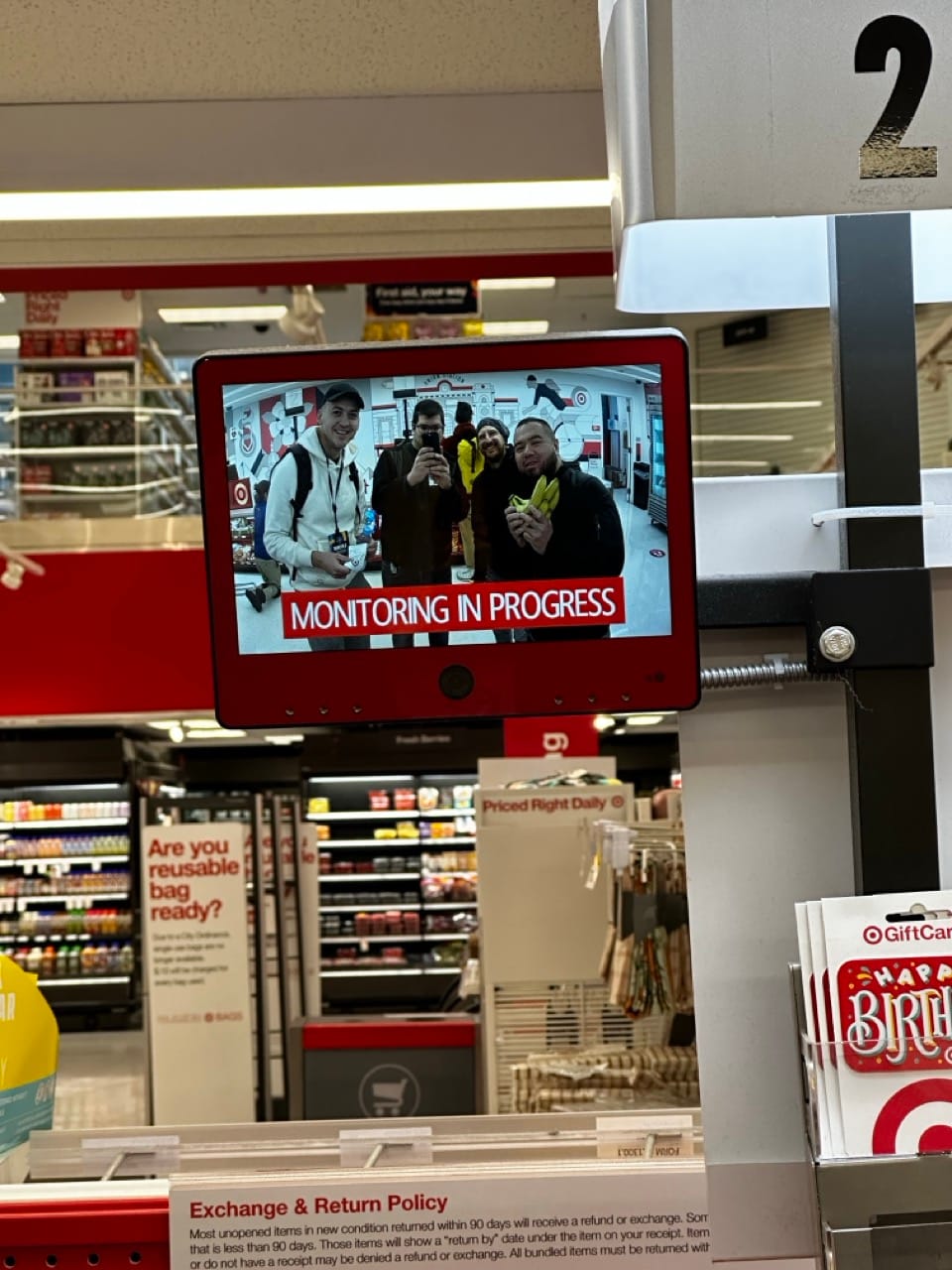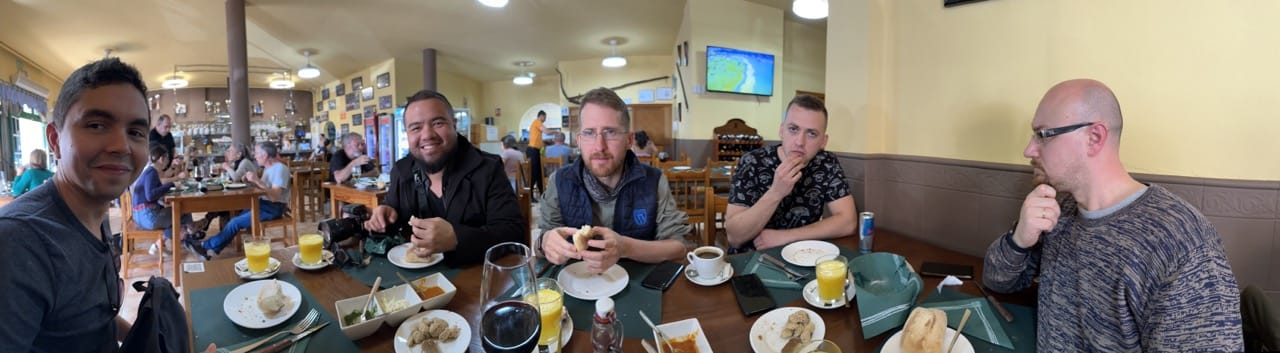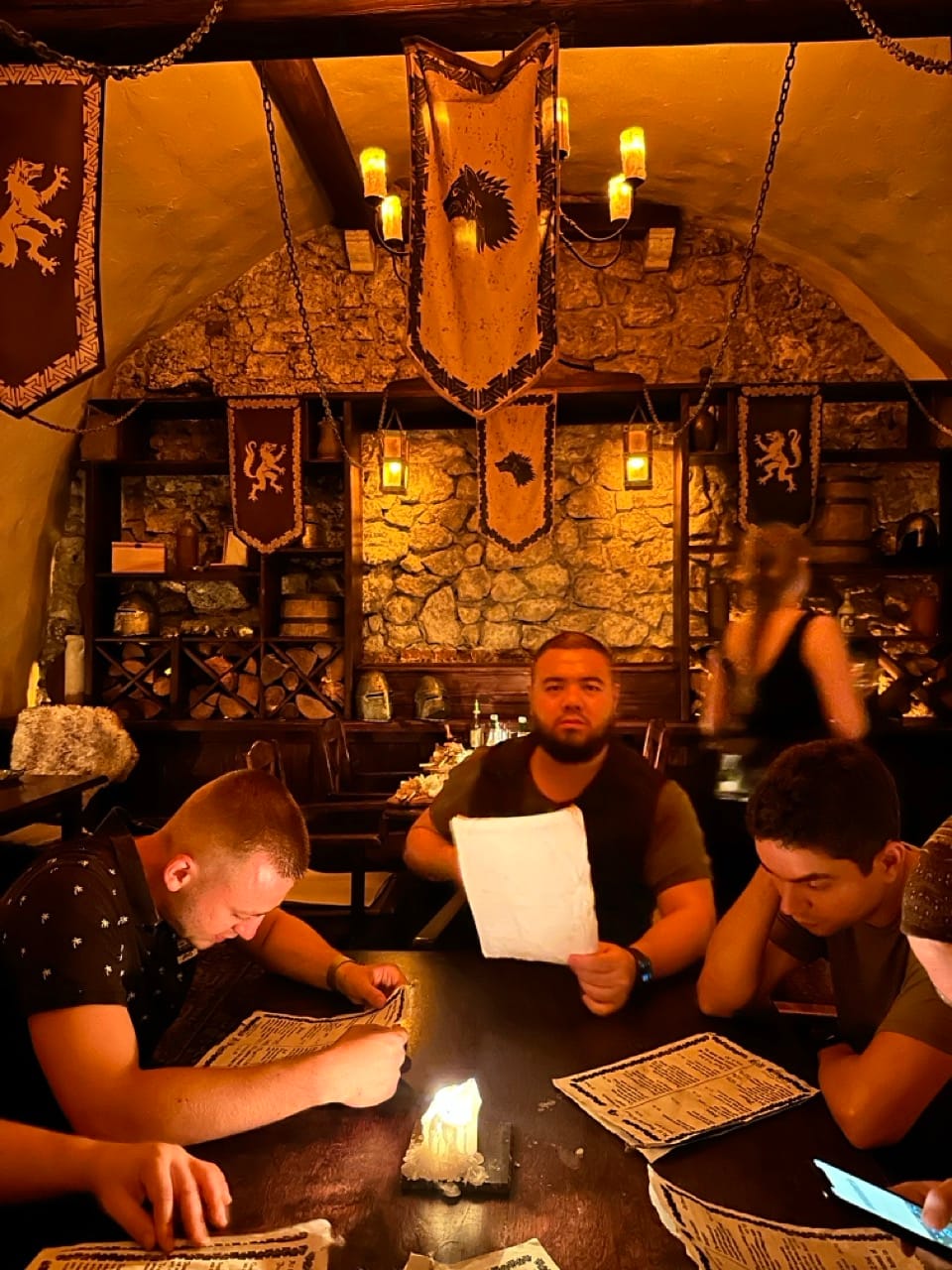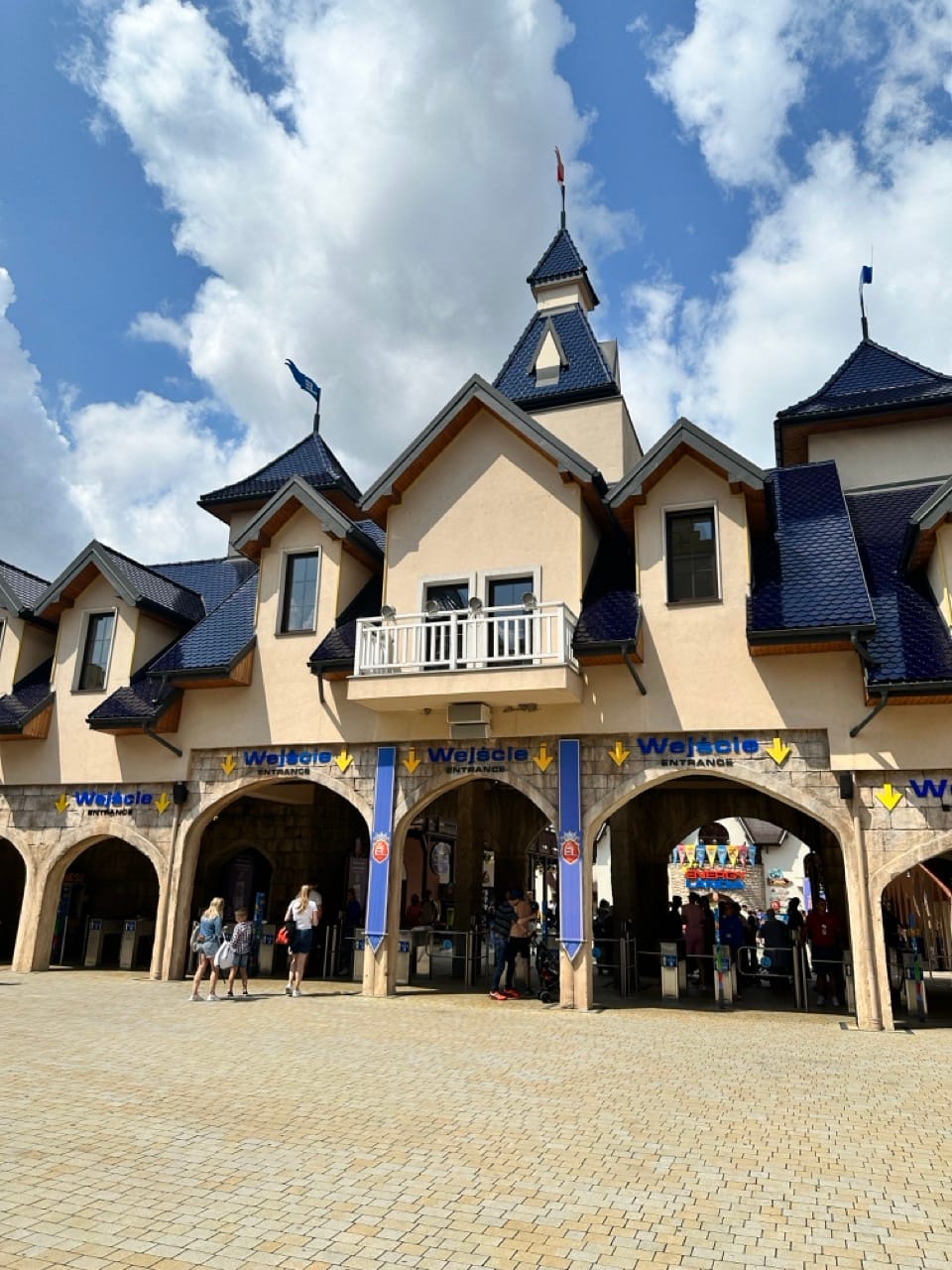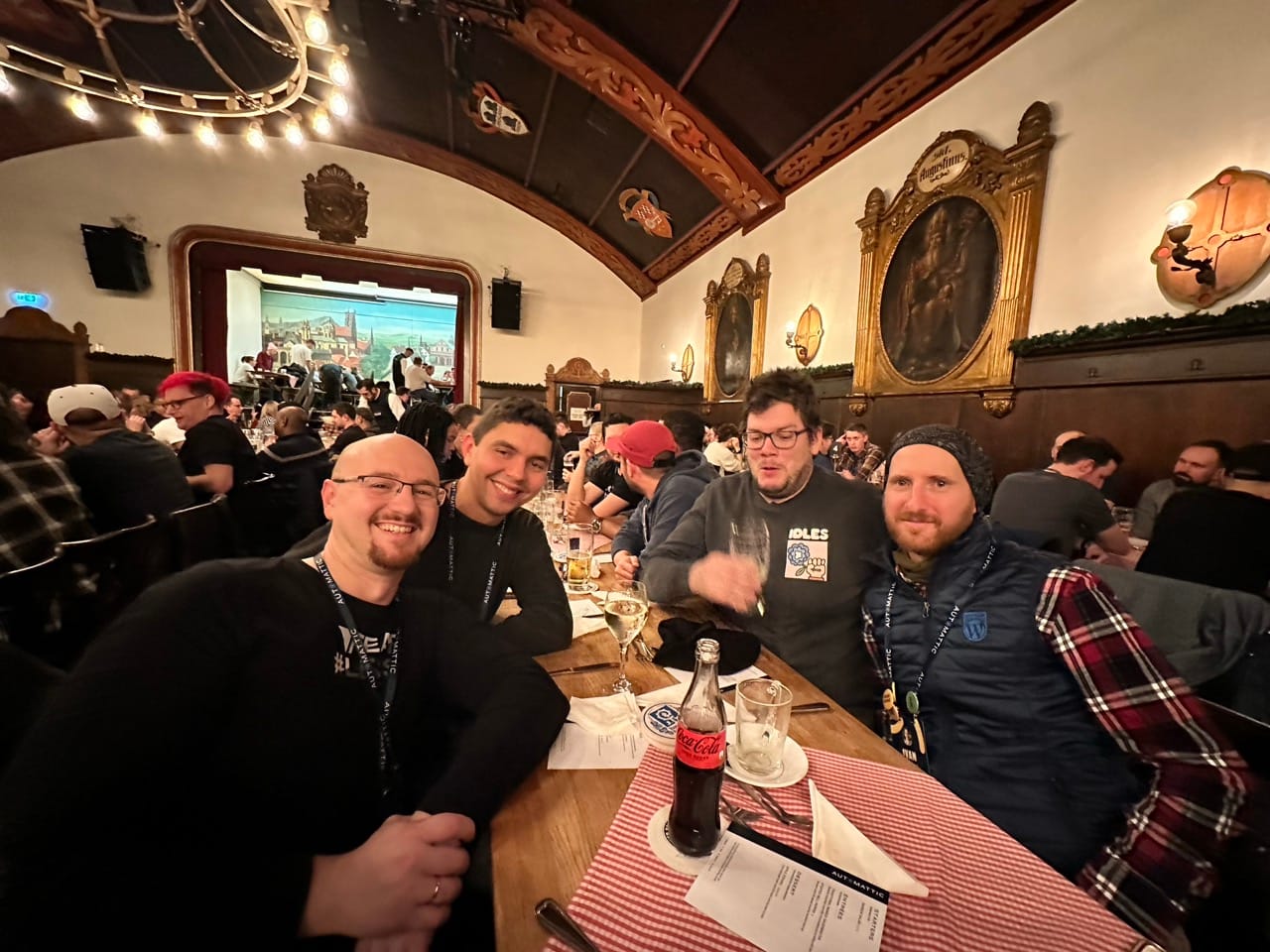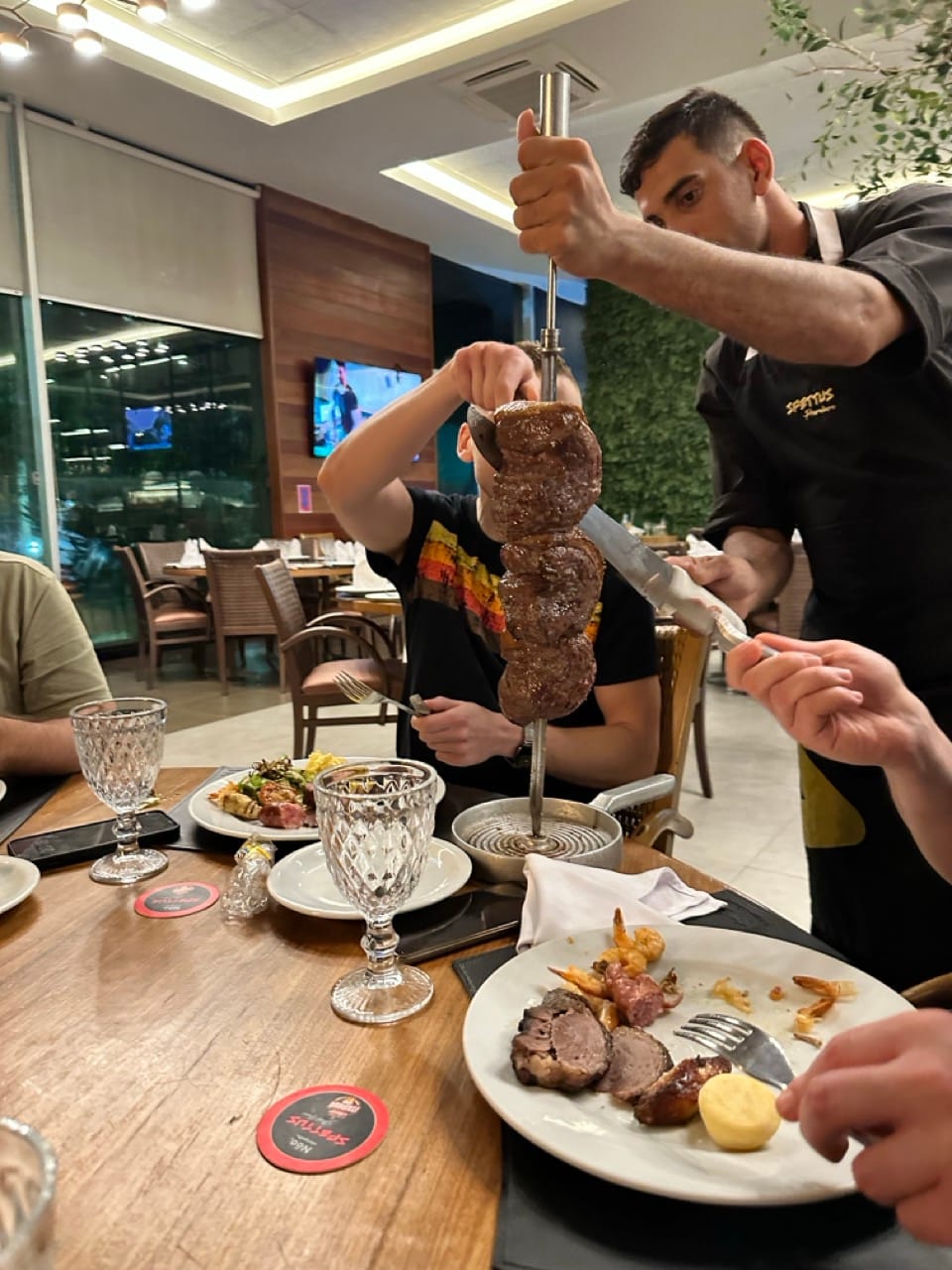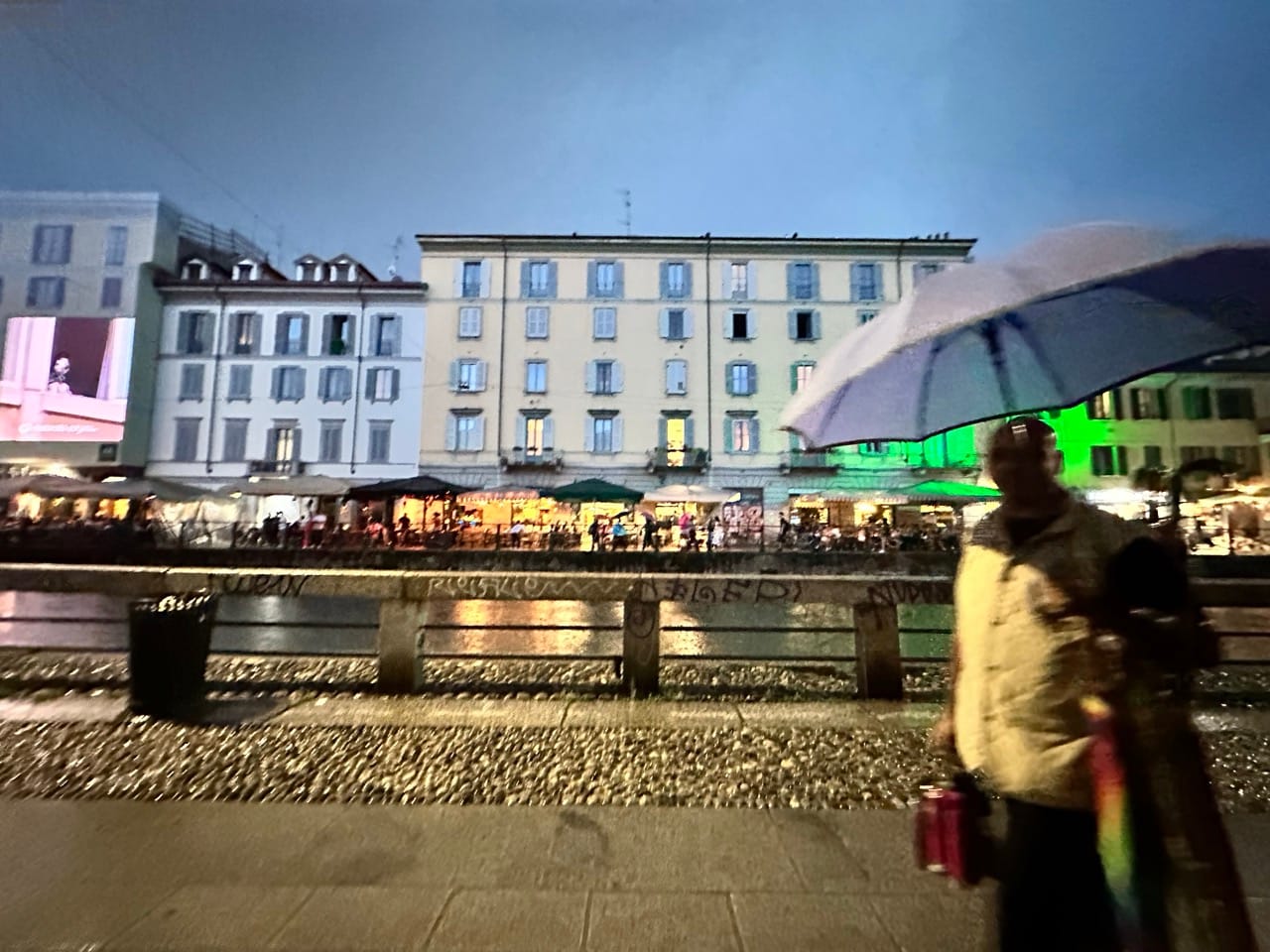Denver, Tenerife, Krakow, crazy The Witcher restaurant in Krakow, Energylandia - the most thrilling amusement park I've ever been too, a loud beer hall in Munich, Recife, Porto de galinhas, rainy Milan & Antwerp., Life at/After Automattic, Tim Broddin, 01jh9datssewhm1240vrs226v0.