The State of Ecommerce and AI
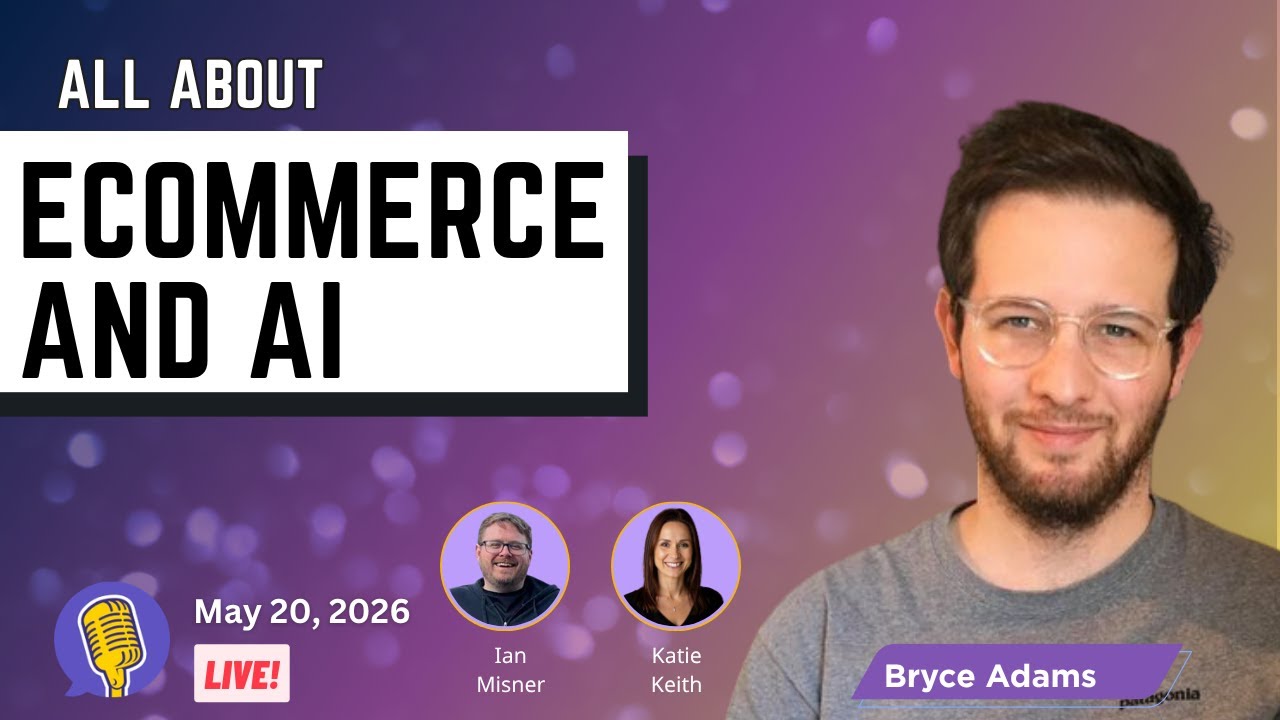
🔗 **Source:** [The State of Ecommerce and AI](https://www.youtube.com/watch?v=m6C99vT5sC8)
Everyone's talking about how AI is
going to kill e-commerce as we know it. Plugin businesses are bracing for impact. I know I am. But what if that's not just not true? What if the founders who actually
understand AI are quietly building the next chapter, and the rest
of us are panicking over nothing? This is WP Product Talk, the place where
every week we bring you insights on
product marketing, business management
and growth, customer experience, product development, and more. It's your go-to podcast for
WordPress product owners by WordPress product owners. And now, enjoy the show I'm Katie Keith from Barn2. And I'm Ian Misner with Kestrel. Now, before we get started,
if you benefit from WP Product
Talk, we would love your support. The easiest way to show it is
to hit subscribe right now. It only takes a second, and it
makes a big difference to us. Thanks so much. Yeah. Awesome. And, uh, huge thanks to Freemius as well
for being our exclusive growth partner. Uh, Freemius helps monetize and
succeed with your so- software business as a merchant of record program. They handle everything about
selling software, like checkout, payments, subscriptions, updates,
and, uh, I think we've been making
a really big deal of global tax
compliance with this every time, um, so I'm just gonna stick with that. Is that a bit now? I do- I don't know. But, you know, it gets out of the way
so you can just build your products. Yeah. Especially if you're currently
selling on Envato and you've just had your fees massively increased. Anyway. Yeah. Um, so let's jump into the
state of e-commerce and AI. Uh, for this we've invited
guest Bryce Adams onto the show.
Welcome. Hey, everyone. Thanks for having me. Appreciate it. Well, thanks so much for being here. Could you tell us a little
about yourself for those of us who don't already know you? Sure. Uh, um, my name's Bryce. I'm from, uh, Melbourne, Australia. It's where I live. And, uh, I run Metorik, which is a
analytics and email automation app for WooCommerce and Shopify stores. And this year will be 10 years
since I started, so feels a bit like a lifetime now, but still
having a lot of fun and yeah.
Amazing. So, with the e- e-commerce and AI
stuff, um, the reason we invited you was that we know you've been
working on some impressive AI projects at Metorik and also personally. So, um, before we get into kind of
wider discussion, could you tell us more about the specific projects
that you've been working on? Yeah, 100%. Um, you know, the, I think like
everyone, I've just kind of been
easing my way into it and just getting
more comfortable with it and, and the way it kind of changes things. And it's, you know, it's changing at such
a fast pace as well that, um, a lot of the things that we think we know six months
ago, a year ago, have become irrelevant, so you just have to keep relearning. Um, so my latest kind of foray, I think,
has been into the MCP side of things, and that kind of was out of necessity. As a product that, like, has a lot of
really valuable data, um, people want to interact with that data through
ChatGPT, through Claude, and it's like
not even at the point of, "Oh, this
would be a nice feature for you to have." It's a table stakes feature where
they will consider, uh, finding an alternative or, uh, building it
themselves if you can't offer that. Uh, so we, yeah, kind of, uh, felt
the pressure to get into that, but also I... You know, it was, it was
one of those features and I think going back six months, nine months
ago, um, I remember just like kind of trying it out and just seeing, okay,
like how would this actually work?
Like just trying to wrap my head
around the idea of how do I code something that then like a chat-
ChatGPT or Claude is gonna talk to and be able to turn into information. Like, I couldn't even
comprehend it at the time. Uh, but I remember just kind of
like trying it and, and, and seeing at a very basic level, I could
ask it a question like, "What were my sales on a certain date?" And it would come back with a
number, and it felt like magic. And that was just six months ago. And now it's like the expectation
is I should be able to run like complete complicated cohort analysis
on segments of customers and
things like that, uh, through chat. A- and the crazier thing for me is
that it's like it's actually possible. It's not even like a,
yeah, like a pipe dream. Yeah, I think that's
particularly important given the area you're operating in. So analytics- Yeah ... a lot of
people are using AI to get analytics. So I really love the way that
instead of just giving up and saying, "Well, people don't need
me anymore," you are joining them. If you can't beat them, join them. You are providing- That's
exactly ... a way to use AI.
Yeah. And I don't think it's a, you know... At,
at first I was definitely apprehensive and I think, you know, it was funny
that you mentioned at the start in the intro about, like, we shouldn't,
maybe we shouldn't be panicking. And I think, no, we should be panicking. You, you should definitely be panicking,
but you should also be excited. Like, both things are true, and I
definitely, um, oscillate between the two, but I, I'm trying to, like, embrace
both sides of that and take that panic and turn it into, like, some action that I can
actually do to change things and influence
how it is, and not just sit there and
let, like, the future kind of pass me by. Um, and you know, we still might, and I
would actually honestly expect, like, at times to go backwards depending on where
software goes in the next year or two. I don't really know. But I'm, like, kind of baking that into
my expectation that yeah, if it's now the cost of making software is getting
lower and people can make- Maybe less complete, but like still acceptable
solutions to their problems, uh, that's gonna impact software businesses. Uh, but it's kinda saying, well,
what does it look like after that,
and how do I preserve as much
as I can through that period? Yeah. At least try. I don't know. And, I mean, it's a totally valid concern, but
I mean, there's a couple of data points. I mean, in your own insights report
that you put out each year- Mm the number of plugins on each site
hasn't gone down yet, at least, right? Exactly. Like, there's sort of the... Like,
everyone's saying they're making the thing themselves, but ultimately, like,
I mean, the code was always a commodity. Like, you know, you can- Yeah ... like,
a lot of the products that we
offer, people didn't need- Yeah to buy before AI. Yeah. You could have paid someone to rebuild
it as well for a few hundred dollars or a thousand, and it, it probably
would've done the job as well. I think if your selling point is
like, "You can pay us $100 and we'll take care of it," um, while you could
do it yourself for $30, it's like, that's not really enough anymore. It has to be a bit more like, "We do
something you couldn't do on your own." And that's why- Yeah ... like, we're...
But then, you know, I think going back to this, like, as I've been thinking about
it, and I think it relates, uh, not just
to us as like, uh, software businesses,
but also to e-commerce stores, um, when you start to see agent e-commerce and like
how, like, the, the place where people transact is constantly changing, and it
went from like physical stores to online to now, you know, through marketplaces
and eventually even, um, through like just chat or even automated, uh, agents
kinda making those purchases for you. It's still an e-commerce business. It's still, uh, selling an item. It's just that, um- Right ... that
final like way that you, yeah, uh, interact with the customer is changing.
And for me, I, I think it's the same
thing, where like w- instead of us being like a dashboard and app that
people go to, and I think we still are that, another medium that people
wanna interact with it is like chat. So it's just like- Mm ... coming to
the customer where they wanna work. But then when I, I see, like, the usage of
this, uh, MCP, um, and like anyone who's, by the way, isn't familiar with MCP stuff,
I think the best way of describing to people is like it's an API for AIs to use. Like, humans wanna use
APIs when they code- Yeah
and yeah, LLMs are using MCP. So just when I, when I think about
like the MCP and I see the adoption of it, we just put up as a preview. Like, you have to go in,
into the customize settings. You have to add an app yourself. It's not like a marketplace,
click a but- one-click button. It's a few buttons. Um, and we announced it, and like
500 people tried it in a couple days. And to me- Wow ... that
was just like crazy. I've never seen a feature get adopted
that quickly, and it's in beta. And yeah. So you can see- I mean- ... like
there's an appetite for this, right?
Yeah, no, that's actually
really encouraging. We haven't done like a, like a
public facing big AI launch and, and that's an interesting point. Now, when someone's using, you
know, the Metorik MCP though, like what's, what's, what are you adding? Like, what's different? Like, if I'm using ChatGPT to just,
you know- Yeah ... query the same data, what do you do that I like- What, do you mean through like-
Yeah ... Woo MCP or WordPress MCP? Yeah. Or like just, you know- Do
they actually have them? I mean, to be honest, what I typically
do with all this stuff is I have like- Yeah, yeah ... a local copy of the site,
and I'm literally just querying- Yeah
... like a copy of the database, whatever. But like- It's not a bad idea. Yeah. It's not fa- it's not that fancy,
to be honest though, right? No. So like, like what do you do
that- That they like Chat or Claude doesn't already- Hmm basically. It's the same thing where it's like
why would they use us as a reporting product over using built-in reports
or just downloading the spreadsheet, the export from Woo or WordPress and
then putting it into a spreadsheet. Like, there's always gonna be a worse way
to do things . And for some people that's gonna be fine, especially when it comes
down to like money and, and I get that.
Um, but I think our approach is
like we're already finding, doing it in a better way, and this is just
another way to interact with it. So I think a lot of it is like it
comes down to I, I would like Woo, and I expect Woo to have like a
good MCP built into Core that's like very easy for people to use. And I would like it to even be at the
point where, you know, Woo tries to offer an optional like, uh, router service
in between like the stores and, uh, the LM so that it can, um, be like an app
and very easy for people to install.
'Cause I think if you've got to set
up MCP servers and just understand what that even is, it's gonna be
very hard for this to be adopted. When you look at like our use of
it, like people using our, uh, MCP, it's because it's so easy. Like, they've already got it all set up. They literally just go
in and put in one URL. They don't have to worry about
like updating to a beta version on Woo and hoping that it's
gonna work and not break things. But I would like it to be like included
in Core and Shopify just ended up, uh, releasing an MCP, like integrations
with Core and everything recently,
where you can get basic reports from
them and you can get some basic data. And I'm sure our merchants were using
that already, like our Shopify merchants. But what we're trying to offer is
like a better experience with that. Like, just like there's standard
reports and we can do better reports, there's a standard MCP and there should
be, and there's a standard API for things, but we wanna be like, okay, an
advanced version of that that lets you segment, that lets you apply filters
on the go, that lets you get reports that wouldn't be available otherwise. That has access to a predefined cohort
reporting for your subscriptions,
which is the thing I- But that kind of stuff and it... Yeah. It's like, don't worry about Woo
adding... Like, I'm not worried about Woo or anyone adding that to their MCP. They need to add it to their app first. Like, there's a- ... process to go
through and even then it's like, yeah, I, I'm, I've always been in
favor of better reporting in Core. Like, I think it couldn't
be a better thing. And um, it's like, you know, Katie and
I were just talking about this before the call, but like when Shopify adds
a feature that, um, you know, we want
to as, uh, pr- companies and products
like build on top of or build a better version of, it's actually a blessing
sometimes because they're putting out their, "Okay, this is a feature that you
as an e-commerce merchant needs to use. We're gonna build a basic version of it,
and then if you need something advanced, go and find it." And, um, a similar
thing happened to me where, like, we-- someone saw that Shopify announced,
like, a targets goals kind of feature. And that's something we always
should have had from day one and I just never got to it. But when s- they saw that, uh, uh,
Shopify added it, they messaged me and said, "Are you gonna add it now?" Or
like, "Does that mean you can add it?"
'Cause they were just maybe thinking
that we needed it in Shopify first. And I looked at it and I'm like, "This
is the most basic targets feature ever." Like, we can add so many more features
on top of this and ship it in a couple weeks, so that's what we're about to do. And it's like, yeah, that's awesome
'cause it's creating opportunities for us to do something better Yeah. I mean, and that I wasn't asking you to,
like, justify your product as more of the MCP- I'm always justifying my existence, my- Yeah, of course. Love it. No, I mean, ul-
ultimately though, I mean, like
what I'm hearing from you is that it's just another interface. Like, you know, the
product's already better. Yeah. And, you know- Yeah ... to, like
you're just adding the interface. People wanna interact
with- But it's an interface that actually unlocks stuff in your
product that wasn't possible before, and I think that's true for everyone. And it is things that I
didn't think were possible. Like I'm hearing from customers how
they're integrating it with automated things that, like agents they've got
running that talk to several different apps and take action based off it. Like you couldn't do that with our
product before, and now people are doing something, and it's suddenly
our product's become much more
valuable, much more essential. And it's not even costing us more money
because it's just making API calls to our app, and probably less than if the user
went to the app and used it themselves. So when you start to think about it,
it's like, yeah, it's pretty crazy. Yeah. Well- Um, yeah ... I, I mean,
for anyone who's set up MCP for analytics across like- Yeah you know, Google Properties and all
that- Yeah ... it ends up being greater than the sum of its parts, right? It's like- Exactly ... you know,
your, your AI can talk to Metorik, can talk to Google Analytics-
Yeah ... can talk to Webmaster
Tools or whatever it's called now. And, you know, whatever, what you get
out of it is better than what you knew you were asking for in many cases. Exactly. Yeah, 'cause it's not just automation. It's not like Zapier in terms of
just like enhancing how you work, but it's intelligence and it's actually
helping you make decisions for how to implement things and how to work. Um, yeah, no, it's, it's pretty exciting. Uh, and I'm trying to see that bright
side of it and to say like, "Okay, well, yeah, maybe this is gonna threaten
my business, but like at least we're
doing something pretty special in
the meantime," and like I don't know. Yeah. And I mean, the whole like threatening
the business thing, I'd like to dig into that a little bit more too, actually. And I don't know, Katie, if
you have thoughts on this. 100%. But you've said now twice now
though, earlier you said something about, you know, if you have to step back or like
reduce or something as a result, um, what kind of, you know, experience- Oh, no. I just meant more like I, I definitely expect
to see, um, like simpler use cases of software decline because, uh,
like purchasing software for that. So if someone was paying us and they
have a small store and it was already a
stretch for them to pay us $75 a month,
and then they really just needed it to get one specific tax report out of it,
if they have the means now to just like ask Claude or ask ChatGPT, make a plugin
that does it, it'll probably do a good enough job to solve that one problem. That means we weren't providing
enough value, and that's okay. Like I'm gonna be okay with that. Um- Yeah ... but I just mean that,
like, I w- I think it would be foolish to think that it's not
gonna impact us in some ways. But then I look at the other side of it
and they say, "Well, now we can offer with this MCP and with other features like
we're building in AI chat into Metorik."
And when we start to do things like
that, it means that we can make our product better than it ever could have
been, and I think that'll either lead to us getting more customers than we
could before, being a more n- necessary tool than we were before, or just
providing more value to the merchants we have, and hopefully being able to
increase our, um, revenue that way. So it's more just about adapting and
recognizing that, yeah, simple use cases are, are going to be less of a,
like, potential customer base for us.
And when I look at our churn in the
past, like, six months versus a year or two before, and f- a fun thing with this
is, like, we don't really have Metorik for Metorik because we use Stripe as
our, like, main uh, payment processor. Uh, and we're not an e-commerce
store, but, like, I, I really want this, so I've been building a Stripe
integration and it's, it's kind of done and working for us on a testing level. So I've been able to actually talk
to the MCP, uh, like for Metorik and talk with our own Metorik data. And doing that, I was able to have this
insight that in, like, the last few
months, most of our churn, um, it's
actually been, like, a lot more, uh... The, the average MRR of the customers
that are churning is like 40% lower than the average MMR, MRR of our customers. So the customers we're losing tend
to actually be these lower value ones that weren't paying much
and probably weren't getting an enormous amount of value out of it. And yeah, so when you start
to look at things like that, it, it makes sense, I think. Yeah, that makes sense. Do you think you're losing the
more technical end as well because
they're the ones likely to build
their own entire reporting system? I think that was always possible,
and I don't think that's changed. I think the technical... The
really technical people that are also, like, smart and, and using
their resource as well are, like, leveraging the stuff and building,
like, amazing stuff on top of it. Like, I've got a few customers that
are just... One, one that even separate to the MCP, we finally brought out,
like, an API just to get the reporting data out of Metorik a few months
ago, uh, in anticipation of the MCP, and, like, I've got these customers
that are using that to build their
own custom internal dashboards, but
they're leveraging our API because the alternative is using the data from
somewhere else, and eventually you've got to process it and segment it and, um... Uh, that's what I mean about, like,
maybe for them the value didn't come from using our dashboard. It wasn't what they wanted. But the value came from getting that data
in a nice way into their own dashboard. Yeah. It's adjusting the value
proposition to suit- Yeah, it, there's, I mean, again,
Metorik is a big enough tool that you literally can't go vibe
code that, you know what I mean?
Like, it's, you, you're not gonna spend
less money building- And why would you? What's the point? Right. What's the point? Right. Like, what are we all, are
we- The, the attention- ...
the focus. Yeah, what's your business? You know? Yeah. Yeah. That, I mean, those, like, larger
infrastructure things, and I'm gonna refer to your insights report again, actually. I was just looking at that-
Yeah, sure ... yesterday. I appreciate it. Yeah, but the, the top 10 plugins or top
20 plugins you got listed on there, like, they're all these larger infrastructure
things with a couple exceptions, right? Like, you know, gateway subscriptions.
Uh, I mean, like, shipment
tracking, I guess, is- Mm pretty high up there as well, but- That
should be core, but- Um, you know, yeah, I mean, PDF invoices too, frankly, right? Yeah. Yeah, yeah. Um- Completely ... the thing is, though,
like, like, ShipStation is another one. Like, these are- Yeah ... things
where, you know, y- they, the products aren't gonna be replaced by this. This makes, I guess- No as, like, the $29 utility plugins become
less and less valuable, there still is a place- Yeah ... for some of that. But then as product builders, I guess the
real focus is how do you make it so that
you become that, like, infrastructure? You know, you're not being used for
one- Yeah ... or two little reports. Yeah, exactly. You're, like, the dashboard- You need
to be essential ... they pull up. Right. Or, like, part of the rails for how, like,
a transaction happens. Um, you know, when I think about
products like fraud prevention, like, that's something essential,
and it's part of every transaction. Being part of the checkout, you know,
features like that where you become- Yeah really a core part of how
their whole business runs. I, I do think it'll be very fascinating
to look at the insights report a year from now and see how the plugins have changed,
but how every other stat has changed.
Like, I think it'll be a pretty
dramatic shift over the next 12 months. Because the, that's the cool thing
about Woo, like, WooCommerce merchants move so quick, and, and it seems
like from the outside sometimes we're not, but, like, when we move, we can. We've got ability to
customize- Yeah ... everything. We've got that experience
of, like, dealing with, like, compatibility issues over 10 years. Like, that has to be a skill that
we can apply to these situations. I mean, it sounds awful-
Yeah, you'd hope so ... but it is. Yeah. And that's all you can do, you know?
I dunno. So tell us about Payphone. Oh, it's right behind me there actually. I'm just looking at it, isn't it? Okay. Yeah. So, I mean, this project was, um, a fun
one when, can't remember, a few weeks ago or so, um, Eric, someone on the team
and a friend of mine, like, messaged me and said, "Oh, um, I just saw this-"
Mm-hmm ... you know, "thinking about you." It was like a vintage, this
vintage payphone here from the '80s, and it was just on eBay. Just a few hundred bucks. And I, I really love to collect,
um, a lot of things, but like one
of those would be like older, uh,
electronic devices, '80s, '90s. It was definitely like a really good
era of design and, um, '70s as well. And so when I saw that, I was like,
"Yeah, I would love to have that." And just it looks so cool, like
just having it on a bookshelf. But like I, I think, you know, there's
a part of me that was like, "Well, I don't need that." And then I had that
other thought of, what if I could pick it up and like suddenly I was
talking to AI and it just felt like one of those moments you're like, that
would be amazing if it could happen. And I think one of the cool blessings
about like AI coding and, and just
the way that AI has developed in the
last six months is that I find myself saying it's impossible a lot less often. Like, I find myself actually just
saying, "Yeah, like that should be possible." It's about how much
effort do I wanna put into this? But it feels like that barrier
that we used to have before of like possible or not is disappearing. Um, anyway, so I, I like contacted
the guy selling it, and 20 minutes later he was at my house and
then dropped off the payphone. And, um, I was just like looking at it and
I'm like, "Okay, here we go." And ended
up figuring out a way to pull it apart. Um, and I got a bit of experience
with soldering and, and electronics and stuff like that, so. But also it is one of those things
where like a lot of times I would just ask ChatGPT, I'd take a photo
of some wires and just say like, "Where should I be putting these?" Or,
"What do you think this one's doing?" Especially with older electronics, it
has so much knowledge that it's just like looking at the internals of this
1980s payphone and telling me what to do. Um- So
what can you do with it? Well, it's basically just a, like a,
a live, uh, AI that you can chat with and like have a conversation with. So it uses, um- Yeah Google's like Gemini Live API. Basically you pick it up and that opens
up like a live phone session with Gemini. And when you're talking to that, like
you literally just send Google, uh, the audio and it figures out what
language you're talking, everything. It can handle like terrible, uh, like
microphone quality and it just figures out what your intention was, takes
that as its prompt, and then replies.
Um, yeah, and we can share
the tweet as well, um, for it. There's a video- Yeah ... that
explains it a little bit better. But basically you pick it up and
you're like talking to AI and you can just like have a conversation. And the first thing I did was just
like, um, you know, "Can you tell me what the weather's gonna be tomorrow?" And it actually has internet
and search functionality. And then I was like, "Oh, can you
recommend some restaurants around here?" It even had the ability at
one point to go check availability at a restaurant, like if I could get
a booking that night, because it's just going on the internet for you.
So anyway, once I kinda got to that
stage and I was like, "This works" a- and we were launching our MCP, I
was like, "Oh, it'll be cool if we can, um, hook up the MCP to, um, to
Metorik so we could actually like talk to a Metorik store through this." So when can I call Metorik to
ask how my business is going? When's that coming? Well, I mean, like, you start to think
like, yeah, we could definitely just have a phone number and you could
have like a pin system where you generate a pin in your account and you
enter it in, and you suddenly start talking with your data like that.
All these things are possible. Whether you should do them or not
is a completely different and valid question, but they're possible. I mean, uh, yeah, I've done a...
I've played with a lot of different, like, random electronic devices
with screens and stuff, and, like, just hooking them up to it, the API. Like, you can do anything. You can have, um, I don't know, you could
have, like, a little, uh, pho- like a device that rings every time you get a
sale, but, like, would you want that? Probably not. Yeah, I mean- But you can have it ... I
know this is the whole, like, anything's possible now, and it's also anything's
easy now is something weird too.
Yeah. Like, so there was, um, I mean, this
was a little side quest I went on with AI stuff, which was, um- Yeah ... there
was some claims being made on, uh, uh, some, like, uh, politically charged legal
issues and, you know- Yeah ... Canada has open data around this sort of stuff. So I just, I downloaded all of the
court rulings on the topic- Amazing and I fed, fed it through and, uh,
I was able to share a short, like, a little PDF, was not charged. You know, I had no opinion.
I was just sharing some data, and
it got a lot of people very upset. But, you know, that's a
thing that was fun to do And you can now do it You would
have been And it's like simply- Yeah you just wanna do it. Yeah, like- You're not gonna parse
through 38 years- ... if it would've taken a week you might not have
done it ... of court records. Right. No. You know, you're not going
through 38 years of court records. But- Yeah ... if you're just
literally, you know, downloading some data and feeding it- Yeah, yeah through a machine, I mean, I guess
that does... I mean, this ties into maybe the product side of it a bit. You know, the, the one thing that...
And I think this is less of an issue now
than it felt like a year ago, but you
know, when you're using it for things that are like data analytics, that, you
know, the non-deterministic nature of AI. It's that good though these days. That's what, that's what's really crazy
to me, is that, um... And it all kind of happened when, um, we got to that, like,
next level with development and coding and, and, and how it kind of broke down
all these operations into like tools and tool calls and like smaller things. Like instead of- Yeah ... me just
magically spitting out a result, it's like, let me actually go
through like a human would and
run each of these API calls. And like with Claude, if it does
an AP... uh, an MCP tool call and gets like 12 bits of data, it might
just figure it out on the spot. That's enough that it can
do it confidently- Right and not hallucinate. But when it gets like 200 or 2,000 pieces
of data, it ends up running Python scripts to break it down, and it's not guessing-
Yeah ... it's just doing what you would do. Yeah, no, I, I got Claude saving
those Python scripts whenever it generates them now, so you can
review what it did, and honestly- Oh it is magic. It's magic.
You can just tell it
to do that, by the way. Yeah. Give it like a prompt or-
Well, you, and you don't have that when you do it. Like you don't have an audit of
how you would go about solving it. So that's what I mean. Yeah. It's like, let's not look at these things
as like ruining it, but g- it's rather as an enhancement or a way that we can
get more done than we could before. And- Right ... everyone's got
the same tools, but everyone always had the same tools. Like anyone could have downloaded
a code editor and- Yeah ... contributed plugins or whatever. Like it's, it's always been possible. Well, I mean, I've shared this
story a bunch of times too, but Order Status Control, uh, one of the
Skybridge plugins, um, it's- Yeah
like a code snippet. It was like, you know,
auto completing orders. Yeah, yeah. And the, the code snippet was in the
announcement blog post that's like, that we were launching it as a product, right? It was like- Nice ... you could go just
use the snippet or you could buy it. People bought it anyways. It was many- Yeah many people. Again, that's an example
of- There's more to a product than the code. Right. Exactly. So I mean, the, the, the fear
of that bottom end going away, I mean, we are seeing it in the data. I mean, people are using just as many
plugins, but like, um, you know, new
sales on those like smaller utility
plugins are certainly declining, right? Um, but so as a product builder, I
guess the advice I'm sort of hearing from your end is, uh, well, I mean, if
someone's using one or two features, find a way to get them to use five
or 10, and- You gotta create- Yeah. Probably ... yeah. Or provide a really valuable
feature that can't be replaced. Like Yeah. It's all about that- Even then moat and that stickiness that it
becomes- Yeah ... absolutely integral to their business that they wouldn't
even- Yeah ... consider leaving.
Exactly. Yeah. Well, and, and one- And, and like... Yes, you go. Sorry. No, go for it. Yeah No, I, I was just gonna say with like,
with that goals feature we a- we're adding now, like one of the reasons
for adding it is that it creates a, a much more sticky product experience. You've got data saved inside a
Metorik that if you stop paying for Metorik, you will lose. You've got goals that you've been
tracking for years, and you've seen your progress against those goals. Uh, that's creates a lot more value,
and I don't wanna lock people in and make them feel like stuck either. And I think like- Yeah a lot of that is make it easy for them
to get the data if they want out of it.
But it's creating enough value that
they stop and say, "Well, I'm gonna have a hard time without this, so
why would I stop paying for this?" Yeah, become the daily driver, become
the tool they come to each day. And I like, I- Yeah another example on my own, like
Checkout WC is a product that we've had that, you know, any agency always
could have gone and done the product, but they're essentially paying
for not being responsible for that surface, that, that thing, right? Which- Exactly ... you know, it does all
the things that are great and wonderful, but the reality is it, it's not...
Like, that product's growing just
fine under the state of all this change because, you know, people
don't want a vibe code to checkout. They don't want a vibe coded, you know,
a, a analytics tool if it's the thing that's actually- No ... easier business. I mean, why would they want to? I mean, I sometimes I look back at like
the last 10 years, I'm like, "You know, this is crazy," like some of the stuff
I've had to solve and like, I don't know. It's not, not necessarily...
Yeah, I don't think we should do everything just 'cause we can. Like, there are plenty of
things I don't wanna deal with. Yeah, and I think that's what the years
of thought, the understanding,
particularly with Che- Checkout WC,
the understanding of what converts. And I think it's- Yeah particularly interesting that that
product is growing given that- Yeah ... Woo have introduced their own block
checkout, and yet people- Mm ... are still turning to Checkout WC, which
underlined- Yeah ... Bryce's point from earlier that Core make improvements,
but that, in a way, creates a market for better versions of what Core have done. Yeah. Well, and I mean, Core always has to
account for, and this applies to Woo
and Shopify and any major platform,
they have to cater for everybody, right? They have to be- Yeah ... the solution. And like, if you go to like even,
uh, like Woo has examples of this too, but you know, the Shopify
subscriptions app as an example- Yeah it has- Yeah ... awful re- reviews. Like, it's very poorly rated. Yeah. And it's perfectly- It's not meant to be for, for 99% of people. It's meant to be for like 50%, 60% or so. And it's meant to- Yeah, but
it- ... introduce them to like the idea of it, right? And the thing is, it is a perfectly
good tool, and people should use it.
Yeah. But because everyone thinks
that it's meant to do everything because it's from them- Yeah, yeah. It doesn't mean that- ... and that, like, that ex- the user
expectation is the misalignment there. That is an opportunity for everybody,
and, you know, when it, you know, even with Woo putting more and more
in core, like, great, you know, more people should use WooCommerce. You know, PDF invoice people, if that's
your product, that should be in core. You know what I mean? Like, that's- Yeah ... you know,
figure out a way to provide a better- But maybe there's an opportunity to make a better one. Exactly.
Right. That's what it comes down to. Exactly. Yeah. Uh, I would definitely agree on that. Yeah. Well, let's go through some comments. So, well, first we've got, uh, Danny
Van Kooten who says, "I love Bryce's payphone." Danny's my number one fan. Um- I pay him to say that ... then
we've got some examples from somebody, um, about
how they're using AI. So bismorph says, um... Actually,
I'll start with their first comment. Um, where's their first comment? Um, "I'm building my AI B2B SaaS. It's an
AI chatbot-" Nice ... "but with some new
features. It acts as a sales rep as well
as support rep and detects buying intent to auto-capture leads and send to your
business dashboard." So it's a chatbot- Awesome ... with stats and analytics. "Plus it also allows custom knowledge
uploads, so each business can fully customize it and train it on their
data instead of generic AI responses." I mean, that's such a good example of,
like, you know, you can look at it and
say, "Oh, this is gonna make it harder
for an e-commerce store," but it's like, no, you've actually now got a way that
you could have an AI chat on your store that people can actually engage with and
ask questions, and potentially even say, like, in terms of sizing, um, I know I
wear a large in this brand's clothes. Can you tell me how this is gonna compare? And that AI chat could then go and
look up what that brand normally the sizes are, what the store that you're
shopping from does, and then actually tell you what size you should buy. Like, that's- Mm ... that's the kind
of thing that enhances a shopping
experience and wasn't possible before. And- Yeah ... I would love that
because I like, I'm often, like, getting a measuring tape and, like,
trying to figure out what to get. There is something there that
is like, you know, we're, we're definitely not figured- That's not
all figured out yet, obviously, right? No. Like, even though the OpenAI was time
you looked for- It wasn't even possible three months ago. Who could have figured it out? Yeah. And when I look at a business like yours,
though, like you, the sheer amount of data that's available- Mm ... under
that, I mean- Mm ... is that, I mean, is there something like, like a
customer-facing thing for the merchants
that you've been thinking about at all? Is there anything there? Mm, probably not. Maybe. I don't... Yeah, that's the thing. I just don't know anymore. I could tell you with a definite
no, never, Ian, but, like, how would I know what's- Yeah ... what,
what the expectations are- Yeah ... what's possible really. I feel it's not in scope for Metorik
to do something customer-facing. We do the- Yeah, but I mean- Yeah,
the most we do is email marketing, but it, but it kind of becomes that
where someone might say, "Well, I'm already using your product to
engage with customers over email. I'd love to engage with them automatically
over some AI prompting." Yeah.
I don't know what... Yeah. Well, there's like the product
recommendations thing that everyone wants. Yeah. Like, I mean, we have features on five
of our plugins that are just product recommendations and, you know, you're
looking at, you know, customers like you also buy this type data, but like,
I mean, something like Metorik, you have access to just such a massive,
I mean, millions of orders, I'm sure. Like, the, the recommendations- Yeah,
yeah ... could be better than what any individual product could theoretically do. Uh, I'm not pitching
you to make something. Oh. I'm more just like- No, no.
I mean, like, that's been one of the most common
requested features is, like, benchmarks and, and, and- Yeah ... stuff like
that, and which is why we ended up doing the insights report, 'cause it
was just a way for us to say, "Well, here's something" Something to refer to- that we should just know
more ... when people ask? That's great. Y- kind of. But like, you know, I, I use the Stripe
dashboard and the reports in Stripe aren't fantastic, but the cool thing is that a
lot of their reports will tell you how you compare to people in your industry,
and- Yeah ... that data's so valuable, and we've got it, so I, I would like to do it. And yeah, some of these
things start to be possible.
A lot of features early on, we'd
just say to ourselves, like, would someone pay more money for this? Like, is this gonna result in us getting
a customer we wouldn't have had otherwise? And if the answer was no, uh, and
it would take several days to do it, you're just like, "What are you doing? That's not what we're here for." If
it's fun to work on or if it's something like that, like it's, it's different. But Um, suddenly with AI, like a
lot of features like that become like possibly a day project and
become, you know, really attainable. So you start to question like, "Well,
maybe that is something we should do."
And goals is a good example where like
if I had to spend a month on that, I don't know if I could've justified it. But a week- Yeah ... I
could spend a week on that. Does that make you worried? Obviously I, I have an
example of that, too. We had, um, one of our
membership solutions, we had a lot of recom- people... We had three people ask for a Discord
integration in less than a week. Yeah. So we just did it on three r- three
asks for an integration with Discord. That is something that y- we
would've tracked that for two years. Like- Exactly, and probably never done it.
Yeah. Yeah. We probably never would've got there. And like- ... worry about like, as,
you know, as you say yes to those things, like obviously the product's
better and, you know, for the people- But- ... who need that- But like the burden, tech burden or- Yeah. Right. Like, you know, what, what do you mean? Maintaining that. I mean- You say yes to 20 of those and-
Well, I think we've gotta re- well, we've gotta reshape how we approach the
idea of tech, tech, um, debt and things like that because part of tech debt was
like, well, who's gonna maintain it? Well, like agents, AI. Like, and- ... I'm not
AI-built in that way. That's the thing. I'm like very apprehensive with all this
stuff, but I'm also realistic and I can
see the reality of where things are at. And like when I... I give this example
a lot, like I think actually maybe I gave it to Danny recently who commented. Um, I was saying that sometimes I'll
use AI for like the most simple things, like just updating one variable in one
file, and I do that because when I ask it to update that variable, it goes and
searches for any uses of that variable. It understands the
context of that variable. It's not ever, nothing's ever just
changing one word or one number. Uh, there's a lot of impact, and part
of being a good developer is having that
context in your head and being able to
understand the impact of everything. AI can do that a lot better, and it does
it with zero effort every single time. So when you start to think about like,
yeah, we're gonna have 50 integrations to maintain, what does that look like? You say, "Well, I could have an AI bot
every week go through and check for any updates to do with them, and actually
run through the whole integration flow and ensure that it's working, and- Yeah. Like we, we can't... If we, if the
whole process of developing products and
new stuff is changed, then the process
of maintaining them and, and dealing with the debt has changed as well. Like, both things are true, I think. Yeah, we are doing similar things
of like, you know, tracking external updates and getting... Like, we're,
it's feed- It's just right now being fed into Slack so somebody
can do something about it basically. But it is like we're probably
more- And that's all that matters thorough now than we were
prior actually, right? Yeah. And like, but it's just that you've
got the means to be more thorough if you want to now, and like,
and the need will arise for sure.
But it's like I, you know, I've been doing
this, like on one product for 10 years now, and that is honestly a long time. Um, and over the years I've definitely
been like tired of like the same old bugs and like, okay, like I've
gotta spend three hours looking at the ShipStation API and understand
how this works and what they changed. But like, I don't feel the same anxiety
around like those issues anymore 'cause I know that like I have a magical tool
that I can just copy and paste it into and it will probably figure it out. And like that is a blessing. No one else has the code base and the
customer base and all those things.
I've got all of those. Everyone has the t- the magical tool,
but it's trying to say, "Well, what do I have that no one else has, and what
can I keep building that no one else has?" Not looking at it and saying like,
"The magical tool's gonna ruin me." Well, so you have- Yeah, so maintenance is one thing, but
what about bloat and, um, it just becoming a spaghetti mess over time? 'Cause AIs do often lose the plot in
terms of structure and things, and just tack things on. Well, that's on, that's
on the engineer, right? Like- Yeah ... and I think part of
like the skill set of an engineer is
changing, and, um, you know, y- your,
it's on you to kind of review it. Like I was, I was doing a, a change
just before this call, and I asked it, uh, you know, "In this situation,
also if it's this situation, you shouldn't do something." Like it
was a, taking something that was like a definite and saying or this. Um, but it ended up like copying
the code twice because there was another condition, and just
duplicating the code for no reason. And that would've been fine. Like I could've left that forever and
it would never have made a difference. But I review all the code, so
I looked at that and I just
said to it, "Why'd you do that? Put it into one, uh, and-" Yeah ... and
then or two different things," 'cause it was just a bit cleaner. Maybe in the AI's mind in, it's
better what it did, and it's clearer and easier to maintain that. At some point we actually probably have
to stop thinking that we know better, and especially as models get better. Like I don't think people, um,
appreciate how big the leap has been so far, and by that definition,
how big the leap's gonna be, like that we're- Yeah ... going towards. There, there's an experience I've shared
a few times actually of, uh, I've gone
to these like meetups where it's a bunch
of like recent CS, like computer science grads, and like people that are- Yeah they're building three, four products in
a weekend, and they're very good actually. They're impressive things. Yeah. They have no idea what
to do with them though. There's like a pace- Yeah, they'll do marketing. Right. There's a pace thing that we gotta
worry about though, and so like there's this tension between, you know, people
doing like Ralph loops and stuff and, you know, garbage in, garbage out. Yeah. And like the problem of like not
doing what you just said, right? So taking the time of checkpoints and,
you know, make sure it is actually good.
Yeah. But then there is like, you know, s-
one of those 22-year-olds is gonna figure out how to market soon, and you
know- And they're gonna have success, and they're gonna do well. Yeah. And, and like they should. And that's a, yeah. It's like all those things were
still possible before, and like everyone could build software
products 10 years ago and was. It didn't mean that they had success. Right. A lot of our success came from
like me getting on like- 10 calls a week, 15 calls a week while I'm
still trying to build the product.
Like, it's, it's doing the hard
work that no one wants to do. And I think it's still true. Like, if you can solve hard problems,
whether you solve them with AI or not, and you should be solving them with AI, but
when you solve hard problems, you gain an edge because you did something difficult. And people don't like doing difficult
things, and I think in this environment more than ever, like, people are so lazy. And I'm saying that from, like, my
own experience of, like, when I'm using AI sometimes, like, I am not
reading what it's saying and while I should be, like, in a conversation,
'cause you're just jumping to the end. That's human nature.
If we've got a shortcut,
we're gonna take it True. Yeah. Um, Ian, do you have any examples
of how you guys have used AI to improve your e-commerce products? Uh, we haven't done a ton
that's actually customer-facing. I'll share an example of
the opposite even, actually. So we do have an AI plugin that's on
the marketplace on woocommerce.com. It's basically, it writes product
descriptions, is all it does. It, it was released like- Awesome
... two years ago, basically, right? Um, but we were expanding that and we
like, we went through the work of building
this whole amazing thing that, you
know, you can talk to and it like writes snippets and it does all the everything
and, you know, we haven't released it. The problem is there's sort of like this
fun- the, the making the magic tool that does everything for people, uh, was very
scary in that if they do it in a live environment and you don't put in all
the proper checkpoints, you end up with this problem of- It's a hard problem to solve, though Yeah. I mean- But if you can solve
that, like you've solved it. Yeah. And now as far as everything else our
team is doing, like, I mean, I'm...
Like when I'm working, I'm running
like three to four clouds at a time doing various tasks at all times now. And you know, we've released more in
the last two months than we probably did in the last six months of 2025. Like the pace- Yeah ... of things
going out has dramatically increased. But yeah, as far as the customer-facing
stuff, um, you know, the best thing we have so far is a scoped with order
bumps and checkout WC and, you know, product recommendations that are smarter
than what you're gonna set up yourself.
We haven't even released
that yet either, though. It's the is it actually better than
what people can do themselves problem. Sometimes it doesn't matter, honestly. Like, and that's why I think
it is- It's AI recommendations ... such a perceptual thing. That's- Yeah ... it's always been there
and it's like a lot of AI used to just be like really simple four loops that
had like a few variables and things like that, and now it actually is- Yeah something. Um, so it's enough. Yeah. I mean there is this like, this layer,
we have AB testing in there as well,
and you could have it so it's running
its own testing- Mm. Yeah ... and actually optimizing over time. We just haven't gone that far yet. But you know, I, we see where it should
go in the actual customer-facing products. But uh, ultimately the, I mean,
it's the strength and weakness of both AI and WooCommerce. You can do anything and
the AI can do anything. So, you know- So you gotta do the
right thing ... the guardrails are actually the hard part, right? Yeah. Yeah, but- For me, the big dilemma with
that is where the interface should go
because so far, um, automatic, which
includes where we've been- Well, I say slow, but non-existent on developing
tools for the customer or the user. It's all just developer MCPs and things. So but at some point, surely
they, we must add something like Shopify Sidekick to WooCommerce. I would love that. And I would love to, to either,
like, to build on top of that, right? Exactly. And, like, all of us would
be able to do- So why build it to your product? Yeah. Like, so- Yeah, exactly ... if I
add AI tools within the settings,
say, for my products, why do that
when I'm hoping to build- Yeah, it'd be crazy for you to have to
build the chat interface as well. Yeah, but- I think that's what they want
to do ... how long do I have to wait? 'Cause they're not doing
that at the moment. Well, and I agree, and that's where you start
to wonder, like, "Well, maybe I should just do it myself," and maybe you should. But I do think it is- I,
I mean, I kind of have to. Like, it feels inevitable, but- Yeah
... it's like, you're right, like you start to think, "Well, what if they didn't?" And
also, why aren't they talking about it? Why are we not seeing some mock-ups
of what it could look like, of
where they're at in that process,
of what other people can do? And if they're not going to, that's
fine, but maybe say that so someone can actually put their hand up and
say, "I'm gonna build the Sidekick for Woo." I don't want it to be me. Yeah. I don't think it's, like, for me. It's a, it's a product in itself,
or it's something in Core. But it's- Yeah, it's a wonderful product-
Yeah ... but sh- Core should do it, so I'm a bit loathe to build- I totally agree ...
a WooCommerce Sidekick. I, I agree. No one- But it could do very well. That's the same issue that we settled
on of like, you know, this shouldn't
go in p- like the, the hard problem
of where those guardrails go feels like it's a platform problem, not
like an individual product problem. And I mean, the Abilities API is
supposed to make this possible, but I think you're exactly right, Katie. It's like where, like
where is that interface? Uh, they do have a project they've
announced recently, though. Um, maybe we should share this
somewhere as well, but it's, uh, one of their Radical Speed ones. But this is... Uh, yeah. It's- And I mean, this is, of course, it's really cool
to see, um, you know, developments like this and, and see them trying things.
And, um, I, I love Gary. I used to work with him, uh, over 10 years ago. Yeah, it's, it's great, but this
also does feel like this is what we could do rather than- This is... Yeah, exactly. This is not the core issue to solve. And it's cool, but it is cool,
and like, and a- again, like I do think Woo should have like an
MCP that has basic stuff in it. But we need to think about that
core experience and what the expectations of a merchant are. And the expectation of a merchant
is like, when I'm in WooCommerce's admin, I should have a chat
interface on the side like Sidekick.
Right. Because Sidekick has it, and I can
tell you from like the merchants that I talk with and also the friends I
talk with who are not developers or not in our world at all, they're using
Sidekick to like code their own website. Like, that's amazing. Yeah. There's no way to do that on Woo. I, I mean, I don't know if you've
used Sidekick with Shopify Flow specifically, like to build flows. No, I've heard of it. It is the greatest experience on like-
Yeah ... any software I've ever used. It's like ima- like you can... It
creates basically, you know, Z-
Zapier flows in Shopify, but like
you don't have to be smart at all. You just, you know, ramble
nonsense, and it'll build it. And it'll even leave the gaps of like,
you know, we didn't know what to put here, and here's the apps you should go
use that probably solve this problem. That's crazy. And I don't know, it's magic. If, if- No, but that's, but that's what people
should have, and that will give them better experience on the
platform so they'll stay there. And then all the apps like us can,
and plugins, can build on top of it and create more value than we could
otherwise because we've got this- Yeah
foundation to build on. Um- Well, and you can literally-
I mean, stuff like this is... Yeah ... sit there and ask Sidekick how to do these things
in Flow and look for the gaps it doesn't know how to solve. It's actually amazing- Yeah,
exactly ... product research, frankly. Exactly. Right? So. Yeah. But no, it's cool. And like, I'm, I'm never gonna to, to put
down Woo when they're, like, releasing cool features and previews of things
because we've been begging for this for years and we're getting it, and I love it. Like, I wanna see more of it. I also just wanna see more of the
right things and the hard things. Like, the things that we're talking
about and saying that would be
challenging, like- Yeah, that's
what the platform has to do. And, um, you know, if they
don't, ultimately we're gonna all bear the cost of that. So I would really love to see things like
focus put into, like, core and like... Yeah, I would just go to that
question of, like, why don't we have a core chat experience for Woo? It doesn't need to be a WordPress. We don't need to wait for
WordPress to figure it out. Like, let's just have a Woo sidekick. Call it that if you want. And like, it doesn't... It's not
difficult to make it work at, like, the level that would be valuable and
that people could build on top of.
Hmm. Yeah, I mean, we would get our- Not
asking for it to be sidekicks level, sorry. Yeah ... we'd get our top 10 or 20
extensions working with it within a week, you know what I mean? Yes. We would have it immediately. And, and the cool thing is, if they
did it, um, if they add that as a, like, interface, like, you'd be able
to potentially add other MCPs, uh, like completely other apps like Google
Analytics that have never even thought about making an MCP AI integration
for WordPress, but also even apps like mine, Metorik, we could just
facilitate that process and make it smoother, where, like, suddenly all of
our merchants can just interact with
their Metorik data in Woo's admin. They're having a better experience on Woo. They're getting to use our, our data
to work with your plugins and to work with other plugins in the ecosystem. Like, everyone's benefiting from
that, and that's where, like, I think an ecosystem shines, not when, uh, a
platform tries to, like, compete with the people building on top of it, which has
always been the case, and it continues to be one of the biggest issues, not
just for Woo, but for Shopify and for any other platform that- Yeah, well- you know, doesn't realize the
value- Like- ... of the ecosystem.
I think right now, like, with
WordPress and Woo especially, like, the opportunity with AI, like, is
greater than most places even, right? Like, the- Yeah ... the fact that there's
m- you know, billions of lines of free code just floating around make the AIs
very, very good at building for Woo. But it just needs to be an experience
that, you know, it's, to Katie's point earlier, it's still for developers. And, like, who's packaging it up so
that actual merchants are handling it? It has to be Woo, I think, right?
Yeah. And I love what you said, Bryce,
about solving difficult problems being where the real value is. Because when I've discussed this
sort of thing with Woo, they come up with, I... what I would say are
excuses, and I will say that publicly. Like, whose API key is it? There's a friction point because the user
would have, obviously WooCommerce and WordPress are both free, so they can't
just be paying for people's API call. But come on, that's not
even a difficult problem. No, I mean, like, just have a form at the start. Like, I'm... Yeah- Yeah ... and, like,
giving my example of, like, my customers
are even less technical in a lot of
cases because they're not sometimes even interacting with a WordPress admin at all. But I told them, "All you have to
do is, you know, go here, copy this. Like, you make a couple screenshots."
Mm. People wanna solve this stuff. They're not saying, "Oh, too hard. I'm not gonna do it." More than ever,
people are willing to jump through hoops, and it's never been easier
because- Yeah ... you have a magical chat that you can just ask, "How do I
do this?" And it'll tell you what to do. People have been doing the
exact same thing for payment gateways the entire time, right? I, I- And, you know. Yeah
It's not that complicated. But also, I mean, Woo could have
a, you know, bring your own key or additional- They should, but they sh- ...
options They, they have an amazing
opportunity to have a really good product on top of this, where they have their own,
like, hosted one, and they route- Yeah it through to whoever
LLM providers they want. They take a cut, just like they would
with payments, and they get to, like, have the, that advantage of, like,
when everyone installs it, the first thing they see is, "Do you wanna
use Woo's built-in, built-in one? We give you X amount of
credits every month for free. After that- Yeah ... you've gotta
pay." And like, the, and yeah, that's,
I mean, that's where it's like- I
mean, the markup there- ... it could benefit me ... the markup there is
probably great, and that would also work. It would encourage them- It's
good for Woo, and it would make it easier- Yeah ... for users, so. And it, Woo would benefit from, like,
um, a merchant, you know, using, like, Metoriks MCP, and we're sending in a few
hundred thousand of tokens of data that then their AI gets to process, and that's
where you start to see this ecosystem. And I think if you look at, like, a lot
of people have been asking me as I've been sharing the MCP, like, "What's it
costing you?" Like, "What do you have
to pay?" I'm like, "What do you mean? We don't have to pay anything." Like,
it's making API calls to our app. ChatGPT and Claude aren't
charging us for that. If anything, we're creating money, revenue
for them, because people are- Right now gonna hit their limits faster
and get more value out of their products because of what we've built. We don't want any money
for that either, though. It's like, that's the point of an
ecosystem where, like, everyone wins. Yeah. It's, it's an interface- It's just
simple ... and the user can pay for it through Woo, and everyone's happy. I mean, who's sending this to Beau? Yeah. That's the question, right? Like, that's the- Well- Yeah.
Yeah. I would love to see them do it, and
I think it needs to come from them. Like, I don't like, um, that you often
see that kind of response in the community where it's like, "Well, you should build
it then." It's like, yeah, we can build it, and like, us three could chat about
this and probably build something by next week that we could ship that even has
that functionality where you have a key. But should we? And like, will we eventually be,
um, you know, a year or two years from now they'll come and take that
from us, like, and that opportunity? And they should, but- They should. That's, that is- ... we shouldn't
have to build it in the first place either ... a problem. It, it is a PDF invoice is in the making.
It should be in Core,
basically, and- Yeah. Yeah. Yeah. Or just stages control, sorry. Yeah, exactly. And it is, uh, it's, it's, it is also
one of those things that because the MCP stuff is greater than the sum of
its parts, everyone building into the same interface is actually important
here, you know, for the user- Yeah as well, right? So. Well, I mean, like, I don't know. If I, if I was Woo and I was...
I, and I like, I don't like to complain about things and not
offer some kind of solution, right? So I guess I'll-
Yeah ... offer a solution. Uh, but if I, if I was them, I
would be, like, just getting some
kind of chat interface into it,
and again, that's like one prompt. That's literally like, "Build me a
chat UI," and blah, blah, blah, blah. Okay, so you've done that. That's one prompt. Next prompt is probably like, um, "Okay,
we, we need an interface for the, either them inputting their own key or for
connecting to our service." But let's say for the beta you've gotta put in
an API key or something like that. So you do that. And then the next step is just,
like, connect it to all the existing MCPs that are already there. So the WooCommerce one that's
in beta, the WordPress one, let other plugins interface with that.
It doesn't need to go beyond that. It could just literally be the chat UI
that you can recreate right now in ChatGPT or Claude by connecting a WooCommerce
MCP, a WordPress MCP, and other apps. But just have it in the sidebar there. Like, yeah. I, I really think- Well,
I believe there is now a vacancy for the head
of AI at Automattic, so Someone should take it. It won't be me. Yeah. But, uh, yeah. I would love, yeah, love to see
some development in that area. We'd all really benefit from it. Um, and by us, we, I mean, like, us
as, uh, people building on top of it in
the ecosystem, but more than anything
the merchants, and that will- Yeah end up helping us even more. Yeah, definitely. Yeah. So couple of comments before we finish. So Simon has, uh, joined, uh, Simon
Harper, so he says, "Forgot LinkedIn Live is not great for engaging with
these. Hi, everyone." Hey, Simon. Um, love that Bryce has the
phone in the background. It's famous.
Yeah. I love it. And agreeing about the
WooCommerce Sidekick thing Okay. So we always finish off these shows
with a quick roundtable question. What is your best advice for anyone
thinking about incorporating AI into their own e-commerce facing products? Do you wanna start Bryce? One sentence of advice. Let's let Ian start with this one. I mean, my advice as far as, you know- I,
I mean, mine is, I was going a different direction, so what I thought of for d-
advice for this, Katie, is more in, in
the world of AI, you know, biting at
the bottom end of the market, I think that any time you're looking at your
product, you should be considering, like, is this feature breaking something
that someone would call their dev or agency about at 2:00 in the morning? You know? Yeah. Those are the things we should be
building right now, anything that's mission critical, and use that little
mental test of if this was broken, would that be a 2:00 AM emergency? You know, try to solve those problems.
I like that. I would just say, like, I'm thinking. Yeah, I don't know. I think my advice is, like, a lot of it is
just what I've spoken about already, but- Yeah ... I, I think it's just about like-
It's all great ... yeah, try- trying to solve, um, difficult problems, but also
problems that you couldn't solve before. And it's like trying to expand your
mind and the way that you approach, like the framework for how you, you think
what is possible and, and what isn't. Yeah, and, and then sorry to jump in.
This is, there was one other
thought there- Of course. Yeah ... is just like, don't just
add AI because you should add AI. Like, wait for the thing, right? Like, wait for the reason. Yeah, exactly. You know? Yeah. What, what is it that actually
improves the product, right? Really. Yeah. Yeah. Yeah. For me, mine is about the user. Think about what will genuinely improve
their experience, but also improve their dependence on the product. And I think- Yeah ... there's a
lot of opportunities to do that. There's also a lot of opportunities
to do things just for the sake of it because you can. So don't just do AI because it's AI.
Think about what those real
opportunities are that will improve that stickiness of your product. And a couple- Yeah ... of people using the
Discord integration absolutely love it. So just keep that in mind. Yeah. But people, yeah, I think I, I think a bit
of advice on this that comes to mind is, like, people love, um, tailored, you know,
things that are solved for their problem. And a lot of times that's
just an integration. Um, but a lot of times it's just
like, yeah, feeling like they're heard and like... And now with AI,
you can actually build a feature
that will help someone that quickly. So if you have the opportunity to,
like, make someone's day with 10 minutes, take it, even if it means- Yeah a little bit of bloat, because
you gotta eat sometimes. Yeah. It's fun too. It's fun. You know, someone comes to you with
a problem you wouldn't have solved before and you just said, "Yes."
Oh, it's the best feeling ever. I love that. You know? And you- I love it ... you're just like,
"You've saved me five hours a week." And it's like, wow. Like that's, yeah. We're lucky that we get to do that. It's fun. Yeah. Yeah. Well, that's a wrap. Bryce, thank you so much for joining us.
Thank you so much. Where can people find you online? I'm just on Twitter. Uh, well, I ke- I call it Twitter. Um- Yeah ... Bryce Adams,
B-R-Y-C-E A-D-A-M-S. I don't tweet very often, but when I
do, it's normally very self-promotion. But yeah. Yeah. Thanks for having me. And, uh, I ... No, and I'll drop
a link to, I referred to your eCommerce insights report or whatever. I'll drop a link on Twitter- Oh,
awesome ... or something to make sure- Yeah, please ... people can find that. Anyone watching, if you haven't read
through that, it is super valuable.
Mm. It's, like, the biggest data set
that is- Thank you ... verifiable- Yeah, I want people to talk about
it more ... as far as I'm concerned. It, yeah. Great. Yeah, and it's like, ultimately we're trying to tell
that story of, like, how successful, uh, merchants on Woo are, and how
big of a ecosystem Woo really is, so- And you're- let's share it and, like- You're showing
year over year trends in there, too, which I ve- genuinely appreciate. Yeah. It's wonderful. Yeah. Mm-hmm. Um, and so if anyone- Really
helpful ... you know, watching now, if you're enjoying the shows,
please do hit the subscribe button. Also, follow the LinkedIn page. Even if you don't care about seeing
this on LinkedIn, just go click
follow or like or whatever it
is on LinkedIn, just real quick. Thank you. And, and one more
time- ... thanks to Premise. Yeah. Yeah. And, uh, so next week, Ian and, uh, our
other co-host, Matt Cromwell, will be back to discuss site troubleshooting
with AI for WordPress with Drew Wild. Don't miss it. All right. Thanks, everyone. Bye. Thanks., The State of Ecommerce and AI, YouTube, 01ks7vb7pp6e7stgrtggyyeg4b.