Unlocking the Secrets of Successful Agency Partnerships
## Metadata
- Author: [[WP Minute Podcasts]]
- Full Title: Unlocking the Secrets of Successful Agency Partnerships
- Category: #articles
- Document Note: ---
tags: [WordPress, Agency partnerships, Hosting]
author: [MISSING]
source: The WP Minute
reference: [https://www.youtube.com/watch?v=iAZpg9o2odA]
date created: {{date:YYYY-MM-DD}} {{time:HH:mm}}
---
# 🏷️ Title: Unlocking the Secrets of Successful Agency Partnerships
## 🧰 Action Inbox
- [H1] Draft a partner-transparency playbook — context/https://www.youtube.com/watch?v=iAZpg9o2odA&t=142 #articleseed #xref
- [H2] Set up a partner Slack escalation template — context/https://www.youtube.com/watch?v=iAZpg9o2odA&t=180 #articleseed
- [H3] Build a “beyond-vendor” checklist for hosts — context/https://www.youtube.com/watch?v=iAZpg9o2odA&t=318 #articleseed
- [H4] Publish infra-ownership due diligence questions — context/https://www.youtube.com/watch?v=iAZpg9o2odA&t=1951 #articleseed #share
- [H5] Create an HA/DR reference architecture for WP — context/https://www.youtube.com/watch?v=iAZpg9o2odA&t=831 #xref
- [H6] Write a risk posture guide for agencies — context/https://www.youtube.com/watch?v=iAZpg9o2odA&t=975 #articleseed
- [H7] Compare WooCommerce TCO vs Shopify fees — context/https://www.youtube.com/watch?v=iAZpg9o2odA&t=1228 #articleseed #addendum
- [H8] Draft an open-source portability brief for clients — context/https://www.youtube.com/watch?v=iAZpg9o2odA&t=1368 #share
- [H9] Outline enterprise sales proof points playbook — context/https://www.youtube.com/watch?v=iAZpg9o2odA&t=1715 #xref
- [H10] Capture “human support” positioning examples — context/https://www.youtube.com/watch?v=iAZpg9o2odA&t=2069 #marketing #share
## 🧭 Table of Contents
- [📝 Summary](#-summary)
- [📖 Main Content](#-main-content)
- [🗒️ Notes](#️-notes)
- [📚 References](#-references)
- [🗣️ Paraphrase](#️-paraphrase)
- [📰 Newsletter](#-newsletter)
- [✅ Action Items](#-action-items)
- [🧪 Hypotheses](#-hypotheses)
- [📊 Methodology](#-methodology)
- [❓ Questions](#-questions)
- [🔮 Future Research](#-future-research)
- [💡 Implications](#-implications)
- [🧠 Learning Styles Assessment](#-learning-styles-assessment)
- [📊 Accessibility Assessment](#-accessibility-assessment)
- [🌍 DEIB Assessment](#-deib-assessment)
- [✅ Logical Validity](#-logical-validity)
- [🛡️ DARVO Analysis](#-darvo-analysis)
- [🎯 Conclusion](#-conclusion)
### 🔗 References
- Include links cited in or relevant to the article.
## 📝 Summary
- The WP Minute interviews BigScoots’ partner lead. The talk covers partnerships and hosting. [YouTube](https://www.youtube.com/watch?v=iAZpg9o2odA)
- The speaker argues for proactive, human support. Agencies gain with shared success metrics.
- Stakeholders include agencies, hosts, creators, and ecommerce teams. Enterprise buyers also feature.
- Risks include vendor lock-in, opaque fees, and migration failures. Governance gaps can amplify harm.
- Bottom line: choose partners, not vendors. Favor ownership, portability, and verifiable SLAs.
## 📖 Main Content
- Partnerships work when incentives align. Clear channels reduce friction. Agencies need fast support paths.
- Proactive monitoring protects client trust. Shared dashboards reduce surprises and blame.
- Infra ownership can enable custom builds. This supports high-variance workloads and latency control.
- High availability and disaster recovery matter. Document failover and test regularly.
- Growth requires managed risk. Expert partners can reduce exposure and speed delivery.
- WooCommerce offers data control and portability. Shopify fees and policies affect margins at scale. [Woo](https://woocommerce.com) [Shopify pricing](https://www.shopify.com/pricing)
- Open source protects exit options. SaaS often restricts portability and payment flows.
- Enterprise sales reward process mastery. Security reviews, legal terms, and references matter.
### 🗒️ Notes
#### ⏱️ [00:02:22](https://www.youtube.com/watch?v=iAZpg9o2odA&t=142) Transparency and channels
### [H1] Agencies choose disclosure and support paths
> [!quote] [Unlocking the Secrets of Successful Agency Partnerships](https://www.youtube.com/watch?v=iAZpg9o2odA) by an unnamed author via [[The WP Minute]]. Published [MISSING]. Accessed {{date:YYYY-MM-DD}}.
> "every agency in our agency partner program gets a direct Slack channel"
Agencies decide billing models and visibility. Direct channels speed detection and response. [view highlight](https://www.youtube.com/watch?v=iAZpg9o2odA&t=142) #xref #articleseed ID:rw_[MISSING]
#### ⏱️ [00:03:18](https://www.youtube.com/watch?v=iAZpg9o2odA&t=198) Proactive posture
### [H2] Host notifies agencies before customers notice
> [!quote] [Unlocking the Secrets of Successful Agency Partnerships](https://www.youtube.com/watch?v=iAZpg9o2odA)
> "we generally know there's an issue before the customer does"
Proactive alerts keep agencies credible. Monitoring reduces firefighting. [view highlight](https://www.youtube.com/watch?v=iAZpg9o2odA&t=198) #articleseed ID:rw_[MISSING]
#### ⏱️ [00:05:56](https://www.youtube.com/watch?v=iAZpg9o2odA&t=356) Beyond vendor
### [H3] Partnership exceeds transactional hosting
> [!quote] [Unlocking the Secrets of Successful Agency Partnerships](https://www.youtube.com/watch?v=iAZpg9o2odA)
> "we don't want to be just a vendor that provides hosting"
Co-selling, audits, and performance reviews build trust. Joint outcomes matter. [view highlight](https://www.youtube.com/watch?v=iAZpg9o2odA&t=318) #articleseed ID:rw_[MISSING]
#### ⏱️ [00:06:58](https://www.youtube.com/watch?v=iAZpg9o2odA&t=418) Support quality
### [H4] Team claims a 95 NPS this year
> [!quote] [Unlocking the Secrets of Successful Agency Partnerships](https://www.youtube.com/watch?v=iAZpg9o2odA)
> "we have a net promoter score of 95"
High NPS suggests strong satisfaction. Validate with third-party surveys. [view highlight](https://www.youtube.com/watch?v=iAZpg9o2odA&t=420) #xref ID:rw_[MISSING]
#### ⏱️ [00:10:21](https://www.youtube.com/watch?v=iAZpg9o2odA&t=621) Infra control
### [H5] Host owns data centers and hardware choices
> [!quote] [Unlocking the Secrets of Successful Agency Partnerships](https://www.youtube.com/watch?v=iAZpg9o2odA)
> "we actually own our own infrastructure"
Ownership enables tailored builds and topology control. Tradeoffs include capex and staffing. [view highlight](https://www.youtube.com/watch?v=iAZpg9o2odA&t=621) #articleseed #share ID:rw_[MISSING]
#### ⏱️ [00:10:50](https://www.youtube.com/watch?v=iAZpg9o2odA&t=650) Performance burst
### [H6] Custom 200-core server supports Woo bursts
> [!quote] [Unlocking the Secrets of Successful Agency Partnerships](https://www.youtube.com/watch?v=iAZpg9o2odA)
> "we deployed a 200 core server for them"
Custom hardware can handle peak traffic. Note cost and utilization risks. [view highlight](https://www.youtube.com/watch?v=iAZpg9o2odA&t=650) #xref ID:rw_[MISSING]
#### ⏱️ [00:13:51](https://www.youtube.com/watch?v=iAZpg9o2odA&t=831) Resilience
### [H7] HA and DR become agency capabilities
> [!quote] [Unlocking the Secrets of Successful Agency Partnerships](https://www.youtube.com/watch?v=iAZpg9o2odA)
> "have a disaster recovery plan for things like that"
Write, test, and fund failover plans. Document RTO and RPO. [view highlight](https://www.youtube.com/watch?v=iAZpg9o2odA&t=878) #xref ID:rw_[MISSING]
#### ⏱️ [00:16:15](https://www.youtube.com/watch?v=iAZpg9o2odA&t=975) Growth mindset
### [H8] Growth requires risk with trusted partners
> [!quote] [Unlocking the Secrets of Successful Agency Partnerships](https://www.youtube.com/watch?v=iAZpg9o2odA)
> "Growth requires risk."
Mitigate risk with expert support and scoped pilots. [view highlight](https://www.youtube.com/watch?v=iAZpg9o2odA&t=991) #articleseed ID:rw_[MISSING]
#### ⏱️ [00:20:28](https://www.youtube.com/watch?v=iAZpg9o2odA&t=1228) Platform economics
### [H9] Shopify fees scale with merchant growth
> [!quote] [Unlocking the Secrets of Successful Agency Partnerships](https://www.youtube.com/watch?v=iAZpg9o2odA)
> "Shopify makes their money off your growth."
Model TCO across revenue tiers. Include payment stack costs. [view highlight](https://www.youtube.com/watch?v=iAZpg9o2odA&t=1235) #articleseed #addendum ID:rw_[MISSING]
#### ⏱️ [00:22:48](https://www.youtube.com/watch?v=iAZpg9o2odA&t=1368) Portability
### [H1
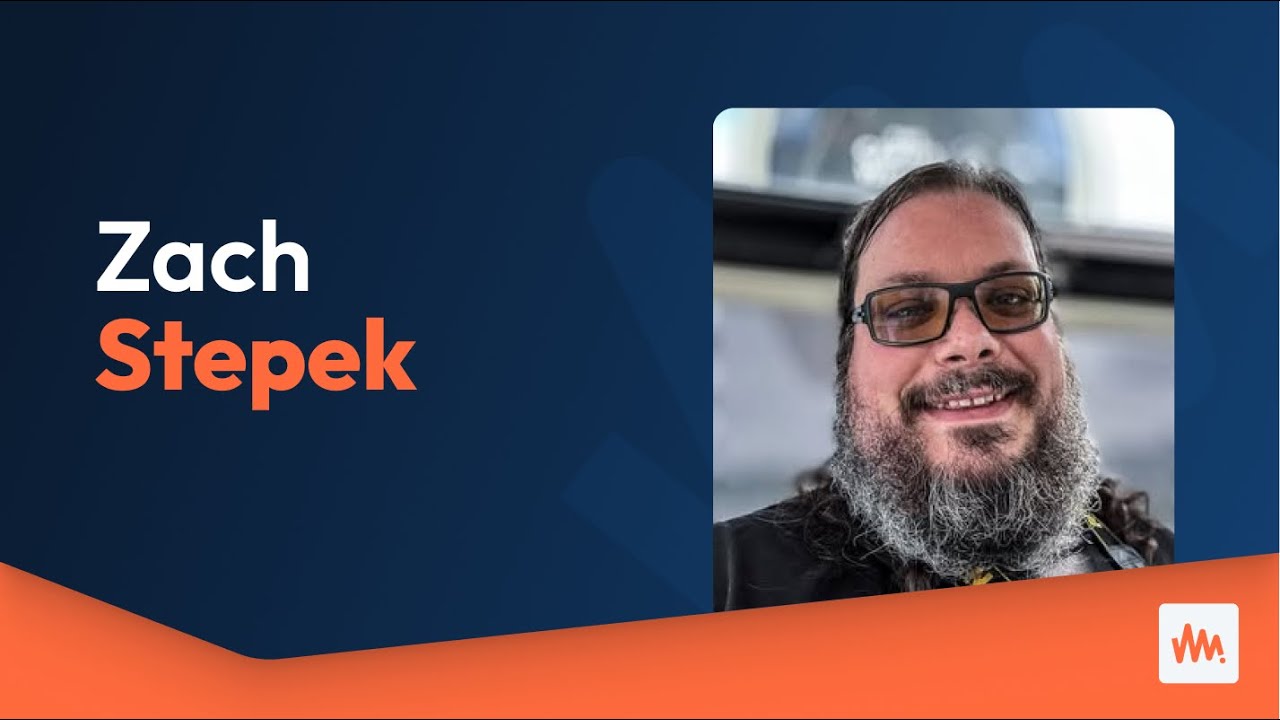
- Summary: On this episode of The WP Minute+ podcast, Matt Medeiros interviews Zach Stepek, Director of Partner Programs at BigScoots. They discuss the importance of transparency in agency partnerships, the definition of true partnership in hosting, and the ideal customer for BigScoots. They explore the infrastructure capabilities of BigScoots, the transition to enterprise-level hosting, and the associated costs of hosting e-commerce websites. The conversation also touches on the value of open-source solutions and the sales process for enterprises.
Editor's note: BigScoots is a Foundation+ sponsor of The WP Minute
- URL: https://www.youtube.com/watch?v=iAZpg9o2odA
Zack Stick, welcome to the WP Minute.>> Thank you, Matt. It's good to be here.>> Uh, you and I have been chatting andrunning into each other at WordCampsfor decades, it seems. It's good to haveyou on the show to find out moreabout what you're up to these days.>> Yeah, I appreciate the opportunity.
>> Uh, you’re at Big Scoots. We’re going tolearn more about your title andday-to-day responsibilities for the FC. I must disclose that Big Scoots is asponsor of the WP Minute. Weappreciate Big Scoots’ sponsorship.It really helps us get greatcontent like this out and helps the teamfor sure. Thank you, Big Scoots. Thanksto all of our sponsors atwpmin.com/sponsors.
What do you do at Big Scoots these days?>> So my title is director of partnerprograms. Basically, what that meansis that I help all of our partners findsuccess working with our team. Thatextends to agency partnerships andtechnology partners. We work witha number of WordPress-relatedorganizations that createplugins or SaaS products that tie intoWordPress, and everyone from MemberfulWhich is a division of Patreon, allthe way to form plugins likeFormidable. Um, yeah, we have a wholebunch of people that we work with.
And then on the agency side, my jobis to help our agency partners tosucceed with our platform, get to knowour team, and really just turn hostingfrom this thing that overwhelms peopleinto a profit center.By the time the listeners are watchingthis, there will be a new courseon the wpmin.com courses,and it will be about choosing great webhosts, especially if you're a freelanceror an agency. We don't point to aspecific web host or show controlpanels. What we're trying toillustrate is how one goes throughthe thought process of picking a greathost. And part of it is for theagencies; that relationship with the
customer is oh so important. I want totalk about transparency. Um, from yourexperience in the WordPress world. Iknow when I started my agency many, manyyears ago, I had a different tactbecause I was a systems administrator ata hosting company before I started myagency. So I knew that web hosting wasIt's important for us as a revenuestream, right? As a profit center, as youput it. Um, but the thing I wasreally kind of lacking, because I kind ofknew what I was doing to a degree, was Iwasn't transparent with the customer. Iwasn't saying that we were the onesrunning the infrastructure.
I should have. So that was alesson learned early on. I'm curious howyou think about transparency with theagency partners that you have. Do youencourage them to say, "Hey, customers,you're on Big Scoots. They do theinfrastructure. You don't have tocall them, and you can still call me asthe agency owner. How does thatrelationship and that transparency operatework in your world?Yeah. So, there are a couple of thingsthere to unpack. One is that, you know,individual agencies have different ideason how much they want to share withtheir customers about what they'redoing, right?And we give agencies the option ofeither having their customers workdirectly with us and have the bill come,you know, from us to them, or resellingour services.
The hosting plan could be with the agency. Um, thecool thing about that is, you know,we've set it up so that either way theagency wins. And so every agency in ouragency partner program gets a directSlack channel where they can talk toour support team about any problems thatare happening for any of theircustomers. All their customers areflagged as theirs, and so if a problemhappens, we notice proactively, whichnormally is the case, um,we will reach out to the agency and letthe agency know. We generally knowthere's an issue before the customerdoes in most cases. So, um, we're veryproactive in that way, and we keep theagency involved at the level they wantto be. Um,so, yeah, that's the first thingto kind of unpack there.
The other thing is that you came from hosting to agencyownership. I came from agency ownershipto hosting. So, we have similarperspectives in that, you know, we'vebeen on both sides of that coin. And, uh,as an agency owner, I was always lookingfor partners that were true partners,not just a vendor. And that's what we'rerunning here — a true partnership.
Program. Yeah. How do I want to have you define what true partnershipprogram means? I remember my days atPagely, which came after running theagency. This was before they soldto GoDaddy. I was an accountexecutive. A lot of the partnershipstuff that we did with agencies involved alot of pre-sales, and a lot ofsupporting the customer, helping themwith whatever diagram or blueprinta hosting solution might look like foran enterprise client. Um, and thenhopefully seeing that all the waythrough to onboarding the client ontoour infrastructure, where the
agency would then take and do theirthing with it. Um, what does thepartnership mean to you? Just unpackthat for Big Scoots. Yeah. So, the firstpiece is really being that supportsystem that they can count on. So, ifan agency wants to have me co-pitchhosting with them, I’ll go inand do that. Um, if they want our teamto go and do an audit of awebsite and tell them what we seethat’s wrong — pre-launch,post-launch, whatever — we’ll do thattoo.
We could be just a vendor that provides hosting,right? We could do that allday,but we know that the true success ofhosting comes from that personalrelationship.So, yeah, we have a support team thathas a 90-second SLA for ticket responsesand they consistently meet that.We have a net promoter scoreof 95 on average for the year right now,which is insane. You know, it's really,really high. So, that's 95 out of 100 points.
Um, and that's the average for the year.We have some support reps on our teamwho have a 100 for the year right now.Um, we have some that have a 100 fortheir entire time with us.And the reason why is we're sofocused on being a help, not just avendor. So that's what partnership meansto me. It means really digging in, fixingproblems together, being a trustedpartner, not just someone who, you know,you reach out to when things go bad.Um, you know, for example, we have aperformance team run by another Zach.There are actually three Zachs at BigScoots, which is weird. I've never hadthat happen before.
Alport runs our performance services, andthat performance team can take theheadache of monitoring coreweb vitals and do that for our agencycustomers or for our directcustomers.They proactively monitor and watchcore web vitals to make sure thatchanges to the site haven’t had a severeimpact on core web vitals andrankings. And so little things likethat go beyond just hosting to providinga more complete solution. That morecomplete solution is designed to assistagencies in running better businessesand having better relationships with theircustomers. If you know, you never have toworry about hosting, and you know thatthe support team is always going to haveyour back, you stop having tobabysit hosting. It’s yet another thing onyour to-do list, and you can just sitthere and let it passively assist yourcustomers.
>> So for the agency or freelance ownerthat’s listening to this now, theymight be thinking, "Okay, this is great."Like I am looking for a partner. I’mlooking for a host that can help mesolve my problems and hopefully myClient problems. Is there a best fit forBig Scoots' customer? Put you on the hotseat a little bit. Is there one that’sreally good for the Big Scootsinfrastructure control panel? Like whatfits the mold best at Big Scoots?
Therefore, maybe the agency ownerslistening to this go, "Ah, I’ve gotthose types of customers. Let me bringthem over to Big Scoots."Yeah. I mean, we really started sofirst of all, Big Scoots has been aroundfor 15, almost 16 years now, and not a lotof people know that, because we’ve onlyreally focused on marketing and, you know,external outreach for like two years.And so that was when Tim Moner, ourCMO, joined and, yeah, we started toactually try to participate in thecommunity a little further than we hadbefore. The business was built onword of mouth, and we really built aroundcontent creators, a lot of foodbloggers and that kind of site.Some of those grew to be ratherlarge. So we got really good at hostinglarge content websites.
That extended really well into largedynamic websites, things like, you know,learning management systems or, uhE-commerce on WooCommerce. And we'vehad some really huge success storiesrunning highly dynamic websites. Oneof the differentiators for us is weactually own our own infrastructure. Wehave our own data centers. This isweird to me because I've been at fourhosting companies now, but this is thefirst time that I've had a badge to walkin with a badge and a fingerprint toactually access a physical data centerwith servers.
>> Yeah. Yeah.>> Because of that, we can deployhardware to fit a need. So, you know, wehad a WooCommerce customer that hadpretty significant traffic at burstsand we deployed a 200-core server forthem. You can't do that on AWS orGoogle Cloud right now. That's just not,you know, it's not reality. And then wecan physically locate a databaseserver next to a web server and networkthem up to each other because we controlwhat's in the rack, right? And so we'reable to do things in a way that otherpeople just don't. And you know, ourmodern architecture makes us fast.You know, we're doing things likeworking with Set storage and,We have, you know, 400 gigabit connections, and the network layer across our entire data center.
We were the first host to work withCloudflare, though we have a direct fiber connection to Cloudflare's network, one hop away, and every customer gets thebenefits of Cloudflare free because all our traffic is routed through it, no matter what.So it's really cool to say that we can do, you know, the really hard stuff.We're also really good at the really easy stuff too.Our plans run the gamut, you know, from$35 a month for a single site, all theway up to, you know, thousands of dollars a month for a dedicated server.Generally, we come in 30 to 40% cheaper than the competition.
Yeah, I remember some of my best days, my most fun days at the hosting company I worked for many years ago.The colocation that we had our servers, or one of them, was about 20 minutes away, and it was in Providence, Rhode Island.I would love it when there was a disk failure happening.We'd get the reports.
Long ago, right? This is like whenpeople weren’t as concerned when thehard drive started to die. You know, itwasn’t like this massively urgent thing.And it was like, yes, I get to go to thecollocation to swap out this disk. And Iwould get to see um, because it was ashared collocation, I got to see allthe other tech that people wereputting in their cabinets and theirracks and stuff like that. And it wasalways great because, one, Icould go for lunch downtownin Providence, which was great. But itwas also cool to go and see allthat tech in a data center. Soyou actually have physical access tothe data center to do this stuff.
Yeah, we have two that arecurrently spun up in the Chicagoarea. We’re expanding with a failoversite in Virginia. We have somepresence in Europe, so we’re lookingto expand that further in Germany,specifically either Hamburg or Frankfurt.So it’s really cool to be atthis inflection growth point withthe company too, where we’re starting toexpand outside of just the one Chicagodata center we started with.
Um, we do things like highavailability failover for a site. Soeven if the entire Chicago data centerover by McCormack Place went down,we'd still have Virginia up andrunning or Elk Grove up and running, andwe'd have the ability to keepsites up and have a disaster recoveryplan for things like that. So,for those enterprise andmid-market workflows where uptimematters more than anything,because you're losing money every secondthe site is down, we're really wellequipped to handle that. Yeah. I'mcurious if you have a take on how theagency owner, or a freelancer, shouldbe thinking about their businessdifferently, if at all. Or maybe it'sthe experience or the touch points
with customers. You know, whenmany of them are starting off, they'revery used to, "Hey customer, it'slike 20 to 50 bucks to host yourWordPress site. It's managed. They dothe updates, backups, staging sites,etc. But eventually, that customer orthat agency realizes, "I need to grow. Iwant to get into these areas."Enterprise plans that Zach'stalking about, like 20 core serverinstalls or, like, you know, replicateddatabases and failover, and all thisstuff. How should they think aboutgoing after that type of larger businessor enterprise type of business? What doyou think has to change in the mindsetof approaching that kind of customer?
Um, I think it's sort of not being risk-aversehelps a lot. When I was running my agency, thesize of the projects we were doing grewexponentially from the start. You know,right away, we were working withsix-figure, seven-figure contracts.And when you get to that point, you have tolook at, you know, every opportunityand see if your team fits it well. But also,you have to sometimes just jump and hope thatthe parachute opens, because, you know, if you don't,if you stay risk-averse, you're going tostay at the size you are. Growthrequires risk. Um, so that's part of it.
But how can you temper that risk? Andyou know, part of what I'm building hereis a way to temper risk by having atrusted partner that you can go to thatYou can make sure that the infrastructureside of how the site is served is justhandled. Um, that way you don't have toworry about it. You just build goodwebsites, you know, and if you buildwell and you lean on our teamfor performance optimization or at leastjust advice on how to optimize further,you can, you know, the sky's thelimit. You can launch a site into outerspace and we've seen it happennumerous times. You know, the SharkTank effect is real, right?
Yeah.Uh, one of the things that I've seenrecently is, uh, this is a bit of anaside, but still part of thisconversation is I've seen Woo Commerce,um, come out to be more squarelycompeting against Shopify.Um, and actually yesterday, I recorded anepisode that would have airedbefore this one with Brian Cords. He'snow one of the developer advocates atWoo Commerce. And Woo Commerce is reallyputting the marketing speak behindlike ownership and total cost ofownership. Um, but they don't really sayanything about hosting so much like, uh,because you know I think with myMy experience at Pagely has involved seeing peoplespending thousands, if not tens ofthousands of dollars a month for bigecommerce.
I mean, stuff does get prettyexpensive. That doesn’t mean you're going torun a multi-million dollarWooCommerce store on 50bucks a month. So, I'm curious about your takeon how agenciesshould prepare the mindset of thecustomer to understand that we can do this foryou. We can grow, but it’s not all justcheap and free. Because I think that’s athing that happens with WordPress. Like,you might start to spend some moneyas you grow, as you should, you know?But I'm just curious about your take onhow agencies shouldaccelerate that thinking for theircustomers to help them understandthese costs. Well, I liketo use analogies a lot. And the
analogy I like to use for hosting isthat if you were running a retailbusiness and you were looking for alocation for your storefront,you would go out and look for a placewith good foot traffic,with anchor stores that areGoing to bring people to you. Um, andthose things still exist in the virtualworld, right? There are ways to be ableto handle more traffic, and hosting has alot to do with that. Um, sowhen a business is first starting out,they likely don’t need a Madison Avenueaddress, but eventually, you know, ifthey’re in Chicago, they’re going towant to be on Michigan Avenue and theMagnificent Mile eventually, right?
That’s the goal. That’s the retaildream.
And so when you’re first starting out,yeah, sure, you can run a Woo Commercesite on a $35 a month server. You canrun it on less than that if you wantedto. I wouldn’t, but you can. Then fromthere, you know, you’re going to grow.And as you grow, the needs of your spacewill change.
And so the cool thing about websites is that they operate kindof as a 24-hour-a-day, you know, 365 daysa year salesperson.So it’s like having a staff memberthat’s constantly pitching, right?And so you need retail space for them topitch in, and you need to keep them, youknow, in a place where the lights are on, you know, things areWorking so that they can show off yourproduct. So, those two things matter aton. Um,the cool thing about WooCommerce isanybody can start for nothing, right?
And a lot of people compare that toShopify and they think, "Okay,Shopify starts out cheap, too." Well,yeah, they do. But with that comes apercentage of your total sales goingthrough Shop Pay.Um, and they take an additionalpercentage of your business in additiontojust hosting the site, right? And thenyou can build up to different tiers fromthere where that amount goes down. Butin all of those cases, you're using ShopPay or you're paying to not use ShopPay. AndShopify makes their money off yourgrowth. So once you get to theenterprise level, they're owning asignificant percentage of your businessthat could be millions of dollars inrevenue. So if you look at that and youcompare that to the hosting cost of, youknow, $20,000 to $25,000 a month for a MadisonAvenue address or a Michigan Avenueaddress, right?
When you compare that, you're payingsignificantly less to own your own data,to own your site, to own your destiny.And you're not subject to the whims of acompany that may decide they no longerwant your market segment because theremight be a problem withsomething's legality orthere's this whole conceptof restricted products that arevery hard for Shopify to host.
You know, there are a number of categoriesthat have traditionally beendifficult. Cannabis is one of them,right?Shopify doesn't like to host that kindof stuff, and their agreements with, youknow, Shop Pay and the providersthat power Shop Paydon't allow them to. So, there arerestrictions there that you might runinto as well.
So really having control of your destiny, owning your data, notliving in somebody else's black box. Ifyou want an address in the mall, by allmeans, Shopify is a great mall. Youknow, if you want that high-profileaddresswith a great storefront and the ability to grow and scale,Whatever limit you want,then WooCommerce might be a betterchoice. And you know, that's whatI've always liked about WooCommerce is thatfreedom. It's the freedom of opensource, right? It's the same freedomthat we talk about whenwe're talking about WordPress ingeneral. You own your destiny. Youown your site. You don't have to,you know, stay where you are. If youwant to grow and you want to gosomewhere else, you can take yourbusiness somewhere else. When you buildon a SaaS like Shopify, you can't takeyour business somewhere else withouthiring a construction crew to rebuildyour store.
Yeah. You know, I wonder, like, asyou were explaining it and using thoseanalogies, it'sI mean, God, for decades again,we've talked about WordPress as amarketing problem. Like, what is it?Who's it for? Like all this stuff. Andlike, as you say all that about WooCommerce, it's like, well, that's thethat's also the argument for WordPressin general, right? So um, I'mWondering, this is not really a question.
These are just thoughts that came into myhead as you were talking, but likeseeing the new direction of WooCommerceor Woo's marketing, I'm wondering ifit works better for what I'll call theaverage user because it’s business now, right?So it's, oh, now that I'm talking business, you’vegot my attention, right? As like thesmall store owner, uh, you know,somebody who makes arts and crafts, allthe way to somebody who's selling autoparts. They’re like, okay, you’ve got myattention because this is for business.
But before, when we were trying to tellyou about WordPress and like owning yourdata, they’re like, "What the hell do I needthat for? Like, I’ll just use thisWeebly thing." And you’re like, no, no,no. Like, you need to use somethingthat’s open source so you can move thisdata. But now that it's business, I’mwondering if, I don’t know, just ageneral thought, do you thinkpeople pay more attention to thatbecause it's business?>> I think they do to a point. Um, the thingabout Shopify is they’ve got aTranslated that into a ridiculous amountof advertising, right?
You can't go anywhere without hearingabout Shopify. I can't even listen to apodcast about crimewithout hearing about Shopify. Likethat's>> can let I just want to jump in for asecond. I'll tell you what they're doing,which is the worst thing as a podcaster.As somebody who has listened to a lot ofpodcasts, probably just like you, who hasbeen podcasting now for almost 20 years.Mhm.
>> They used some intern atShopify who said, "Let's do these host-readads or these dynamic ads and go find afree bell checkout sound>> to put in all the ads." It is the mostannoying sound signature I've ever heard,because it's just the worst. It's so loudand not, uh, like you're probablylistening to crime, and all of a suddenyou hear, "Ding ding!" and it's like this isthe worst thing in the world. It's notlike the days of like everyone probablyknows, like the Intel chime or HBO whenHBO starts. Like the Netflix samething, like you understand it.You hear what's happening. Shopify hasThey made something so terrible that someintern picked it. It drives me nuts. Anyway,I have to get off my soapbox, but yescontinue. Lots of advertising, lots ofpodcasts.
>> Yeah. So, you know, they do all ofthat and it makes them seem like theyare the solution because they’re justeverywhere, right? It’s kind of like afew years ago when you used to watchlate night television and a certain stationwould have an ad and you’d see Eric fromBeard Brand on there, right?>> Yep. Yep. Yep.>> I mean, that was ubiquitous. It waseverywhere. And um, that’sgreat because it’s good for them. It’sgood for their investors. But remember,you know, they have investors. That’swho they’re trying to help.Open source. We’re trying to help you.That’s the end goal, that theusers of open source have the ability togrow on a platform that they can controland own.That’s a huge difference. Um, noarbitrary rules, you know, that aregoing to hurt you in the long term.Um, or have the potential to hurt you inthe long term.
It's just a much more open and, forlack of a better word, a way to build awebsite. And having run an e-commercefocused agency that did a lot ofWooCommerce work, we had customers thatwere forced by acquisition, or bywhatever, to move from WooCommerce toShopify. In one case, the migration ofthe subscription data for a website wasso badly migrated that they lost 40% oftheir business as the migrationhappened. Why? Because their entirebusiness was built on subscribe and save,and the tokens for those paymentsdidn't move over the way that they werepromised they would when they moved toShopify. So you know, it's reallyjust about, in that case, them tryingto get logos. That's their job. TheShopify sales teamis getting logos. That's the whole job.
Yeah. It's just funny you saythat. I was talking to somebody earliertoday about enterprisesales and stuff like that, and it's justlike it has nothing to do, you know,with the, I mean, this is just my take. Iguess people can disagree, but I thinkin the enterprise space, whenyou're selling into the enterprise,Space has less to do with theproduct than it does with you gettingin and adhering to the buying process ofthat enterprise. Can you find the rightpeople? Can your legal team agree totheir terms?
>> Right? Then can your info team or infoscteam adhere to whatever securityscrutinies or processes that thisenterprise has? Then they agree onprice, and then it's the product. It'slike all of this stuff, and then theproduct, and that's why enterprise is soslow but also so lucrative once you getin. You know, you get these hooks intothese enterprises, 'cause like you said, youget the logo, you take that logo, you goto the next enterprise and you say, "Hey,look what General Motors just boughtfrom me. Don't you want this too,Hyundai of America?" And they're like,"Well, I guess if General Motors is buying it,you know," and then that, the whole processstarts again. It's a machine I'm glad I'm not inanymore, to be honest with you.
>> If you look at the, just, you know,picking on our own industry here, if youlook at the highest-end WordPressagencies that are out there, what doWhat do their sites lead with? Logos, right?
Because at that level, the logos youhave matter to the people making thesepurchasing decisions.And you know, it sucks that that’sthe case because it’s hard to break into that space unless you arereally good at selling. Um, you know,you have to be a really good salesman.Um, I’ve had the opportunity to workwith some really good salesmen over theyears. Uh, you know, I worked directly withJake Goldman at Tennup, now Fueled, fora while, and Jake just operates ata different level than most people.And you know that’s why Tennup has doneas well as they have and why Fueled iscontinuing to grow.
That isa very specific skill set that you haveto develop by jumping in. You can’tlearn to swim without getting in thewater, right? Yeah.And so that’s a big thing. Um,I’ve learned a ton from otherpeople that have jumped in, you know,started at the deep end and learned toswim. And so it’s really cool.Yeah, the pursuit of logos is a really big thing.
The enterprise procurement process is crazy.The government procurement process iseven crazier.>> Yeah. Yeah. Yes. For sure. Yeah. Wecould run a whole podcast episode on that.Uh, but speaking of procuring logos and showing off logos, where canfolks find Big Scoot next? Events,online webinars, and then where canfolks go, especially agency owners,to learn more about partnering with Big Scoots?
>> Yeah. So, we're going to be prettymuch everywhere we can be for theforeseeable future, but the next showfor myself and the team will be split.We will be in two places atonce. I will be with James Webb,our COO, at Cloudfest USA.Let me reset.>> Host at Cloudfest. I will be withJames and then Tim Moner and other members of theteam will be at Mediaine's conference.
Mediaine Con, because like I said wehave a lot of people in the contentcreation space and we have a partnershipwith Mediavine where we providehosting that optimizes.
Um, the delivery of those sites forrevenue. So, um, ad networks take, youknow, pixels and things, and those canhave an impact on performance. So, we’vebeen working with Mediavine to lessenthat, and we’re seeing a 5% lift insome of those properties in revenue justby switching hosts, which is pretty cool.
Um,that’s going to be in, that’sactually the same time. So, November 5thto the 7th.
Yeah, so, that Mediaine Con is inBoston, I believe. And then, uh, we’llalso be in Miami at the same time. Um,we’ll be at Tastemakers in January.
Um, I believe we’ll have people at WordCamp Asia. We’ll have people at WordCamp Europe. Um, I’m going to try to goto as many WordCamps as I can next yearjust to, you know, be out there becauseI love the community, and I’ve missedit.
Um, you know, we’ll be at WordCampUS. We should be at PressConf in thespring as well. So, pretty muchanywhere you can think, we’ll try to bethere. Um, if you, you know, don’t meetup with us at a show and you just wantAbout agency partnerships, or about hosting in general, you cango to our website at bigcoots.com.
You can find us at bigcoots prettymuch everywhere. If you want toemail me, like I said, there arethree Zachs in the company, so I had tofind a way to stand out from that.You can go to
[email protected],zbigscoots.com to reach me. And ifyou don’t want to talk to me about anyof that and you just want to talk to meabout concert photography, you canfollow my Instagram, zestepic.
Fantastic stuff. Go tobigscoots.com. There’s a little button,too. Click to talk to a human. It’s avery rare thing these days, but I thinkit’s very important.
No, all real people.Yeah, that’s going to be thevalue driver for the next 5 to 10 years.All humans, no AI. I love it. I mean, Ithink that’s important. Thanks, Zach.Thanks for hanging out today. Thanks,Big Scoots for sponsoring the WP Minute.And thank you for listening to theWP.com subscription., Unlocking the Secrets of Successful Agency Partnerships, WP Minute Podcasts, 01k8jtgze1wrrhf171gr8x2p43.