Why I’m Leaving WordPress
## Metadata
- Author: [[Jacob Martella]]
- Full Title: Why I’m Leaving WordPress
- Category: #articles
- Document Note: ---
tags: [#WordPress, #CMS, #WebDev]
Author: Jacob Martella
Source: JacobMartella.me – "Why I'm Leaving WordPress"
Reference: [https://jacobmartella.me/web-development/wordpress/why-im-leaving-wordpress/?__readwiseLocation=](https://jacobmartella.me/web-development/wordpress/why-im-leaving-wordpress/?__readwiseLocation=)
date created: {{date:2025-03-28}} {{time:HH:mm}}
---
# Title: Why I'm Leaving WordPress: A Critical Reflection on CMS Limitations
## Table of Contents:
- [📝 Summary](#-summary)
- [📖 Main Content](#-main-content)
- [🗒️ Notes](#-notes)
- [📖 References](#-references)
- [🗣️ Paraphrase](#-paraphrase)
- [📰 Newsletter](#-newsletter)
- [✅ Action Items](#-action-items)
- [🧪 Hypotheses](#-hypotheses)
- [📊 Methodology](#-methodology)
- [❓ Questions](#-questions)
- [🔮 Future Research](#-future-research)
- [💡 Implications](#-implications)
- [🧠 Learning Styles Assessment](#-learning-styles-assessment)
- [📊 Accessibility Assessment](#-accessibility-assessment)
- [🌍 DEIB Assessment](#-deib-assessment)
- [✅ Logical Validity](#-logical-validity)
- [🔍 DARVO Analysis](#-darvo-analysis)
- [🔍 SEO Evaluation](#-seo-evaluation)
- [🎯 Conclusion](#-conclusion)
### References:
- **Primary Source:**
- Jacob Martella, "Why I'm Leaving WordPress" – [JacobMartella.me](https://jacobmartella.me/web-development/wordpress/why-im-leaving-wordpress/?__readwiseLocation=)
- **Additional Context:**
- Discussions in the WordPress and CMS communities regarding bloat, customization issues, and modern web development practices.
## 📝 Summary:
The article "Why I'm Leaving WordPress" by Jacob Martella is a reflective critique on the shortcomings of WordPress as a content management system. Martella discusses his personal reasons for abandoning WordPress, citing issues such as bloated code, inflexible architecture, security vulnerabilities, and a growing disconnect with modern web development standards. He contrasts WordPress's limitations with alternative approaches that better support agile, lightweight, and customizable web solutions. The narrative combines technical critique with personal insight and invites readers to reconsider their choice of CMS in the context of evolving web technologies.
## 📖 Main Content:
Martella’s article is structured around several core themes:
- **Personal Journey & Frustration:**
- The author explains his long-standing relationship with WordPress and how his experience has soured over time.
- He details technical pain points including performance issues, security concerns, and the inherent bloat that hampers innovation.
- **Technical Critique:**
- In-depth analysis of WordPress’s architectural limitations and how they conflict with modern web development practices.
- Comparison with alternative frameworks that offer more streamlined, flexible, and secure solutions.
- **Cultural & Community Reflections:**
- Observations on the WordPress ecosystem, community inertia, and resistance to change.
- Discussion on how the platform’s evolution does not always align with the needs of professional developers.
- **Call to Action for Change:**
- Encourages developers to explore newer technologies that prioritize performance, modularity, and transparency.
- Provokes thought on the future of content management and the potential for open-source innovation outside of WordPress.
### 🗒️ Notes:
- **Introduction & Context:**
- **(00:00 - Introductory Remarks):**
- Martella sets the stage by recounting his history with WordPress and outlining his growing discontent.
- *Link:* [00:00](#)
- **Technical Issues Highlighted:**
- **(02:15 - Code Bloat and Performance):**
- Discusses how WordPress has become increasingly bloated, affecting load times and overall performance.
- *Link:* [02:15](#)
- **(04:30 - Security Vulnerabilities):**
- Points out recurring security issues and the difficulty of maintaining a secure system in a legacy platform.
- *Link:* [04:30](#)
- **Comparative Analysis:**
- **(06:00 - Alternative Frameworks):**
- Compares WordPress with modern CMS alternatives that offer greater flexibility and efficiency.
- *Link:* [06:00](#)
- **Community and Cultural Critique:**
- **(08:45 - Ecosystem and Inertia):**
- Critiques the WordPress community for its resistance to change and the impact of outdated practices on innovation.
- *Link:* [08:45](#)
- **Conclusion & Call for Innovation:**
- **(10:30 - Final Thoughts and Future Outlook):**
- Summarizes the reasons for leaving and urges readers to consider future-proof alternatives.
- *Link:* [10:30](#)
## 📖 References:
- [Jacob Martella, "Why I'm Leaving WordPress"](https://jacobmartella.me/web-development/wordpress/why-im-leaving-wordpress/?__readwiseLocation=)
- Community discussions on WordPress bloat and alternative CMS solutions found on developer forums and tech blogs.
## 🗣️ Paraphrase:
- **Paragraph 1 (On WordPress Limitations):**
- *Original:* "Over the years, WordPress has morphed into a behemoth laden with unnecessary features and outdated code, making it increasingly difficult for developers to build modern, efficient websites."
- *Paraphrase:* "As time has passed, WordPress has evolved into a cumbersome platform burdened with superfluous features and legacy code, which hinders developers from crafting sleek, high-performance websites."
- **Paragraph 2 (On Community Inertia):**
- *Original:* "Despite the clear need for innovation, the WordPress community seems trapped in a cycle of resistance, clinging to practices that no longer serve the evolving needs of web development."
- *Paraphrase:* "Even though there is an evident demand for progress, the WordPress ecosystem appears stuck in outdated routines, unwilling to embrace new practices that better align with the dynamic landscape of web development."
## 📰 Newsletter:
Welcome to this week’s WordPress Insights update! In our latest feature, we dive into Jacob Martella’s eye-opening article, "Why I'm Leaving WordPress." Discover how one developer’s journey from frustration over bloated code and security challenges is sparking a conversation about modern, agile CMS alternatives. We explore key takeaways on performance, community inertia, and the future of web development. For a deeper dive into these topics—and to stay updated on the latest plugins, tutorials, and community highlights—read the full article on JacobMartella.me. Check out our additional resources on innovative web solutions and join the conversation on our community forum!
## ✅ Action Items:
- **Relate to Open-Source Advocacy:**
- Examine how WordPress’s limitations hinder open-source innovation and consider promoting alternative platforms that align with transparency and modern development practices.
- **Engage Contributors:**
- Host webinars or panel discussions comparing WordPress with emerging CMS technologies, inviting community members to share their experiences.
- **Educational Integration:**
- Develop instructional content that outlines both the challenges of legacy systems like WordPress and the advantages of newer, modular solutions.
- **Promote Transparency & Inclusivity:**
- Leverage the article’s honest critique to foster open discussions in community groups, emphasizing sustainable development and inclusive innovation.
## 🧪 Hypotheses:
- **Hypothesis 1:** Developers who transition from WordPress to more modern CMS platforms experience measurable improvements in website performance and security.
- **Hypothesis 2:** A shift in community culture toward embracing agile, open-source solutions can lead to increased collaboration and innovation.
- **Hypothesis 3:** Transparency about platform limitations encourages developers to adopt more sustainable and efficient technologies.
### 📊 Methodology:
- **Data Sources:**
- Developer surveys, performance metrics, and security incident reports from WordPress and alternative CMS platforms.
- **Research Designs:**
- Comparative case studies analyzing project outcomes before and after switching from WordPress.
- **Analysis Techniques:**
- Quantitative analy
- Summary: After using WordPress since 2009 and getting my start in web development because of it, I've decided to step away from using it because of Matt Mullenweg's recent actions.
- URL: https://jacobmartella.me/web-development/wordpress/why-im-leaving-wordpress/

This is a blog post that’s honestly a half-year in the making and probably a couple of months too late, but here it goes anyway.
I’m leaving WordPress.
Well … mostly leaving WordPress, but we’ll get to the last surviving thread of WP connectivity at the end of this post.
But yeah, with all of the turmoil that Matt Mullenweg has caused, I just don’t see a way forward with WordPress unless something dramatically changes. With a tyrannical dictator at the helm and good people leaving the project — whether kicked out by said dictator or leaving on their own accord — I don’t feel confident in the open source project that got me into web development in the first place.
And so this feels like the right time to just get up and leave and see what’s better in the web development world outside of WordPress.
#### Discussing the Current Scenario
Oh boy. Where to even begin with Matt’s latest antics that have kicked a lot of people out of the WordPress door.
Well, [Mullenweg.wtf does a great job of providing a comprehensive summary](https://mullenweg.wtf/) of everything that’s happened since last September.
But here’s a brief summary if you’re new to this all.
First, Matt used his WordCamp US keynote talk to blast WP Engine for not contributing enough to WordPress, which then opens up a conversation of what does it mean to contribute because, while they might not have directly contributed to core a lot, they have contributed a ton to the WordPress community (including sponsoring WordCamps).
Then in a cease and desist letter sent the next week, it comes out that Matt more or less tried extorting WP Engine over a trademark license before blasting them on stage.
From there, things spiraled out of control quickly, mostly because of Matt.
WP Engine was basically banned from WordPress (though their access to .org has been reinstated after a court ruled in their favor on a preliminary injunction). Folks, especially prominent people, have been pushed out of the project for supporting WP Engine.
In short, the WordPress ecosystem is now in chaos.
Again, I highly encourage you to check out that link above for a thorough review of the entire situation.
#### This Isn’t the First Time This has Happened
But the thing is, this isn’t the first time something like this has happened. Nor the second. Nor the third. Nor the fourth.
You get the idea.
In 2023, he punched down at folks who questioned why Automattic was stealing SEO value for wordpress.com over wordpress.org, and for why detailed plugin stats were removed for plugin authors. It was also revealed that the wordpress.org marketing team had no access to analytics as well.
There’s also a litany of other issues that have popped up over the course of the years that were always brushed aside by the community at large, but show a disturbing pattern.
These include, but are not limited to, killing off the governance project that sought to make WordPress more stable with better leadership, criticizing accessibility efforts, especially around the Gutenberg project, the way the Gutenberg project has been handled since its introduction in 2017, [stealing a domain from a developer](https://pearsonified.com/truth-about-thesis-com/), [suing someone who gave Matt a domain](https://www.reddit.com/r/Wordpress/comments/1impxdo/i_gave_matt_the_domain_wordpresscom_for_free_he/), and the [horror stories from former Automattic employees](https://www.404media.co/automattic-buyout-offer-wordpress-matt-mullenweg/).
As you can see, this isn’t an isolated incident. It’s just part of a repeated pattern of behavior.
#### Not a Positive Future
As I mentioned before, based on Matt’s actions so far, it’s hard to see a positive future for the WordPress community, at least in the near term.
So many great people have already left or essentially been kicked out. And what does that mean for future releases of WordPress?
And the only way Matt leaves WordPress is if he’s forced to, which I just don’t see happening.
While WordPress the software will definitely still be around for a while longer, it truly feels like we’re passed the highwater mark of WordPress. It’s all downhill from here.
To me (and I don’t begrudge or judge anyone who is staying), it just doesn’t feel like something to stick around for.
#### Time to See What Else is Out There
On a personal note, this has driven me to see what’s out there in the web development world outside of WordPress.
Personally, I feel like I’ve gotten too comfortable with being in the WordPress bubble. I’ve lost that drive to learn more about the rest of the web design and development world out there.
This has been the swift kick in the pants I needed to expand my horizons and learn more about Laravel, advanced PHP, React, Vue, and maybe even Swift and Java. Laracasts has been a massive help in learning the stack around Laravel. And I’ve even built a small personal dashboard app to help me keep track of tasks, finances, calendar events and more.
And more importantly, I’m having fun developing again. It’s been great to learn, tinker and figure out what I can create with these languages and frameworks and how to create the ideas I have in my head.
After years of being really comfortable with WordPress, I think it’s time to become a beginner in other topics.
#### What I’m Working on Now
Right now I’m working on creating a custom content management system built on Laravel with a focus on small businesses, artists and hobbyists.
It’s going to be a massive undertaking, but I’m really excited about the challenge and really pushing myself as a developer and product builder. At the very least, I should be a much, much better developer at the end of the journey than I am right now.
I’ll talk about it more in an upcoming blog post, but the focus is going to be on creating something that’s specifically built for small businesses to help them grow in this digital world.
It’s a pretty fun challenge. And, more importantly, I’m having fun experimenting with web design and development, which is how I got into the web development world in the first place.
#### What About the Crosswinds Framework
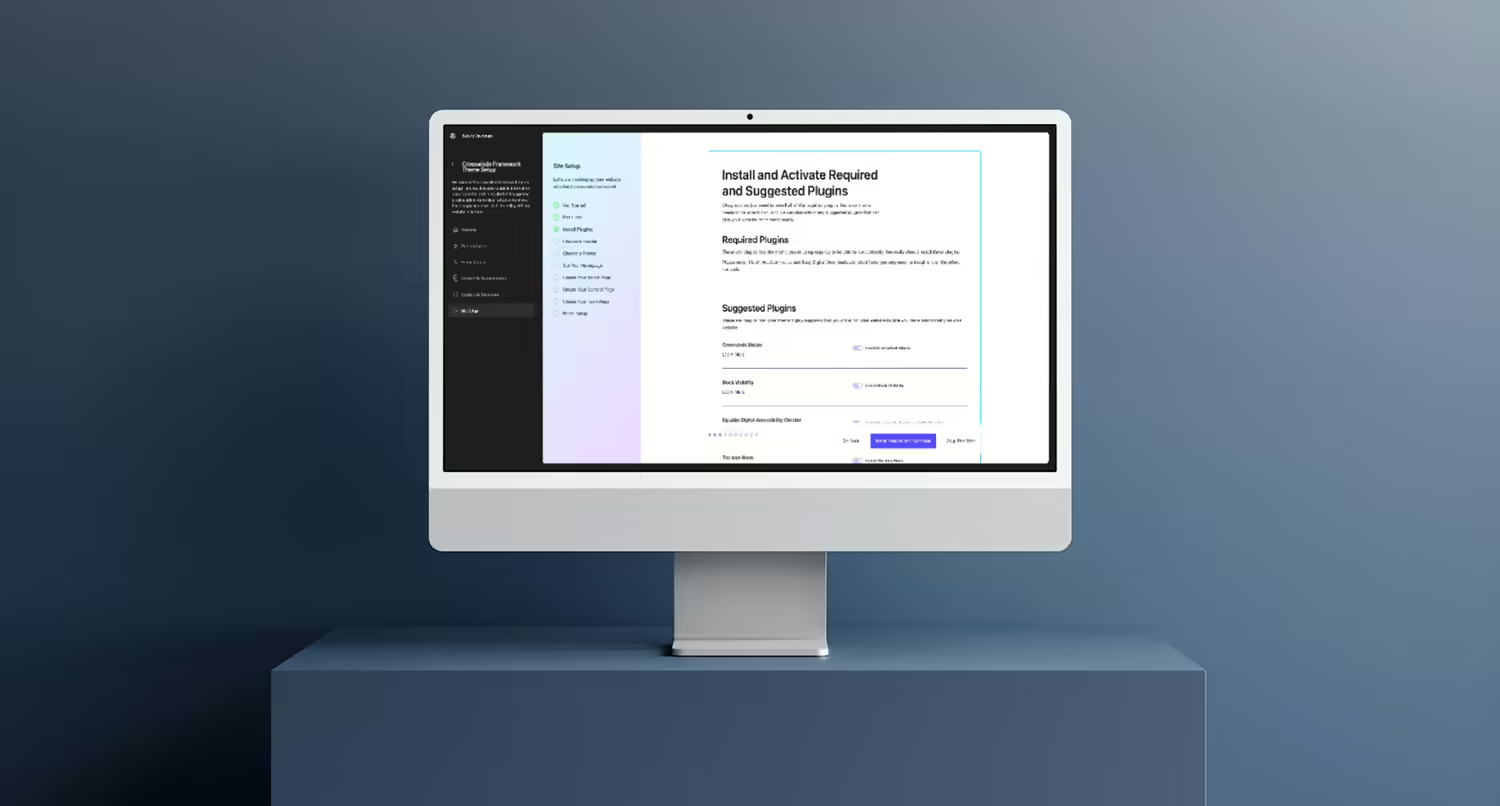
So, about that last surviving thread of connection with WordPress: the Crosswinds Framework.
I spent a lot of time creating the Framework in 2023, and while it hasn’t performed as well as I would have liked, I don’t want to completely abandon it now.
So I’m going to continue developing and supporting it. I’m even working on a version 2.0 that dramatically changes the product so it’s more usable to site owners who want to create a website quickly. I’m actually pretty excited about building it, especially now after dabbling outside of the WordPress realm.
But it’s just not going to be my main priority going forward.
, Why I’m Leaving WordPress, Jacob Martella, 01jqc2y8vnbbpwnhreq05xxct5.